Eco Friendly Cleaning Made Easy
Want a tidy house without hurting the environment? You don’t need pricey gadgets or exotic oils. A few everyday items and a bit of know‑how can give you a spotless home that’s safe for kids, pets, and the planet.
Why Choose Eco Friendly Cleaning?
Traditional cleaners are full of harsh chemicals that can irritate skin, damage indoor air quality, and end up in waterways. Switching to green alternatives cuts those risks and often saves money. Most natural cleaners are made from ingredients you already have – vinegar, baking soda, lemon, and castile soap. They break down grime, kill germs, and leave a fresh scent without the synthetic after‑taste.
Another win is the reduced carbon footprint. Small bottles of store‑bought spray cost more to produce, ship, and dispose of. By mixing your own solutions, you create less waste and keep plastic out of landfills. Plus, you can adjust each recipe to match the job, so you never waste product on a task it can’t handle.
Everyday Green Cleaning Hacks
All‑purpose spray: Combine 1 cup of water, 1 cup of white vinegar, and a squeeze of lemon juice. Add a few drops of essential oil if you like a scent. Spray on countertops, tiles, and bathroom fixtures. Wipe with a clean cloth and the surface shines.
Stovetop and oven grime: Sprinkle baking soda over the area, then spritz with a little water to make a paste. Let it sit for 15‑20 minutes. The gentle abrasive lifts burnt‑on food, and you can wipe it away with a damp sponge. No harsh fumes, just a bright finish.
Glass and mirrors: Mix 2 parts water with 1 part vinegar in a spray bottle. For extra shine, wipe with a microfiber cloth in a circular motion. You’ll see fewer streaks and no chemical residue.
Carpet freshening: Sprinkle baking soda over high‑traffic zones, let it sit for 30 minutes, then vacuum. The powder neutralises odors naturally, removing the need for perfume‑laden carpet fresheners.
Bathroom mold: Spray undiluted white vinegar onto moldy tiles or grout, let it sit for an hour, then scrub with a brush. The acidity kills the mold and prevents it from returning quickly.
When you need a deeper clean, try a steam cleaner. It uses only water heat to sanitize floors, upholstery, and tiles. You get the power of a chemical cleaner without any residue.
Remember to label your DIY bottles and store them out of reach of children. A quick note on the front (e.g., ‘All‑Purpose Cleaner – Vinegar’) helps you grab the right spray without guessing.
Going green doesn’t mean you have to give up cleanliness. With these simple recipes, you can keep every room sparkling while protecting the environment. Try one hack today and see how easy eco‑friendly cleaning can be.
What Makes a Cleaning Product Truly Eco-Friendly?
Discover what truly makes a cleaning product eco-friendly, from biodegradable ingredients to sustainable packaging. Learn to spot greenwashing and choose effective, safe alternatives.
Read More
The Best Homemade Cleaning Solutions: DIY Recipes That Actually Work
Discover the most effective homemade cleaning solutions using vinegar, baking soda, and castile soap. Learn safe recipes for every room and avoid common mistakes.
Read More
When Not to Use White Vinegar for Cleaning: Surfaces That Get Damaged
Discover when not to use white vinegar for cleaning. Learn which surfaces get damaged by acetic acid, including stone, wood, and electronics, plus safe alternatives.
Read More
Are Tide Pods Bad for the Environment? The Truth About Laundry Detergent Packs
Discover if Tide Pods are bad for the environment. We analyze plastic waste, chemical runoff, and carbon footprints to help you choose eco-friendly cleaning alternatives.
Read More
Do People Still Do Spring Cleaning? The 2026 Reality Check
Explore how spring cleaning has evolved in 2026. From robot vacuums to eco-friendly products, discover why decluttering beats dusting and how to create a realistic, stress-free home reset routine.
Read More
Best Greener Alternatives to Traditional Cleaning Products
Discover the best greener alternatives to traditional cleaning products. Learn how to use vinegar, baking soda, and non-toxic tools to clean your home sustainably.
Read More
What Is the Best Thing to Clean a House With? Eco-Friendly Solutions That Actually Work
The best thing to clean your house with isn't a chemical spray-it's vinegar, baking soda, and castile soap. These natural cleaners are cheaper, safer, and just as effective as store-bought products. Learn how to use them for every surface in your home.
Read More
What Surfaces Cannot Be Cleaned with Vinegar?
Vinegar is great for many cleaning tasks, but it can damage stone, wood, aluminum, electronics, and more. Learn which surfaces to avoid and what to use instead.
Read More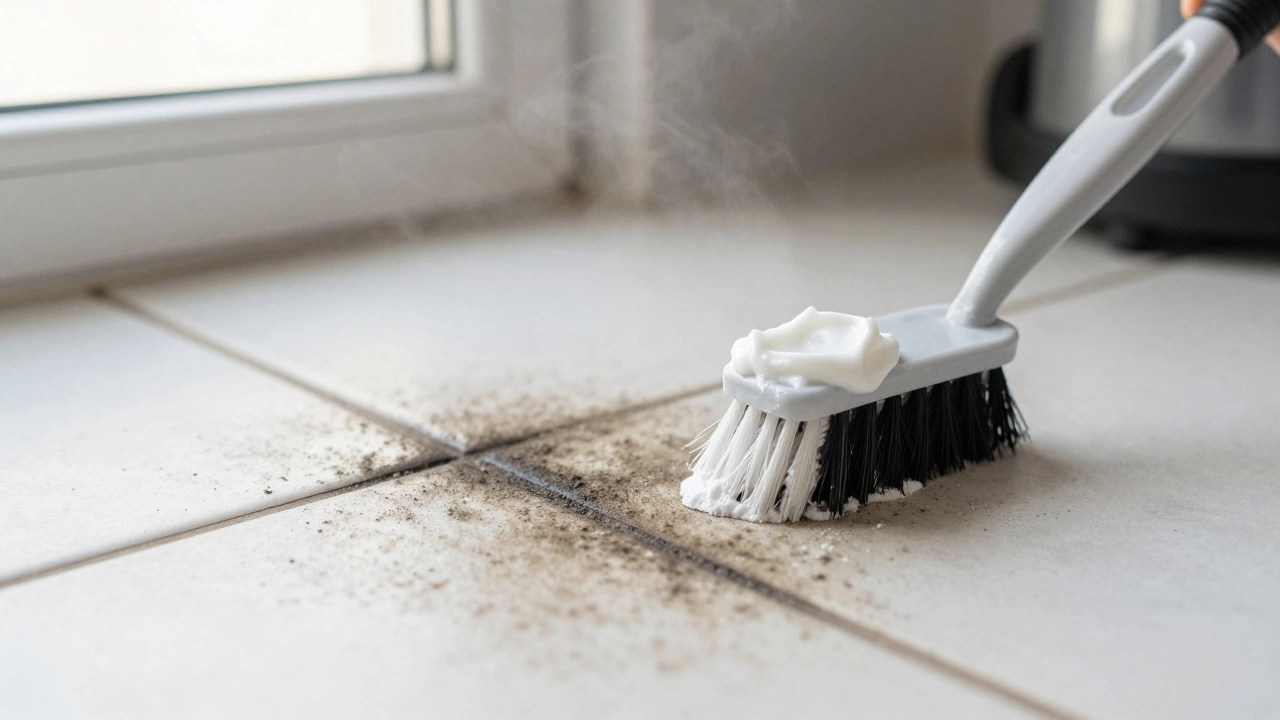
What Is the Hardest Thing to Clean in a House? (And How to Do It the Eco-Friendly Way)
Grout is the hardest thing to clean in a house due to its porous nature and buildup of mold and grease. Learn how to clean it naturally with vinegar, baking soda, and steam-without toxic chemicals.
Read More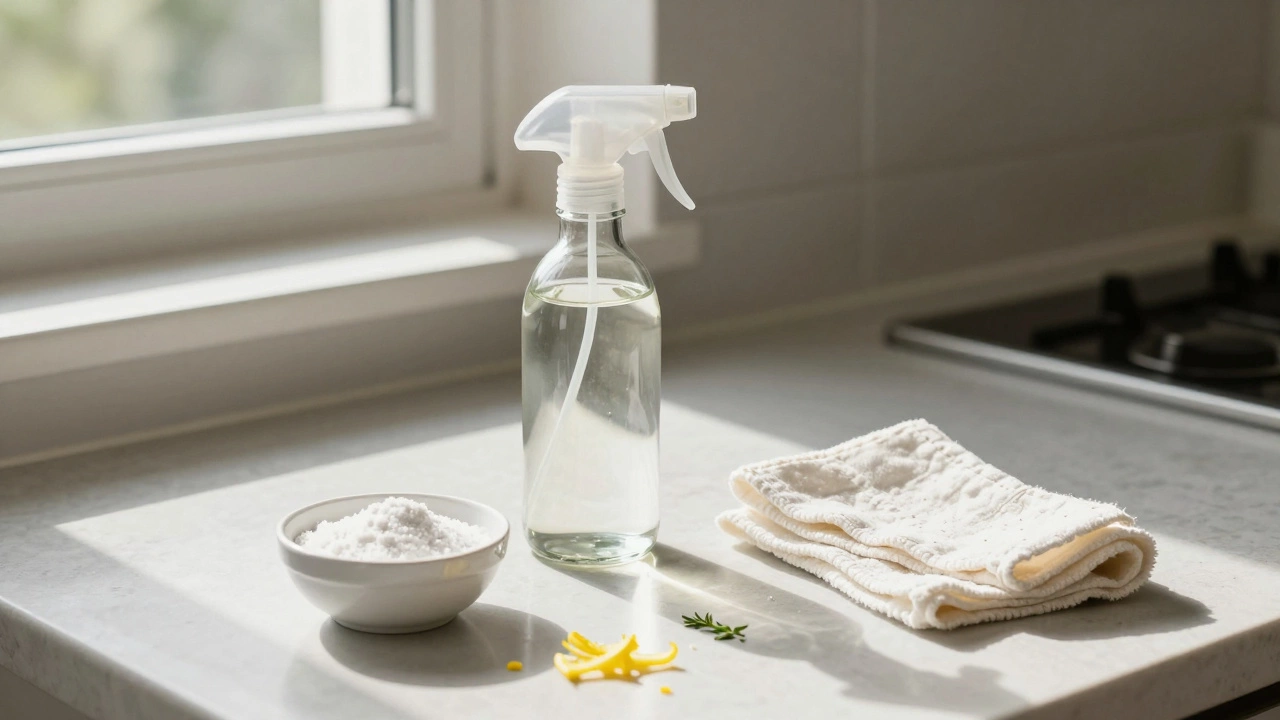
What Does Eco-Friendly Cleaning Mean? Simple Truths About Non-Toxic Home Care
Eco-friendly cleaning means using non-toxic, sustainable methods to clean your home without harming your health or the environment. It’s cheaper, safer, and more effective than you think.
Read More
Is Eco-Friendly the Same as Organic? Clear Differences for Cleaning Products
Eco-friendly and organic cleaning products are not the same. One reduces environmental impact; the other ensures non-toxic, certified ingredients. Learn how to tell them apart and choose what's truly safe for your home.
Read More
Is Bleach Eco-Friendly? Cutting Through the Hype
Bleach shows up in every store's cleaning aisle, but just how safe is it for the planet? This article breaks down what happens when you use bleach, how it affects the environment, and if there are truly eco-friendly bleach alternatives. You'll learn about the science, the potential risks, and smart ways to clean up without harming nature. We've even tossed in tips on greener choices and what to avoid if you want a cleaner, safer home. Get ready to rethink that white plastic jug under your sink.
Read More