Vinegar Safety Checker
Select a surface below to see if white vinegar is safe to use and what you should use instead.
Natural Stone
Marble, GraniteHardwood Floors
Wood FurnitureElectronics
Screens & DevicesRubber Gaskets
Washer/DishwasherCast Iron
CookwareTile Grout
Ceramic Tile LinesLocks
Metal HardwareQuartz
Engineered StoneSurface Name
StatusWhy it's bad:
Explanation goes here.
Safe Alternative:
White vinegar is the star of most eco-friendly cleaning kits. It’s cheap, effective, and smells better than bleach once it dries. But here’s the catch: vinegar is an acid. Specifically, it’s a dilute solution of acetic acid, usually around 5% concentration. While that acidity makes it great for cutting through grease and mineral deposits, it can also eat away at certain materials if you aren’t careful.
You might have heard that vinegar cleans everything. That’s a myth. Using it on the wrong surfaces doesn’t just fail to clean; it causes permanent damage. You could end up with etched stone, ruined wood finishes, or cloudy glass. Before you spray that bottle of white vinegar on your next mess, check this list of surfaces where it belongs nowhere near.
Natural Stone Countertops and Floors
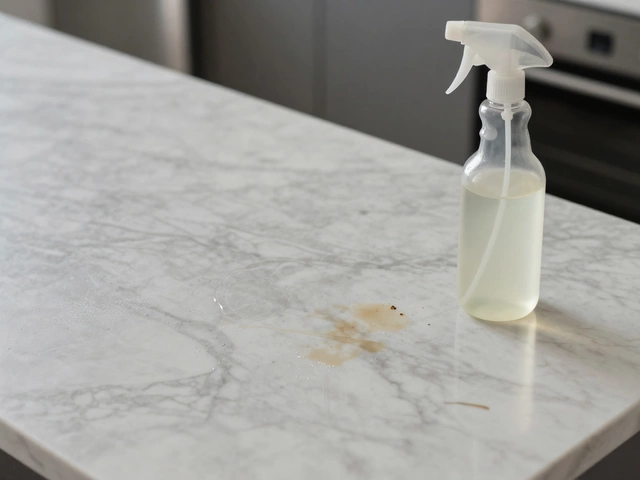
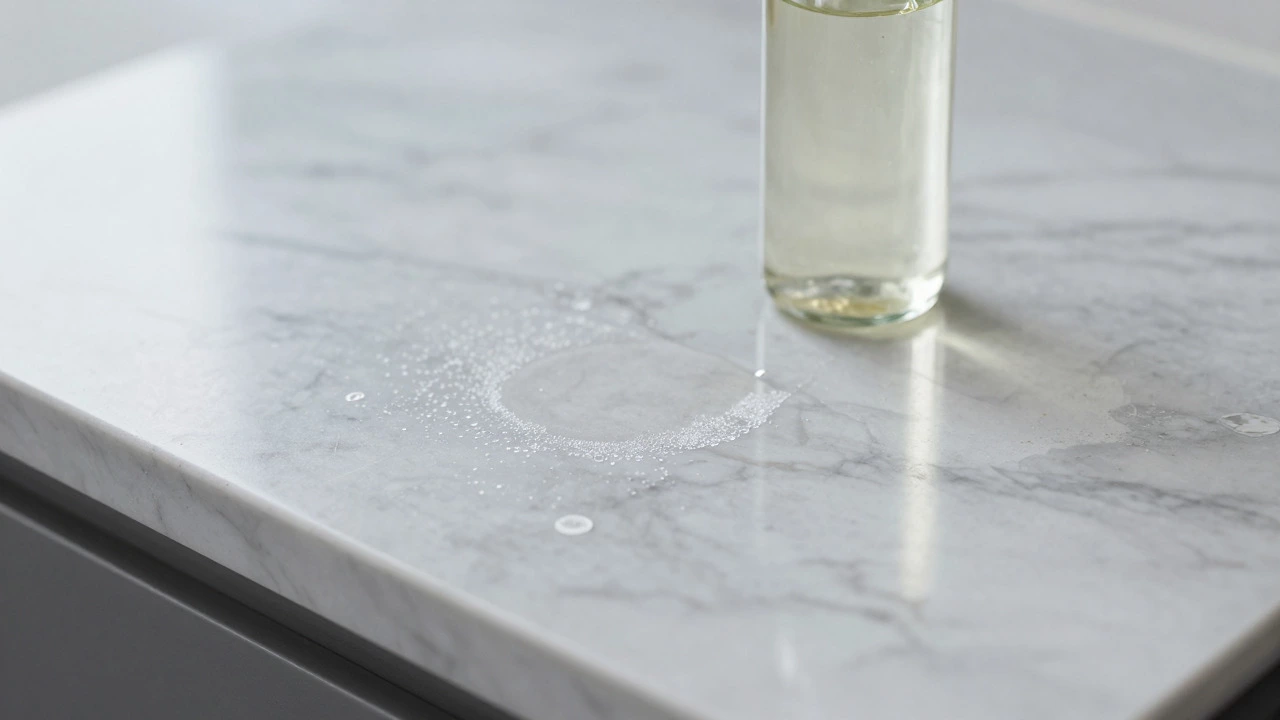
Marble and granite are composed largely of calcium carbonate. When acetic acid hits calcium carbonate, a chemical reaction occurs. This process is called etching. You won’t see a puddle forming, but you will notice dull spots or white marks on the surface after the liquid evaporates. These marks aren’t dirt; they are physical changes to the stone’s structure. Once etched, the shine is gone forever unless you hire a professional to re-polish the entire surface, which is expensive and time-consuming.
Slate is slightly more resistant, but prolonged exposure to vinegar can still degrade the sealant applied to protect it. If your sealant breaks down, water and stains can penetrate deeper into the stone, leading to mold growth or discoloration. For natural stone, stick to pH-neutral cleaners specifically designed for stone surfaces. A simple mix of warm water and a drop of mild dish soap is often safer and just as effective for daily cleaning.
Hardwood Floors and Wood Furniture
Wood floors add warmth to any home, but they are delicate. Most hardwood floors are finished with polyurethane, wax, or oil. Vinegar is too harsh for these finishes. The acid strips away the protective layer over time. You might think you’re cleaning the floor, but you’re actually removing its defense against scratches and moisture.
If you use vinegar regularly on wooden floors, you’ll notice the finish becoming hazy or cloudy. In severe cases, the wood itself can warp or swell if the vinegar seeps into cracks between the planks. Warped wood is nearly impossible to fix without replacing the boards. For wood furniture, the same rule applies. Wiping down a dining table with a vinegar solution might leave streaks and strip the varnish, leaving the wood vulnerable to water rings and heat damage.
Instead of vinegar, use a cleaner made specifically for wood floors. Many manufacturers recommend products that contain no ammonia or vinegar. If you want a DIY option, mix one cup of olive oil with two cups of lemon juice (not vinegar) and a little water. The oil conditions the wood while the mild acidity of lemon cuts grime without stripping the finish.
Electronics and Screens
We spend hours staring at screens-TVs, monitors, tablets, and smartphones. Keeping them clean is important, but vinegar is a risky choice. The acid in vinegar can break down the anti-reflective coatings found on most modern screens. These coatings are thin layers designed to reduce glare and improve viewing angles. Once damaged, they peel or bubble, creating permanent visual distractions.
Beyond the coating, vinegar is a liquid. If you spray it directly onto a screen, it can drip into the edges. Electronics hate moisture. Liquid inside a device can short-circuit components, leading to costly repairs or total failure. Even microfiber cloths dampened with vinegar can leave behind residue that attracts dust faster than before.
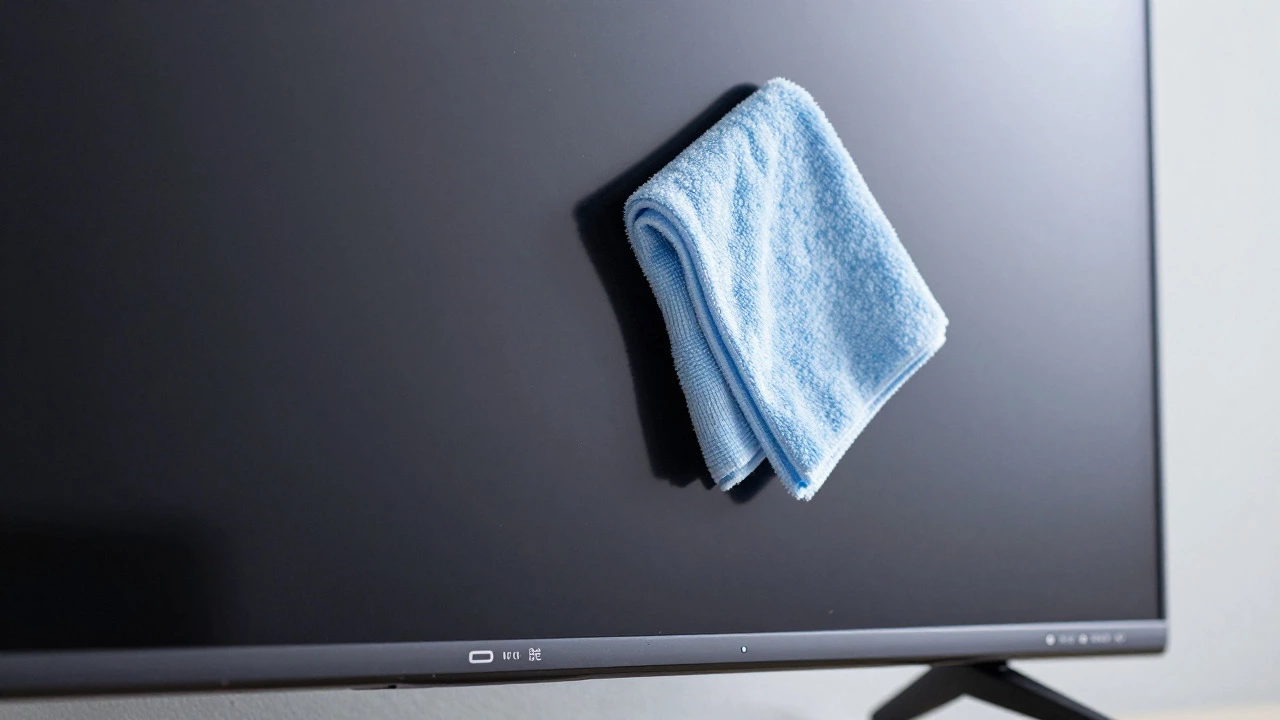
The safest way to clean screens is with a dry microfiber cloth. For tougher smudges, use a small amount of distilled water. Distilled water lacks minerals that can leave spots. Avoid paper towels, which scratch screens, and steer clear of household cleaners containing alcohol or ammonia, which also strip coatings.
Rubber Gaskets and Seals
Your washing machine and dishwasher rely on rubber gaskets to keep water contained. These seals are critical for preventing leaks. Over time, however, they degrade. Vinegar accelerates this degradation. The acetic acid dries out the rubber, causing it to crack and lose elasticity. Cracked seals mean water leaks onto your floor, potentially damaging cabinets and flooring.
This isn’t just about old machines. Even new appliances can suffer from frequent vinegar exposure. If you run a monthly cycle with vinegar to descale your dishwasher, you might be trading mineral buildup for rubber rot. Manufacturers often warn against using acidic cleaners on rubber parts for this reason.
To clean rubber seals, use a soft brush and soapy water. For mold or mildew, a paste of baking soda and water works well. Baking soda is abrasive enough to scrub away grime but gentle enough not to harm rubber. Rinse thoroughly and dry the seals completely to prevent future mold growth.
Cast Iron Cookware
Cast iron skillets are beloved by chefs for their heat retention and non-stick properties when properly seasoned. Seasoning is a layer of polymerized oil that bonds to the metal. It’s what makes cast iron non-stick. Vinegar destroys this seasoning. Because it’s acidic, it breaks down the polymerized oils, leaving the bare metal exposed. Without seasoning, food sticks, and the pan rusts quickly.
Some people suggest soaking cast iron in vinegar to remove rust. While this works for heavy rust removal, it’s a last-resort method. After soaking, you must completely dry the pan and re-season it from scratch. For routine cleaning, hot water and a stiff brush are sufficient. If food is stuck, use coarse salt as an abrasive. Avoid soap if you’re worried about stripping seasoning, though modern mild soaps are generally safe for well-seasoned pans.
Ceramic Tile Grout
Vinegar is often recommended for cleaning tile because it dissolves soap scum and hard water stains. But there’s a downside: it can erode grout over time. Grout is a cement-based material, similar to concrete. Like concrete, it’s sensitive to acids. Repeated use of vinegar weakens the grout lines, making them crumbly and prone to cracking.
Cracked grout allows water to seep behind tiles, leading to mold growth and loose tiles. If you have large-format tiles with wide grout lines, this risk is higher. For occasional deep cleaning, vinegar is okay, but don’t make it a weekly habit. Instead, use a dedicated grout cleaner or a mixture of baking soda and hydrogen peroxide. This combo lifts stains without compromising the structural integrity of the grout.
Locks and Metal Hardware
Vinegar shines copper and brass, but it’s bad for locks. Lock mechanisms have tiny moving parts that need lubrication. Vinegar acts as a solvent, stripping away existing lubricants. It can also cause corrosion in some metals, especially if the lock contains zinc or aluminum components. A corroded lock is a security risk. You don’t want to be locked out of your house because you tried to clean the handle.
For metal hardware, use a dry cloth for dust and a damp cloth for dirt. If you need to polish brass or copper, use a commercial metal polish or a paste of lemon juice and salt (used sparingly). Always dry metal surfaces immediately after cleaning to prevent water spots and rust.
Comparison Table: Safe vs. Unsafe Surfaces
| Surface Type | Why Vinegar is Bad | Safe Alternative |
|---|---|---|
| Natural Stone (Marble, Granite) | Causes etching due to acid reaction with calcium carbonate | pH-neutral stone cleaner or mild soap and water |
| Hardwood Floors | Strips protective finish, causes warping | Wood-specific floor cleaner or diluted olive oil mix |
| Electronics/Screens | Damages anti-reflective coatings, risks short circuits | Dry microfiber cloth or distilled water |
| Rubber Gaskets | Dries out rubber, causes cracking and leaks | Baking soda paste or soapy water |
| Cast Iron | Strips seasoning, leads to rust | Hot water, stiff brush, coarse salt |
| Grout | Erodes cement-based material over time | Baking soda and hydrogen peroxide |
Frequently Asked Questions
Can I use white vinegar on quartz countertops?
No, you should avoid using white vinegar on quartz countertops. Although quartz is engineered stone and more durable than marble, the resin binder used in quartz can be damaged by strong acids like vinegar. Prolonged exposure can dull the surface and void warranties. Stick to mild dish soap and water for quartz.
Is diluted vinegar safer for wood floors?
Diluting vinegar reduces its strength, but it doesn’t eliminate the risk. Even a 1:10 ratio of vinegar to water can gradually strip the finish off wood floors. It’s better to use cleaners formulated for wood, which maintain the pH balance needed to protect the sealant.
What happens if I mix vinegar with bleach?
Never mix vinegar with bleach. The combination creates chlorine gas, a toxic substance that can cause respiratory problems, eye irritation, and even death in high concentrations. Always rinse surfaces thoroughly with water before switching between different cleaning agents.
Can I use vinegar to clean my stainless steel sink?
Yes, vinegar is generally safe for stainless steel sinks. It helps remove water spots and light stains. However, rinse the sink well afterward to prevent any lingering acidity. For best results, wipe with the grain of the steel to avoid streaks.
Does vinegar kill bacteria effectively?
Vinegar has some antimicrobial properties, but it is not a registered disinfectant. It kills some bacteria and mold spores, but not all pathogens like salmonella or E. coli. For true disinfection, especially after handling raw meat or during illness, use an EPA-registered disinfectant or a bleach solution.