Homemade Cleaner Surface Compatibility Checker
Select a surface above to reveal its recommended cleaning solutions.
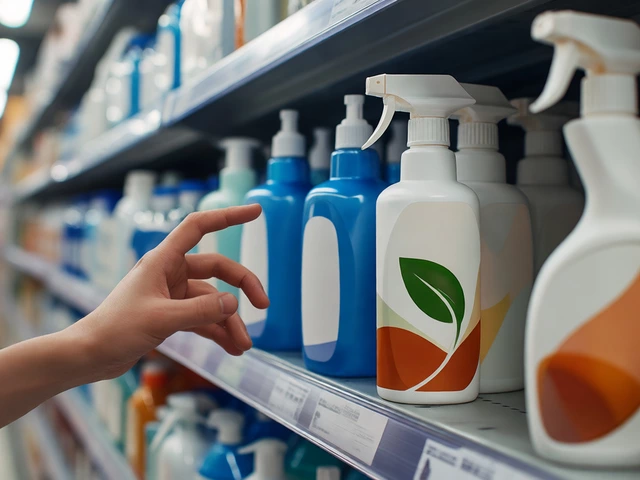
Commercial cleaning products often promise a sparkle that never quite arrives, leaving you with harsh chemical smells and plastic waste. If you are tired of reading labels full of unpronounceable ingredients, it is time to look at what you already have in your kitchen. The best homemade cleaning solutions rely on simple, affordable ingredients that tackle grease, grime, and odors without the toxic residue. You do not need a chemistry degree to make these; you just need a few basic tools and a willingness to try something different.
This guide breaks down the most effective DIY recipes for every room in your house. We will cover how to mix them safely, where they work best, and when you should probably stick to store-bought options. By the end, you will know exactly which mixture to use for your bathroom tiles versus your wooden floors, ensuring you get a clean home without the environmental cost.
The Core Ingredients: What You Need
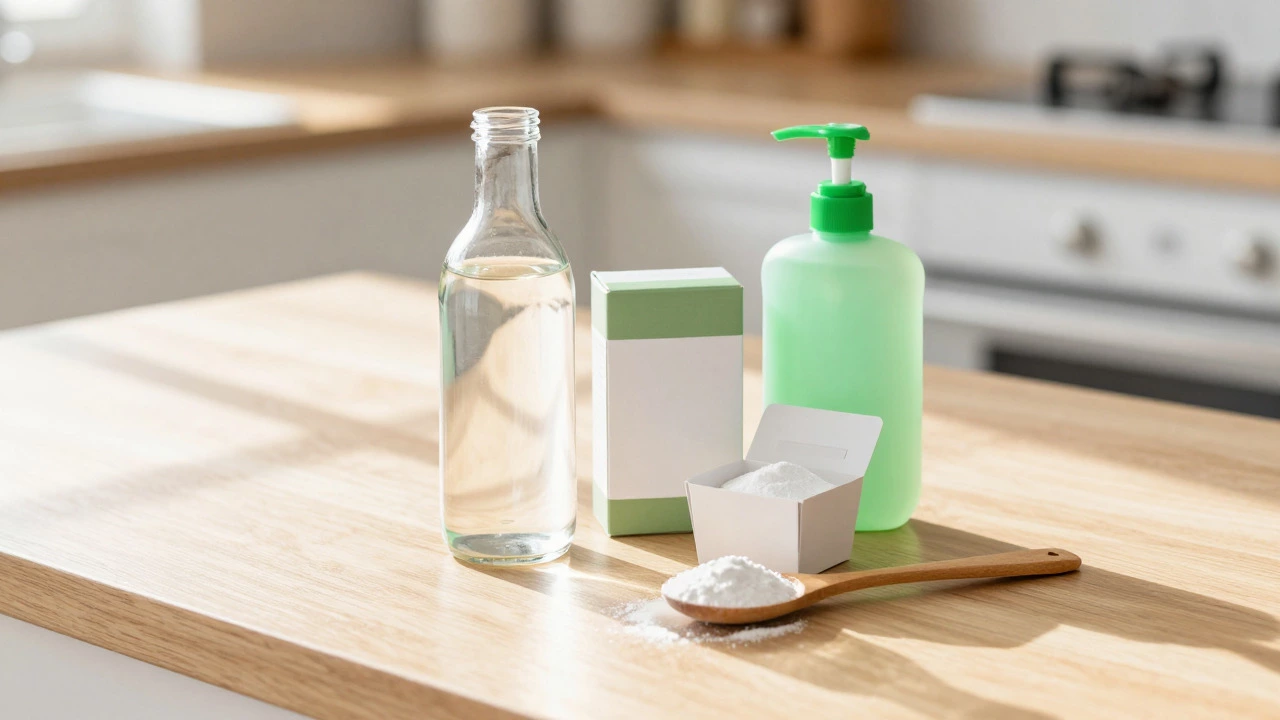
Before you start mixing, let’s talk about the heavy hitters. Most effective natural cleaners come from just three main components. Understanding their roles helps you customize your own blends for specific jobs.
- White Vinegar is a mild acetic acid solution that cuts through grease, dissolves mineral deposits, and kills many types of bacteria. It is the backbone of most all-purpose cleaners. Use distilled white vinegar, not apple cider vinegar, as the latter can leave colored stains on light surfaces.
- Baking Soda is sodium bicarbonate, a gentle abrasive that neutralizes acids and lifts dirt from porous surfaces. It works wonders for scrubbing sinks and removing odors from carpets.
- Castile Soap is a plant-based liquid soap made from olive oil or coconut oil, free from synthetic detergents. It adds degreasing power to water-based solutions and helps them cling to vertical surfaces like windows.
You also need spray bottles. Reuse old commercial cleaner containers after washing them thoroughly, or buy reusable glass sprayers. Glass is preferable because vinegar can degrade certain plastics over time, though high-quality HDPE plastic is generally safe for short-term storage.
All-Purpose Cleaner: The Daily Driver
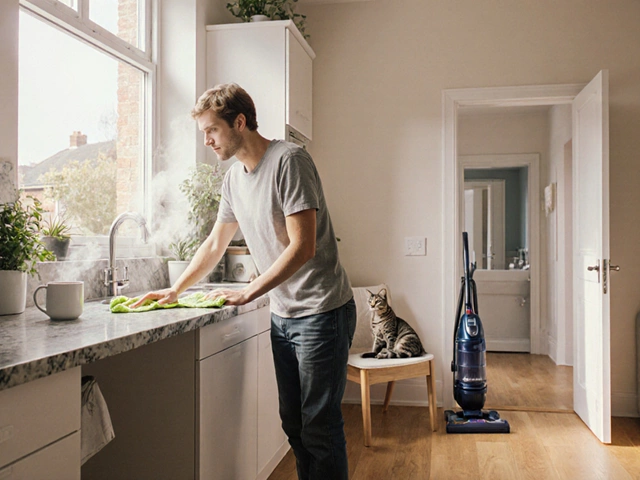
This is the solution you will reach for ten times out of ten. It handles countertops, tables, bathroom fixtures, and general dust. The ratio here is critical: too much vinegar smells overpowering, while too little won’t cut through sticky spills.
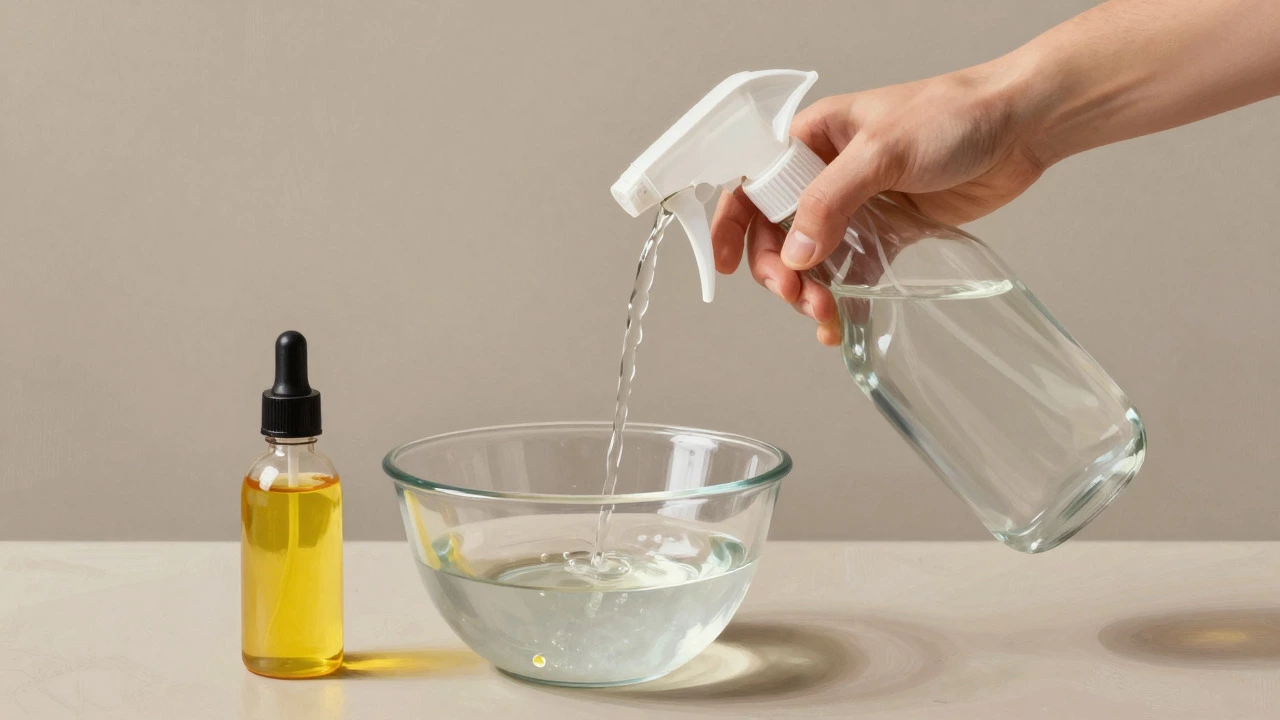
- Mix equal parts distilled water and white vinegar in a spray bottle.
- Add 10-15 drops of essential oil (lemon or tea tree work well) for scent and extra antibacterial properties.
- Shake gently before each use.
Why this works: The acetic acid in the vinegar breaks down the molecular bonds of dirt and grease, while the water dilutes the acidity to protect sensitive surfaces. This mixture is safe for stainless steel, glass, and sealed stone, but avoid using it on natural marble or granite, as the acid can etch the surface over time.
Heavy-Duty Scrub: Sinks, Tubs, and Ovens
Sometimes a spray isn’t enough. When dealing with baked-on grease in the oven or soap scum in the shower, you need mechanical action. This is where baking soda shines.
| Ingredient Mix | Best For | Avoid On |
|---|---|---|
| Baking Soda + Water Paste | Oven racks, sink drains, tile grout | Fine porcelain (can scratch if rubbed hard) |
| Vinegar + Baking Soda Spray | Drain clogs, fresh coffee spills | Sealed wood floors (moisture risk) |
| Castile Soap + Warm Water | Greasy stovetops, greasy hoods | Natural stone (soap residue buildup) |
To make the paste, mix one part baking soda with a small amount of water until it forms a thick consistency. Apply it directly to the dirty area and let it sit for 15-20 minutes. For ovens, you can sprinkle dry baking soda directly onto the bottom of the pan, add a splash of water, and heat the oven to its lowest setting for an hour. The heat activates the cleaning power, turning the grease into a sludge that wipes away easily.
Glass and Mirror Shine Without Streaks
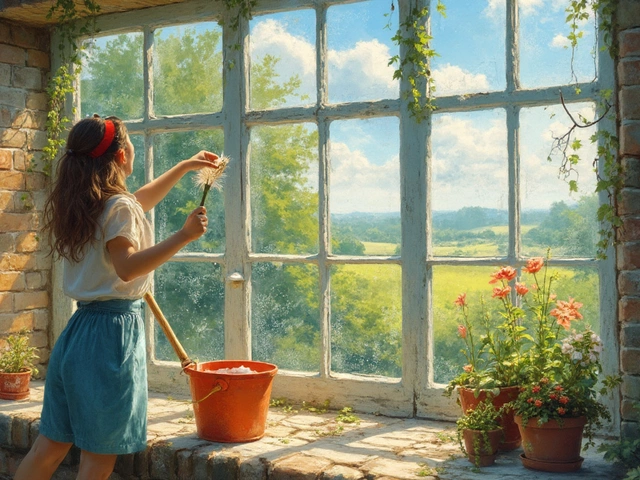
Nothing feels worse than cleaning a window only to find rainbow streaks across the pane. Commercial glass cleaners often contain ammonia, which evaporates quickly but leaves residues. A homemade version gives you a crystal-clear finish.
Combine two cups of warm water, one cup of rubbing alcohol (isopropyl alcohol), and one tablespoon of white vinegar in a spray bottle. The alcohol helps the solution evaporate faster, preventing water spots, while the vinegar cuts through film. Use a microfiber cloth-never paper towels, which shed lint and scratch glass. Spray lightly, wipe in an S-motion, and buff with a dry section of the cloth.
Carpet and Upholstery Deodorizer
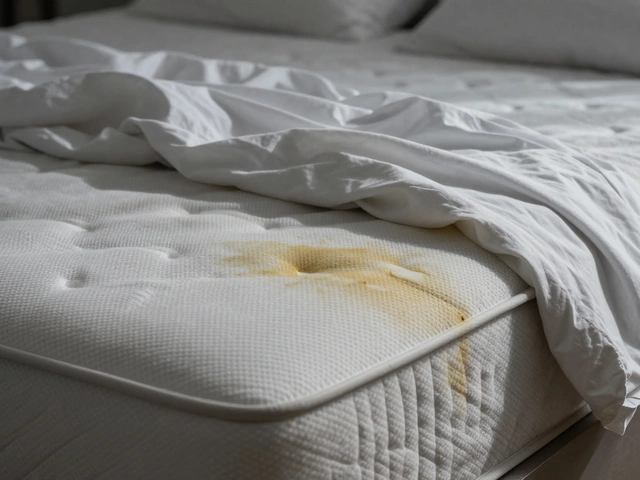
Pets, kids, and food spills leave behind odors that regular vacuuming can’t remove. Instead of buying expensive enzymatic cleaners, you can make a dry deodorizer that absorbs smells at the source.
Take one cup of baking soda and add 10-15 drops of lavender or citrus essential oil. Stir well and pour into a shaker jar. Sprinkle generously over carpets, rugs, and upholstery. Let it sit for at least 30 minutes (or overnight for deep odors) so the baking soda can absorb moisture and odor molecules. Vacuum thoroughly. This method is particularly effective for pet accidents, provided the stain itself has been blotted first.
When to Avoid DIY: Safety First
While natural ingredients are safer, they are not magic. There are specific scenarios where homemade solutions might fail or cause damage.
- Natural Stone: As mentioned, avoid vinegar on marble, limestone, or travertine. Use plain water with a drop of pH-neutral Castile soap instead.
- Wood Floors: Excess moisture is the enemy. Do not soak wood floors with vinegar-water solutions. Damp mop only, and ensure the floor dries quickly. Wax or polyurethane finishes can be damaged by acidic cleaners over time.
- Mixed Chemicals: Never mix vinegar with bleach. While both are common household items, combining them creates chlorine gas, which is toxic. Always rinse surfaces between switching product types.
If you are tackling mold in a damp basement, hydrogen peroxide (3% concentration) is a better choice than vinegar. Pour it into a spray bottle and apply directly to the affected area. Let it bubble for ten minutes, then wipe clean. It kills mold spores effectively without leaving behind harmful fumes.
Tips for Long-Lasting Results
Consistency beats intensity. Rather than doing a deep clean once a month, use these solutions daily for maintenance tasks. Wipe down counters after cooking, spot-clean spills immediately, and run the glass cleaner weekly. This prevents buildup, making the occasional deep clean much easier.
Label your bottles clearly. Even if you remember the recipe today, future-you might forget whether that cloudy liquid is vinegar-water or soap-water. Include the date of mixing, especially if you add essential oils, which can degrade over several months.
Frequently Asked Questions
Is vinegar safe for all surfaces?
No. Vinegar is acidic and should be avoided on natural stone like marble and granite, as well as waxed wood. It is safe for stainless steel, glass, ceramic tile, and sealed countertops.
Can I mix baking soda and vinegar together?
Yes, but be careful. They react to create carbon dioxide bubbles, which helps lift dirt. However, once the reaction stops, you are left with salt water. For best results, apply baking soda first, let it sit, then spray vinegar to activate the fizz. Do not pre-mix them in a closed container as the pressure can build up.
What is the best essential oil for cleaning?
Tea tree oil has strong antifungal and antibacterial properties, making it great for bathrooms. Lemon oil adds a fresh scent and helps cut grease, ideal for kitchens. Lavender is calming and good for bedrooms or living areas.
Do homemade cleaners kill germs?
Vinegar kills up to 80% of bacteria and 99% of mold spores. However, it is not a registered disinfectant like bleach. For high-touch areas like door handles during flu season, you may still want to use a hospital-grade disinfectant or 70% isopropyl alcohol for guaranteed germ reduction.
How long do these solutions last?
Simple vinegar and water mixes can last indefinitely if stored properly. Mixes containing essential oils or Castile soap should be used within 6-12 months. Shake the bottle before use, as natural ingredients can separate over time.