Stains, sweat, dust mites, and that weird smell that won’t go away-your mattress takes a beating. And when you’re tired of tossing and turning on a grimy surface, you might wonder: can I use vinegar to clean my mattress? The short answer? Yes, but only if you do it right. Vinegar isn’t magic, and it’s not a one-size-fits-all fix. But used correctly, it’s one of the safest, cheapest, and most effective ways to tackle odors and light stains without harsh chemicals.
Why Vinegar Works on Mattresses
White distilled vinegar is about 5% acetic acid. That’s enough to break down organic gunk-like body oils, dead skin cells, and urine residue-without damaging most mattress fabrics. It also kills mold spores and neutralizes odors by changing the pH of the environment where bacteria thrive. Unlike commercial sprays loaded with synthetic fragrances, vinegar doesn’t mask smells; it removes them at the source.Here’s the catch: vinegar won’t lift deep-set stains like blood or ink. It also won’t dry a soaked mattress faster than air. But for everyday odors, sweat buildup, and light yellowing? It’s a solid first step.
How to Clean Your Mattress With Vinegar (Step by Step)
You’ll need:
- White distilled vinegar (not apple cider or balsamic)
- Distilled water
- A spray bottle
- White cloths or paper towels
- Baking soda
- A vacuum cleaner with upholstery attachment
Step 1: Strip and vacuum
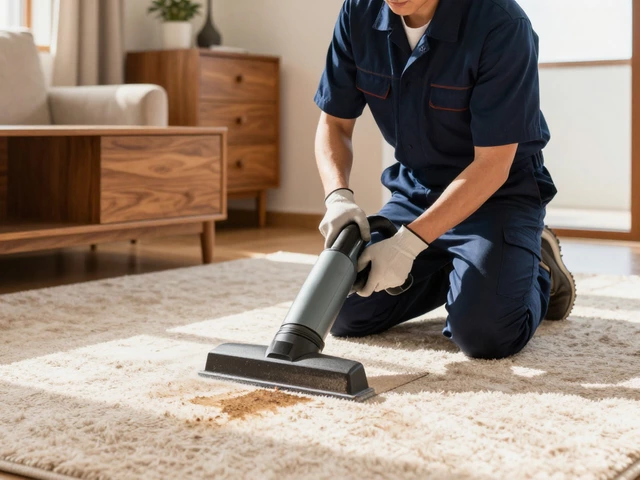
Remove all bedding. Vacuum the entire surface-top, sides, and seams-using the upholstery tool. This pulls out dust, hair, and dead skin that vinegar alone can’t touch. Do this every month to keep things manageable.
Step 2: Mix the solution
Combine equal parts white vinegar and distilled water in a spray bottle. Don’t skip the water. Straight vinegar is too strong. It can discolor fabric over time and leave a sticky residue if not rinsed properly.
Step 3: Spot-test first
Spray a tiny amount on an inconspicuous spot-like the corner near the edge. Wait 10 minutes. If the fabric changes color or feels stiff, stop. Some memory foam covers and satin finishes react poorly to acid.
Step 4: Treat stains and odors
For light stains or general odor: Lightly mist the affected area. Don’t soak it. You want damp, not dripping. Let it sit for 15-20 minutes. Blot with a clean, dry cloth. Repeat if needed. Never rub. Rubbing pushes the stain deeper.
For stronger smells-like pet accidents or sweat buildup-spray the area, then sprinkle baking soda over it. Let it sit for at least 4 hours, or overnight if you can. The baking soda absorbs moisture and odors while the vinegar breaks down the source. Vacuum thoroughly afterward.
Step 5: Dry completely
This is the most important step. A damp mattress invites mold and dust mites. Open windows. Use a fan. Run a dehumidifier if you have one. Wait at least 6-8 hours before putting sheets back on. If you’re in a humid climate like Sheffield, give it 12 hours. Don’t rush this.
What Vinegar Won’t Fix
Vinegar is great for surface-level cleaning, but it has limits:
- Deep stains (blood, ink, wine): Vinegar won’t lift these. You’ll need enzyme cleaners for biological stains or professional help.
- Water damage: If your mattress is soaked from a leak or spill, vinegar won’t save it. Mold can grow inside the foam layers. Replacement is safer.
- Heavy allergen buildup: If you have severe allergies, vinegar removes surface dust, but not embedded allergens. Consider a mattress encasement and steam cleaning instead.
- Memory foam cores: Never spray vinegar directly onto the foam core. Only treat the cover. Moisture can break down the foam’s structure over time.

Alternatives to Vinegar
If vinegar isn’t your thing-or your mattress reacts badly-here are other safe options:
- Baking soda alone: Sprinkle generously, wait 2-4 hours, vacuum. Great for odor control. No wetting needed.
- Hydrogen peroxide (3%) + dish soap: Mix 1 part peroxide, 1 part water, 1 tsp dish soap. Use for fresh blood or sweat stains. Test first. Avoid on dark fabrics.
- Enzyme cleaners: Brands like Nature’s Miracle or Biokleen Bac-Out break down organic matter at the molecular level. Ideal for pet accidents or incontinence.
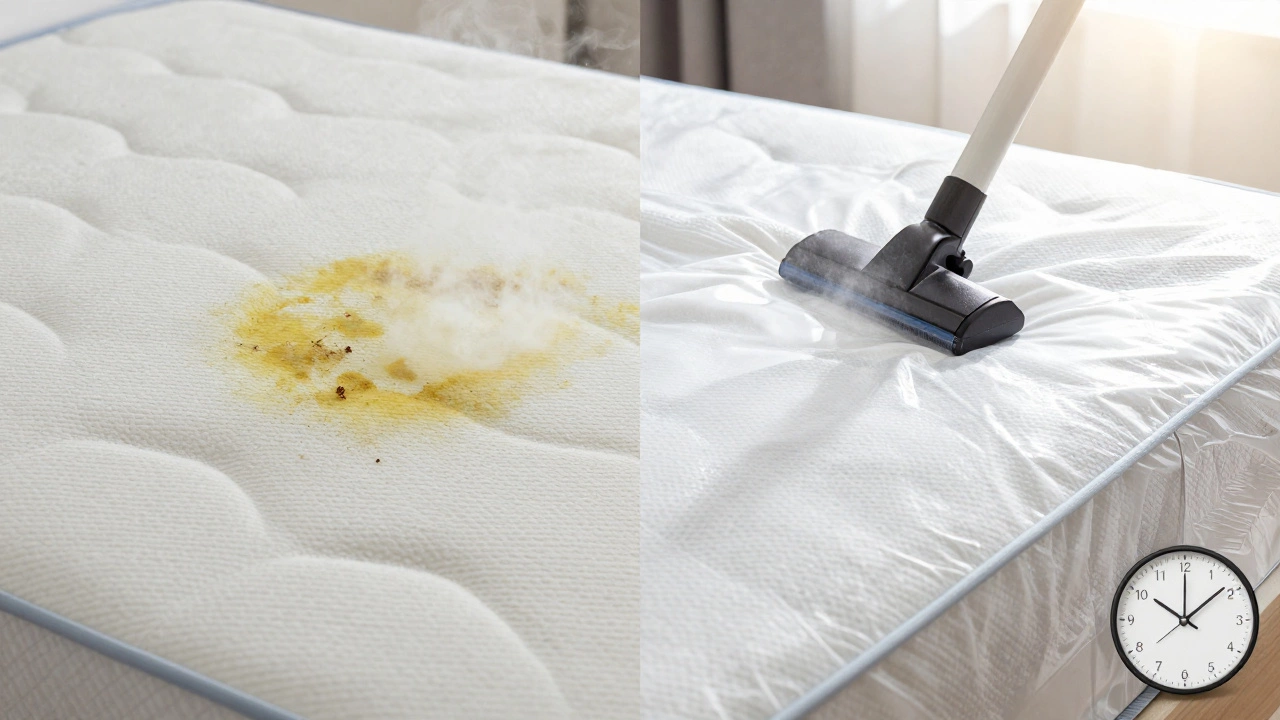
- Steam cleaning: Rent a portable steamer. The heat kills dust mites and bacteria. Only use on removable covers or if your mattress is labeled steam-safe.
How Often Should You Clean Your Mattress?
Most people clean their mattress once or twice a year. But if you:
- Sweat heavily at night
- Have pets that sleep on the bed
- Use the bed for snacks or work
- Live in a humid area
-then clean it every 3-4 months. Vacuuming monthly cuts down on buildup and makes deep cleaning easier.
Myths About Vinegar and Mattresses
Let’s clear up some misinformation:
- Myth: Vinegar leaves a bad smell. Truth: The vinegar smell fades in 1-2 hours. If it lingers, you used too much or didn’t dry properly.
- Myth: Vinegar damages memory foam. Truth: Only if you soak it. Light misting on the cover? Safe.
- Myth: You need essential oils to make it smell nice. Truth: Adding oils can clog fabric pores and attract dust. Stick to plain vinegar and baking soda.
- Myth: Vinegar replaces professional cleaning. Truth: For deep cleaning or medical-grade sanitation, hire a pro. Vinegar is for maintenance.
When to Replace Your Mattress
No cleaning method can fix a mattress that’s past its prime. Signs it’s time to replace it:
- Sagging or lumps you can’t flatten
- Visible mold or mildew inside the seams
- More than 7-8 years old
- Allergies or skin irritation that won’t go away
- Waking up with aches you didn’t have before
Even the best cleaning won’t restore lost support. A good mattress lasts 7-10 years. After that, it’s not just dirty-it’s broken.
Prevention Is Easier Than Cleaning
The easiest way to keep your mattress clean? Stop the mess before it starts.
- Use a washable, waterproof mattress protector. Wash it every 2 weeks.
- Don’t eat or drink in bed.
- Shower before bed if you sweat a lot.
- Rotate your mattress every 3-6 months.
- Keep pets off the bed if possible.
These small habits cut cleaning time in half-and keep your sleep space healthier.
Can I use apple cider vinegar to clean my mattress?
No. Apple cider vinegar has color, sugars, and other compounds that can stain fabric and leave residue. Always use white distilled vinegar-it’s clear, pure, and designed for cleaning.
Will vinegar ruin my memory foam mattress?
Not if you only spray the cover and don’t soak it. Memory foam cores are sensitive to moisture. Always treat the top layer, not the inside. If you’re unsure, check the manufacturer’s care label.
How long should I let vinegar sit on the mattress?
15 to 20 minutes is enough for odors and light stains. If you’re using baking soda with vinegar, let it sit overnight. Never leave vinegar wet for more than 24 hours-mold can grow in damp foam.
Can I use vinegar and baking soda together?
Yes, and it’s one of the best natural combos. Spray vinegar first, then sprinkle baking soda on top. The fizzing helps lift odors. Wait 4-12 hours, then vacuum thoroughly. This works better than either alone.
Why does my mattress still smell after using vinegar?
If the odor remains, the source is likely deep inside the mattress-like urine soaked into the foam or mold growing in the core. Vinegar only cleans the surface. You may need an enzyme cleaner, steam cleaning, or a new mattress. Persistent smells often mean the mattress is beyond repair.
Final Thoughts
Using vinegar to clean your mattress isn’t just a hack-it’s a smart, affordable habit. It’s not perfect, but for most people, it’s the best balance of safety, effectiveness, and cost. Skip the chemical sprays. Skip the expensive steam cleaners. Just grab vinegar, water, baking soda, and a vacuum. Do it right, and your mattress will last longer, smell fresher, and help you sleep better.
And if you’re still unsure? Test it on a small spot first. If it works, great. If not, try baking soda alone. Your mattress won’t thank you for overdoing it-but it will thank you for doing it right.