Vinegar Surface Safety Checker
Not sure if you can clean that countertop or floor with vinegar? Select the surface below to see if it's a match or a mistake.
Select a surface above to see recommendations.
You probably have a bottle of white distilled vinegar sitting in your kitchen cupboard right now. You likely use it for pickling onions or dressing a salad. But is this acidic liquid actually a good cleaner, or is it just an old wives' tale that makes your house smell like chips?
The short answer: yes, but not for everything. Vinegar is a powerhouse for specific tasks and a disaster for others. Using it incorrectly can damage surfaces, waste time, and leave streaks. This guide cuts through the noise to tell you exactly when to reach for the jug and when to put it back on the shelf.
What Is Vinegar Actually Doing?
To understand if vinegar works, you need to know what it is chemically. Most household cleaning vinegar is a solution of water and acetic acid, usually at a concentration of 5% to 6%. Some industrial strengths go up to 10%, but those are rare in homes.
Acetic acid breaks down mineral deposits, dissolves soap scum, and cuts through grease. It also lowers the pH level of surfaces, creating an environment where many bacteria struggle to survive. However, it is not a universal sterilizer. It doesn't kill every germ, and it certainly doesn't work by magic. It works because chemistry favors acid against alkaline residues like limescale and hard water stains.
| Cleaner Type | Best For | Risk Factor | Eco Impact |
|---|---|---|---|
| Vinegar (5%) | Limescale, glass, mild grease | Damages stone & wax | Low |
| Bleach | Disinfecting bathrooms | Fumes, skin irritation | Medium |
| Baking Soda | Abrasives, deodorizing | Leaves residue | Low |
| All-Purpose Spray | General surface wiping | Chemical buildup | Variable |
Where Vinegar Shines
If you want to see vinegar earn its keep, start with hard water areas. In Sheffield, our water is notoriously hard. That means kettles, showerheads, and taps get coated in calcium carbonate-the chalky white stuff that looks like dried milk. Vinegar dissolves this instantly.
- Kettles: Fill half with water, half with vinegar. Boil, let sit for an hour, then rinse. Your kettle will look new.
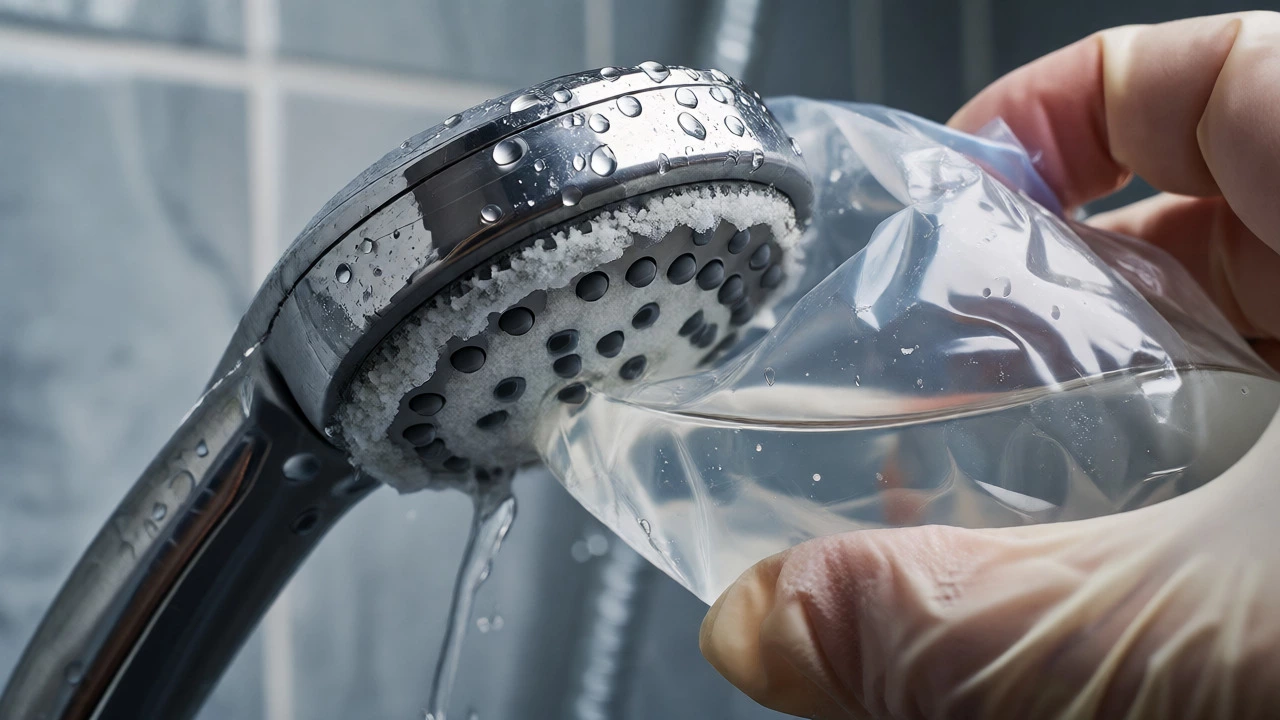
- Showerheads: Remove the head and soak it in a bag of vinegar overnight. The mineral crust falls off.
- Glass and Mirrors: A mix of equal parts water and vinegar in a spray bottle cleans windows without leaving the streaks common with commercial sprays containing alcohol or ammonia.
- Washing Machine: Run an empty hot cycle with two cups of vinegar. It clears detergent buildup and eliminates musty smells from the drum seals.
Vinegar is also excellent for removing adhesive residue. Got a sticker on a jar? Soak it in vinegar for ten minutes. The glue loosens, and you can scrape it off without scrubbing until your arm hurts.
The Big Mistakes: Where Vinegar Fails
This is where most people mess up. Because vinegar is acidic, it reacts badly with certain materials. If you use it on the wrong surface, you aren't cleaning; you're etching.
Natural Stone: Granite, marble, and limestone are porous and sensitive to acid. If you wipe a granite countertop with vinegar, you strip away the sealant and dull the finish. Over time, you'll see permanent cloudy spots. Use a pH-neutral cleaner instead.
Hardwood Floors: Never mop sealed hardwood floors with straight vinegar. The acid can break down the polyurethane finish, making the wood look matte and tired. Even diluted vinegar can seep into seams and warp the planks over time. Stick to damp mopping with water or a dedicated wood cleaner.
Electronic Screens: Phone and TV screens often have anti-glare coatings. Vinegar can degrade these coatings, leading to smudges that won't come out. Use a microfiber cloth slightly dampened with water only.
Waxed Surfaces: If you have vintage furniture or copper pots protected by wax, vinegar will strip the wax layer right off. You'll be left with a bare, unprotected surface that oxidizes quickly.
Does Vinegar Disinfect?
Here is the controversial part. Many blogs claim vinegar kills 99% of bacteria. Let's be precise. According to the Environmental Protection Agency (EPA) in the US and similar bodies in the UK, standard household vinegar is not registered as a disinfectant. It is a cleaner.
There is a difference. A cleaner removes dirt and grime. A disinfectant kills pathogens. Vinegar does kill some bacteria, including E. coli and Salmonella, if left on the surface for at least 30 seconds. But it struggles against tougher viruses like norovirus or influenza compared to bleach or alcohol-based sanitizers.
So, should you stop using it in the bathroom? No. Use vinegar to clean the toilet bowl and sink. Then, if you want true disinfection, follow up with a proper disinfectant spray or a bleach solution. Don't rely on vinegar alone during flu season or if someone in the house has been ill.
The Smell Problem (And How to Fix It)
Let's address the elephant in the room: the smell. Yes, your house will smell like a chip shop for about twenty minutes after cleaning. For some, this is a dealbreaker. But here is the thing-vinegar odor is volatile. It evaporates. Unlike perfumed cleaners that mask odors with synthetic fragrances, vinegar takes the bad smells with it as it dries.
If you hate the scent, try these tricks:
- Add Citrus: Infuse your vinegar with lemon peels or orange rinds. Let them steep for two weeks in a jar. The citrus oils cut the sharp acetic smell and add a fresh note.
- Dilute Properly: A 50/50 mix is strong. Try a 1:4 ratio (one part vinegar, four parts water). It still cleans well but smells less aggressive.
- Ventilate: Open a window while you clean. Cross-ventilation clears the air faster than waiting for it to dissipate naturally.
Interestingly, once the vinegar dries, the smell disappears completely. If your house still smells like vinegar hours later, you used too much or didn't rinse properly.
Vinegar vs. Baking Soda: The Dynamic Duo
You've seen the viral videos mixing baking soda and vinegar. They fizz, they bubble, it looks like science class. Does it clean better? Not necessarily.
When you mix sodium bicarbonate (baking soda) and acetic acid (vinegar), they neutralize each other. You end up with water, carbon dioxide gas, and sodium acetate. The fizzing action helps lift debris mechanically, which is great for unclogging drains or lifting stuck-on food in ovens. But the resulting liquid is mostly saltwater, which isn't a strong cleaner on its own.
Use them sequentially, not simultaneously, for best results. Sprinkle baking soda on a greasy oven tray. Spray vinegar over it. Let the reaction loosen the grime. Then scrub. The abrasive nature of the baking soda combined with the initial acid attack of the vinegar is powerful. But don't expect the final mixture to magically dissolve everything.
How to Make Your Own All-Purpose Spray
You don't need expensive branded eco-cleaners. Making your own costs pennies. Here is a recipe that works for most non-stone surfaces:
- 1 cup white distilled vinegar
- 1 cup water
- 10 drops of essential oil (optional, for scent)
Mix in a spray bottle. Shake before use. This works on laminate countertops, stainless steel appliances, ceramic tiles, and painted walls. Test it on a hidden spot first if you are unsure about your paint finish.
For heavier grease, skip the water. Use full-strength vinegar. Spray directly onto the stovetop, let it sit for five minutes, then wipe with a warm, damp cloth. The heat from the stove helps the acid penetrate the grease layers.
Final Verdict: Should You Switch?
Is vinegar a good cleaner? Absolutely, provided you respect its limits. It is cheap, effective, biodegradable, and safe around kids and pets once dry. It replaces dozens of single-use plastic bottles of chemical-heavy sprays.
But it is not a miracle worker. Keep a small bottle of disinfectant for high-touch areas like door handles and light switches. Avoid it on stone and wood. And remember, cleaning is about physical removal of dirt as much as chemical action. Vinegar gives you the chemical edge; your elbow grease provides the rest.
If you haven't tried it yet, buy a cheap jug next time you're at the supermarket. Start with your kettle and windows. See how they shine. You might find yourself tossing out half the products under your sink.
Can I use apple cider vinegar for cleaning?
You can, but it is not recommended for most surfaces. Apple cider vinegar contains sugars and pigments that can leave sticky residues or yellow stains on light-colored surfaces. White distilled vinegar is clear and sugar-free, making it superior for cleaning glass, mirrors, and countertops.
Will vinegar kill mold?
Yes, undiluted white vinegar kills about 82% of mold species. Spray it directly on the moldy area, let it sit for an hour, then scrub with a brush. Rinse with water and dry thoroughly. It is safer than bleach for porous surfaces like grout because bleach often fails to penetrate deep into the pores, whereas vinegar can reach the roots.
Is vinegar safe for septic tanks?
Generally, yes. Small amounts of vinegar used for regular household cleaning do not harm the bacterial balance in a septic tank. However, avoid dumping large quantities of highly concentrated industrial-strength vinegar regularly, as extreme pH changes could temporarily disrupt the microbial ecosystem needed for waste breakdown.
Why does my floor feel sticky after using vinegar?
This usually happens if you used too much vinegar or didn't dilute it enough. Alternatively, you might be cleaning over old soap residue that wasn't fully rinsed away. Always use a well-diluted solution (1 part vinegar to 4 parts water) and ensure you wring out your mop so the floor is damp, not soaking wet.
Can I mix vinegar with bleach?
Never mix vinegar and bleach. Combining acetic acid with sodium hypochlorite (bleach) produces chlorine gas, which is toxic and can cause respiratory distress, coughing, and burning eyes. Always rinse surfaces thoroughly between using different chemicals.