Spring Cleaning 2026 Planner
Progress Tracker
Complete tasks by clicking them
Did You Know?
In 2026, spring cleaning focuses more on decluttering and mental well-being than deep scrubbing. Continuous maintenance has replaced the once-a-year marathon.
Digital Decluttering
Eco-Friendly Tasks
Physical Decluttering
Mental Reset
"The goal is a home that works for you. Not a museum. Not a showroom. A place where you can relax, breathe, and live."
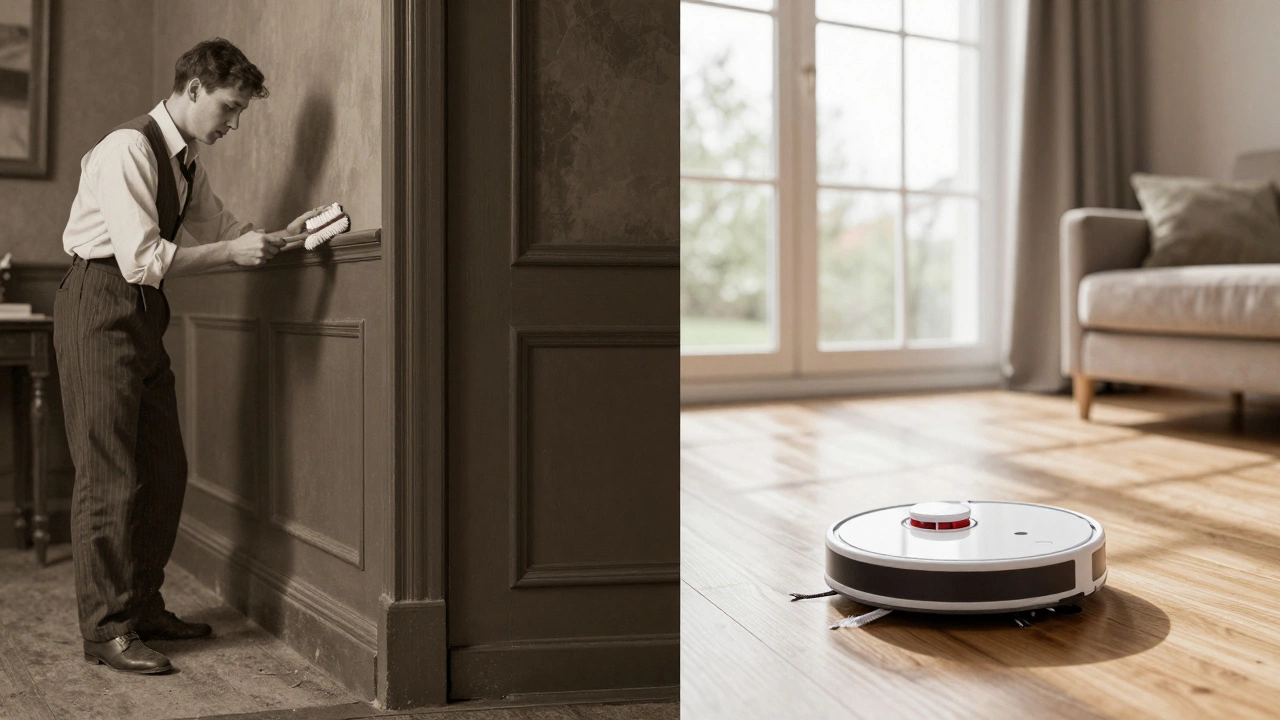
Walk into most homes in the UK right now, and you won't find a single person scrubbing baseboards with a toothbrush while listening to upbeat pop music. The image of spring cleaning is a traditional practice of thoroughly cleaning and organizing one's home during the spring season, dating back centuries to when removing winter grime was essential for health. That tradition is alive, but it has mutated. It’s no longer about hosing down windows on a Saturday morning just because the calendar says April. For many of us in Sheffield and beyond, the question isn't "do we still do it?" but rather "what does it actually look like in 2026?" The answer is messy, digital, and surprisingly sustainable.
The Death of the Traditional Deep Clean
We need to be honest: the old way of doing things is dead. In the past, spring cleaning meant a weekend-long marathon of dusting every curtain rod, polishing brass fixtures, and washing floors by hand. Today, that level of manual labor feels less like a ritual and more like a punishment. With robot vacuums are automated devices that clean floors without human intervention, handling daily maintenance, the urge to manually vacuum an entire house once a year has vanished. Why spend six hours sweeping when your machine does it every night?
This shift isn't laziness; it's efficiency. We’ve moved from event-based cleaning to continuous maintenance. Instead of letting dirt build up over winter so you can blast it away in March, modern households focus on keeping spaces tidy year-round. This means the 'spring clean' is no longer a singular event. It’s a series of smaller, targeted tasks spread out over weeks. You might tackle the garage in April, the kitchen cabinets in May, and the wardrobe in June. The pressure is off, and honestly, that makes the whole process much less stressful.
Decluttering Replaces Dusting
If there is one thing that defines the modern approach to spring cleaning, it’s decluttering. We live in an era of excess stuff. Between online shopping deliveries and years of accumulation, our homes are crowded. So, the primary goal of the seasonal reset has shifted from making things shiny to making space. minimalism is a lifestyle choice focused on living with fewer possessions to reduce stress and increase freedom, which has influenced how we view our belongings.
Think about it. Does your life feel lighter when you throw away broken electronics or donate clothes you haven't worn in two years? Absolutely. That sense of relief is what people are chasing now. I’ve seen friends in Sheffield spend their weekends sorting through boxes of old documents and clearing out junk drawers. They aren’t worried if the skirting boards are perfectly white; they’re worried about finding a place for their new hobby gear. This psychological benefit outweighs the aesthetic one. A clean home feels good, but a clutter-free home feels liberating.
- Digital Decluttering: Deleting old emails, organizing phone photos, and unsubscribing from newsletters is now part of the spring routine.
- Sentimental Sorting: Deciding what keepsake actually matters versus what is just taking up shelf space.
- Furniture Rearrangement: Moving sofas and beds to freshen up the room layout without buying new decor.
The Rise of Eco-Friendly Practices
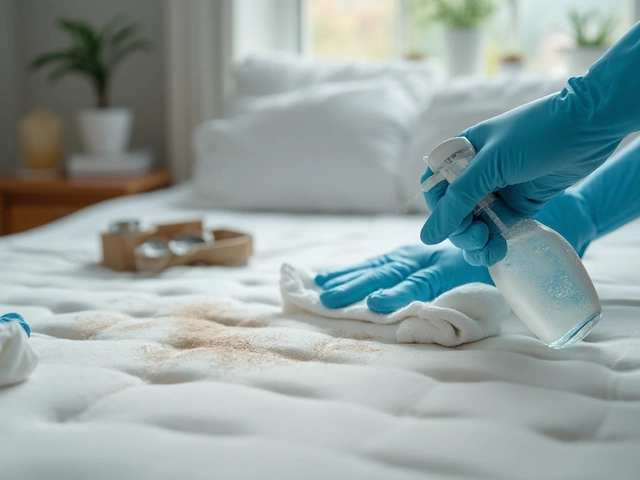
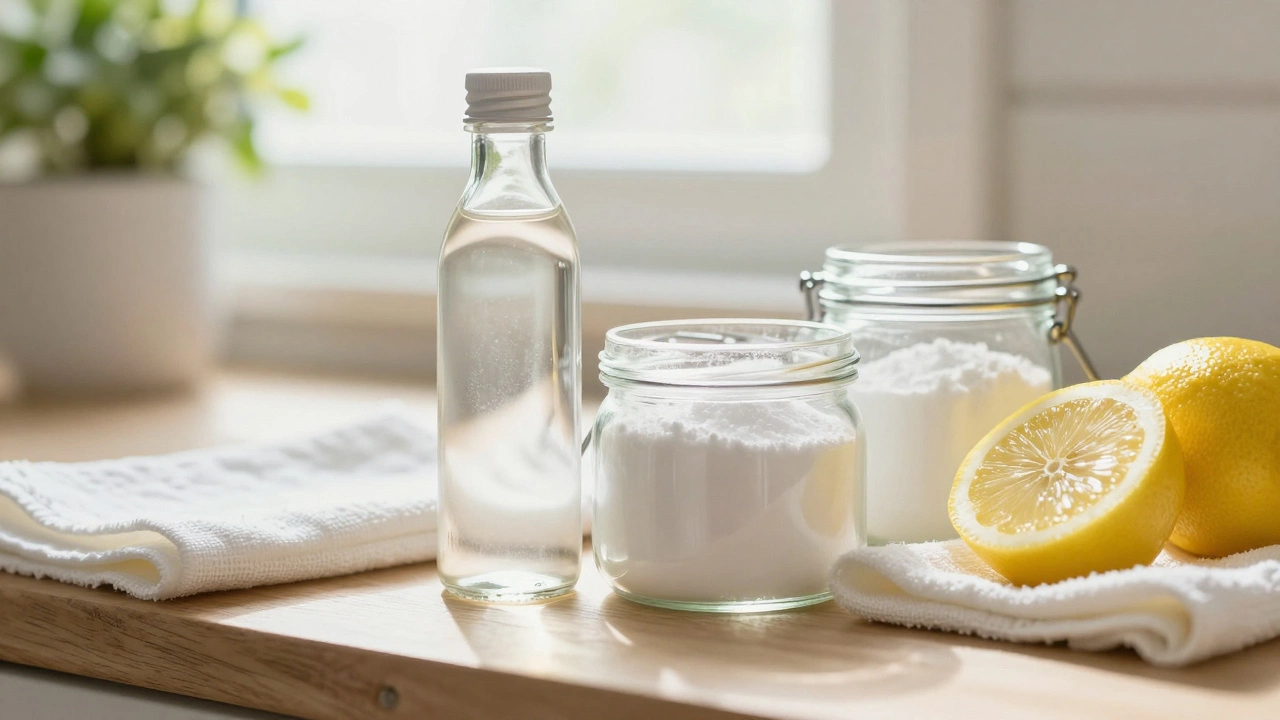
Gone are the days of spraying harsh chemicals everywhere and hoping the fumes clear out by noon. Environmental awareness has changed our cleaning habits significantly. In 2026, using toxic cleaners feels outdated and even irresponsible. Most of us have switched to eco-friendly cleaning products are cleaning solutions made from natural, biodegradable ingredients that are safe for humans and the environment. Vinegar, baking soda, and lemon juice are back in favor, not because they’re cheap, but because they work and don’t pollute our water systems.
This also ties into the concept of sustainability. We’re trying to buy less disposable plastic. Refillable bottles for detergents and concentrated tablets for laundry are becoming standard in British kitchens. When you combine this with the desire to protect indoor air quality, especially for families with young children or pets, the switch to green cleaning becomes obvious. It’s not just about being 'green'; it’s about breathing easier in your own home.
In Sheffield, where green spaces are abundant and community values run high, this trend is particularly strong. Local markets often stock zero-waste cleaning supplies, making it easy to avoid single-use plastics. This cultural shift supports a broader movement towards conscious consumption, where every product purchase is evaluated for its environmental impact.
Technology as a Cleaning Ally
Let’s talk about tech. It’s not just robot vacuums anymore. Smart home devices are changing how we manage household chores. smart appliances are household devices connected to the internet that offer enhanced functionality and automation, such as self-cleaning ovens and washing machines with steam cycles that sanitize clothes without heavy detergent use.
I recently helped a neighbor set up a schedule for her smart washer. She programs it to run during off-peak energy hours, saving money while ensuring her linens are fresh. There are also apps that track maintenance schedules. Instead of guessing when to change the HEPA filter in your air purifier, your phone reminds you. This reduces the mental load of remembering these tasks. It turns cleaning from a chore list into a managed system. For busy professionals juggling work and family, this automation is a lifesaver. It ensures nothing slips through the cracks without requiring constant attention.
| Aspect | Traditional Approach | Modern Approach (2026) |
|---|---|---|
| Frequency | Once a year, intensive | Continuous, light maintenance |
| Focus | Dusting and surface shine | Decluttering and organization |
| Cleaners Used | Harsh chemicals, bleach | Natural, eco-friendly alternatives |
| Tools | Mops, brooms, cloths | Robot vacuums, steam cleaners, smart devices |
| Mental Goal | Aesthetic perfection | Stress reduction and flow |
The Psychological Reset
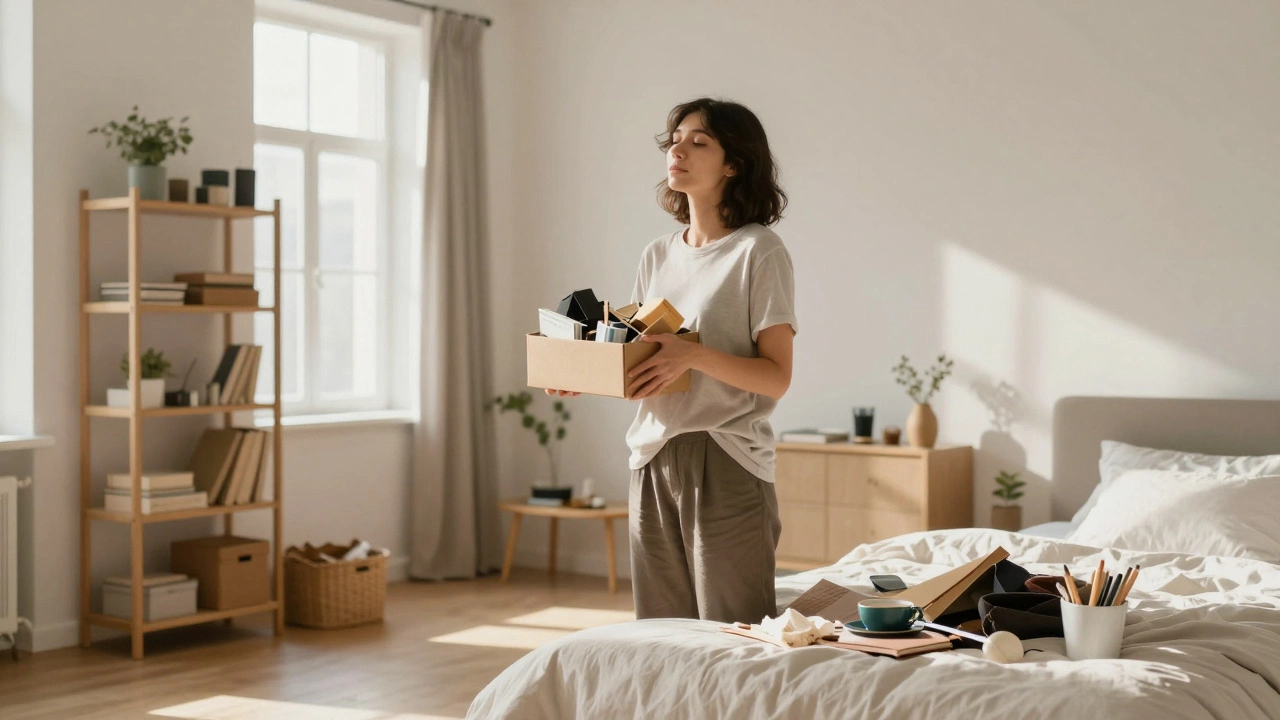
Why do we still bother at all? If robots handle the dust and we clean continuously, why dedicate time to a 'spring' project? Because humans crave rhythm. We need markers in time to signal change. Winter is dark, cold, and often isolating, especially here in the UK. Spring brings light, warmth, and a sense of renewal. Aligning our physical space with this seasonal shift provides a powerful psychological boost.
It’s about resetting your mindset. Clearing out old items symbolizes letting go of past burdens. Organizing your workspace can improve productivity for the months ahead. Even opening the windows to let in fresh air changes the atmosphere of a room. This isn't superstition; it’s behavioral psychology. Our environment affects our mood and behavior. By actively reshaping our surroundings, we take control of our lives. It’s a proactive step towards feeling better, not just looking better.
Many people report feeling more energized after completing their spring projects. This isn't just placebo. Physical activity releases endorphins. Achieving a tangible goal, like organizing a chaotic closet, builds confidence. These small wins accumulate, creating a positive feedback loop that extends beyond the home. You start tackling other areas of life with the same clarity and determination.
Adapting to Your Lifestyle
The best spring cleaning plan is the one you’ll actually finish. Don’t try to emulate someone else’s perfect Pinterest board. Look at your life. Do you work from home? Then prioritize your office setup. Do you have kids? Focus on playroom organization and toy rotation. Are you downsizing? Then decluttering is your main task.
Start small. Pick one room or one drawer. Spend twenty minutes on it. See how it feels. If it feels good, keep going. If it feels overwhelming, stop and try again later. There’s no prize for finishing everything in one day. In fact, burning out leads to quitting. Spread the work out. Make it enjoyable. Put on a podcast, invite a friend to help sort donations, or reward yourself with a nice coffee after each session.
Remember, the goal is a home that works for you. Not a museum. Not a showroom. A place where you can relax, breathe, and live. That’s the real value of spring cleaning in 2026. It’s not about the dust; it’s about the design of your daily life.
Is spring cleaning necessary in 2026?
While not strictly necessary for hygiene due to modern conveniences, spring cleaning remains valuable for psychological well-being and organizational resets. It helps maintain a healthy living environment and provides a structured opportunity to evaluate and improve your home setup.
What are the best eco-friendly cleaning alternatives?
Effective eco-friendly alternatives include white vinegar for glass and surfaces, baking soda for scrubbing, lemon juice for cutting grease, and castile soap for general cleaning. Microfiber cloths and reusable sponges also reduce waste compared to disposable paper towels.
How can I make spring cleaning less stressful?
Break tasks into small, manageable chunks. Focus on one area at a time. Set a timer for short bursts of work followed by breaks. Involve family members to share the load. Prioritize decluttering over deep scrubbing if you're feeling overwhelmed.
Does technology really replace traditional cleaning methods?
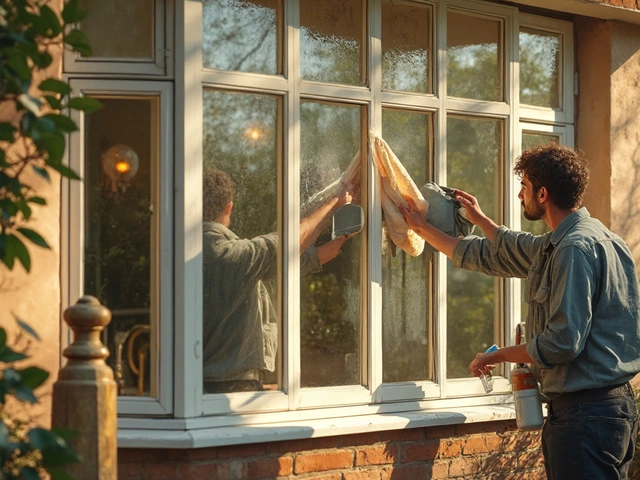
Technology assists significantly but doesn't fully replace human effort. Robot vacuums handle daily floor maintenance, and smart appliances simplify laundry and cooking cleanup. However, detailed tasks like window washing, organizing closets, and sanitizing specific surfaces still require manual attention.
When is the best time to start spring cleaning?
There is no fixed date. Start whenever you feel ready, whether that's late February or early May. The key is consistency. Spreading tasks over several weeks is more effective and less stressful than attempting everything in a single weekend.