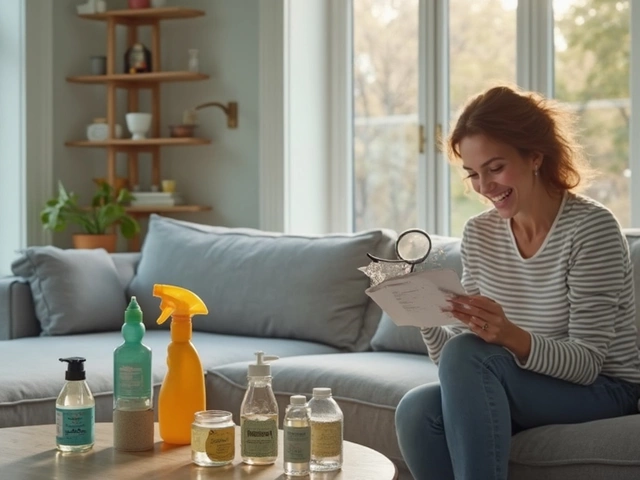
Green Cleaning Recipe Finder
Select the area or type of cleaning you need, and we'll provide a natural, chemical-free recipe.
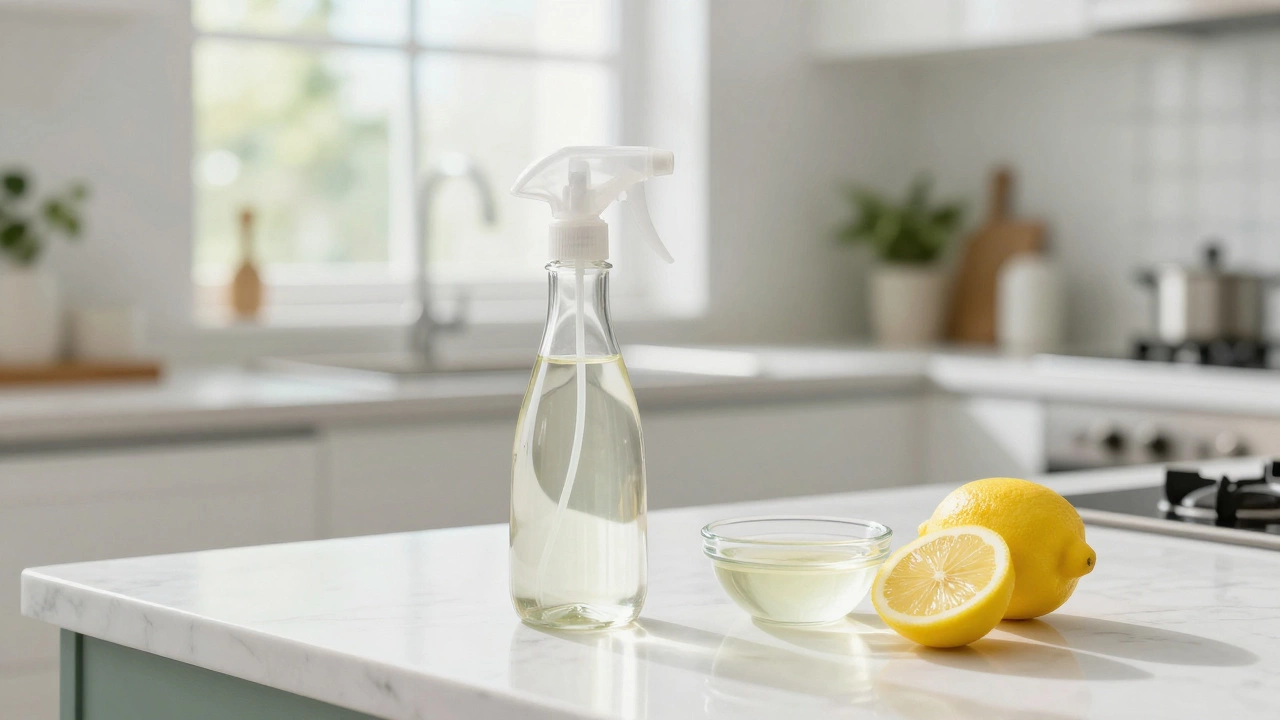
All-Purpose Spray
Ingredients:
- 1 cup Distilled Water
- 1 cup White Vinegar
- 10 drops Essential Oil (Lemon or Tea Tree)
Instructions:
Combine all ingredients in a glass spray bottle. Shake gently before each use.
Quick Wins for a Greener Home
- Swap bleach for distilled white vinegar.
- Replace chemical scrubbers with baking soda.
- Use lemon juice to cut through grease and hard water.
- Ditch plastic sponges for compostable walnut or coconut scrubbers.
- Switch to concentrated refills to reduce plastic bottle waste.
The Heavy Hitters: Natural Ingredients That Actually Work
Why spend twenty dollars on a specialty "citrus-powered" spray when you can find the same active ingredients in your pantry? Most traditional cleaners rely on ammonia or chlorine, which are effective but aggressive. You can get the same results using chemistry that doesn't make you cough.First, let's talk about White Vinegar. This isn't just for salad. It is a diluted form of acetic acid, which makes it a powerhouse for breaking down mineral deposits and killing certain bacteria. If you have a crusty faucet or a cloudy mirror, vinegar is your best friend. Just mix it equal parts with water in a glass bottle, and you have a general-purpose cleaner that costs pennies.
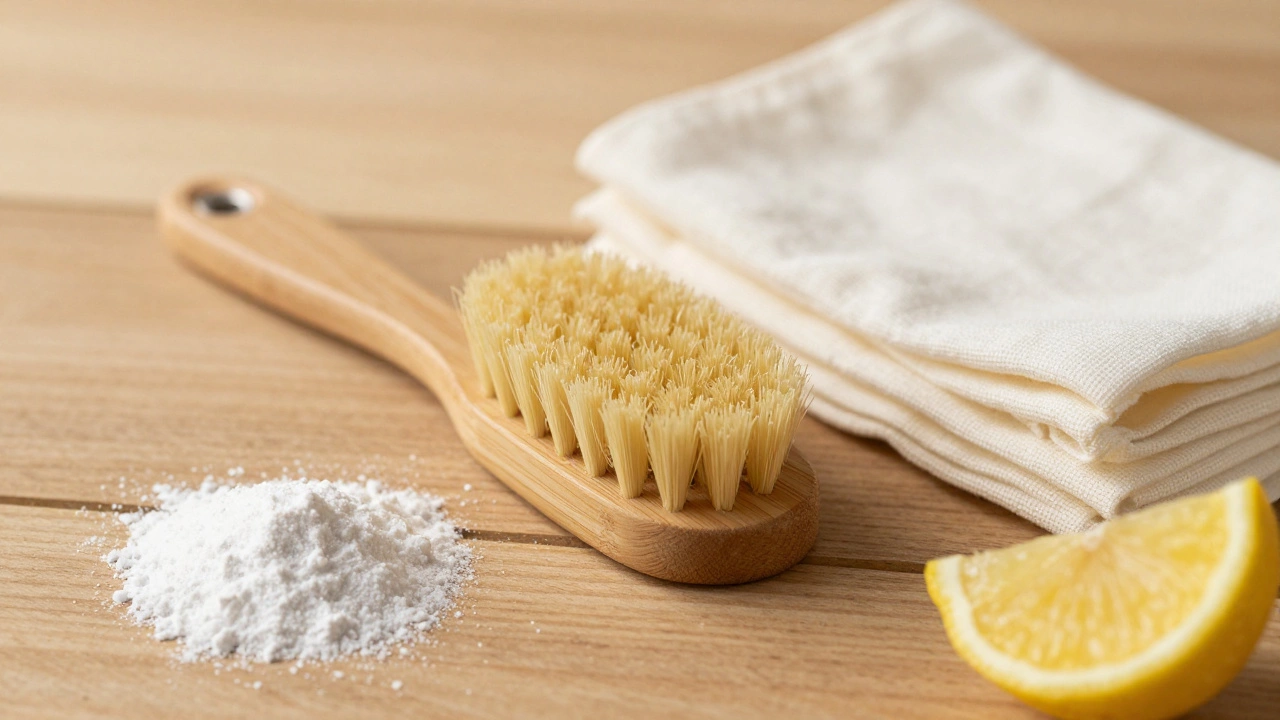
Then there is Baking Soda (sodium bicarbonate). Unlike vinegar, which is an acid, baking soda is a mild alkali. This makes it perfect for absorbing odors and acting as a gentle abrasive. Instead of using a harsh scouring powder that scratches your bathtub, sprinkle some baking soda on a damp sponge. It lifts grime through mechanical action and chemical neutralization without releasing toxins into your bathroom air.
And we can't forget Citric Acid. Found naturally in lemons and limes, this is the gold standard for removing hard water stains and soap scum. If you have a dishwasher that looks cloudy, a bit of citric acid powder can strip away the lime scale better than many commercial descalers.
| Natural Alternative | Traditional Equivalent | Key Benefit | Best Use Case |
|---|---|---|---|
| White Vinegar | Glass Cleaner / Ammonia | Biodegradable, non-toxic | Windows, Mirrors, Descaling |
| Baking Soda | Abrasive Cleansers | Gentle on surfaces | Ovens, Sinks, Odor Removal |
| Castile Soap | Dish Soap / All-Purpose | Plant-based oils | Floors, Dishes, Hands |
| Hydrogen Peroxide | Bleach | Breaks down into water/oxygen | Disinfecting, Grout Whitening |
Upgrading Your Tools: Beyond the Liquid
It is a common mistake to focus only on the liquid in the bottle. If you use an eco-friendly cleaner but scrub it with a plastic sponge that sheds microplastics into the drain, you are only solving half the problem. Most yellow-and-green sponges are made from polyurethane, which is a petroleum product that lasts for centuries in a landfill.Switching to Cellulose Sponges or bamboo brushes is a massive win. Cellulose is derived from wood pulp and is fully compostable. If you need something for heavy-duty scrubbing, look for brushes made from coconut husk or sisal fibers. These are sturdy enough to tackle a burnt pot but won't leave plastic shards in the ocean.
Then there are the cloths. Paper towels are a disaster for the environment-not just because of the waste, but because of the chemicals used to bleach them white. Instead, grab a pack of microfiber cloths or, even better, old cotton T-shirts. Once you move to a reusable system, you'll realize how much money you were literally throwing in the trash every week.
The Truth About "Greenwashing"
Not every bottle with a leaf on it is actually green. This is called greenwashing. Companies often use vague terms like "natural" or "eco-friendly" because those words aren't strictly regulated. You might buy a product that says "Plant-Derived" only to find out it contains Phthalates, which are chemicals used to make fragrances last longer but are linked to endocrine disruption.To avoid the trap, look for third-party certifications. If you see the EcoCert or EPA Safer Choice labels, you can trust the product has been vetted. Also, check the ingredient list. If you can't pronounce half the words or they look like a chemistry project from the 1970s, put it back. Real green cleaners usually have short, transparent ingredient lists.
How to Transition Your Cleaning Routine
You don't have to throw out everything you own today. That would actually be wasteful. The best way to go green is to use up what you have and replace it as you go. Start with the room where you spend the most time-usually the kitchen or bathroom.- The All-Purpose Spray: Mix 1 cup of water, 1 cup of white vinegar, and 10 drops of essential oil (like lemon or tea tree) in a spray bottle. This replaces your glass cleaner and countertop spray.
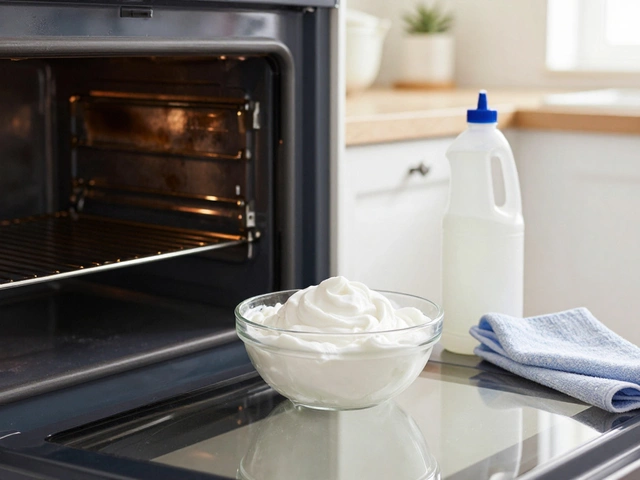
- The Scrubbing Paste: Mix baking soda with a tiny bit of water or castile soap until it reaches a toothpaste consistency. Use this for the tub, the sink, and the oven door.
- The Floor Wash: Use Castile Soap, which is a multipurpose soap made from vegetable oils. A few drops in a bucket of warm water works for wood, tile, and laminate.
- The Disinfectant: Use 3% hydrogen peroxide in a dark spray bottle. It's a great alternative to bleach for killing germs on cutting boards or toilet seats and it doesn't leave toxic fumes.
Common Pitfalls to Avoid
One of the biggest mistakes people make when switching to natural cleaners is mixing vinegar and baking soda in a bottle together. You'll see a cool fizzy reaction, but that's actually the acid and the base neutralizing each other. Once the fizzing stops, you're basically left with salty water. Use them sequentially-baking soda to scrub, then vinegar to rinse-to get the best of both worlds.Another issue is the "natural scent" obsession. Many people buy essential oils to make their cleaners smell like a spa, but some oils can be irritating to pets. For example, tea tree oil and certain citrus oils can be toxic to cats and dogs if used in high concentrations. Always ensure your space is well-ventilated and avoid spraying concentrated oils directly onto surfaces where pets lounge.
The Long-Term Impact of Your Choice
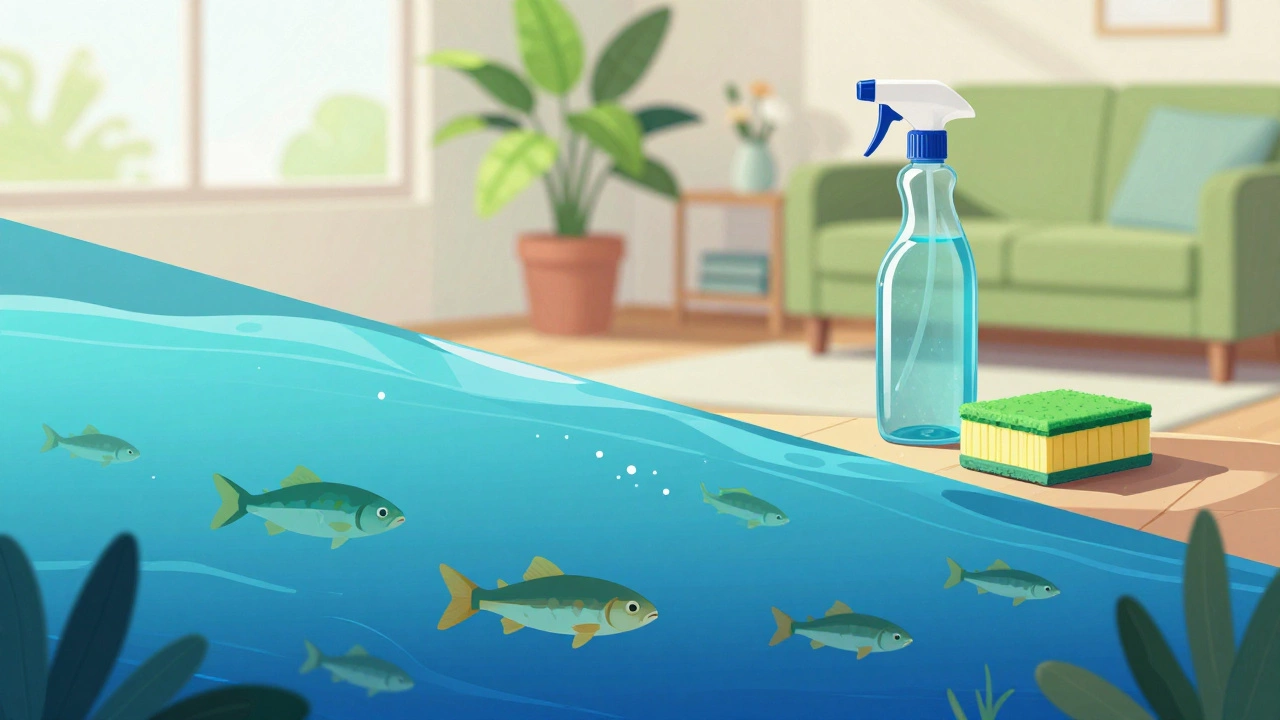
When you choose a greener alternative, you aren't just helping the planet; you're helping your lungs. Traditional cleaners often release Volatile Organic Compounds (VOCs). These are gases that evaporate at room temperature and can cause headaches, dizziness, and long-term respiratory issues. By switching to vinegar and baking soda, you eliminate these invisible pollutants from your indoor air.Think about the water cycle. Every time you flush a chemical cleaner down the drain, it enters the sewage system. While treatment plants catch some of it, many synthetic chemicals slip through and end up in rivers and oceans. These substances can disrupt the hormonal balance of fish and aquatic life. Using biodegradable options means that what goes down your drain is safe for the ecosystem.
Is white vinegar actually strong enough to disinfect?
Vinegar is great for removing grime and inhibiting the growth of many bacteria, but it isn't a hospital-grade disinfectant. It can kill common household germs, but for high-risk areas (like raw chicken spills), you should use 3% hydrogen peroxide or a diluted bleach solution for total sterilization.
Can I use vinegar on all surfaces?
No. Because vinegar is acidic, it can eat away at natural stone. Never use vinegar on granite, marble, or limestone, as it will cause "etching" (permanent dull spots). For those surfaces, stick to a gentle castile soap and water solution.
What is the best alternative to a plastic sponge?
The best options are cellulose sponges, loofah sponges, or coconut fiber scrubbers. These are plant-based and will break down naturally in a compost bin, unlike polyurethane sponges which stay in the environment for hundreds of years.
Are "natural" fragrances in cleaners safe?
Not always. Many "natural" scents are created using phthalates or synthetic musks that are endocrine disruptors. Look for products that use pure essential oils or, better yet, choose fragrance-free versions to avoid these chemicals entirely.
How do I store homemade cleaners so they don't spoil?
Most homemade cleaners like vinegar sprays are shelf-stable. However, if you use hydrogen peroxide, you must keep it in an opaque, dark bottle. Peroxide breaks down into water when exposed to light, making it useless if stored in a clear container.
Next Steps for Your Green Journey
If you are just starting out, don't try to change everything in one afternoon. Start by replacing your most-used product-usually the all-purpose spray. Once you're comfortable with that, look at your sponges and towels. Then, tackle the heavy-duty stuff like oven and toilet cleaners.For those who prefer not to DIY, look for "refill tablets." These are small concentrated cubes of cleaner that you drop into a reusable glass bottle filled with tap water. This removes the need to ship heavy water across the country in plastic bottles, drastically cutting the carbon footprint of your shopping trip. It's a simple shift that makes a huge difference over a year.