Grout Cleaning Eco-Friendly Calculator
Find Your Perfect Natural Cleaning Solution
Get a customized recommendation based on your tile type and grout condition.
Your Natural Cleaning Solution
Prevention Tip
Important Warning
The hardest thing to clean in a house isn’t the dirty floor or the dusty shelves. It’s the grout between your tiles. Not because it’s big or obvious, but because it’s porous, hidden, and traps grease, mold, soap scum, and dirt like a sponge soaked in years of neglect. You scrub it with a brush, it looks better for a day, then it turns dark again. And if you’re using harsh chemical cleaners, you’re not just fighting dirt-you’re breathing in toxins and polluting your water system.
Why Grout Is the Worst Culprit
Grout is made of cement and sand. It’s designed to hold tiles in place, not to stay clean. Its tiny pores soak up water, oils, and bacteria. In bathrooms, it collects body oils, shampoo residue, and mildew spores. In kitchens, it traps cooking grease and food particles. Over time, this builds up into a black, sticky layer that looks like it’s part of the tile.
Most people try bleach to fix it. But bleach doesn’t kill mold deep in the grout-it just bleaches the surface. The mold roots stay alive and come back in days. Plus, bleach reacts with ammonia in urine (yes, even in homes without pets) to create toxic chloramine gas. And when it washes down the drain, it harms aquatic life.
Studies from the Environmental Protection Agency show that indoor mold exposure contributes to respiratory issues in over 4.6 million U.S. households annually. And grout is one of the top breeding grounds.
The Eco-Friendly Solution: Vinegar, Baking Soda, and Steam
You don’t need store-bought grout cleaners. You already have everything you need in your pantry.
- White vinegar (5% acidity) breaks down mineral deposits and kills 82% of mold species, according to the Journal of Applied Microbiology.
- Baking soda acts as a gentle abrasive that scrubs without scratching.
- Steam cleaners reach 212°F-hot enough to kill mold, bacteria, and dust mites without chemicals.
Here’s how to do it:
- Remove loose dirt with a dry brush or vacuum.
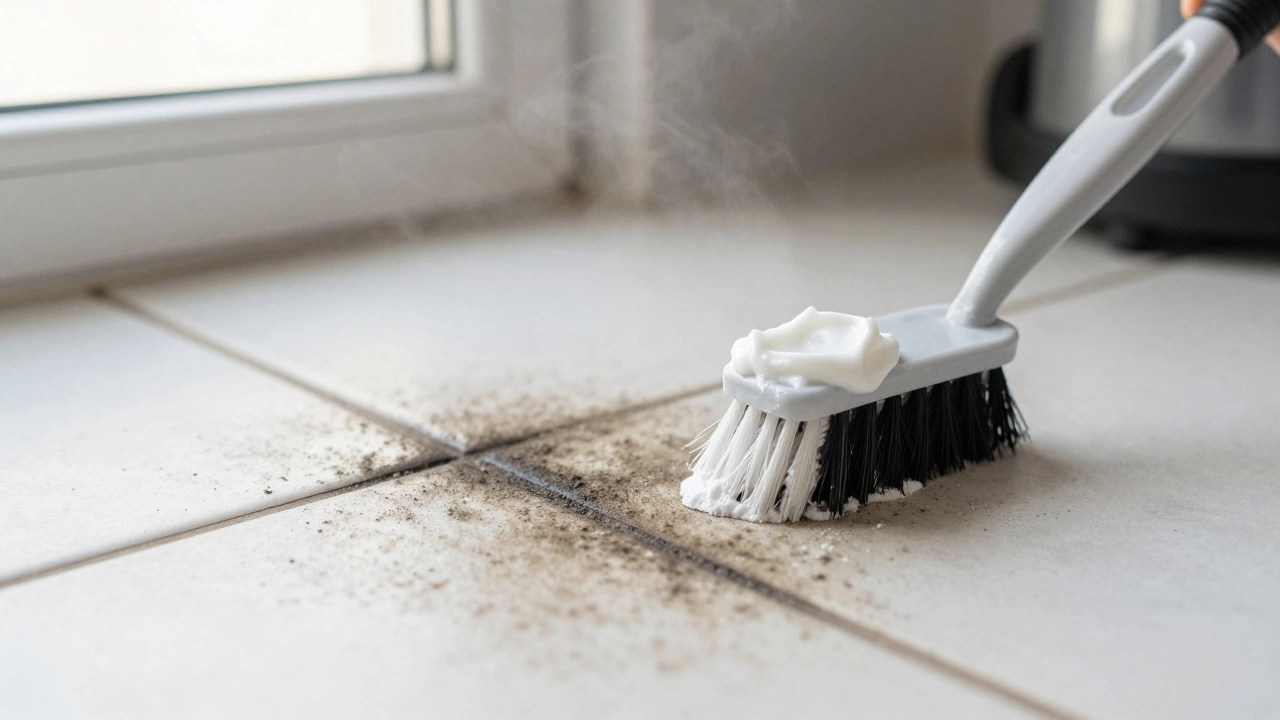
- Make a paste: mix 1 part baking soda with 1 part water. Add a few drops of tea tree oil (a natural antifungal) if you have it.
- Pack the paste into the grout lines with an old toothbrush or grout brush.
- Spray undiluted white vinegar over the paste. It will fizz-this is the acid reacting with the baking soda, lifting grime.
- Let it sit for 10-15 minutes. Don’t let it dry out.
- Scrub again with firm, circular motions.
- Rinse with warm water.
- For deep cleaning, run a steam cleaner over the area. No chemicals needed.
Do this once a month, and your grout will stay bright. No bleach. No fumes. No guilt.
Other Hard-to-Clean Places (and How to Tackle Them Naturally)
Grout isn’t the only nightmare. Here are three other stubborn spots-and how to clean them without toxic sprays.
Oven Grease
Old oven grease is baked-on carbon. It smells bad and attracts pests. Commercial oven cleaners contain lye, which can burn skin and release fumes that linger for hours.
Instead: make a paste of baking soda and water. Spread it thickly on the inside of the oven (avoid heating elements). Spritz with vinegar. Let sit overnight. Wipe clean with a damp cloth. The grease lifts right off. Add a few drops of lemon oil for a fresh scent.
Bathroom Mold Around the Tub
Mold grows in damp, dark corners. It’s not just ugly-it can trigger allergies. Commercial mold removers often contain chlorine or quaternary ammonium compounds, which are linked to asthma.
Instead: mix 1 cup of hydrogen peroxide (3%) with 1 cup of water in a spray bottle. Spray on moldy areas. Let sit for 10 minutes. Scrub with a brush. Rinse. Hydrogen peroxide kills mold on contact and breaks down into water and oxygen. Safe for kids and pets.
Sticky Residue from Tape or Labels
Leftover adhesive from price tags, decorations, or stickers? Rubbing alcohol works, but it’s flammable and strips finishes.
Instead: rub a bit of coconut oil or olive oil on the sticky spot. Wait 5 minutes. Wipe with a cloth. Then wash with soapy water. The oil dissolves the adhesive without damaging surfaces.

Why Chemical Cleaners Make Things Worse
Most commercial cleaners are designed to kill everything-bacteria, mold, and the good microbes that help keep your home balanced. They also leave behind a film that attracts more dust and dirt. That’s why your kitchen counter looks clean but gets grimy faster after using strong sprays.
A 2024 study in the journal Environmental Science & Technology found that homes using conventional cleaners had 30% higher levels of airborne chemicals than homes using vinegar, baking soda, and plant-based soaps. The difference wasn’t just in smell-it was in air quality.
Plus, every bottle you buy creates plastic waste. Most grout cleaners come in single-use plastic containers that end up in landfills. Natural cleaners? You can reuse glass jars. Make a big batch. Use it for months.
What You Should Never Clean with Vinegar
Vinegar is powerful, but not magic. Don’t use it on:
- Stone countertops (marble, granite, limestone)-it etches the surface.
- Cast iron pans-it strips the seasoning.
- Wood floors-it can dull the finish over time.
- Electronics or screens-vinegar can damage coatings.
For stone, use a pH-neutral cleaner made with plant-based surfactants. For wood floors, sweep daily and mop with a solution of 1/4 cup castile soap in a gallon of warm water.

Prevention Is the Real Secret
The best way to keep grout and other surfaces clean is to stop dirt from sticking in the first place.
- Wipe bathroom tiles after every shower with a squeegee or microfiber cloth.
- Use a bath mat to catch dirt and moisture before it reaches the floor.
- Open windows or run a fan after cooking to reduce grease buildup.
- Seal grout every 1-2 years with a natural, water-based sealer (look for ones made from linseed oil or beeswax).
These small habits cut cleaning time in half. And they mean you never have to face that black, crusted grout again.
Final Thought: Clean Smarter, Not Harder
The hardest thing to clean isn’t the grout. It’s breaking the habit of reaching for the toxic spray. Once you switch to simple, natural tools, cleaning stops being a chore. It becomes part of caring for your home-not fighting it.
You don’t need expensive gadgets or chemical cocktails. You need time, a brush, and ingredients you can eat. That’s real cleaning.
Is vinegar safe for all types of grout?
Vinegar is safe for ceramic and porcelain tile grout, which are non-porous. But avoid it on natural stone tiles like marble or travertine, as the acid can etch the surface. Always test a small hidden area first. If you have stone tiles, stick to baking soda paste and steam cleaning.
How often should I clean grout to prevent mold?
Clean high-moisture areas like bathrooms once a month. If you notice dark spots forming between cleanings, spot-treat them immediately with hydrogen peroxide spray. Regular wiping after showers and proper ventilation reduce mold growth by up to 70%.
Can I use lemon juice instead of vinegar?
Yes, lemon juice works similarly to vinegar because it’s acidic. But it’s less concentrated, so you’ll need more of it. It also leaves a pleasant scent. However, lemon juice can stain light-colored grout over time due to its natural pigments. Vinegar is more reliable for consistent results.
Why does my grout turn black again after cleaning?
If grout turns black again quickly, it’s likely because mold roots were never fully removed, or moisture keeps returning. Make sure you’re drying the area after cleaning. Use a fan or open a window. Also, check for leaks under the tub or around the shower seal. No cleaner will work if water keeps seeping in.
Are steam cleaners worth it for eco-friendly cleaning?
Yes, especially for grout, tile, and bathroom surfaces. A good steam cleaner kills 99.9% of bacteria and mold without chemicals. It also removes grease from kitchen backsplashes and cleans between floorboards. Look for models that heat water to at least 212°F and have adjustable steam settings. They pay for themselves in fewer cleaning products and less physical scrubbing.