Pressure Washing Business Profit Calculator
Note: This calculation doesn't account for weather delays, equipment breakdowns, or increased liability risks. Many professionals experience significant income fluctuations due to seasonal weather patterns (typically losing 40-60 days of work annually). Consider adding a 20-30% buffer for unexpected costs.
Starting a pressure washing business sounds simple: buy a machine, spray water, get paid. But if you’ve ever done it for more than a few weekends, you know it’s not that easy. The reality? It’s physically brutal, financially risky, and surprisingly competitive. Many people jump in because they think it’s a quick way to make money - but they don’t see the hidden costs, the wear and tear on their body, or how hard it is to find steady work. Here’s what no one tells you before you buy that pressure washer.
Physical toll is worse than you think
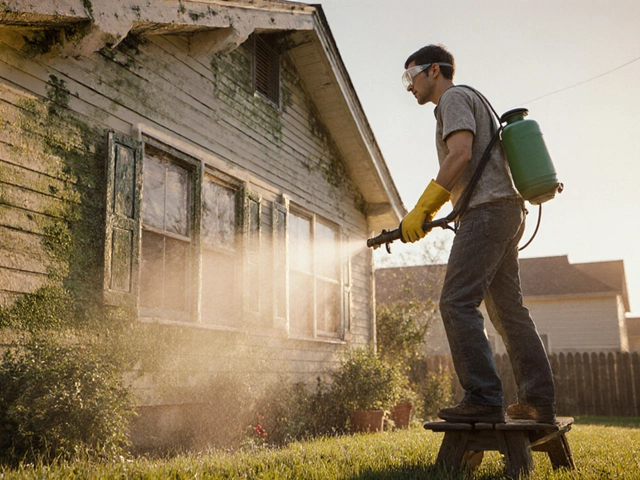
Pressure washing isn’t just standing around with a hose. It’s lifting 40-pound machines every morning, walking on wet, slippery surfaces for hours, and holding a nozzle that kicks back like a shotgun. Your shoulders, wrists, and lower back take a beating. I’ve seen guys in their early 30s with chronic tendonitis from doing this five days a week. The noise alone - over 100 decibels - can damage hearing over time if you’re not wearing protection. And you’re not just spraying dirt. You’re blasting mold, algae, and sometimes lead paint off old homes. That dust doesn’t just disappear. You breathe it in. Without proper PPE, you’re risking respiratory issues. This isn’t a job you can do into your 60s like a bookkeeper.
Equipment costs add up fast
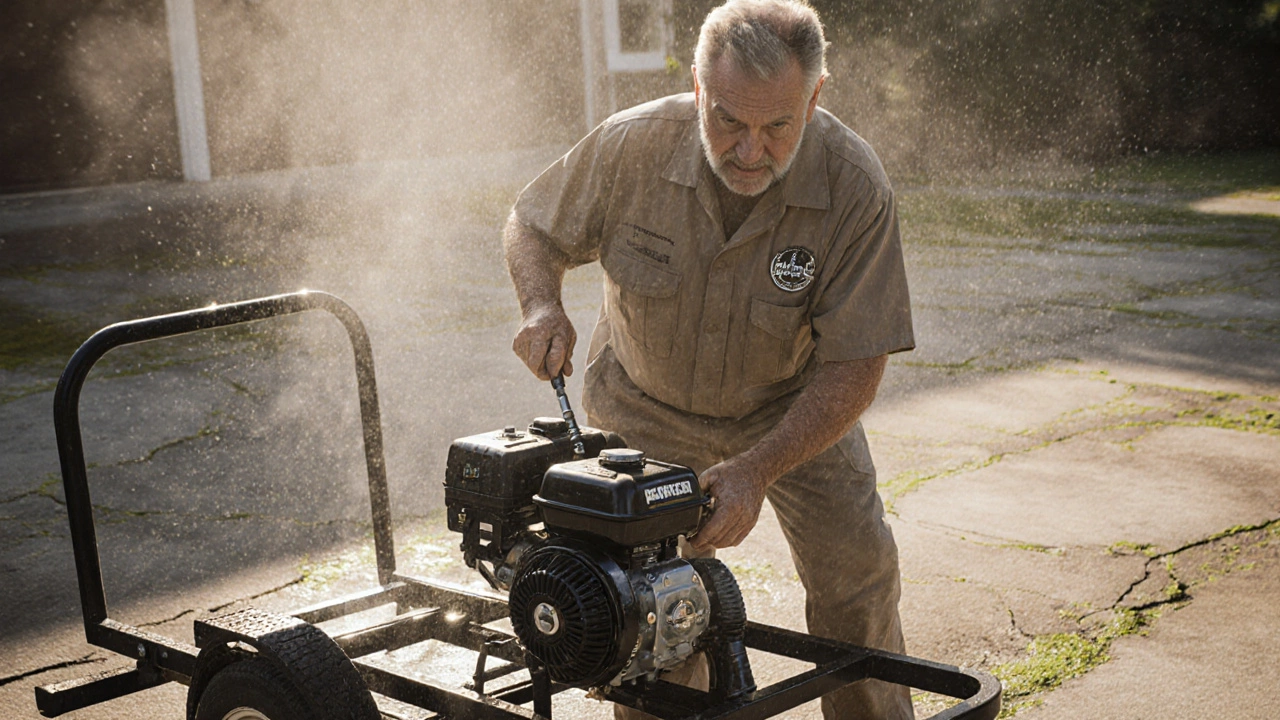
You might think a $300 electric pressure washer from Amazon is enough to start. It’s not. That machine will die after 50 jobs. Professionals use gas-powered units with 3,000+ PSI and commercial-grade pumps that cost $1,500 to $3,000. Then there’s the hose - a 100-foot, 3/8-inch reinforced hose runs $200. Nozzles wear out. Triggers break. Chemical injectors clog. You need a trailer or truck to haul it all. Insurance? Liability coverage for accidental damage to driveways, siding, or windows? That’s $1,200 a year minimum. And if you want to look professional, you need branded uniforms, signage on your van, and a website. Most new owners underestimate this by at least £5,000 before they even take their first job.
Weather kills your schedule
Pressure washing doesn’t work in the rain. Or when it’s freezing. Or when it’s too windy. In the UK, that means you lose 40 to 60 days a year to bad weather. You can’t just reschedule a job for next week - the customer’s driveway is still dirty, and they’re not paying you until it’s done. That means you need savings to cover months with little to no income. And when the weather finally clears, everyone wants their driveway done at once. You’re swamped for two weeks, then starved for the next month. No steady cash flow. No predictable income. That’s not a business - it’s a rollercoaster with no safety harness.
Customer expectations are unrealistic
People see TikTok videos of filthy driveways turning shiny in 10 minutes. They think you can make their 20-year-old, algae-covered patio look brand new with one pass. You can’t. Some surfaces are permanently stained. Concrete cracks. Wood warps. You’re not a magician. But if you tell a customer that, they’ll call you a fraud and leave a one-star review. Worse, some will try to haggle you down to £50 for a whole house exterior. Others will blame you if the moss comes back in three months. You’re responsible for results you can’t control. And good luck getting paid if someone refuses to pay because “it didn’t look like the video.”
Competition is everywhere - and it’s cheap
There are hundreds of pressure washing businesses in Manchester alone. But most aren’t real businesses. They’re guys with a rented machine from B&Q doing weekend gigs. They charge £40 for a driveway. They don’t have insurance. They don’t have a website. They don’t care about your reputation. But they’re undercutting you by 50%. How do you compete? You can’t lower your prices without losing money. You can’t outwork them - they’re doing this on the side while holding a full-time job. So you’re stuck: charge fair prices and lose customers, or charge less and burn out.
Marketing is harder than you think
You can’t just put up a sign and wait for calls. Pressure washing is a local service, so you need to dominate your neighborhood. That means Google Business Profile, Facebook ads targeting homeowners, handing out flyers, and following up with every lead. But most people don’t think about pressure washing until something looks awful - and then they Google “pressure washing near me” and pick the first one with five stars. Getting those first five stars is brutal. You need to do a few jobs for free or at cost just to get reviews. And once you do, you’re expected to keep doing them at that price. It’s a trap.
Liability is a nightmare
One slip. One wrong nozzle. One burst pipe behind a wall you didn’t know was old. You accidentally strip paint off a £10,000 front door. You crack a patio slab that was already crumbling. The customer sues. Even with insurance, your premiums jump. Your name gets dragged through the mud on social media. One bad job can ruin your reputation for years. I know a guy in Salford who lost his entire client list after a single mistake - he didn’t turn off the water valve before washing a house with old plumbing. The basement flooded. The claim cost him £12,000. He closed his business six months later.

It’s not scalable
Most people think they’ll hire employees and grow into a company. But pressure washing doesn’t scale easily. You can’t train someone to do it well in a day. It takes months to learn how to hold the nozzle at the right angle, how much pressure to use on different materials, how to avoid damage. And even then, you’re still on-site supervising. You can’t outsource the skill. So you’re stuck doing the work yourself, or you hire someone who messes up and costs you more than they earn. Most pressure washing businesses stay one-person operations. That means your income is capped by how many hours you can physically work in a day.
It’s easy to burn out
There’s no vacation. No holidays. No weekends off. You’re working in all seasons - freezing rain in January, scorching sun in July. You’re covered in dirt, chemicals, and grime. You come home exhausted. Your family doesn’t understand why you can’t just take a day off. You’re not building equity. You’re not creating a product. You’re trading time for money, and your body is paying the price. I’ve seen too many guys quit after two years - not because they didn’t make money, but because they couldn’t stand it anymore.
Is it worth it?
Pressure washing can make good money - if you’re smart, tough, and willing to grind. But if you’re looking for a side hustle that’s easy, safe, and stress-free, this isn’t it. The cons aren’t minor. They’re fundamental. You need thick skin, physical stamina, business sense, and a tolerance for uncertainty. If you’re still thinking about it, start small. Do a few jobs for friends. Buy used equipment. Test the market before you invest £10,000. And ask yourself: are you ready to work harder than you ever have, for less stability than a minimum wage job?
Is pressure washing a good side hustle?
It can be, but only if you treat it like a real business. You need to invest in decent gear, get insurance, and market yourself properly. Most people try it on weekends and quit after a few jobs because they didn’t expect the physical strain or the hassle of finding clients. If you’re okay with hard work, weather delays, and low-paying customers, it can bring in extra cash. But don’t expect it to replace your main income unless you’re fully committed.
How much does it cost to start a pressure washing business in the UK?
You need at least £5,000 to start properly. That covers a commercial-grade gas pressure washer (£1,800), a 100-foot hose and nozzles (£300), a trailer or van setup (£1,500), liability insurance (£1,200/year), branded signage and uniforms (£500), and marketing materials (£700). Many beginners try to start with under £1,000 - but they end up replacing broken equipment and losing clients because they can’t deliver quality results.
Can you make a living from pressure washing?
Yes, but not easily. Top earners in the UK make £40,000 to £60,000 a year - but they’re working 60-hour weeks, managing their own marketing, and handling all the admin. Most part-timers make £15,000 to £25,000. You need to charge £80 to £150 per job, do 3 to 5 jobs a day, and keep a steady flow of clients. It’s doable, but it’s not passive income. You’re always chasing the next job.
What’s the biggest mistake new pressure washing businesses make?
Underpricing. They charge £30 to clean a driveway because they think that’s what the market will bear. But that’s not enough to cover fuel, equipment wear, insurance, and their time. They end up working 10 hours a day just to make £150. They burn out. They get stuck in a cycle of low pay and high stress. The smart move is to charge what you’re worth from day one - even if you lose a few clients. Quality and professionalism pay off in the long run.
Do you need a license to pressure wash in the UK?
No, you don’t need a specific license. But you do need public liability insurance - and many homeowners and councils require proof of it before hiring you. If you’re using chemicals, you must follow the Control of Substances Hazardous to Health (COSHH) regulations. Some local councils restrict water runoff or pressure levels near listed buildings. Ignoring these rules can lead to fines or legal action. It’s not about a license - it’s about knowing the laws that protect you and your customers.
If you’re still considering this path, talk to someone who’s been doing it for five years. Ask them about their worst job. Ask them if they’d do it again. Listen to the answer - not just the words, but the tone. That’s the real truth.