Eco-Friendly Cleaning Product Checker
Enter details about your cleaning product to see how it stacks up against true environmental standards.
Your Eco-Score:
0%Detailed Breakdown:
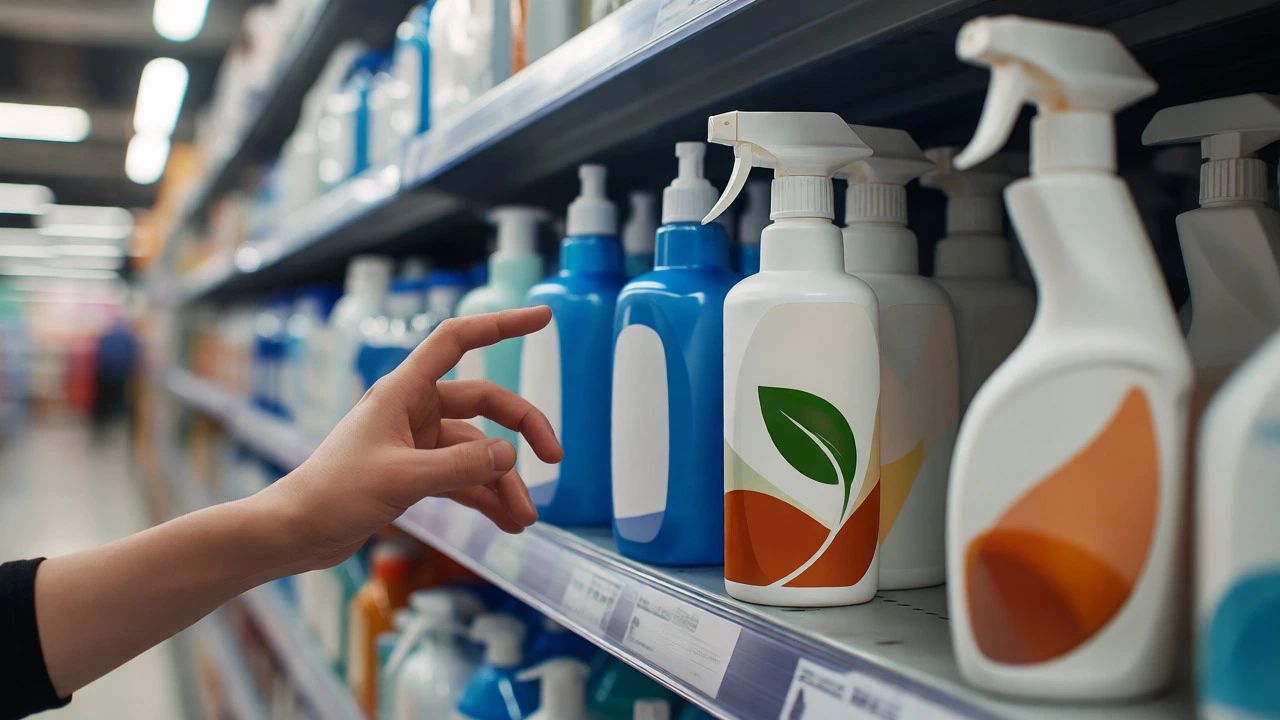
You stand in the aisle of your local supermarket, staring at a wall of spray bottles. One claims to be "green," another says "natural," and a third boasts about being "chemical-free." It’s confusing, right? You want to clean your kitchen without harming the planet or your lungs, but marketing terms often blur the lines between genuine sustainability and clever branding.
So, what actually makes a product environmentally friendly? It isn’t just about a leaf on the label. True eco-friendliness is a combination of ingredient safety, packaging reality, manufacturing ethics, and how the product behaves after it goes down the drain. Let’s break down the specific criteria that separate a truly green cleaner from a marketing gimmick.
The Ingredient Test: Biodegradability and Toxicity
Eco-friendly cleaning starts with what is inside the bottle. The most critical factor is biodegradability. This means the chemicals in the product can be broken down by natural biological processes into harmless substances like water, carbon dioxide, and biomass within a short period. If a surfactant (the stuff that lifts dirt) takes months to degrade, it accumulates in waterways, potentially harming aquatic life.
Look for ingredients that are readily biodegradable. Common culprits that fail this test include certain phosphates and synthetic fragrances. Phosphates, once common in dishwasher tablets, cause algal blooms that deplete oxygen in rivers and lakes. While many regions have banned them, they still lurk in some industrial cleaners. Instead, opt for plant-based surfactants derived from coconut, corn, or palm kernel oil (provided the palm oil is certified sustainable).
Toxicity is the other half of the coin. A product might break down quickly but be highly toxic to fish or algae during that process. Look for low toxicity ratings. Ingredients like bleach (sodium hypochlorite) are effective but harsh; when mixed with acids, they can release chlorine gas. In contrast, citric acid or white vinegar offer safer alternatives for descaling and disinfecting, though they may require more elbow grease.
Packaging: Beyond the Plastic Bottle
You can buy the greenest liquid in the world, but if it comes in a single-use plastic bottle that ends up in a landfill, you haven’t solved the problem. Packaging accounts for a significant portion of a cleaning product’s carbon footprint. According to the Ellen MacArthur Foundation, less than 10% of all plastic ever made has been recycled. That’s a sobering statistic.
Truly eco-friendly brands are moving away from virgin plastic. Here’s what to look for:
- Concentrates: Small tablets or liquids that you mix with tap water at home. This drastically reduces shipping weight and plastic usage.
- Refillable Systems: Durable glass or aluminum bottles that you refill repeatedly.
- Post-Consumer Recycled (PCR) Plastic: If you must use plastic, ensure it is made from already-recycled material, not new fossil fuels.
- Compostable Materials: Some brands now use seaweed-based or mushroom-based packaging that dissolves in water or composts at home.
Avoid "wish-cycling"-where packaging looks recyclable but isn’t accepted by local councils. Check the resin identification code (the number inside the triangle). Codes 1 (PET) and 2 (HDPE) are widely recycled in the UK. Code 5 (PP) is increasingly accepted, but others are trickier.
Certifications: Your Shortcut to Trust
Reading every ingredient label is time-consuming. Certifications help cut through the noise. However, not all logos are created equal. Some are self-created by companies with no external oversight. Stick to rigorous, third-party standards.
| Certification | Origin | Key Criteria | Trust Level |
|---|---|---|---|
| EU Ecolabel | European Union | Lifecycle assessment, strict limits on hazardous substances, biodegradability requirements. | High |
| Green Seal | USA (Global recognition) | Performance standards, health impacts, environmental impact. | High |
| Safer Choice | US EPA | Focuses on human health and ecological safety of ingredients. | Medium-High |
| Nordic Swan | Nordic Countries | Rigorous lifecycle analysis, bans on microplastics and allergens. | Very High |
In the UK, the EU Ecolabel remains a gold standard post-Brexit for many imported goods. The Nordic Swan is particularly stringent regarding preservatives and dyes. If you see these logos, the product has undergone independent testing. Be wary of vague terms like "eco-conscious" or "planet-friendly" unless backed by data.
Manufacturing and Supply Chain Ethics
An eco-friendly product isn’t just about the final result; it’s about the journey. How was it made? Did the production process use renewable energy? Were workers paid fair wages? These factors fall under Environmental, Social, and Governance (ESG) criteria.
Consider the carbon footprint of transport. A cleaner made in Oxford using locally sourced ingredients has a lower transport emissions profile than one shipped from overseas. Look for brands that disclose their carbon neutrality status. Some companies offset emissions by investing in reforestation or renewable energy projects, which is better than nothing, but direct reduction is superior.
Also, consider animal welfare. Cruelty-Free International’s Leaping Bunny logo certifies that neither the product nor its ingredients were tested on animals. Many conventional cleaning agents still rely on animal-derived fats for soap bases, whereas vegan options use plant oils.
Effectiveness: Does It Actually Clean?
There is a persistent myth that green products don’t work as well. This used to be true decades ago. Today, modern formulations using enzymes and advanced plant-based surfactants rival traditional chemicals. Enzymes, for instance, are biological catalysts that break down organic stains like grease, blood, or food residue. They are highly specific, meaning they target dirt without attacking surfaces.
If a product requires three times as much effort or volume to achieve the same cleanliness, its environmental benefit diminishes. Efficiency matters. A high-quality eco-cleaner should perform comparably to conventional options for general household tasks. For heavy-duty jobs like oven cleaning or limescale removal, you might need specialized green products rather than generic all-purpose sprays.
The End-of-Life Phase: Down the Drain
Where does the product go after you wipe the counter? Most cleaning agents end up in wastewater treatment plants. Conventional plants handle typical household chemicals well, but emerging pollutants like microplastics and certain antimicrobial agents (like triclosan) are harder to filter out. Triclosan, once popular in antibacterial soaps, has been linked to antibiotic resistance and hormonal disruption in wildlife.
Choose products free from microbeads and harsh antimicrobials. Regular soap and water remove pathogens effectively for most daily needs. Reserve stronger disinfectants for cases where illness is present in the home. By reducing the chemical load entering water systems, you protect local ecosystems, including the Thames if you’re in London or the Cherwell here in Oxford.
DIY Alternatives: The Ultimate Green Option
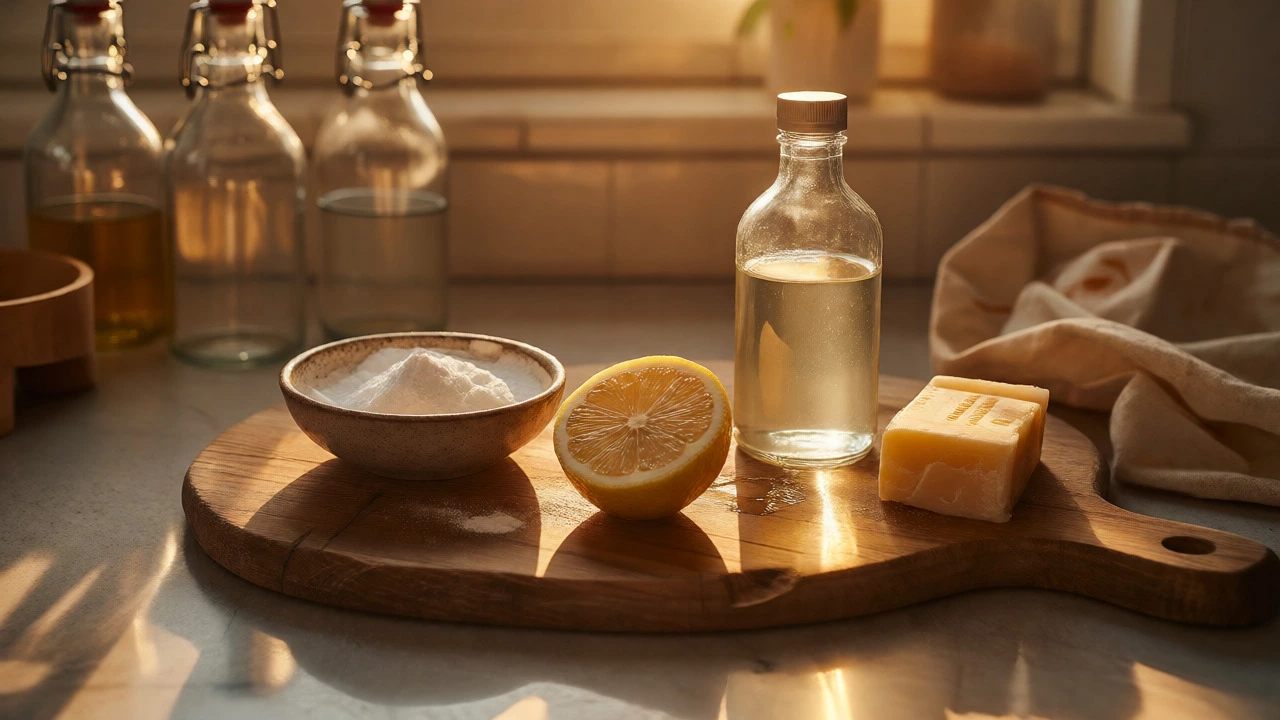
Sometimes, the best eco-friendly product is one you make yourself. Using simple pantry staples eliminates packaging entirely and ensures you know exactly what you’re using.
- White Vinegar: Excellent for glass, mirrors, and descaling taps. Its acidity breaks down mineral deposits.
- Baking Soda: A mild abrasive perfect for scrubbing sinks, ovens, and removing odors.
- Lemon Juice: Natural bleach alternative for cutting boards and adding fragrance.
- Marseille Soap: A traditional, plant-based soap that works wonders on floors and laundry when grated and dissolved.
These ingredients are cheap, accessible, and have zero plastic waste if bought in bulk or paper bags. They also reduce reliance on complex supply chains.
Common Pitfalls to Avoid
Even well-intentioned shoppers fall into traps. Here are a few red flags:
- "Chemical-Free": Everything is a chemical, including water. This term is scientifically meaningless.
- Fragrance Obsession: Synthetic fragrances often contain phthalates, which are potential endocrine disruptors. Opt for products scented with essential oils or unscented versions.
- Over-Cleaning: Using more product than necessary wastes resources. Follow dilution instructions carefully, especially with concentrates.
- Ignoring Local Water Quality: Hard water areas (common in the South East of England) require different approaches than soft water areas. Adding too much detergent in hard water leads to residue buildup.
Next Steps for Your Home
Transitioning to eco-friendly cleaning doesn’t happen overnight. Start small. Replace one product at a time as your current supplies run out. Focus on high-volume items first, like hand soap or multi-surface sprays, where the plastic waste adds up quickly.
Check your local council’s recycling guidelines to understand what packaging you can actually recycle. Consider joining a local refill network, which is growing rapidly across the UK. These shops allow you to bring your own containers, eliminating packaging waste entirely.
Finally, keep an eye on emerging innovations. Companies are experimenting with solid bars, powder pods in paper wrappers, and even cleaning services that use reusable equipment. The goal isn’t perfection-it’s progress. Every bottle you refuse to buy is a step toward a healthier home and planet.
Are homemade cleaning solutions always better than store-bought eco-products?
Not necessarily. Homemade solutions like vinegar and baking soda are excellent for light cleaning and have minimal environmental impact due to lack of packaging. However, they may lack the efficacy needed for heavy-duty tasks like sanitizing bathrooms or removing tough grease. Store-bought eco-products often use engineered plant-based surfactants that provide superior performance while maintaining biodegradability standards. Choose based on the task: DIY for maintenance, certified eco-products for deep cleaning.
What is the difference between 'biodegradable' and 'compostable'?
Biodegradable means materials can break down naturally over time, but this process can take years and may leave behind micro-residues. Compostable means the material breaks down into nutrient-rich humus within a specific timeframe (usually 90 days) under specific conditions (industrial or home composting), leaving no toxic residue. All compostable materials are biodegradable, but not all biodegradable materials are compostable.
Do eco-friendly cleaning products kill germs effectively?
Yes, but the mechanism differs from traditional disinfectants. Many eco-products focus on physical removal of pathogens via surfactants and mechanical action (scrubbing). For true disinfection, look for products containing citric acid, hydrogen peroxide, or thymol, which are approved antimicrobials. Note that routine cleaning removes most germs; disinfecting is only strictly necessary when someone in the house is ill.
Is palm oil bad for the environment in cleaning products?
Palm oil itself is efficient and yields more oil per hectare than alternatives. The issue is unsustainable farming leading to deforestation. Look for RSPO (Roundtable on Sustainable Palm Oil) certification. Alternatively, choose products using coconut, sunflower, or rapeseed oil derivatives to avoid the controversy entirely.
How do I dispose of old conventional cleaning products?
Do not pour strong chemicals down the drain if possible. Use them up responsibly. Once empty, rinse the container thoroughly. Check the label for disposal instructions. Some hazardous residues may need to be taken to a Household Waste Recycling Centre (HWRC) for special handling, especially if they contain solvents or strong acids.