Laundry Detergent Environmental Impact Calculator
Input Your Laundry Habits
Impact Analysis Results
Enter your laundry habits and click analyze to see the environmental impact comparison.
Detailed Comparison Breakdown
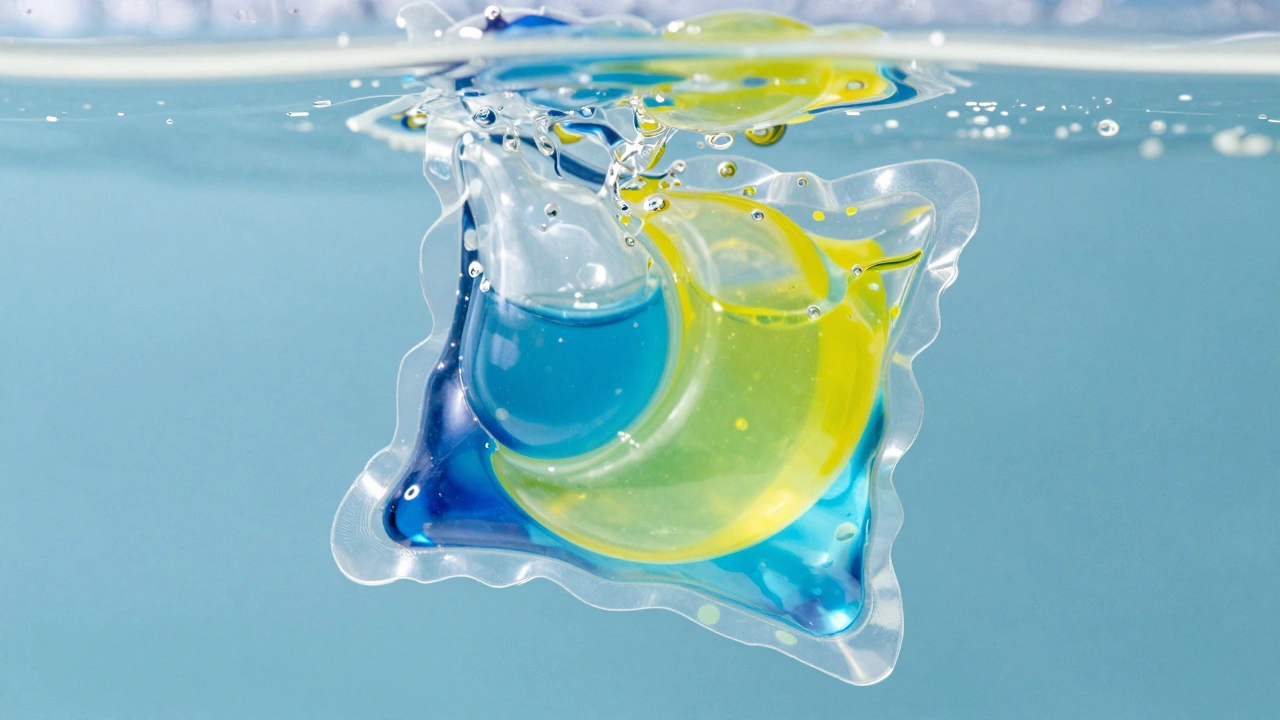
It started as a meme. You probably remember the viral videos from years ago where people dared each other to eat Tide Pods, which are single-use laundry detergent capsules that combine water, surfactants, and enzymes in a dissolvable film. But while the internet laughed, a serious question emerged: what happens to those little plastic shells after they dissolve? Are Tide pods bad for the environment? The short answer is yes, but the reality is more complex than just "plastic pollution." It involves microplastics, chemical runoff, and the hidden cost of convenience.
The Plastic Shell Problem
The most obvious issue with laundry detergent packs is the packaging. Each pod is wrapped in a thin layer of polyvinyl alcohol (PVA). Manufacturers claim this material is water-soluble and biodegradable. In theory, when you toss the pod into your washing machine, the shell dissolves completely, releasing the detergent inside. So, where does the plastic go?
In an ideal world, PVA breaks down into harmless byproducts like carbon dioxide and water. However, studies show that PVA requires specific conditions to degrade effectively-namely, industrial wastewater treatment facilities with high temperatures and microbial activity. If your local treatment plant isn’t equipped to handle it, or if the water temperature is too low, the PVA doesn’t fully break down. Instead, it fragments into microplastics.
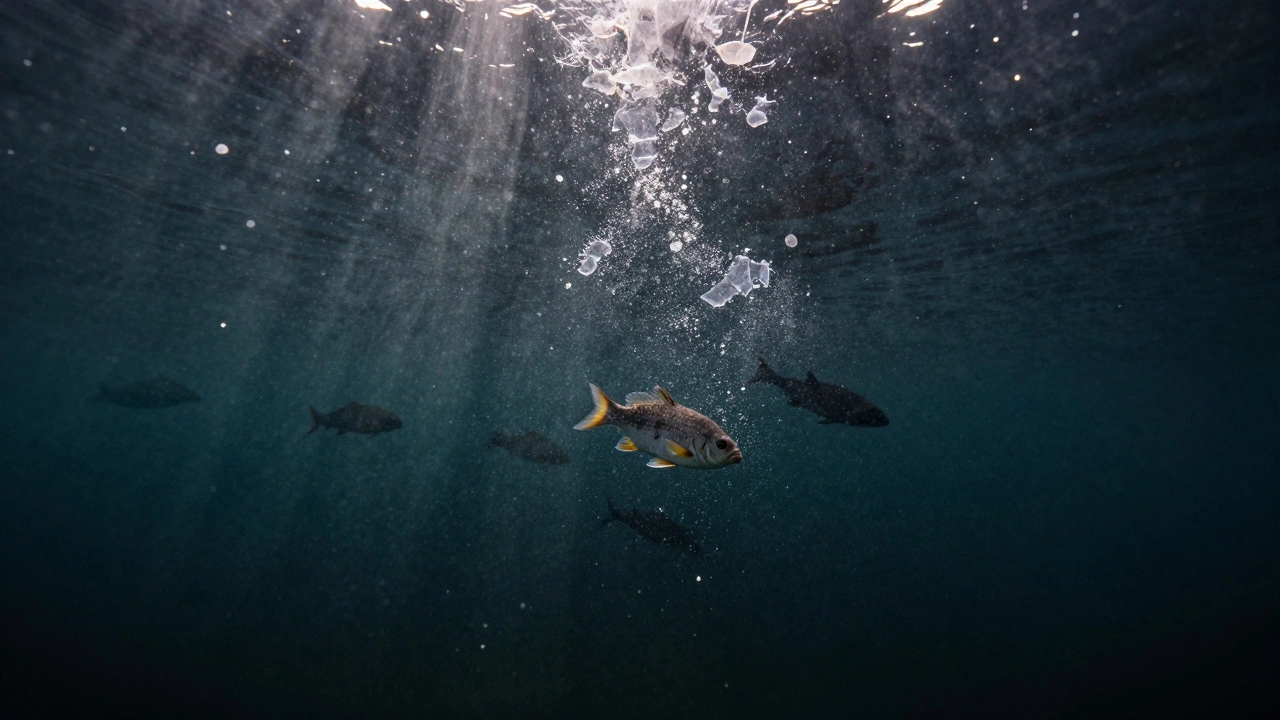
These microplastics are tiny, often invisible particles that slip through filtration systems and end up in our rivers, lakes, and oceans. Once there, they accumulate in the food chain. Fish ingest them, birds eat the fish, and eventually, these particles make their way back to our plates. It’s a cycle that harms marine life and potentially human health, even if we can’t see the damage happening.
| Feature | Laundry Pods | Liquid Detergent | Powder Detergent |
|---|---|---|---|
| Packaging Material | Polyvinyl Alcohol (PVA) + Plastic Box | Plastic Bottle (HDPE) | Cardboard Box |
| Recyclability | Low (PVA rarely recycled) | High (Bottles widely recycled) | High (Cardboard easily recycled) |
| Carbon Footprint | High (Water weight + manufacturing) | Medium (Transportation heavy) | Low (Lightweight, concentrated) |
| Chemical Concentration | Pre-measured (Risk of overdose) | User-controlled | User-controlled |
| Marine Toxicity | High (Enzymes & Surfactants) | Medium | Low-Medium |
Chemical Runoff and Water Quality
Beyond the plastic shell, there’s the detergent itself. Laundry pods are designed to be potent. They pack a punch with concentrated surfactants, enzymes, and brighteners to tackle tough stains quickly. While this makes them effective at cleaning clothes, it also means they release a higher load of chemicals into the water system per wash compared to traditional powders.
Surfactants reduce the surface tension of water, allowing dirt to lift off fabrics. But in aquatic environments, they can disrupt the cell membranes of algae and plankton. This disruption affects the base of the food web. When algae populations crash due to chemical exposure, oxygen levels in the water drop, leading to dead zones where fish cannot survive.
Enzymes, such as proteases and lipases, are added to pods to break down proteins and fats. These biological agents are generally considered safe because they degrade naturally. However, in large quantities, they can alter the microbial balance in wastewater treatment plants. This imbalance reduces the efficiency of the treatment process, meaning more untreated pollutants might escape into natural waterways.
Optical brighteners are another common ingredient. These compounds absorb UV light and re-emit it as visible blue light, making whites look brighter. Unfortunately, many optical brighteners are persistent organic pollutants. They don’t break down easily and can accumulate in sediment, posing long-term risks to benthic organisms-the creatures that live at the bottom of lakes and rivers.
The Carbon Cost of Convenience
Let’s talk about transportation. Liquid detergents are mostly water. When you buy a bottle of liquid soap, you’re paying to ship water across the country. Laundry pods solve this problem by removing the water content, making them lighter and easier to transport. On paper, this should mean a lower carbon footprint.
However, the production of PVA is energy-intensive. Creating the soluble film requires significant heat and resources. Additionally, the outer packaging for pods is usually a rigid plastic box, which adds to the overall waste stream. While the box is recyclable, many consumers throw it away because it’s small and confusing to sort. According to recent data, only about 30% of plastic boxes are successfully recycled in Australia, leaving the majority in landfills.
Compare this to powder detergent. Powder comes in cardboard boxes, which are highly recyclable and compostable. The manufacturing process for powder is less energy-intensive than creating PVA films. Plus, powder is lightweight, reducing shipping emissions. If you factor in the entire lifecycle-from factory to landfill-powder often wins on environmental grounds.
Safety Risks Beyond Pollution
We touched on the meme earlier, but the safety risk of laundry pods is real. Children and pets are attracted to the colorful, candy-like appearance of pods. Accidental ingestion can lead to severe chemical burns, respiratory distress, and even death. While this isn’t directly an environmental issue, it reflects a broader cultural shift toward prioritizing convenience over safety and sustainability.
Manufacturers have responded by adding bittering agents to deter consumption and using opaque packaging. But accidents still happen. Every year, thousands of calls to poison control centers involve laundry detergent exposures. This highlights a gap in product design: if a product is so dangerous that it needs constant warnings, maybe it shouldn’t be marketed as a household essential.
Eco-Friendly Alternatives That Work
If you’re worried about the environmental impact of Tide pods, you’re not alone. Fortunately, there are better options available. Switching doesn’t have to mean sacrificing cleanliness. Here are some practical alternatives:
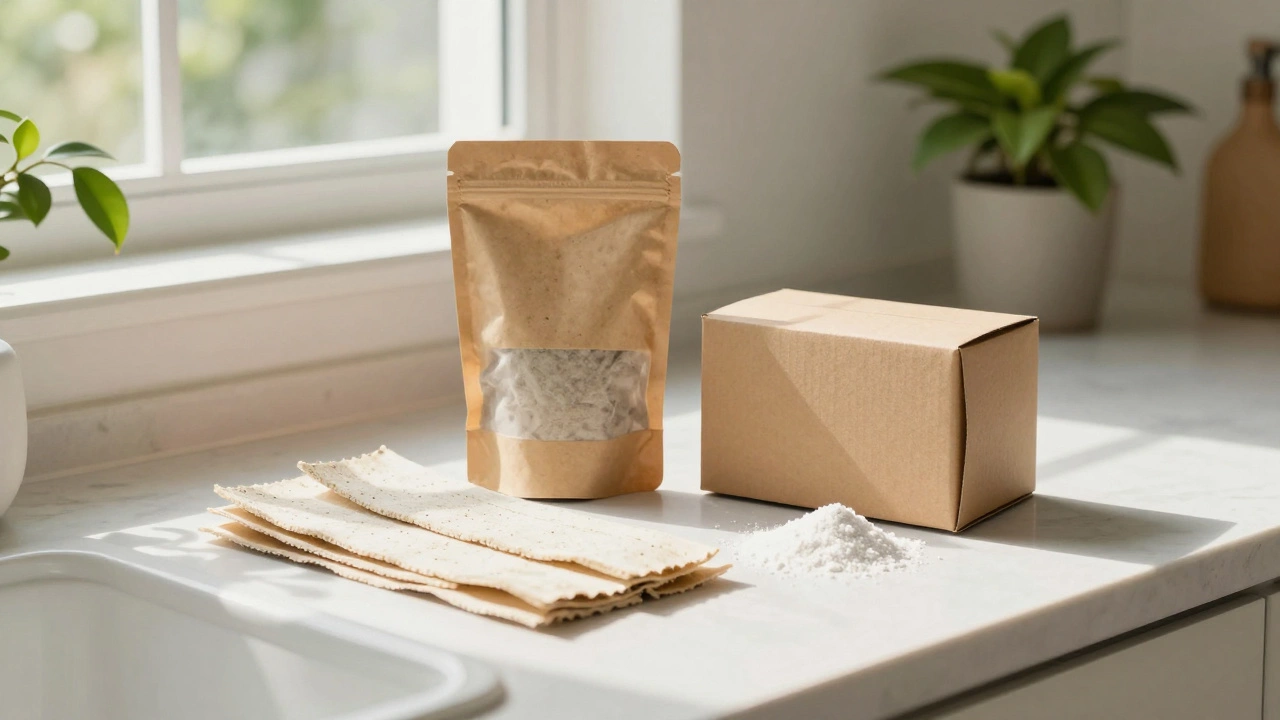
- Laundry Strips: These are dehydrated sheets of detergent that dissolve instantly. They come in compostable mailers, eliminating plastic waste entirely. Brands like Tru Earth and Earth Breeze have gained popularity for their zero-waste approach.
- Concentrated Powders: Look for brands that use minimal packaging and avoid synthetic fragrances. Omo and Persil offer eco-lines that are free from phosphates and optical brighteners.
- DIY Solutions: For simple loads, a mix of washing soda, borax, and castile soap can work wonders. It’s cheap, non-toxic, and generates no plastic waste. Just measure carefully to avoid residue buildup.
- Refill Stations: Some cities now have bulk refill stations where you can bring your own container and fill it with liquid or powder detergent. This cuts out single-use packaging completely.
When choosing an alternative, check for certifications like EPA Safer Choice or EcoLogo. These labels indicate that the product has been tested for safety and environmental impact. Avoid products with vague terms like "natural" or "green" without third-party verification.
What Can You Do Today?
You don’t need to overhaul your entire cleaning routine overnight. Start small. Finish your current box of pods, then switch to a powder or strip-based detergent. Wash your clothes in cold water whenever possible-this saves energy and reduces the release of microfibers from synthetic fabrics. Use the correct amount of detergent; overdosing wastes money and pollutes waterways.
Advocate for change. Support legislation that holds manufacturers accountable for packaging waste. In Australia, the National Waste Policy Action Plan aims to phase out unnecessary plastics by 2030. Your voice matters in pushing companies to adopt sustainable practices.
Remember, every purchase is a vote for the kind of world you want to live in. By choosing eco-friendly cleaning products, you’re protecting not just your home, but the planet we all share.
Are Tide Pods biodegradable?
The outer shell of Tide Pods is made from polyvinyl alcohol (PVA), which is technically biodegradable under industrial composting conditions. However, in typical household washing machines and municipal wastewater systems, it often breaks down into microplastics rather than fully decomposing. Therefore, while labeled as biodegradable, they contribute to microplastic pollution in the environment.
What is the most eco-friendly laundry detergent?
The most eco-friendly options are typically laundry strips or concentrated powders packaged in cardboard. Laundry strips eliminate plastic waste entirely and have a low carbon footprint due to their lightweight nature. Powders in cardboard boxes are also excellent because cardboard is easily recyclable and the production process is less energy-intensive than creating liquid or pod formats.
Do laundry pods harm marine life?
Yes, laundry pods can harm marine life in two ways. First, the PVA shell can fragment into microplastics, which are ingested by fish and other marine organisms, causing physical harm and introducing toxins into the food chain. Second, the concentrated chemicals inside, such as surfactants and enzymes, can disrupt aquatic ecosystems by killing beneficial algae and altering water chemistry.
Can I recycle the box that Tide Pods come in?
Yes, the outer plastic box is usually made from HDPE (High-Density Polyethylene), which is widely recyclable. However, you must remove any labels or stickers first. Check with your local council in Brisbane or elsewhere in Australia to confirm if they accept rigid plastic containers. Many people discard these boxes because they are small, leading to missed recycling opportunities.
Why are laundry pods worse than liquid detergent for the environment?
Laundry pods are often worse because their PVA shells create microplastic pollution that is difficult to filter out of wastewater. Liquid detergents come in plastic bottles, but these bottles are made from standard plastics that are more likely to be recycled. Additionally, pods contain higher concentrations of chemicals per wash, increasing the risk of chemical runoff harming aquatic life.