Green Cleaning Suitability Checker
Not sure if you should reach for the plant-based spray or the heavy-duty chemical? Select your cleaning scenario below to get a tailored recommendation.
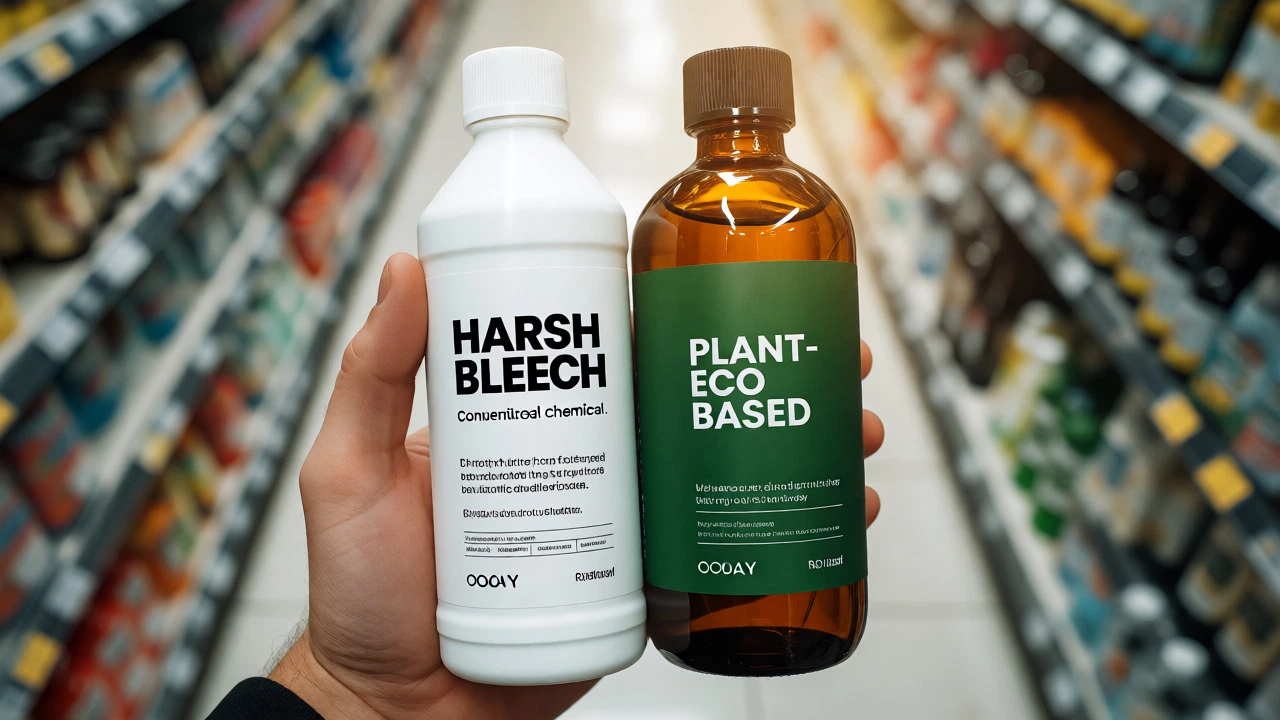
You’re standing in the supermarket aisle, holding a bottle of conventional bleach in one hand and a plant-based all-purpose cleaner in the other. The price tag on the green option is higher. The smell is... well, less aggressive. But does it actually clean? Or are you just paying for better branding and guilt relief?
This is the million-dollar question (or rather, the ten-pound question) for anyone trying to reduce their chemical footprint without letting their house turn into a swamp. The short answer is: yes, green cleaning products work, but they don’t work the same way as the harsh stuff you grew up with. They require different techniques, different expectations, and often, a bit more patience.
The Chemistry Behind the Clean
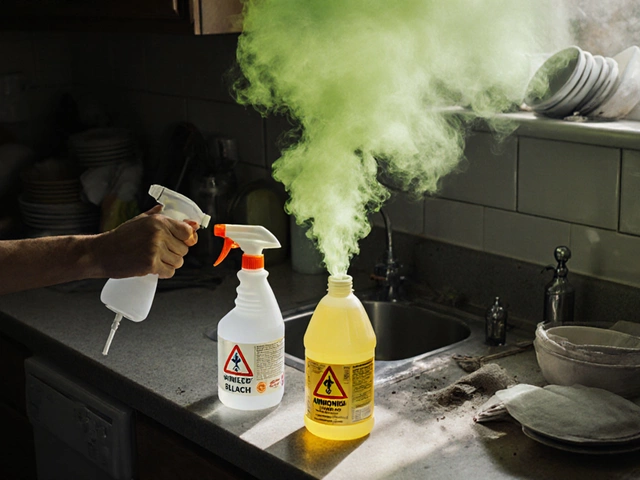
To understand why some people think eco-cleaners fail, you have to look at what’s inside them. Conventional cleaners rely on brute force. Bleach kills bacteria by oxidizing their cell walls instantly. Ammonia cuts through grease because it’s highly alkaline. These chemicals are fast, loud, and effective-but they’re also corrosive to your lungs, your skin, and the environment.
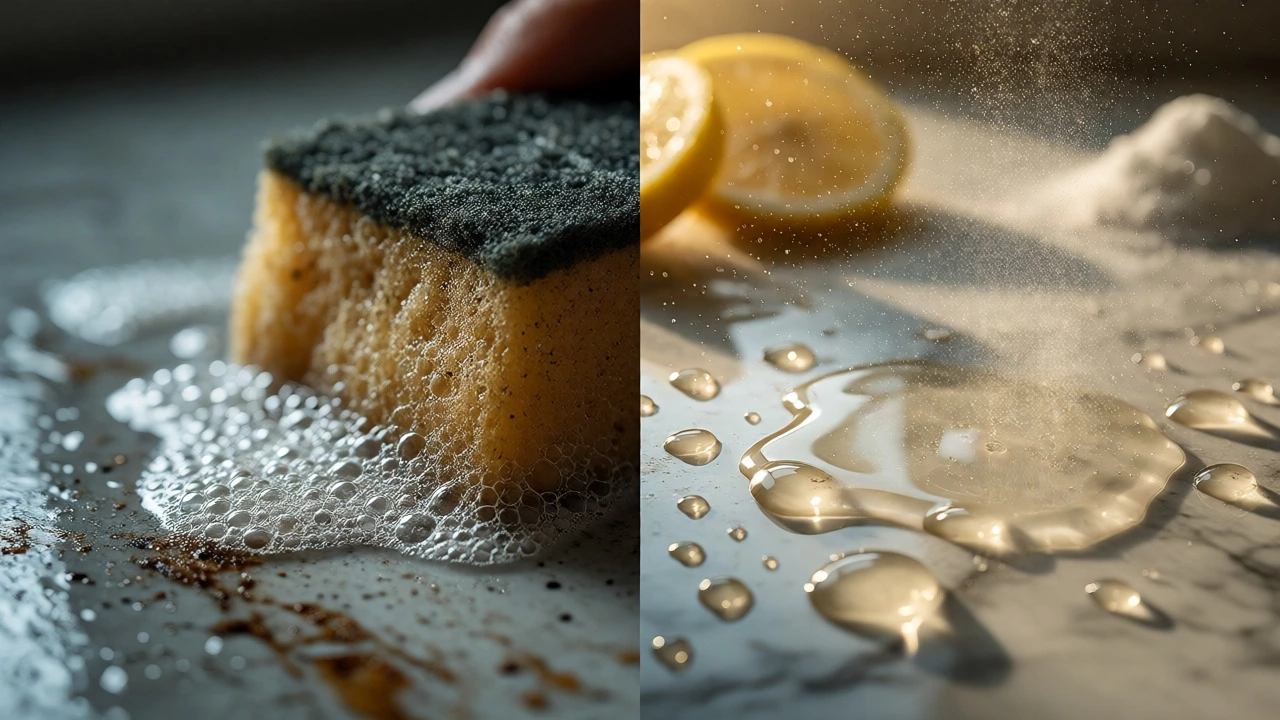
Green cleaning products use biodegradable ingredients like citric acid, baking soda, vinegar, and plant-derived surfactants to lift dirt and neutralize odors. Instead of destroying pathogens on contact, many of these agents work by breaking down the surface tension of water so dirt can be rinsed away, or by creating an environment where bacteria struggle to survive.
Think of it this way: Conventional cleaners are like using a sledgehammer to crack a nut. Green cleaners are like using a precise chisel. If you swing the chisel like a hammer, you’ll miss every time. If you use it correctly, you get a cleaner result with less damage.
Where Green Cleaners Shine
If you’ve ever tried to scrub baked-on cheese off a pizza tray with lemon juice, you know the frustration. But that doesn’t mean the ingredient is useless; it means you used the wrong tool for that specific job. Here is where eco-friendly options genuinely outperform their synthetic counterparts:
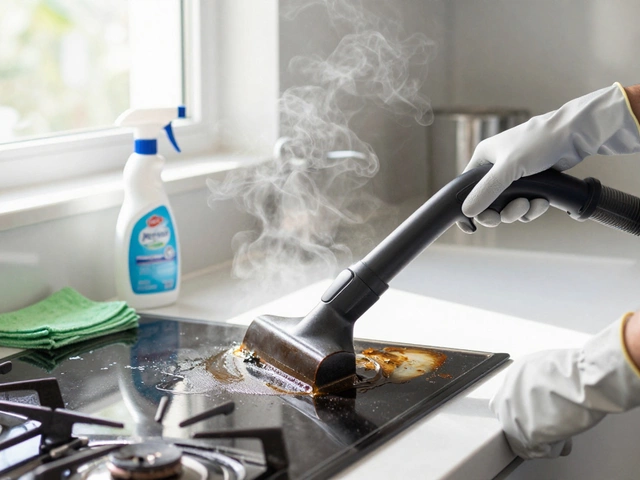
- Daily Maintenance: For wiping down counters, tables, and appliances after normal use, plant-based sprays are excellent. They leave no residue and don’t require rinsing, which saves water and time.
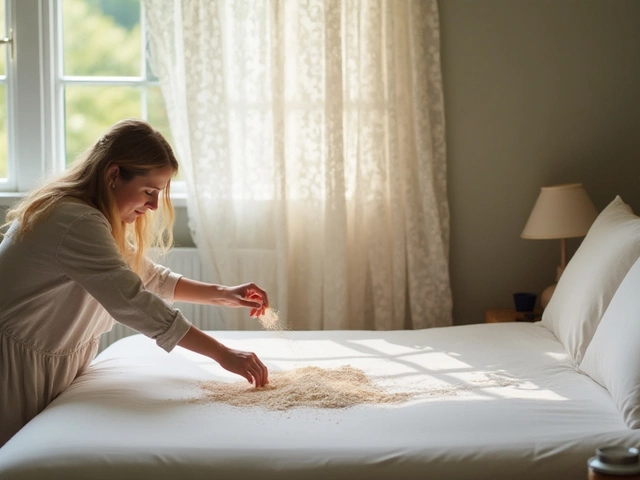
- Odor Removal: Synthetic fragrances mask smells. Ingredients like activated charcoal, baking soda, and essential oils absorb them. If you have pets or cook heavily, you’ll notice the air feels "lighter" after using natural deodorizers.
- Glass and Mirrors: Vinegar-based solutions are arguably superior to blue spray bottles. They dry streak-free because they evaporate quickly and don’t contain the heavy polymers found in traditional glass cleaners that can attract dust later.
- Laundry: Modern enzyme-based detergents (often labeled "bio") break down protein stains like blood, sweat, and food at lower temperatures. This saves energy and protects fabric fibers from the bleaching effect of chlorine.
Where You Need to Adjust Your Expectations
Here is the uncomfortable truth: Some green products are weaker than their conventional rivals when facing extreme grime. If you let mold sit on a bathroom tile for six months, a tea tree oil spray won’t magically erase it in five seconds. You might need to scrub harder or let the product dwell longer.
| Cleaning Task | Conventional Product | Green Alternative | Verdict |
|---|---|---|---|
| Grease Cutting (Kitchen) | Ammonia/Degreaser | Citrus Solvents + Surfactants | Tie (if allowed to dwell) |
| Mold/Mildew Removal | Bleach | Vinegar + Tea Tree Oil | Conventional wins on speed |
| Disinfecting Surfaces | Lysol/Clorox Wipes | EPA-Registered Botanical Disinfectants | Depends on certification |
| Hard Water Stains | Absorbent Powder | Citric Acid/Lemon Juice | Green works if applied generously |
| General Dusting | Spray & Wipe | Microfiber + Water | Green wins (less waste) |
Notice the pattern? The gap closes significantly when you give the product time to work. Most conventional cleaners boast about "instant" results. Green cleaners often ask for 5-10 minutes of dwell time. That’s not a flaw; it’s chemistry.
The Hidden Cost of "Greenwashing"
Not everything with a leaf on the label is truly eco-friendly. This is called greenwashing. It happens when companies market products as natural based on vague claims rather than actual biodegradability or toxicity levels.
For example, some "natural" cleaners still contain phthalates (fragrance fixatives linked to hormonal disruption) or optical brighteners that persist in waterways. How do you spot the fakes?
- Check the Ingredient List: Look for full disclosure. If it says "fragrance" without specifying source, be skeptical.
- Look for Certifications: In the UK and Europe, look for the EU Ecolabel or Safer Choice (US). These require rigorous testing for aquatic toxicity and biodegradability.
- Packaging Matters: A truly green product should come in recycled plastic, aluminum, or compostable materials. Concentrates that you dilute in reusable bottles are far better for the planet than single-use plastic trigger sprays.
DIY vs. Store-Bought: Which is Better?
Many people switch to green cleaning by mixing vinegar and baking soda in a bucket. While cheap, this isn’t always practical. Vinegar has a strong odor that lingers, and it can etch stone surfaces like marble or granite over time. Baking soda is abrasive, which can scratch delicate finishes.
Store-bought green products have solved these issues. They use buffered acids that are safer for stone, and they blend scents to mask the "salad dressing" smell of vinegar. Unless you are cleaning industrial floors, buying a formulated eco-cleaner is usually more efficient and consistent than DIY mixes.
How to Make Green Cleaning Actually Work for You
If you want to make the switch successfully, stop treating green cleaners like bleach. Follow these rules:
- Clean More Frequently: Green products excel at prevention. Wiping spills immediately prevents them from becoming sticky messes that require harsh solvents later.
- Let It Sit: Spray the surface and walk away for five minutes. Let the surfactants break down the dirt structure before you wipe.
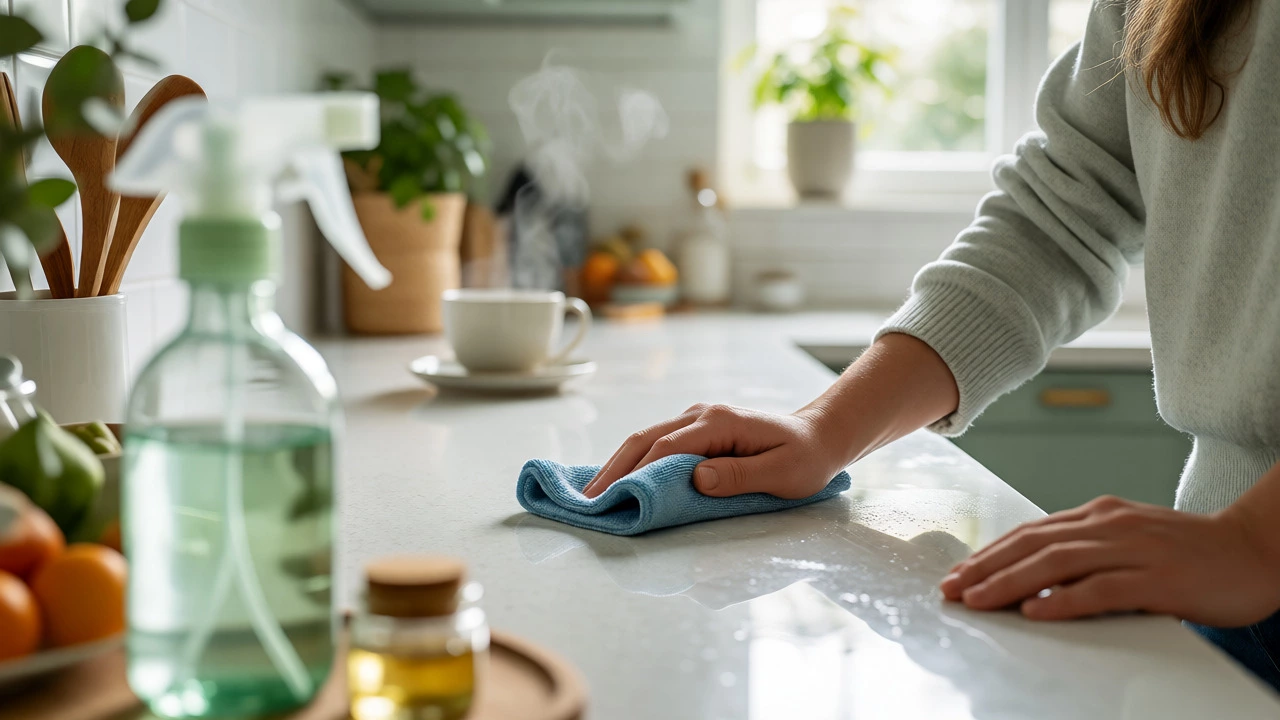
- Use Microfiber Cloths: This is non-negotiable. Microfiber traps dirt mechanically, reducing the need for chemical agitation. A good microfiber cloth can remove 99% of bacteria with just water.
- Don’t Mix Randomly: Just because it’s natural doesn’t mean it’s safe to mix. Never mix vinegar with hydrogen peroxide in a closed container, as it creates peracetic acid, which can irritate eyes and skin.
The Verdict
Do green cleaning products work? Absolutely. But they work differently. They prioritize long-term health and environmental impact over instant gratification. If you are willing to adjust your habits-cleaning more regularly, allowing dwell time, and choosing certified brands-you will find a cleaner home, fresher air, and fewer headaches from chemical fumes.
It’s not about being perfect. It’s about progress. Swapping one conventional cleaner for a certified green alternative is a step in the right direction. Start with high-touch areas like kitchen counters and bathroom sinks, then expand as you see the results.
Are green cleaning products safe for septic tanks?
Generally, yes. Most green cleaning products are designed to be biodegradable and free of harsh antibacterial agents like triclosan, which can kill the beneficial bacteria in septic systems needed to break down waste. However, always check the label for "septic-safe" certification, especially for laundry detergents and drain openers.
Can I disinfect with vinegar alone?
Vinegar is a great cleaner but a poor disinfectant. It kills about 80-90% of common household bacteria and some viruses, but it does not meet the EPA standard for killing hardy pathogens like Salmonella or MRSA effectively. If you need true disinfection (e.g., after illness), use an EPA-registered botanical disinfectant or hydrogen peroxide instead.
Why do my green cleaners leave streaks?
Streaks usually happen for two reasons: either you are using too much product, leaving a residue, or your cloth is dirty. Green cleaners often lack the anti-redeposition agents found in synthetic ones. Use less liquid, rinse your microfiber cloths thoroughly between uses, and consider drying glass surfaces with a separate dry cloth for a crystal-clear finish.
Are essential oils in cleaners harmful to pets?
Yes, potentially. Cats and dogs metabolize certain compounds differently than humans. Essential oils like tea tree, eucalyptus, citrus, and pine can be toxic to cats if ingested or absorbed through paws while wet. Always keep pets out of the room until the surface is completely dry, and avoid diffusing strong oils near animals.
Is DIY cleaning cheaper than buying green products?
Initially, yes. Vinegar, baking soda, and castile soap are very inexpensive. However, store-bought green concentrates often offer better value per use because they are highly concentrated. When you factor in the cost of buying multiple separate ingredients and the time spent mixing, pre-formulated eco-cleaners can sometimes be more cost-effective and convenient.