Distilled Water Calculator for Streak-Free Windows
Results
Enter window area to see results
Ever wonder why your homemade window cleaner leaves streaks, but the guy with the long pole and bucket makes glass look like it’s not even there? It’s not magic. It’s the water. And what’s in it.
It’s Not About the Soap
Most people think window cleaners use a lot of soap or vinegar. That’s what you see on the shelf at the hardware store. But pros? They use almost no detergent at all. In fact, many of them use nothing but water. Pure water. Not tap water. Not filtered water. Distilled water. Why? Because tap water is full of minerals. Calcium, magnesium, iron - they all dissolve in water and leave behind white, chalky spots when it dries. Even if you wipe it down, those minerals stick to the glass. That’s why your windows look foggy after cleaning with regular water. Professionals use distilled water because it’s been stripped of all impurities. No minerals. No chemicals. Just H₂O. When it dries, it leaves zero residue. That’s why the glass looks crystal clear and stays that way for months.How Do They Get the Water So Pure?
You won’t find a jug of distilled water in a professional window cleaner’s van. Instead, they use a system called water-fed pole technology. This setup connects to a truck or trailer with a multi-stage filtration system. The water goes through several filters - sediment, carbon, and finally a reverse osmosis membrane - then through deionizing resin beds. The result? Water that’s 99.9% pure. This purified water is pumped up a long, extendable pole with a brush on the end. The brush scrubs the dirt off the glass. Then, as the water drips down, it rinses everything away. No squeegee needed. No wiping. Just pure water drying naturally. This method isn’t new. It’s been the industry standard in Europe for over 20 years and has taken over in Australia since 2018. Why? Because it’s faster, safer, and leaves better results than traditional methods.What About Detergent?
Some cleaners still use a tiny bit of detergent - but only in rare cases. If the glass is covered in thick bird droppings, tree sap, or decades of grime, they might add a drop or two of biodegradable, phosphate-free cleaner. But even then, it’s not mixed into the water like you’d think. They apply it directly to the brush, not the water tank. The water still stays pure. The detergent just helps break down sticky gunk. After scrubbing, they rinse it all off with pure water. The final rinse? Always distilled. You’ll never see a pro dumping a whole bottle of glass cleaner into their bucket. That’s a homeowner’s mistake. Too much soap creates suds that dry on the glass, leaving streaks and smears. It also attracts dust faster. Pure water doesn’t do that.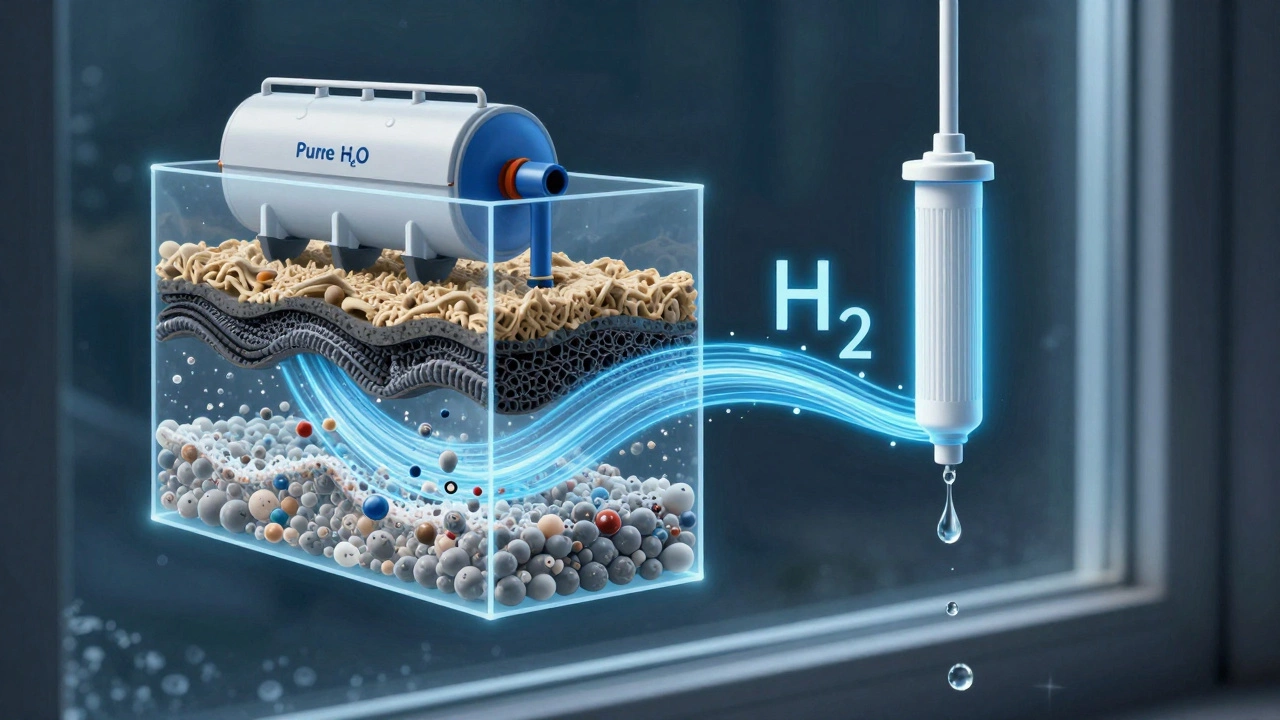
The Tools Matter Too
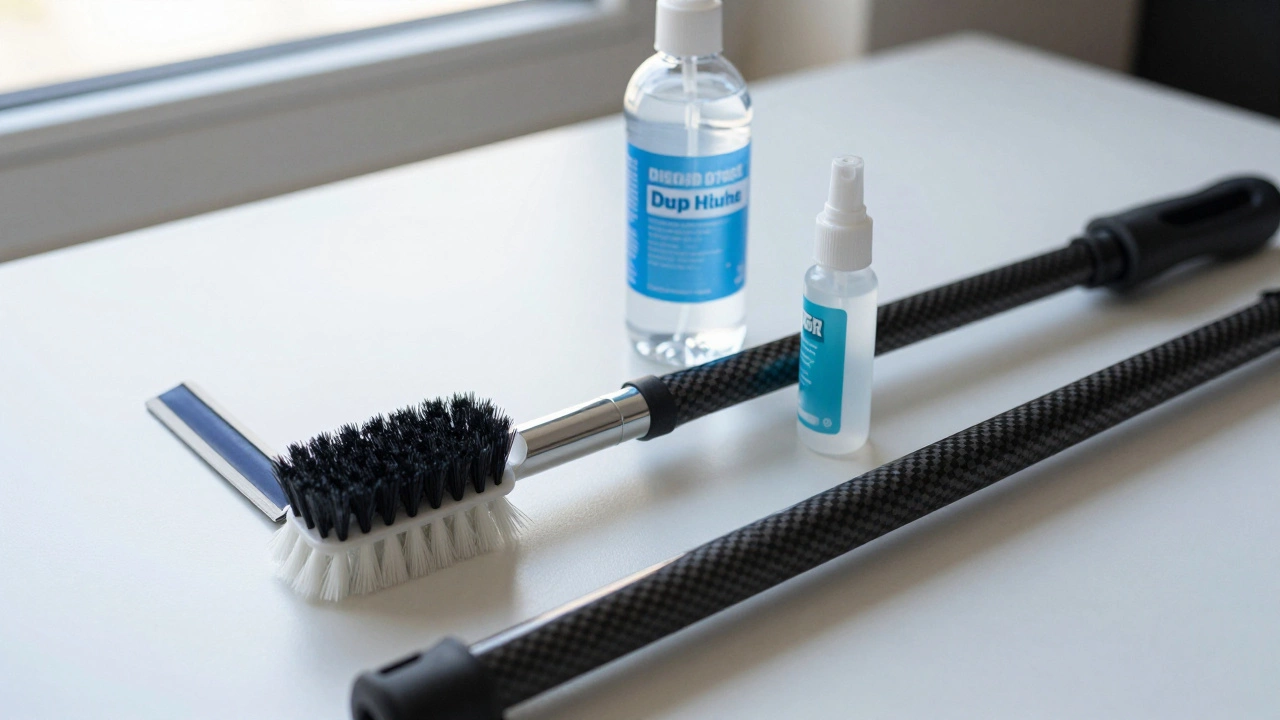
It’s not just the water. The tools make the difference. Pros use soft-bristle brushes designed for glass. These don’t scratch. They lift dirt without pushing it around. They also use high-quality squeegees with rubber blades that are replaced regularly. A worn-out blade leaves streaks. The poles? They’re made of carbon fiber. Lightweight. Strong. Extends up to 40 feet. That means they can clean high windows without ladders. No climbing. No risk. No damage to gutters or roof tiles. And the water pressure? Low. Just enough to rinse. Too much pressure can force dirt into the frame seals or crack old glass. It’s not about force. It’s about control.Why This Works Better Than Vinegar or Ammonia
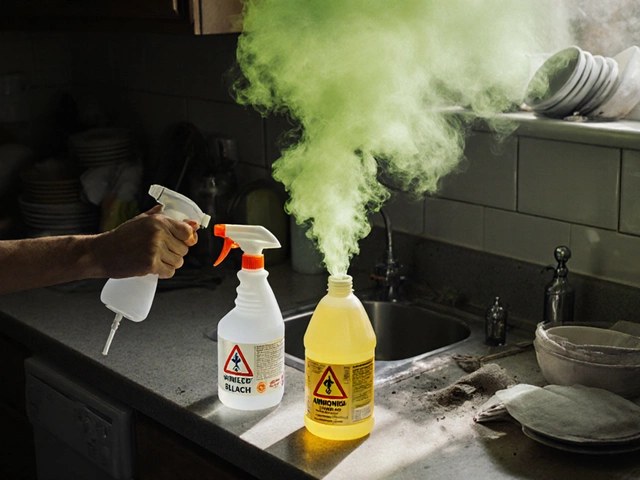
You’ve probably heard to mix vinegar and water. Or use ammonia-based cleaners. Both work okay for small jobs. But here’s the problem: they leave behind chemical residues. Vinegar is acidic. Ammonia is alkaline. Both can degrade rubber seals over time. They can also leave a faint film that attracts dust and pollen. Distilled water doesn’t react with anything. It doesn’t corrode. It doesn’t evaporate with a smell. It just picks up dirt and leaves. No side effects. No long-term damage to frames, seals, or tinted glass. A study by the Australian Window Cleaning Association in 2023 tested 120 homes cleaned with traditional methods versus water-fed poles. The water-fed group had 94% fewer complaints about streaks after 30 days. The traditional group? 67% still had visible marks.Can You Do This at Home?
Yes. But you need the right setup. You can buy a water-fed pole kit for home use. They start around $300. You’ll also need a reverse osmosis filter system - those cost about $800. That’s a big investment if you only clean your windows once a year. For most homeowners, the best middle ground is using bottled distilled water from the grocery store. Mix it with a single drop of professional-grade, residue-free window cleaner. Use a microfiber cloth or a squeegee with a fresh rubber blade. Wipe in an S-pattern. Don’t re-dip the cloth. Let it dry naturally. Don’t use paper towels. They shed fibers. Don’t use old towels. They leave lint. Don’t clean on a sunny day. The water dries too fast and leaves streaks.