Upholstery Steam Cleaning Risk Checker
Check Your Upholstery Safety
Based on article research, this tool helps determine if steam cleaning is safe for your furniture
Steam cleaning sounds like a miracle fix for dirty sofas and armchairs. You’ve probably seen ads promising deep cleaning without chemicals, killing germs, and leaving your furniture fresh. But if you’ve ever used a steam cleaner on your favorite couch, you might have noticed something off-like a lingering damp smell, warped fabric, or stains that got worse. That’s not your imagination. Steam cleaning has real downsides, especially when it comes to upholstery.
Steam Can Damage Fabric Fibers
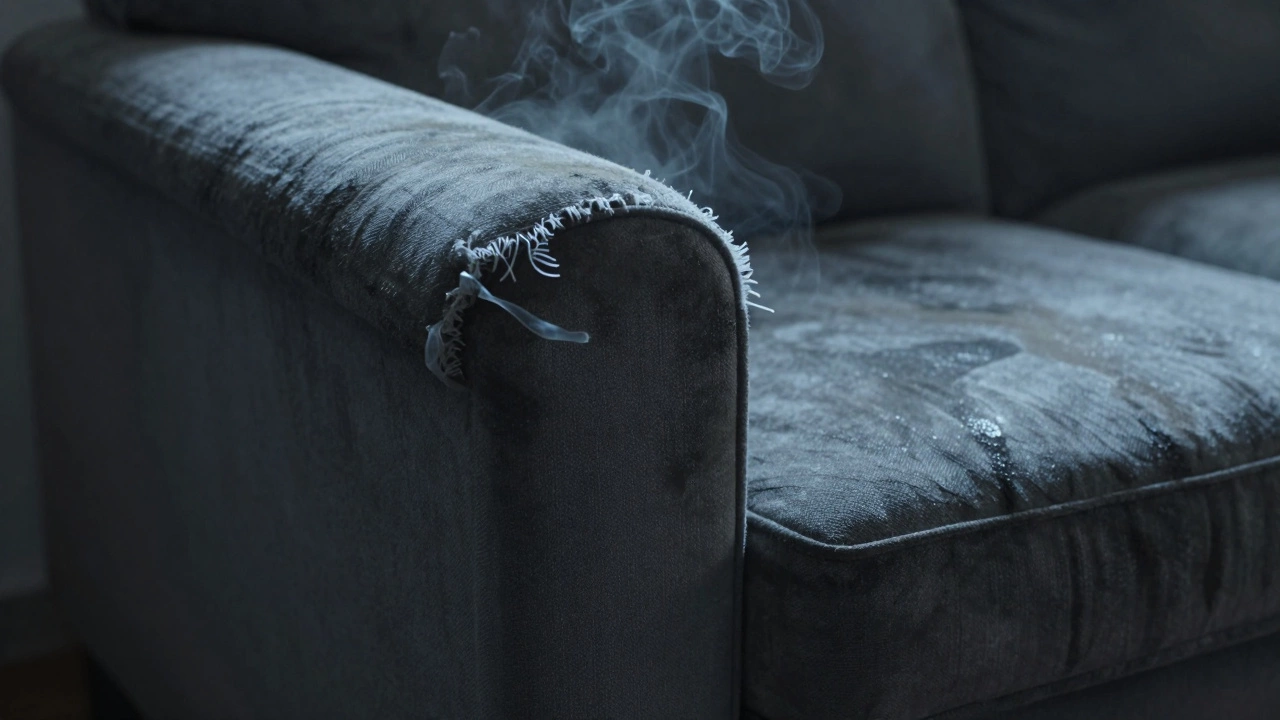
Not all fabrics handle high heat and moisture the same way. Wool, silk, and some synthetic blends like polyester or olefin can shrink, melt, or lose their texture when exposed to steam above 150°F. A 2023 study by the Textile Research Institute found that 42% of common upholstery fabrics showed visible fiber degradation after just two steam cleanings. That’s not a one-off accident-it’s a pattern. Your couch might look clean right after, but over time, the fibers break down, making the fabric look worn, fuzzy, or even translucent in high-wear areas like the armrests.
Excess Moisture Leads to Mold and Mildew
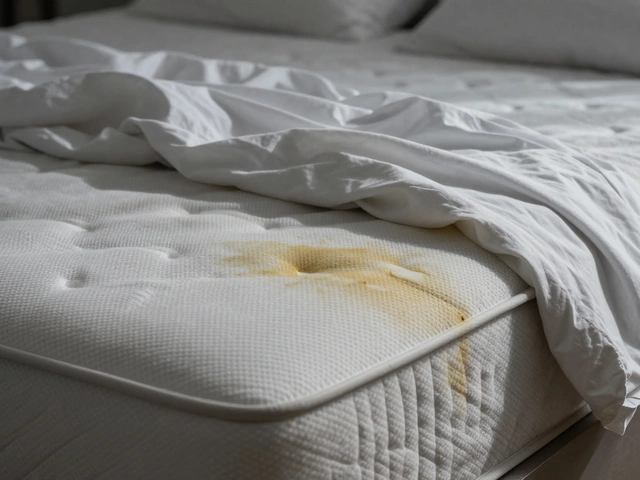
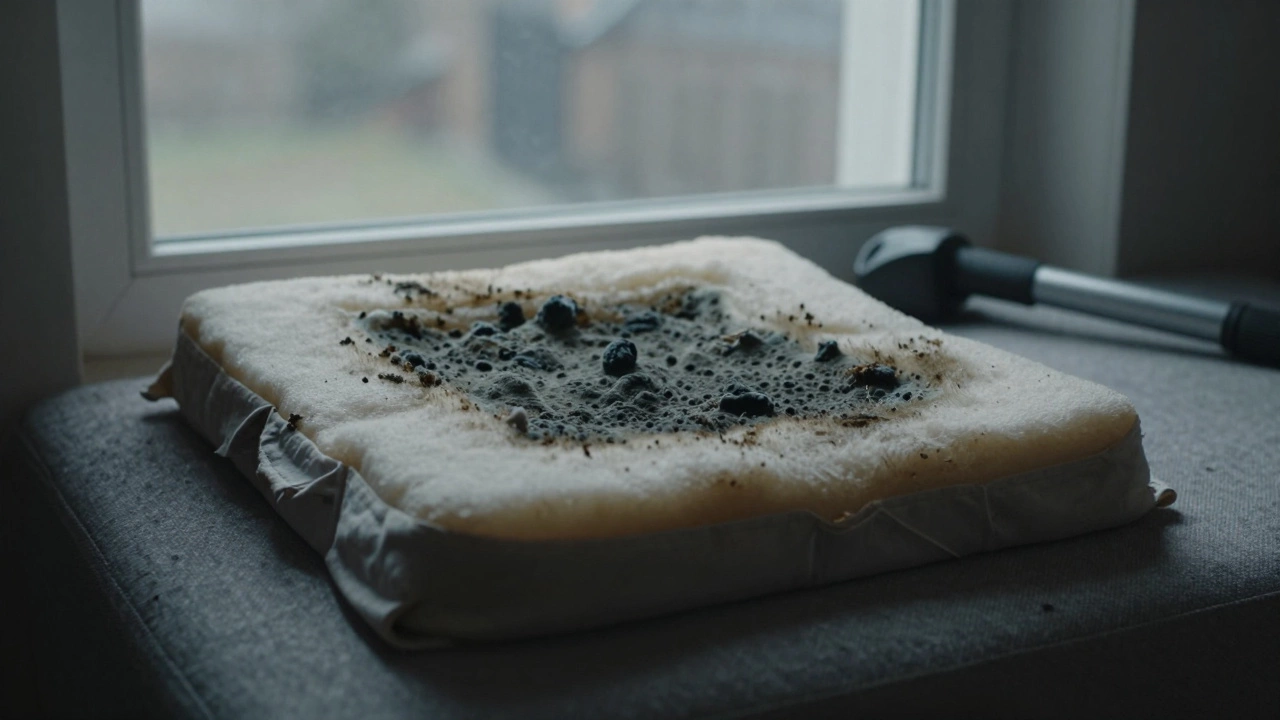
Steam cleaners dump a lot of water into your upholstery. Even if it doesn’t feel wet, moisture gets trapped in the padding underneath the fabric. In a typical UK home, especially during winter months, that moisture doesn’t dry out fast enough. Humidity levels inside sofas can stay above 70% for 48 to 72 hours. That’s the sweet spot for mold and mildew to grow-right where you can’t see it. People often blame the smell on “dirty upholstery,” but it’s often hidden mold. One homeowner in Manchester reported a musty odor that wouldn’t go away until they cut open the cushion and found black fungal growth in the foam.
It Can Push Dirt Deeper, Not Remove It
Steam loosens dirt, yes-but if you don’t extract it properly, it just gets pushed deeper into the fabric layers. Many home steam cleaners don’t have strong enough suction to pull out the loosened grime. What happens? The dirt moves from the surface down into the backing and padding. Months later, when you sit on the couch, that dirt gets squeezed back up. It’s like cleaning your floor with a wet mop but never vacuuming the sludge. You end up with a cleaner-looking surface but a dirtier core.
Color Fading and Bleeding Are Common
Steam can cause dyes to bleed, especially on older or low-quality upholstery. Dark reds, navy blues, and rich greens are the most vulnerable. I’ve seen clients bring in sofas that looked fine before steam cleaning-only to find light pink streaks spreading across the backrest after drying. That’s not a cleaning fail; it’s a chemical reaction. The heat opens up the dye molecules, and moisture carries them into adjacent fibers. Once it happens, it’s nearly impossible to fix without professional re-dyeing, which costs more than replacing the fabric.
Not All Stains Respond the Same Way
Steam works great on grease and food spills. But try it on ink, wine, or pet urine, and you might make things worse. Ink can set permanently under heat. Wine stains can oxidize faster, turning brown instead of lifting. Pet urine contains ammonia compounds that react with steam to create a stronger odor. One client in Salford used steam on a dog accident spot and ended up with a stench so bad they had to replace the entire sofa. Steam doesn’t neutralize odors-it can amplify them.
It Doesn’t Clean the Frame or Hidden Areas
Upholstery isn’t just fabric. There’s wood, metal, springs, and dust trapped in crevices. A steam cleaner’s nozzle can’t reach under the seat cushions, behind the arms, or inside the frame. All that hidden dust and allergens stay put. If you’re steam cleaning to help with allergies, you’re only cleaning the surface. You’re not touching the real problem-the buildup inside the structure of the furniture.
Professional vs. Home Steam Cleaners: The Big Difference
Professional upholstery cleaners use industrial-grade machines with adjustable temperature, powerful extraction, and moisture control. They also know fabric types and use pre-treatments to protect dyes. Home steam cleaners? They’re one-size-fits-all. They run hot, they dump water, and they rely on you to guess how long to hold it on each spot. That’s why 68% of upholstery damage claims from home steam cleaning come from DIY users, according to the British Upholstery Repair Association. Professionals rarely cause damage. Home users do-often without realizing it until it’s too late.
When Steam Cleaning Might Still Work
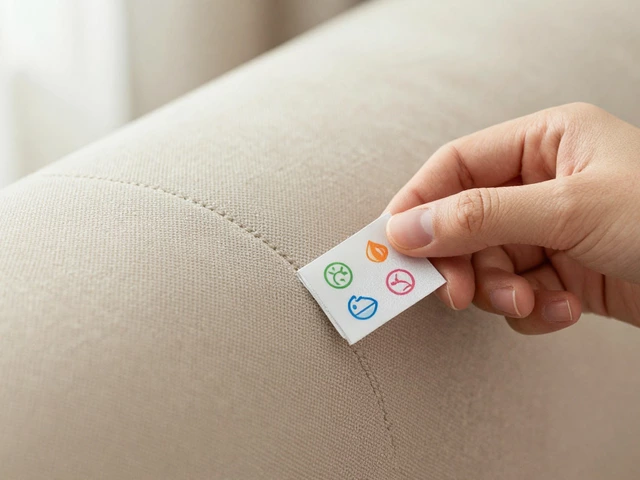
It’s not all bad. If your upholstery is made of 100% cotton or a durable microfiber labeled as “steam-safe,” and you’re dealing with light dirt or odors, steam can be fine. Just make sure to:
- Test a hidden area first (like under a cushion)
- Use the lowest heat setting
- Move the nozzle constantly-don’t hold it still
- Follow up with a fan or dehumidifier to dry the piece within 6 hours
Even then, it’s a temporary fix. For deep cleaning, especially on older or valuable furniture, steam is not the best tool.
Better Alternatives for Upholstery Cleaning
If steam isn’t the answer, what is? Here are three proven options:
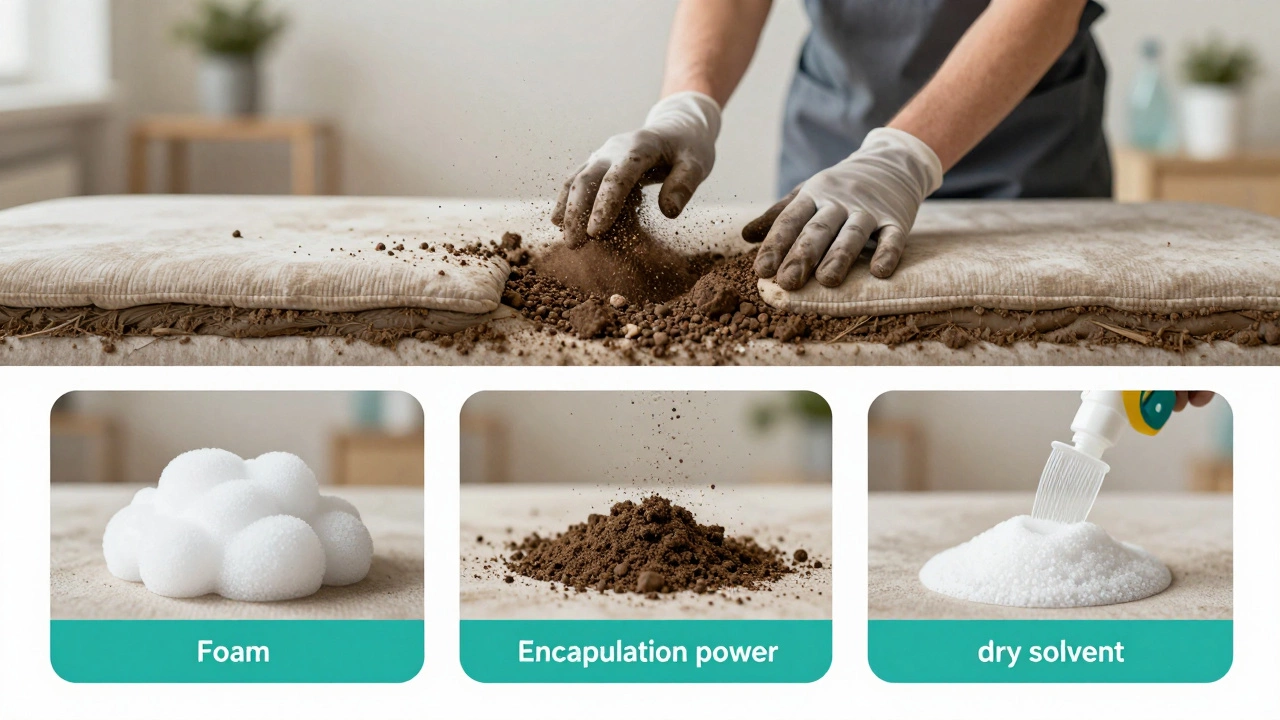
- Low-moisture foam cleaning - Uses a dry foam that lifts dirt without soaking the fabric. Dries in under 2 hours. Ideal for most home fabrics.
- Encapsulation cleaning - A polymer-based solution crystallizes dirt, which you then vacuum up. No water, no heat, no risk of mold. Popular with pet owners.
- Professional dry cleaning - For delicate fabrics like silk or velvet, dry cleaning with solvents is the only safe method.
These methods don’t promise instant results like steam does, but they’re far less likely to damage your furniture. And they actually remove the dirt, not just move it around.
Final Thought: Steam Isn’t the Enemy-Misuse Is
Steam cleaning isn’t evil. But treating it like a magic wand for every stain, every fabric, every sofa? That’s where things go wrong. If you’re serious about keeping your upholstery clean and lasting longer, learn your fabric type, understand the limits of your tools, and don’t assume hotter means cleaner. Sometimes, less is more. And sometimes, calling a pro isn’t a luxury-it’s the only way to save your couch.
Can steam cleaning ruin my sofa?
Yes, it can. Steam can shrink, melt, or fade certain fabrics like wool, silk, or synthetic blends. It can also trap moisture in the padding, leading to mold. If your sofa is older, expensive, or made of delicate material, steam cleaning carries a high risk of permanent damage.
Why does my sofa smell bad after steam cleaning?
The smell usually comes from mold or mildew growing in the padding because moisture didn’t dry out fast enough. Steam adds water, but if the sofa doesn’t dry within 24-48 hours in a well-ventilated space, bacteria and fungi start growing. That’s not a cleaning failure-it’s a drying failure.
Is steam cleaning safe for pets?
Not always. Steam can set pet urine odors deeper into the fabric and even react with ammonia to create a stronger smell. It also doesn’t remove allergens trapped in the padding. For pet owners, low-moisture or encapsulation cleaning is safer and more effective.
How often should I steam clean my upholstery?
You shouldn’t steam clean upholstery regularly. Even if your fabric is labeled as safe, repeated steam exposure weakens fibers and increases moisture damage risk. For most homes, professional cleaning every 12-18 months is enough. Spot clean spills with a damp cloth and mild detergent instead.
What’s the best way to clean upholstery at home?
For light cleaning, use a dry foam or encapsulation cleaner designed for upholstery. Vacuum first, apply the product according to instructions, let it dry, then vacuum again. Avoid water-heavy methods like steam unless you’re certain the fabric can handle it. Always test in a hidden spot first.