Office Cleaning Checklist Generator
Configure Plan
Select the frequencies you need to cover:
Your Action Plan
0% CompleteSelect options and click Generate to build your checklist.
Walk into a messy office and tell me if you feel motivated. Probably not. A cluttered desk, sticky keyboards, and grimy coffee machines do more than just look bad-they kill productivity and spread germs. That’s where an office cleaning checklist comes in. It’s not just a piece of paper; it’s the backbone of a professional, healthy, and efficient workspace.
If you’ve ever wondered how some offices stay sparkling while others descend into chaos, the answer usually lies in structure. Without a clear plan, cleaning becomes reactive rather than proactive. You end up scrubbing the floor but forgetting the light switches, or vacuuming the carpet while ignoring the sticky residue on the mousepad. An effective checklist ensures nothing slips through the cracks, saving time and ensuring consistent results every single day.
The Core Components of an Effective Checklist
So, what actually goes into this document? At its heart, an office cleaning checklist is a categorized list of tasks assigned to specific frequencies: daily, weekly, monthly, or quarterly. It breaks down the overwhelming job of "cleaning the office" into manageable, bite-sized actions. Think of it as a recipe for cleanliness. If you skip a step, the dish doesn’t turn out right.
A robust checklist typically covers three main areas: high-touch surfaces, waste management, and deep cleaning zones. High-touch surfaces include door handles, light switches, and elevator buttons-places where bacteria love to party. Waste management isn't just about emptying bins; it involves sanitizing them so they don’t become smell bombs. Deep cleaning zones are those neglected spots like behind the printer or under the conference table that only get attention once a month.
| Frequency | Key Tasks | Why It Matters |
|---|---|---|
| Daily | Empty bins, wipe desks, sanitize restrooms | Maintains immediate professionalism and hygiene |
| Weekly | Vacuum carpets, mop hard floors, clean glass | Prevents buildup of dust and grime |
| Monthly | Clean windows, wash upholstery, descale appliances | Restores appearance and extends equipment life |
Daily Tasks: The Foundation of Cleanliness
Let’s start with the basics. Daily tasks are the non-negotiables. These are the things that, if left undone, make an office feel dirty within hours. Imagine arriving at work to find yesterday’s coffee cups still sitting on the communal bench, or worse, discovering the restroom hasn’t been checked since last night. Yikes.
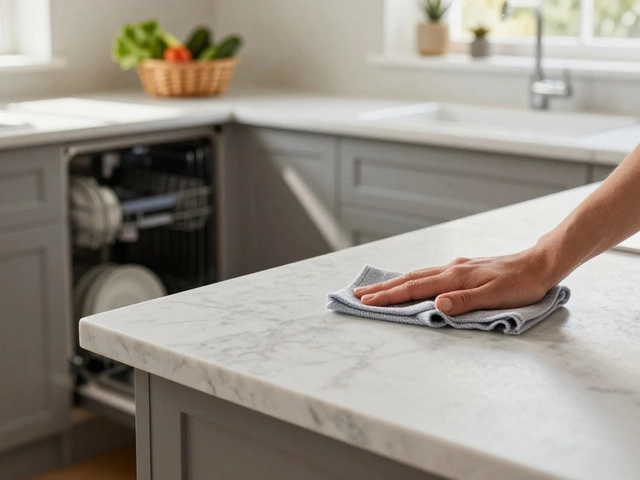
Your daily checklist should prioritize high-traffic areas. Restrooms need constant attention. This means checking toilet levels, refilling soap and paper towels, wiping down sinks, and mopping spills immediately. Don’t forget the mirrors-smudges show up fast. In the kitchen or breakroom, wipe down countertops, sanitize the microwave interior, and check the fridge for expired food. Nothing ruins morale faster than a smelly refrigerator.
In the general workspace, focus on surface sanitization. Wipe down shared keyboards, phones, and door handles. Vacuum high-traffic pathways if foot traffic is heavy. These small, consistent actions prevent the accumulation of dirt and reduce the spread of common colds and flu viruses among staff.
Weekly Deep Cleans: Getting Into the Details
Once a week, you need to shift gears from maintenance to restoration. Weekly tasks tackle the grime that daily wipes miss. This is when you bring out the heavier equipment like vacuums with HEPA filters and steam cleaners. Dust accumulates quickly in offices, especially if you have open-plan layouts or lots of electronics. Dust bunnies under desks aren’t just ugly; they can trigger allergies and clog computer fans, leading to overheating issues.
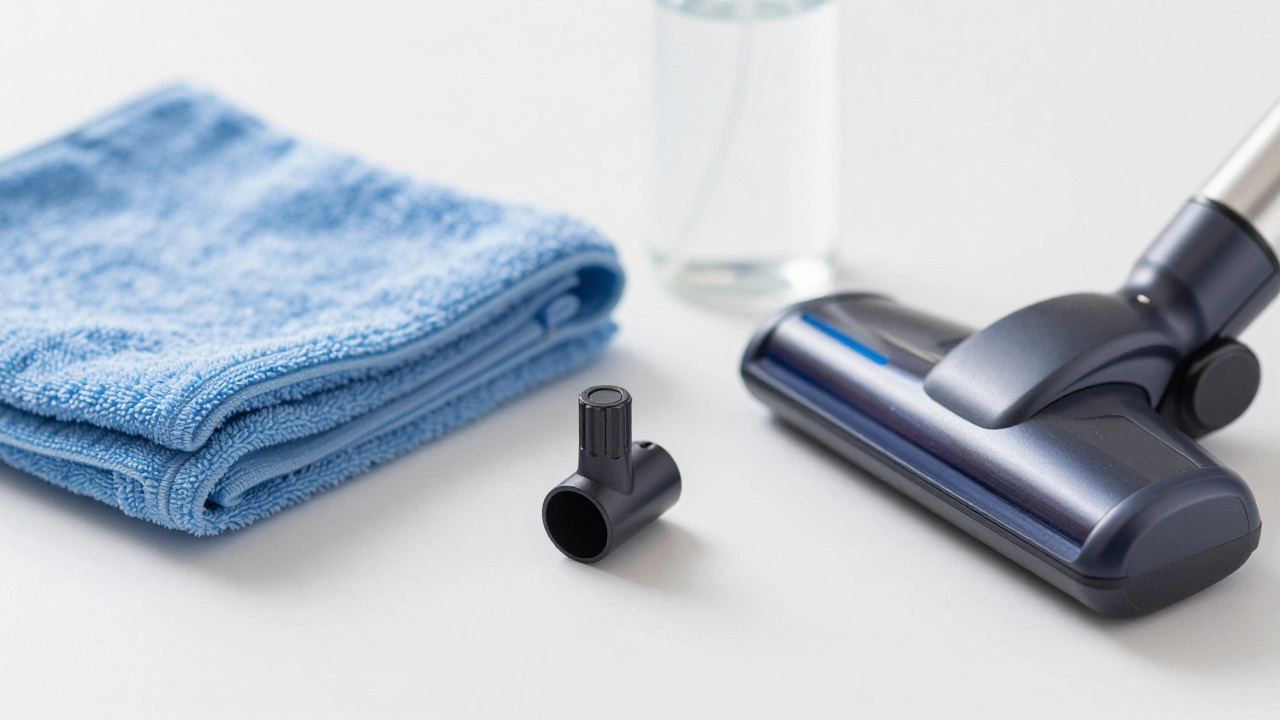
Start by moving lightweight furniture to vacuum underneath. Use a microfiber cloth to dust blinds, window sills, and top of cabinets. Pay special attention to light fixtures and ceiling vents-dust here affects air quality significantly. In the kitchen, take out the trash bags and spray the inside of the bin with disinfectant. Wash the sink thoroughly, including the drain, which often harbors hair and food particles.
Glass surfaces also deserve weekly love. Fingerprints on doors and partitions look unprofessional. Use a streak-free cleaner and a squeegee for large panes. For smaller glass items, a lint-free cloth works wonders. Remember, consistency is key. If you skip a week, the next one takes twice as long.
Monthly and Quarterly Maintenance: The Big Picture
Some tasks don’t need frequent attention, but neglecting them leads to major problems down the line. Monthly cleaning focuses on areas that accumulate slow-building dirt. This includes washing upholstered chairs, cleaning carpet stains, and descaling coffee machines. Coffee scale builds up rapidly and can ruin expensive equipment if ignored. Use a vinegar solution or a commercial descaler according to the manufacturer’s instructions.
Quarterly tasks are for the heavy lifting. Think about washing wall-mounted whiteboards, cleaning air conditioning vents, and polishing metal fixtures. These jobs might require specialized tools or even professional help depending on the size of your office. For example, carpet shampooing might be needed quarterly in high-traffic zones to remove embedded dirt that regular vacuuming can’t reach.
Don’t overlook outdoor areas if your office has entrance steps or patios. Sweeping leaves and debris prevents slip hazards and keeps the exterior looking welcoming. Seasonal changes also dictate certain tasks; for instance, winter requires more frequent mat cleaning to remove salt and slush, while summer might mean more frequent window washing due to pollen.
Tailoring the Checklist to Your Space
No two offices are alike. A creative agency with an open floor plan needs a different approach than a law firm with private offices and a formal reception area. Customization is crucial. Start by walking through your space and identifying unique pain points. Do you have a lot of paper waste? Add a shredder cleanup task. Is there a gym or wellness room? Include towel laundering and equipment sanitization.
Consider the materials used in your office. Hardwood floors need different care than vinyl tiles. Leather furniture requires conditioning, while fabric upholstery needs spot cleaning. Understanding these specifics helps you choose the right products and methods, preventing damage and extending the lifespan of your assets.
Also, think about occupancy levels. A fully remote team might only need bi-weekly cleans, whereas a bustling hub with fifty employees needs daily intensive service. Adjust the frequency based on actual usage patterns. Over-cleaning wastes resources; under-cleaning compromises health and image.
Tools and Products: What You Actually Need
You don’t need a warehouse full of chemicals to keep an office clean. In fact, fewer products often mean better results because you’re less likely to mix incompatible substances or leave harmful residues. Stick to a core set of reliable tools:
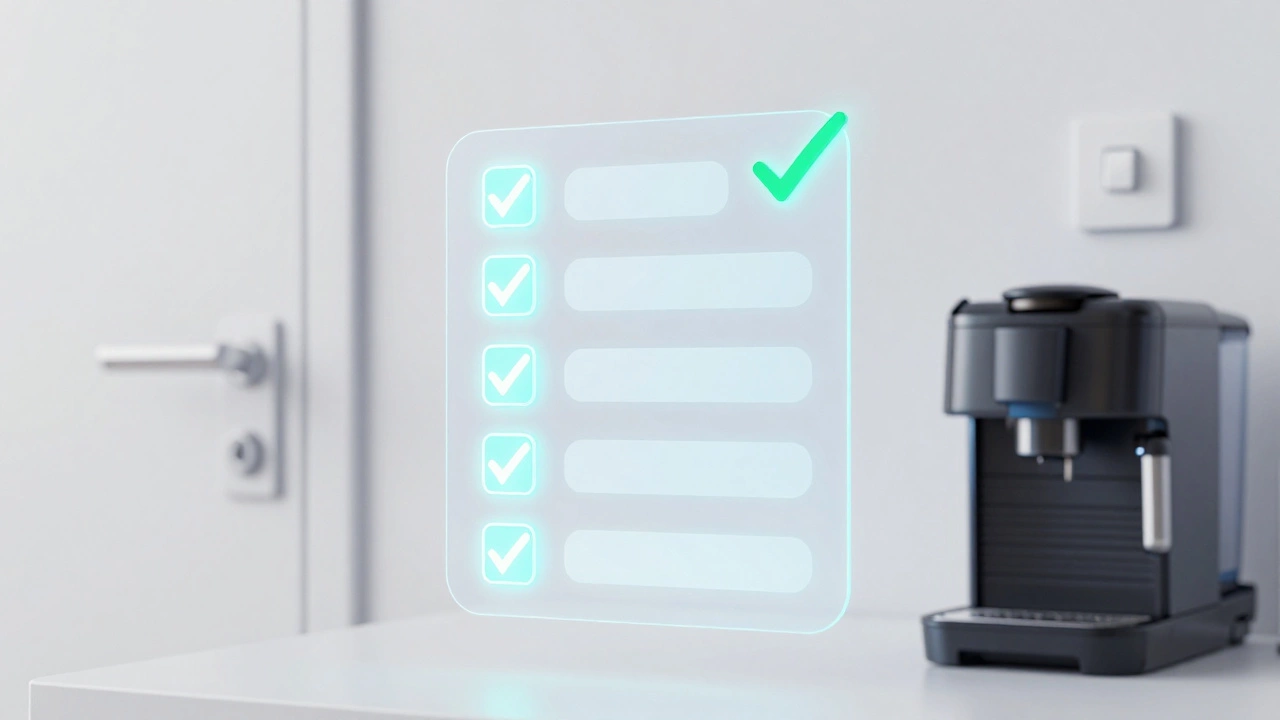
- Microfiber Cloths: Essential for trapping dust and bacteria without scratching surfaces. Use color-coded cloths to avoid cross-contamination (e.g., red for toilets, blue for desks).
- All-Purpose Cleaner: A versatile solution for most surfaces. Look for eco-friendly options if sustainability is a priority.
- Disinfectant Spray: Crucial for killing germs on high-touch points. Ensure it has sufficient contact time listed on the label.
- HEPA Vacuum: Captures fine particles and allergens, improving indoor air quality significantly compared to standard vacuums.
- Mop and Bucket System: A wringer bucket makes mopping faster and cleaner by removing excess water from the mop head.
Avoid abrasive scrubs unless dealing with tough stains, as they can scratch delicate surfaces like stainless steel or laminate. Always read product labels to ensure compatibility with your office materials. When in doubt, test a small, inconspicuous area first.
Implementing and Maintaining the System
Having a checklist is useless if no one follows it. Whether you hire a cleaning company or manage it in-house, accountability is vital. Post the checklist in a visible location, perhaps near the supply closet or on a digital dashboard. Assign responsibilities clearly. If it’s internal, rotate duties so no one feels burdened. If it’s outsourced, review the checklist with the cleaning team during onboarding.
Regular audits keep everyone honest. Once a month, walk through the office with the checklist in hand and tick off completed items. Note any missed spots and discuss them constructively. Feedback loops improve performance over time. Celebrate successes too-a clean office boosts morale, so acknowledge the effort that went into maintaining it.
Technology can help streamline this process. Digital checklists via apps allow cleaners to log tasks in real-time, upload photos of completed work, and flag issues instantly. This transparency builds trust between management and cleaning staff, ensuring everyone is aligned on expectations.
How often should I update my office cleaning checklist?
Review and update your checklist at least twice a year. Changes in office layout, new equipment, or seasonal shifts may require adjustments. Additionally, gather feedback from employees about cleanliness concerns to refine tasks.
Is it better to hire professionals or clean in-house?
It depends on your budget and staff capacity. Professionals offer expertise and reliability, freeing up your team to focus on core business activities. In-house cleaning provides direct control but requires training and supervision. Many companies opt for a hybrid model: daily upkeep in-house, deep cleans professionally.
What are the most overlooked areas in office cleaning?
Commonly neglected spots include light switches, elevator buttons, keyboard crevices, and the tops of filing cabinets. Also, don’t forget to clean the underside of desks and behind heavy furniture, where dust and pests can hide.
Can I use household cleaners in the office?
While possible, it’s not recommended. Household cleaners may not be formulated for commercial use and could void warranties on office equipment. Commercial-grade products are designed for durability and safety in high-traffic environments. Always check compatibility before using any product.
How do I handle biohazard spills in the office?
Biohazard spills, such as blood or bodily fluids, require special handling. Never clean them yourself. Contact a certified biohazard remediation service immediately. They have the proper PPE and protocols to decontaminate the area safely, protecting both health and legal compliance.