Safe Cleaning Recipe Generator
Select your cleaning task and surface type below to get a recommended non-toxic recipe and safety warnings.
You scrub your kitchen counter with a spray that smells like artificial lemons and pine trees. It feels clean. But does it actually make your home safer? Most conventional cleaners rely on harsh chemicals like bleach, ammonia, and phthalates. These ingredients kill bacteria, sure, but they also irritate your lungs, skin, and eyes. If you have kids crawling on the floor or pets licking their paws after a mop session, "clean" shouldn't come at the cost of your health.
So, what is the safest household cleaner? The answer isn't one magic bottle. It's about choosing ingredients that clean effectively without leaving toxic residues. We're talking about simple, proven options like white vinegar, baking soda, castile soap, and hydrogen peroxide. These aren't just hippie myths; they are chemically sound methods for removing dirt, grease, and grime. Let's break down exactly which cleaners are safest for your family, your pets, and your planet, and how to use them properly so you don't end up with a sticky mess instead of a sparkling shine.
The Problem With Conventional Cleaners
Walk down the cleaning aisle in any supermarket, and you'll see bottles screaming "Kills 99.9% of Germs!" That sounds great until you read the back label. Many popular brands contain volatile organic compounds (VOCs). These are gases emitted from solids or liquids that can cause headaches, dizziness, and long-term respiratory issues. The Environmental Protection Agency has noted that indoor air pollution levels can be two to five times higher than outdoor levels, largely due to these household products.
Then there's the issue of skin irritation. Surfactants like sodium lauryl sulfate are effective at cutting grease, but they strip natural oils from your skin. For people with eczema or sensitive skin, this is a daily battle. And let's not forget the environmental impact. When you wash these chemicals down the drain, they enter waterways, affecting aquatic life. Choosing a safer alternative isn't just about personal health; it's a small but significant step toward reducing your ecological footprint.
Top Contenders for the Safest Household Cleaner
If you want to swap out the harsh stuff, here are the heavy hitters in the world of non-toxic cleaning. These ingredients are biodegradable, low-toxicity, and surprisingly effective when used correctly.
| Ingredient | Best Used For | Safety Profile | Key Limitation |
|---|---|---|---|
| White Vinegar | Glass, mirrors, hard floors, descaling | Low toxicity, edible grade available | Smell dissipates quickly; avoid on stone |
| Baking Soda | Scrubbing sinks, ovens, deodorizing | Non-toxic, mild abrasive | Can scratch delicate surfaces if too gritty |
| Castile Soap | All-purpose cleaning, laundry, dishes | Plant-based, biodegradable | Do not mix with vinegar (curdles) |
| Hydrogen Peroxide | Disinfecting, whitening grout, stains | Breaks down into water and oxygen | Bleaches fabrics; keep away from light |
| Citrus Solvents | Sticky residue, grease, adhesives | Natural degreaser, pleasant scent | Can damage some plastics or painted surfaces |
White Vinegar: The All-Purpose Powerhouse
Distilled white vinegar is arguably the MVP of safe cleaning. Its active ingredient, acetic acid, cuts through mineral deposits, soap scum, and grease. It’s cheap, widely available, and breaks down naturally. A standard 5% acidity solution works wonders on windows and countertops. Just remember: never use vinegar on natural stone like granite or marble. The acid etches the surface, leaving dull spots that no amount of polishing will fix.
Baking Soda: The Gentle Scrubber
Sodium bicarbonate is more than just a baking ingredient. It’s a mild alkali that helps dissolve dirt and grease. Because it’s slightly abrasive, it’s perfect for scrubbing bathtubs, sinks, and oven interiors without scratching them like steel wool would. It also neutralizes odors rather than masking them. Sprinkle it on a damp sponge, scrub, rinse, and you’re done. It’s completely safe if your toddler decides to taste-test a little bit off the counter.
Castile Soap: The Liquid Gold
Made from vegetable oils like olive, coconut, or hemp, castile soap is a true all-rounder. Brands like Dr. Bronner’s have made it famous, but any pure liquid castile soap works. It lifts dirt and microbes off surfaces effectively. Unlike synthetic detergents, it rinses clean and doesn’t leave a chemical film that attracts more dust later. Use a teaspoon per gallon of water for mopping floors, or dilute it further for spraying counters.
When You Need Disinfection: Hydrogen Peroxide vs. Bleach
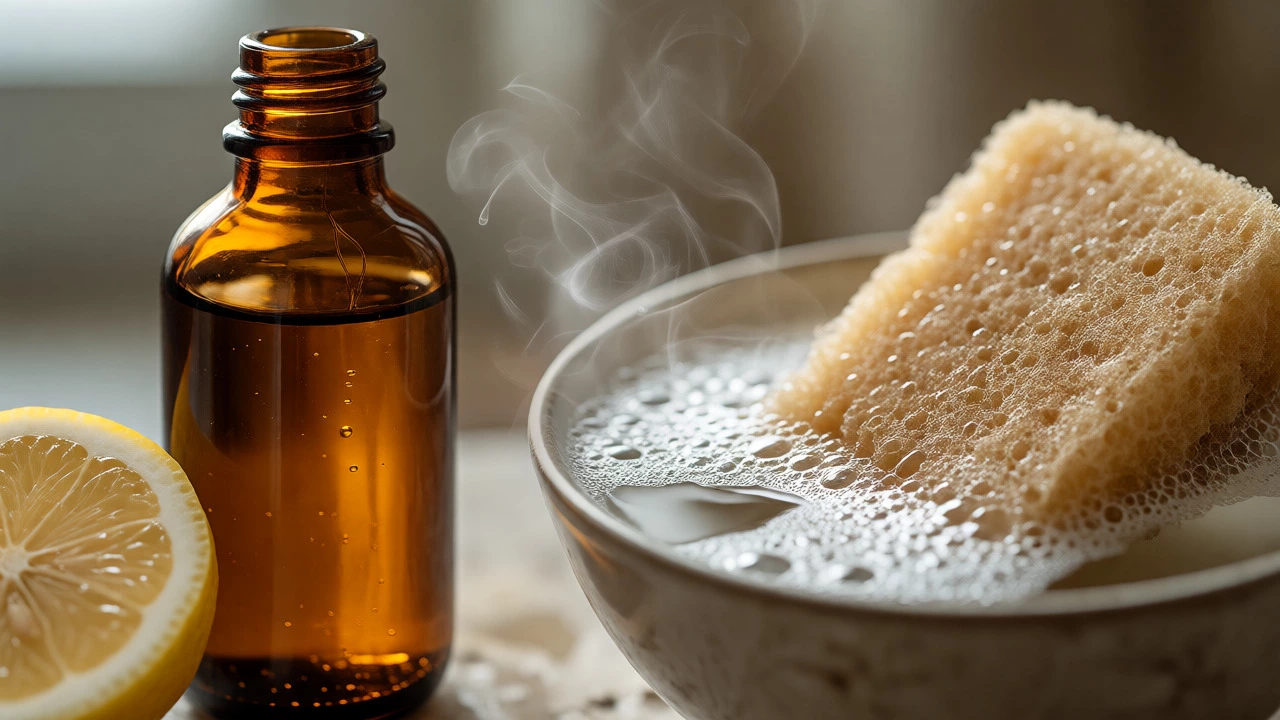
Cleaning removes dirt. Disinfecting kills germs. Sometimes, you need both. This is where many people panic and reach for chlorine bleach. While bleach is effective, it’s harsh on lungs and can react dangerously with other cleaners. A safer alternative is hydrogen peroxide. At a 3% concentration (the brown bottle kind), it kills bacteria, viruses, and mold spores. After it does its job, it decomposes into plain water and oxygen. No toxic fumes, no lingering residue.
To use it as a disinfectant, spray the surface and let it sit for at least ten minutes. This contact time is crucial. Wiping it immediately won’t kill everything. For stubborn mold in bathroom corners, apply it directly, let it fizz, then scrub. It’s tough enough for hygiene but gentle enough for homes with asthmatic residents.
The Golden Rules of Mixing Cleaners
Just because an ingredient is natural doesn’t mean you can mix anything with anything. Chemistry still applies. Here are the critical rules to avoid turning your kitchen into a science experiment gone wrong:
- Vinegar + Castile Soap = Curdled Mess: The acid in vinegar reacts with the alkaline soap, causing it to curdle. It looks gross and cleans poorly. Use them separately. Wash with soap, rinse, then wipe with vinegar if needed.
- Vinegar + Baking Soda = Fizz, Not Power: This reaction creates carbon dioxide gas. It’s fun to watch, but once the bubbling stops, you’re left with mostly water and sodium acetate (salt). It’s not a powerful cleaner on its own. Use baking soda as a paste first, then spray vinegar to help lift the loosened debris.
- Never Mix Bleach + Ammonia (or Vinegar): Even if you’re trying to go natural, if you accidentally use a product with ammonia alongside vinegar, you can create chloramine gas. Stick to one base ingredient at a time.
DIY Recipes for Every Room
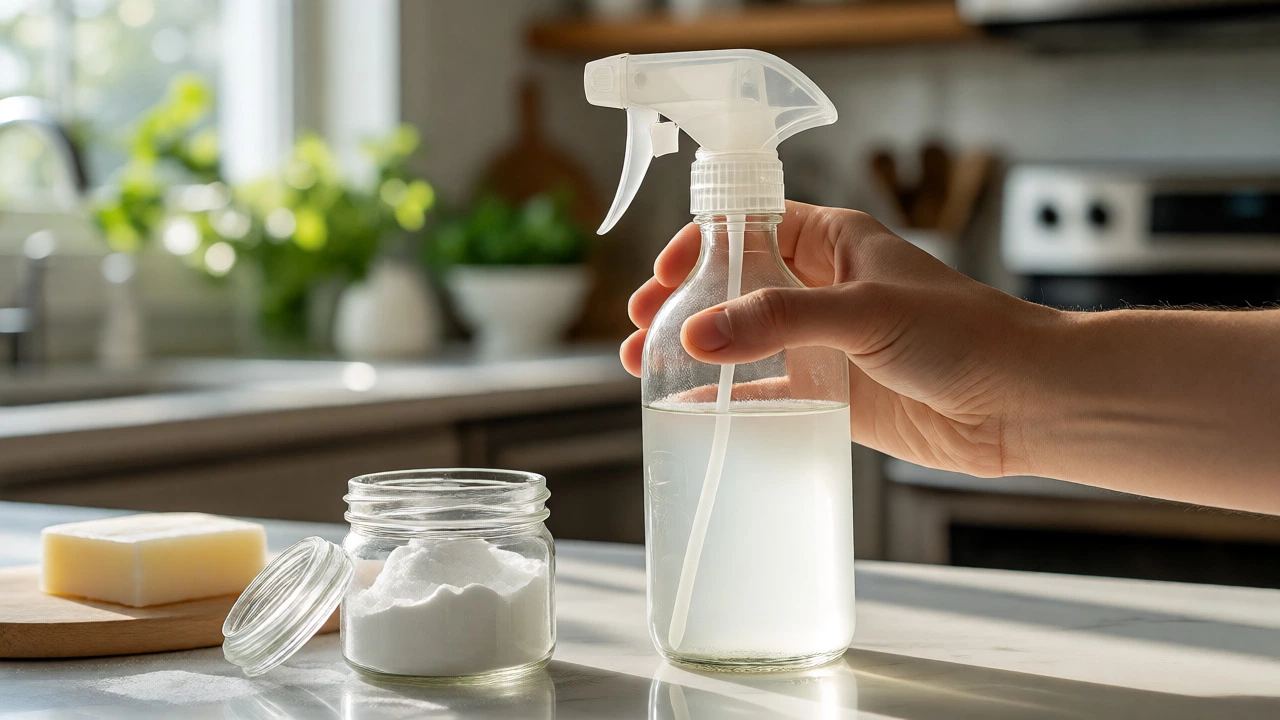
You don’t need complicated formulas. Here are three basic mixes that cover 90% of household tasks. Store them in reusable glass spray bottles to avoid plastic waste.
The All-Purpose Kitchen Spray
This handles spills, counters, and appliances.
- Fill a 16oz spray bottle halfway with distilled white vinegar.
- Add a few drops of lemon essential oil for scent and extra degreasing power.
- Top off with water.
- Shake gently before each use.
The Bathroom Scrub Paste
Perfect for tile grout, shower doors, and tubs.
- Mix ½ cup baking soda with enough water to form a thick paste.
- Apply to the dirty area with a sponge.
- Let it sit for 15 minutes.
- Spritz with vinegar to activate the lifting action, then scrub and rinse.
The Glass & Mirror Polisher
No streaks, no smudges.
- Mix 1 cup water, 1 cup rubbing alcohol (isopropyl), and 1 tablespoon white vinegar.
- Pour into a spray bottle.
- Spray onto glass and wipe with a microfiber cloth. The alcohol helps it dry fast, preventing streaks.
Store-Bought Options: What to Look For
Not everyone wants to mix their own potions. If you prefer buying ready-made products, look for certifications that verify safety and environmental standards. The EPA’s Safer Choice label is a good start, ensuring ingredients meet strict criteria for human and environmental health. Also, check for third-party testing from organizations like Green Seal or EWG Verified. These labels cut through the marketing fluff of terms like "natural," which has no legal definition in cleaning products.
Avoid products that list "fragrance" or "parfum" without specifying the source. This catch-all term can hide hundreds of undisclosed chemicals, including phthalates, which are linked to hormone disruption. Opt for unscented versions or those scented solely with essential oils.
Is "Natural" Always Safe?
Here’s a tricky nuance: poison ivy is natural. Hemlock is natural. So, just because something comes from a plant doesn’t automatically make it safe for every context. Essential oils, for example, are potent. Tea tree oil is great for killing mold, but it can be toxic to cats if ingested in large amounts. Lavender is calming for humans but can trigger allergies in some individuals.
Always research specific ingredients if you have vulnerable family members. For most general household uses, though, the core staples-vinegar, baking soda, soap-are universally safe and well-studied. They offer a balance of efficacy and safety that synthetic chemicals struggle to match without added risks.
Frequently Asked Questions
Does vinegar really kill germs?
Vinegar is a good cleaner and can kill some types of bacteria and mold, such as E. coli and Salmonella. However, it is not a hospital-grade disinfectant. It may not kill tougher viruses like norovirus or influenza. For routine cleaning, it’s excellent. During flu season or if someone in the house is sick, follow up with hydrogen peroxide or an EPA-approved disinfectant for high-touch areas.
Can I use baking soda on stainless steel?
Yes, but be careful. Baking soda is mildly abrasive. If you scrub too hard on brushed stainless steel, you might change the finish or leave scratches. Use a soft cloth and gentle pressure. For best results, make a paste with water, apply lightly, and always wipe in the direction of the grain to maintain the appliance’s appearance.
Why does my homemade cleaner smell bad?
If you’re using castile soap, it might smell "soapy" or faintly earthy, which is normal. If it smells sour or rotten, you may have mixed it with vinegar (causing curdling) or stored it in a warm place where bacteria grew. Always use distilled water for homemade sprays to prevent bacterial growth, and make small batches that you use within a week or two.
Are essential oils safe for pets?
It depends on the pet and the oil. Cats lack certain liver enzymes to break down compounds found in many essential oils, making tea tree, eucalyptus, and citrus potentially toxic to them. Dogs are generally more tolerant but can still be sensitive. Always diffuse oils in well-ventilated rooms and ensure pets can leave the room if they choose. Consult your vet before adding strong scents to your cleaning routine.
How do I remove hard water stains safely?
Hard water stains are mineral deposits, usually calcium and magnesium. Acid dissolves minerals. White vinegar is perfect for this. Soak a paper towel in vinegar and wrap it around the faucet or showerhead. Leave it for 30-60 minutes. Remove and scrub gently with an old toothbrush. For heavier buildup, use a stronger citric acid solution available in powder form.