UK Builder's Clean Cost Estimator
Walking into a freshly built home or a renovated space, you expect it to look pristine. But "pristine" is a slippery term in the construction industry. For most homeowners and project managers, the gap between what a builder promises and what they actually deliver during the final builder's clean is the process of removing construction debris, dust, and minor defects from a site before handover. is frustrating. You don't want to spend your first weekend scrubbing plaster off the windowsills or finding paint splatters on the new kitchen cabinets.
This guide breaks down exactly what should be included in a professional post-construction cleaning service in the UK. We’ll look at the specific tasks, the common pitfalls, and how to verify that the job is done right so you can move in without a second thought.
The Core Difference: Construction Dust vs. Household Dirt
Before we get into the checklist, it’s crucial to understand why a builder's clean is different from a standard end-of-tenancy clean or a spring tidy-up. Construction dust isn't just dirt; it’s a mix of silica, cement particles, and fine powders that settle into every crevice. If not removed properly, this dust can cause respiratory issues and damage sensitive surfaces like polished stone or hardwood floors.
A proper builder's clean focuses on three main areas:
- Debris Removal: Clearing out packaging, tools, and leftover materials.
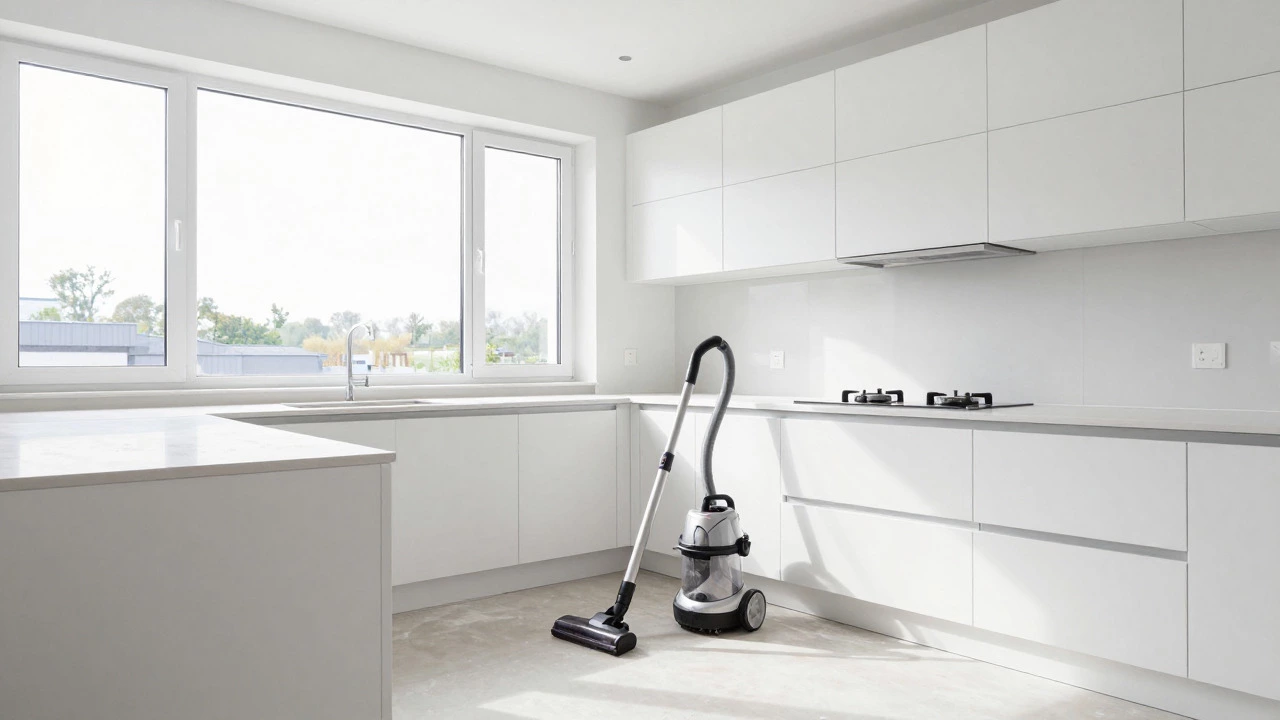
- Dust Extraction: Using HEPA-filtered vacuums to remove microscopic particles from vents, corners, and fixtures.
- Surface Protection: Ensuring no abrasive cleaners are used on delicate finishes like quartz countertops or soft wood flooring.
If you’re hiring a team, ask specifically if they use industrial-grade extraction equipment. A domestic vacuum cleaner often lacks the suction power and filtration needed to capture fine construction dust effectively.
Room-by-Room Expectations
Let’s walk through the house. Each room has specific requirements that define a high-standard handover.
Kitchen and Utility Areas
The kitchen is usually the hardest hit by construction debris because it’s often the last room fitted. Here’s what you should see:
- Cabinets: Inside and out. Handles should be free of stickers, labels, and paint marks. The inside of drawers must be empty of sawdust and packing foam.
- Appliances: Built-in ovens, dishwashers, and fridges should be plugged in (if applicable) and wiped down. No protective plastic film should remain on stainless steel surfaces.
- Countertops: Quartz, granite, or laminate surfaces must be free of cement stains. Cement is acidic and can etch stone permanently if left too long.
- Tiles: Grout lines should be cleaned of excess mortar. Any cracked tiles should be flagged for replacement, not just cleaned.
Bathrooms and WCs
Bathroom fittings are expensive and prone to scratching. A good builder's clean ensures:
- Sanitaryware: Sinks, baths, and toilets are spotless with no limescale or soap scum from testing runs.
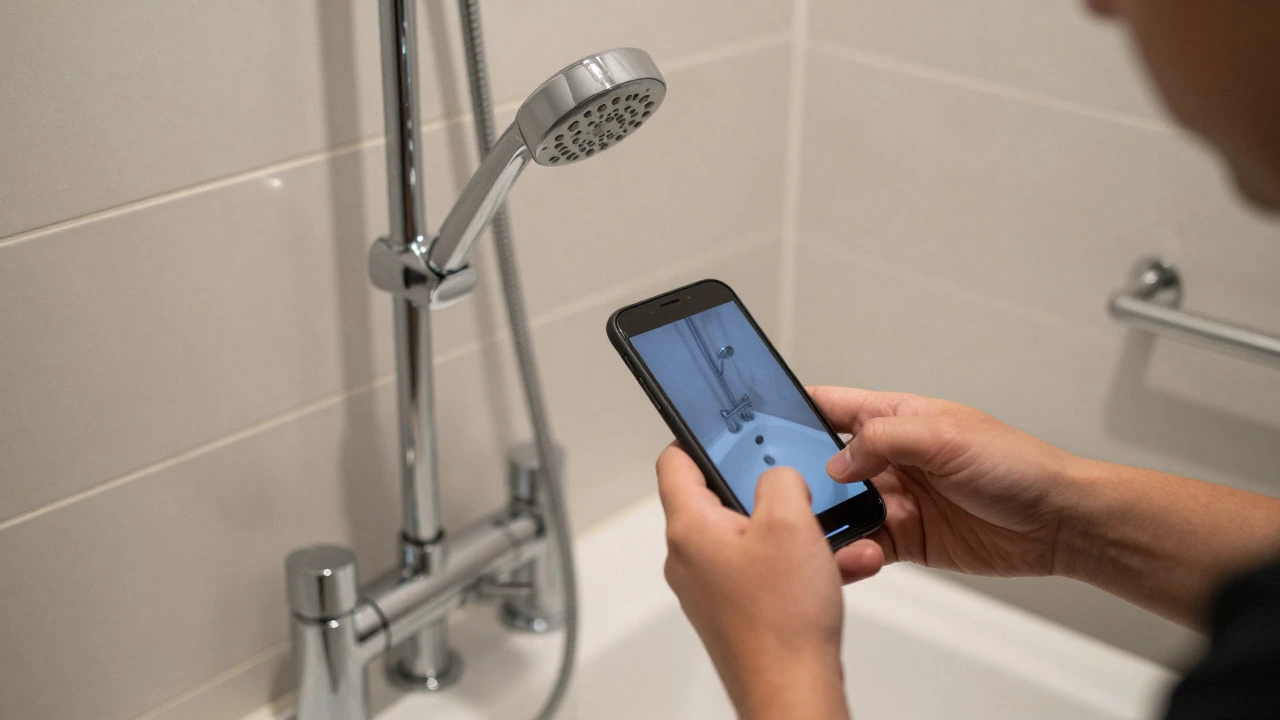
- Fixtures: Taps and showerheads should be checked for water flow and pressure. Any drips need to be reported immediately.
- Floors: Porcelain or ceramic tiles must be sealed if required, and grout must be uniform in color.
Living Spaces and Bedrooms
In living areas, the focus shifts to walls, ceilings, and flooring.
- Walls and Ceilings: Paint should be even. There should be no roller marks, drips, or unpainted patches around light switches and sockets. Skirting boards must be free of dust and paint splatter.
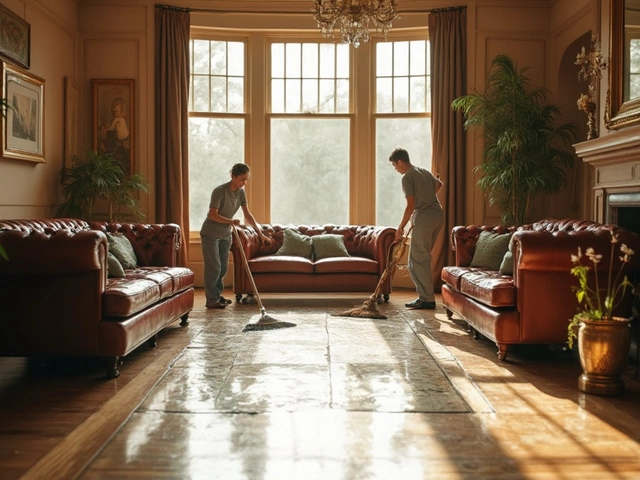
- Flooring: Hardwood or laminate floors should be swept and mopped with a pH-neutral cleaner. Carpeted areas should be vacuumed thoroughly to remove loose fibers and dust.
- Windows and Glazing: This is a major pain point. Windows should be streak-free on both sides. Frames should be wiped down, and any silicone sealant should be neat and smooth.
The Snagging List: What to Check Before Signing Off
Cleaning is one part of the equation, but a builder's clean is also an opportunity to identify defects. In the UK, this is often called snagging is a systematic inspection of a new build to identify cosmetic and functional defects.. You shouldn’t sign the completion certificate until these items are addressed.
- Check All Doors and Windows: Do they open and close smoothly? Are the locks functioning? Look for gaps in the seals.
- Test Electrical Outlets: Use a socket tester to ensure all outlets are live and correctly wired.
- Inspect Plumbing: Run water in all taps and flush all toilets. Check under sinks for leaks.
- Look for Cracks: Examine plasterboard joints and external walls for hairline cracks that may indicate settling issues.
- Verify Safety Features: Smoke detectors, CO alarms, and fire escapes should be installed and operational.
Keep a photo diary. Take pictures of every defect you find. This creates a clear record that makes it harder for the builder to dispute the issue later.
Common Pitfalls to Avoid
Even with a professional team, things can go wrong. Here are the most common issues I’ve seen in Leeds and across the UK:
- The "Quick Wash": Some builders rush the final clean to meet deadlines. They might wipe surfaces but skip the detailed dust extraction from vents and radiators. Always ask for a detailed checklist before they start.
- Wrong Cleaning Products: Using abrasive sponges on glass or acidic cleaners on marble can cause permanent damage. Ensure the cleaning team uses appropriate products for each surface type.
- Missing Minor Defects: A small chip in a tile or a scratched door handle might seem trivial, but it adds up. Be thorough in your inspection.
- Lack of Communication: If you find an issue, report it immediately. Don’t wait until the movers arrive. Builders are more likely to fix issues while their team is still on site.
Costs and Timelines in the UK Market
How much should you expect to pay? Prices vary based on the size of the property and the level of detail required. As of 2026, here are some rough guidelines for the UK market:
| Property Size | Standard Clean | Deep/Detail Clean | Typical Duration |
|---|---|---|---|
| 1-Bedroom Flat | £250 - £350 | £400 - £550 | 4-6 hours |
| 3-Bedroom House | £500 - £700 | £800 - £1,100 | 1-2 days |
| 4+ Bedroom Detached | £800 - £1,200 | £1,300 - £1,800+ | 2-3 days |
Note: These prices are for independent cleaning companies. If the builder includes the clean in the contract price, it may be less detailed. Always clarify who is responsible for the final clean in your contract.
When to Hire a Specialist vs. DIY
Should you try to do the builder's clean yourself? It depends on your time and budget. If you’re moving in within a week, hiring professionals is usually worth the cost. They have the right equipment and experience to work efficiently. However, if you have flexibility, you can tackle some tasks yourself:
- DIY Friendly: Sweeping floors, wiping down counters, removing large debris.
- Professional Only: Window cleaning (especially upper floors), carpet shampooing, oven interior cleaning, and detailed dust extraction.
A hybrid approach works well for many homeowners. Let the pros handle the heavy lifting and technical cleaning, then do a final walkthrough yourself to catch any missed spots.
Final Thoughts on Handover
A builder's clean is the bridge between construction chaos and comfortable living. It’s not just about making the house look nice; it’s about ensuring the property is safe, functional, and ready for its new owners. By understanding the standards and knowing what to check, you can avoid costly mistakes and enjoy your new home from day one.
Remember, the goal is not just cleanliness, but peace of mind. If something feels off, trust your instincts. Ask questions, take photos, and don’t hesitate to request fixes. Your home deserves the best start possible.
Who is responsible for the builder's clean?
Usually, the builder is responsible for the initial clean as part of the handover process. However, many buyers hire independent cleaning companies for a more detailed final clean. Check your contract to see who bears the cost and responsibility.
How long does a builder's clean take?
For an average 3-bedroom house, a standard clean takes 1-2 days. A deep clean with detailed dust extraction can take up to 3 days. Larger properties or those with extensive renovation work will take longer.
What is the difference between a builder's clean and an end-of-tenancy clean?
A builder's clean removes construction debris and fine dust from a new build or renovation. An end-of-tenancy clean removes household dirt, grease, and wear-and-tear from a lived-in property. The former requires specialized equipment for dust extraction; the latter focuses on degreasing and sanitizing.
Should I inspect the house before the clean?
Yes. It’s best to do a preliminary inspection before the final clean. This allows you to identify major structural or functional issues that need fixing before the cleaners arrive. Minor cosmetic issues can be noted during the final inspection after the clean.
Are there specific cleaning products recommended for new builds?
Yes. Use pH-neutral cleaners for stone and tile, non-abrasive cloths for glass, and dedicated floor cleaners for hardwood or laminate. Avoid bleach on colored grout and acidic cleaners on natural stone to prevent etching.