Carpet Cleaning Method Selector
Find Your Best Cleaning Method
Based on the article's research on steam cleaning drawbacks, this tool helps you choose the safest method for your specific carpet conditions.
Steam carpet cleaning sounds perfect-hot water, deep clean, no chemicals, right? But if you’ve ever walked on a carpet after steam cleaning and felt it still damp two days later, or noticed your rug shrinking, buckling, or smelling musty, you’re not imagining things. Steam cleaning isn’t the magic fix it’s made out to be. In fact, it comes with a long list of hidden problems that most companies won’t tell you until after you’ve paid.
It Takes Too Long to Dry
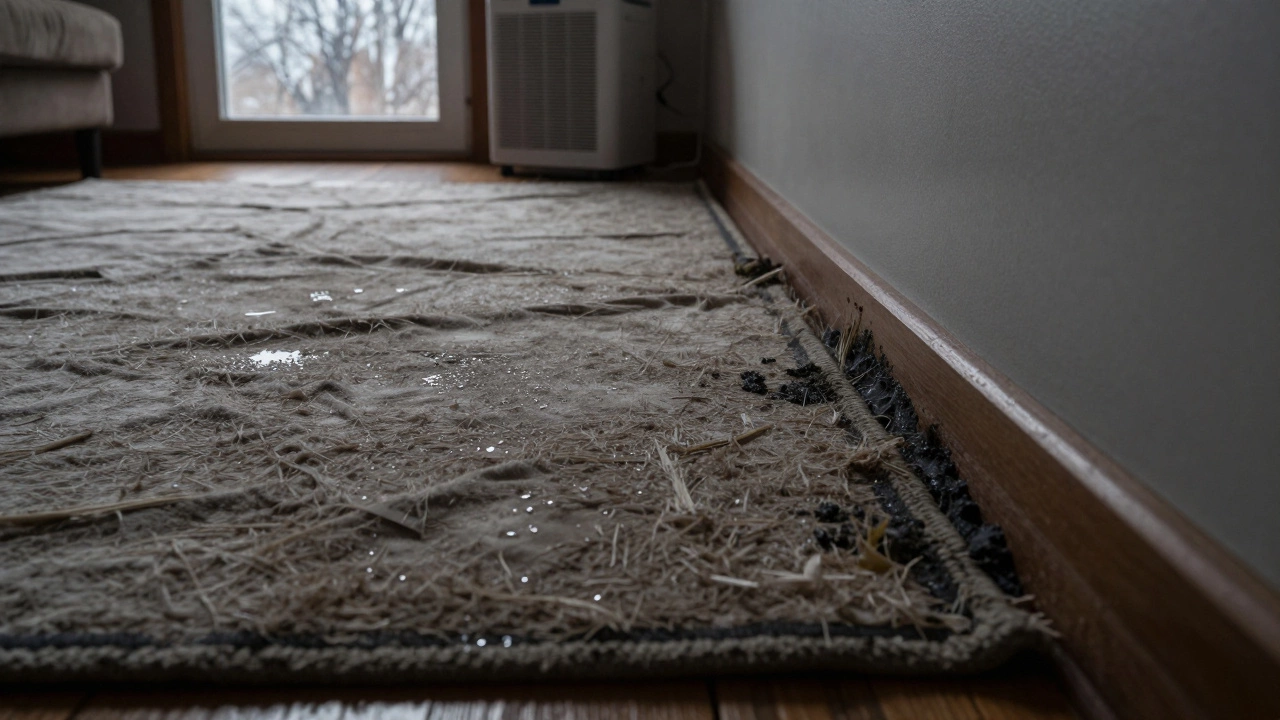
Steam cleaners push gallons of hot water into your carpet fibers. That sounds good until you realize that water doesn’t just disappear. Most carpets take 12 to 24 hours to dry fully, sometimes even longer in humid climates or thick pile carpets. During that time, your carpet is a breeding ground for mold, mildew, and bacteria. If you have pets or kids who crawl on the floor, you’re literally letting them sit in damp, dirty water. One homeowner in Seattle reported black mold forming under her living room rug after steam cleaning in winter-she didn’t notice until the smell got unbearable.
It Can Shrink or Warp Your Carpet
Not all carpets are made the same. Wool, natural fiber blends, and older carpets are especially vulnerable to heat and moisture. Steam cleaning can cause shrinkage, especially in the backing or edge bindings. You might not notice it right away, but over time, the carpet starts to pull away from the walls, develops ripples, or looks like it’s been stretched unevenly. A 2023 study by the Carpet and Rug Institute found that 18% of carpet damage claims from steam cleaning were due to shrinkage or warping-mostly in homes over 10 years old.
It Leaves Behind Residue
Even if you think you’re using a “chemical-free” steam cleaner, you’re probably not. Most machines use detergents or rinses to help lift stains. These can get trapped in the carpet backing if not fully extracted. Over time, this residue attracts dirt like a magnet. That’s why your carpet might look clean right after steam cleaning, but gets dirty again faster than before. It’s not your fault-you’re just cleaning the wrong way. One professional cleaner in Texas told me he sees this so often he now refuses to steam clean carpets older than five years unless the owner signs a waiver.
It Can Damage Carpet Padding
Your carpet doesn’t sit on the floor-it sits on padding. That padding absorbs moisture just like the carpet. When you flood it with steam, the padding gets soaked. And unlike carpet, padding doesn’t dry easily. Wet padding means trapped moisture, which leads to mold, odors, and even structural damage to your subfloor. Replacing padding can cost $2 to $5 per square foot. That’s hundreds, sometimes over a thousand dollars, just to fix a cleaning mistake. And most steam cleaning services won’t even check your padding before they start.
It’s Not Great for All Stains
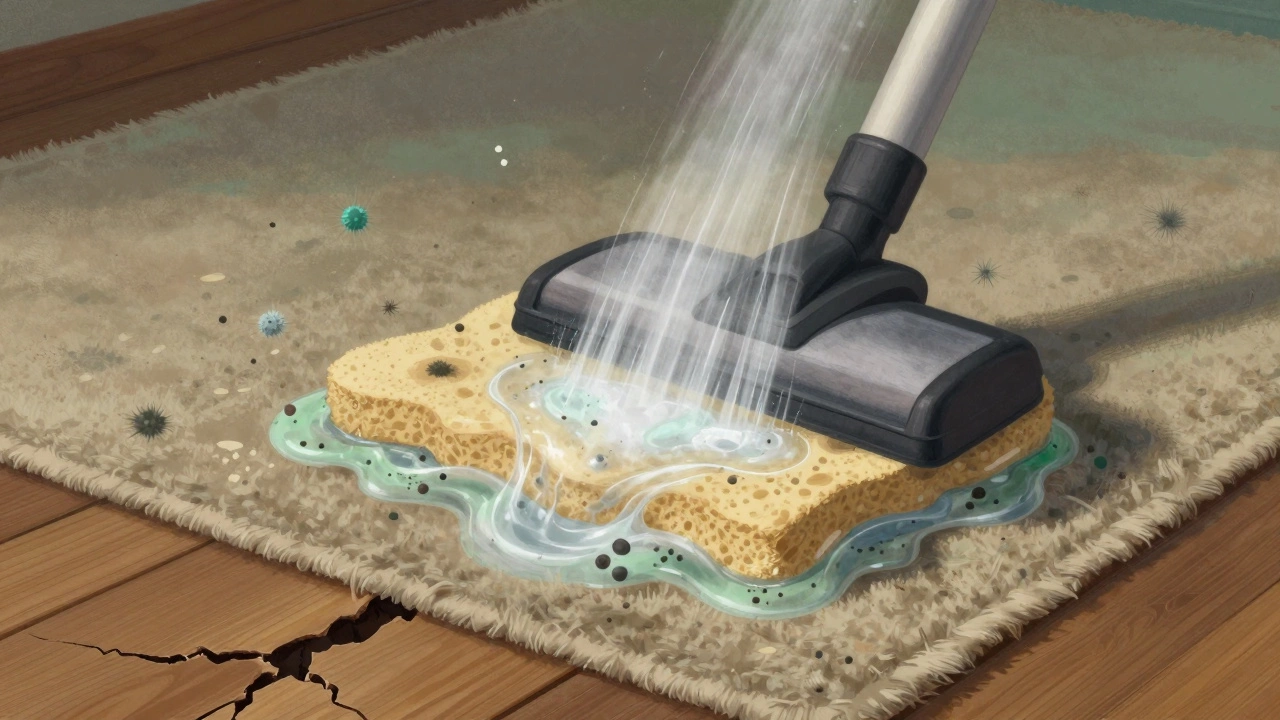
Steam works well on dirt and grease, but it’s useless-or even harmful-on certain stains. Blood, wine, ink, and pet urine can set deeper when exposed to heat. Heat causes proteins in blood and urine to bind permanently to fibers. That’s why pet owners often find that steam cleaning makes old urine smells worse. Instead of removing the odor, it locks it in. For these stains, enzyme cleaners or cold water extraction are far more effective. Using steam on them is like pouring boiling water on a burn-it makes it worse.
It Can Void Your Carpet Warranty
Most carpet manufacturers require specific cleaning methods to keep the warranty valid. Many explicitly ban steam cleaning or require professional-grade equipment with proper extraction. If you use a rented steam cleaner or a low-end service, you could accidentally void your warranty. One family in Ohio had to pay $4,000 to replace their carpet after a steam cleaning job caused widespread damage-and their warranty was denied because the cleaner didn’t meet the manufacturer’s pressure and temperature specs.
It’s Expensive and Inefficient
Professional steam cleaning can cost $100 to $300 per room, depending on size and location. But you’re paying for water, not results. For the same price, you could hire someone who uses dry extraction or low-moisture methods that dry in under 2 hours and don’t risk mold or shrinkage. Renting a steam cleaner sounds cheaper, but most people end up renting it twice because the first time didn’t work. You’re spending time, money, and effort on a method that often fails to deliver lasting results.
It’s Not Eco-Friendly, Despite What You’re Told
Steam cleaning is marketed as “green,” but it’s anything but. It uses hundreds of gallons of water per home. In drought-prone areas like California or Arizona, that’s irresponsible. Plus, the energy needed to heat that water is huge. A single steam cleaning job can use as much electricity as running a space heater for 8 hours. And if the water isn’t properly filtered or disposed of, it can carry contaminants into your drainage system. Real eco-friendly cleaning uses minimal water, no harsh chemicals, and dries fast-steam cleaning does the opposite.

It’s Not Safe for Everyone
People with asthma, allergies, or compromised immune systems should avoid steam cleaning. The process stirs up dust mites, mold spores, and allergens that were buried in the carpet. Even if the carpet looks clean, the air quality drops during and right after cleaning. One 2024 survey of allergy sufferers showed that 42% experienced worse symptoms after steam cleaning compared to dry cleaning methods. The moisture also encourages dust mites to multiply if the carpet doesn’t dry completely.
What Should You Do Instead?
If you want to clean your carpet safely and effectively, skip steam. Try these alternatives:
- Dry powder cleaning: Uses absorbent compounds that trap dirt. No water. Dries in 30 minutes.
- Low-moisture extraction: Uses minimal water and high suction. Dries in 2-4 hours. Professional-grade.
- Encapsulation: A polymer solution crystallizes dirt so it can be vacuumed up. Great for high-traffic areas.
- Professional hot water extraction with proper drying: Only if done by certified technicians with industrial vacuums and air movers.
For pet owners, always use enzyme-based cleaners for urine stains. For stains like wine or ink, blot with cold water and vinegar, then vacuum dry. For general maintenance, vacuum weekly and deep clean twice a year with a low-moisture method.
When Is Steam Cleaning Acceptable?
There are only a few cases where steam cleaning might work:
- Your carpet is synthetic (nylon, polyester), newer than 3 years, and has no padding issues.
- You’re using a professional service with industrial-grade equipment that extracts 95%+ of water.
- You have powerful air movers and dehumidifiers running for 24 hours after cleaning.
- You’ve checked your carpet warranty and confirmed steam cleaning is allowed.
Even then, it’s risky. Most experts agree: if you can avoid steam cleaning, you should.
Does steam cleaning kill dust mites?
Yes, steam can kill dust mites on contact if the temperature reaches 130°F or higher. But the problem isn’t killing them-it’s what happens after. If the carpet stays damp, new mites return within days. Plus, dead mites and their waste still trigger allergies. Dry cleaning methods remove them physically without leaving moisture behind, making them more effective long-term.
Can steam cleaning ruin hardwood floors underneath?
Absolutely. If your carpet is installed over hardwood, steam can seep through seams and damage the wood. Moisture causes warping, cupping, and discoloration. Even if the carpet seems dry, water can travel under the edges. Many homeowners don’t realize their floor is ruined until months later, when the wood starts to buckle. Always check for gaps or edges before steam cleaning.
Why does my carpet smell bad after steam cleaning?
That smell is mold or mildew growing in damp padding or backing. Steam leaves behind moisture that doesn’t evaporate quickly. Bacteria and fungi feed on organic debris trapped in the carpet. The odor gets worse in humid weather. The fix? Remove the padding, dry the subfloor, and replace the carpet if needed. Airing it out won’t solve it.
Is it better to rent a steam cleaner or hire a pro?
Hiring a pro with industrial equipment is safer-if they use proper extraction and drying. But most rental units don’t extract enough water. You’re just pushing dirt deeper into the carpet and leaving it wetter than before. Professionals have powerful vacuums and air movers that reduce drying time. Still, even pros can cause damage if they don’t adjust for your carpet type.
How often should I clean my carpet?
Vacuum at least once a week. Deep clean every 12-18 months using a low-moisture method. If you have pets, kids, or allergies, go every 6-12 months. Steam cleaning every 6 months is overkill and damaging. Most carpets don’t need that much cleaning-just better techniques.
Final Thought
Steam cleaning isn’t evil-it’s just outdated. It was popular because it looked impressive and felt like a deep clean. But modern methods are faster, safer, and more effective. If your carpet is still wet after a day, you’re doing it wrong. Stop treating your carpet like a sponge. Treat it like the expensive, high-performance material it is. Choose cleaning methods that protect it, not ones that just make it look clean for a few hours.