Window Cleaning Cost Estimator
Job Details
Estimated Quote
Professional ServiceHave you ever stared at a quote for window cleaning and thought, "Wait, that’s just wiping glass with soap and water"? It feels like a scam. You see someone with a bucket and a squeegee, and the math in your head says it should cost twenty bucks. But when the invoice arrives, it’s often three or four times that amount.
The gap between what we think the job is and what it actually involves is where the confusion lies. Window cleaning isn’t just about making things transparent; it’s a mix of high-risk labor, specialized equipment, insurance liabilities, and logistical headaches. When you break down the anatomy of a professional service call, the price tag starts to make sense. Here is exactly where your money goes.
The Hidden Cost of Risk and Insurance
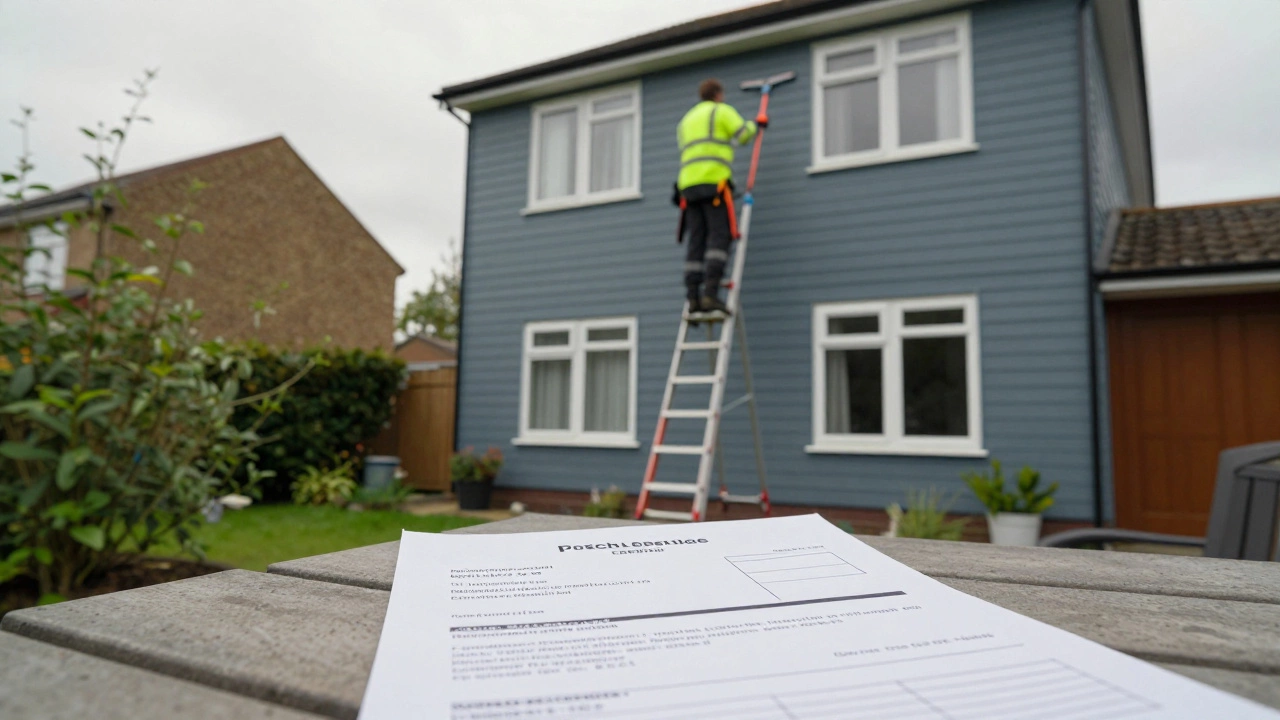
The first thing you pay for is safety. Specifically, the safety of the cleaner and the protection of your property. If you hire a pro, they aren’t just bringing skill; they are bringing coverage. Professional window cleaners carry general liability insurance and workers' compensation. These policies are not cheap. For a small business, premiums can run into thousands of dollars annually, especially if the work involves heights.
Consider the risk factor. A slip from a second-story ladder doesn't just hurt the worker; it could shatter your windows, dent your siding, or damage your landscaping. The insurance premium accounts for these potential disasters. When you get a quote, you are paying for the peace of mind that if something breaks-or worse, if someone gets hurt-the bill won't land on your doorstep. Cheap, uninsured operators might offer lower rates, but one accident could leave you liable for medical bills and repairs that dwarf the savings.
Do I need to worry about insurance if I hire a friend?
Yes. If an uninsured individual injures themselves on your property, you could be held legally responsible for their medical expenses. Professional services transfer this liability away from you through their insurance policies.
Equipment That Isn’t Just a Bucket and Sponge
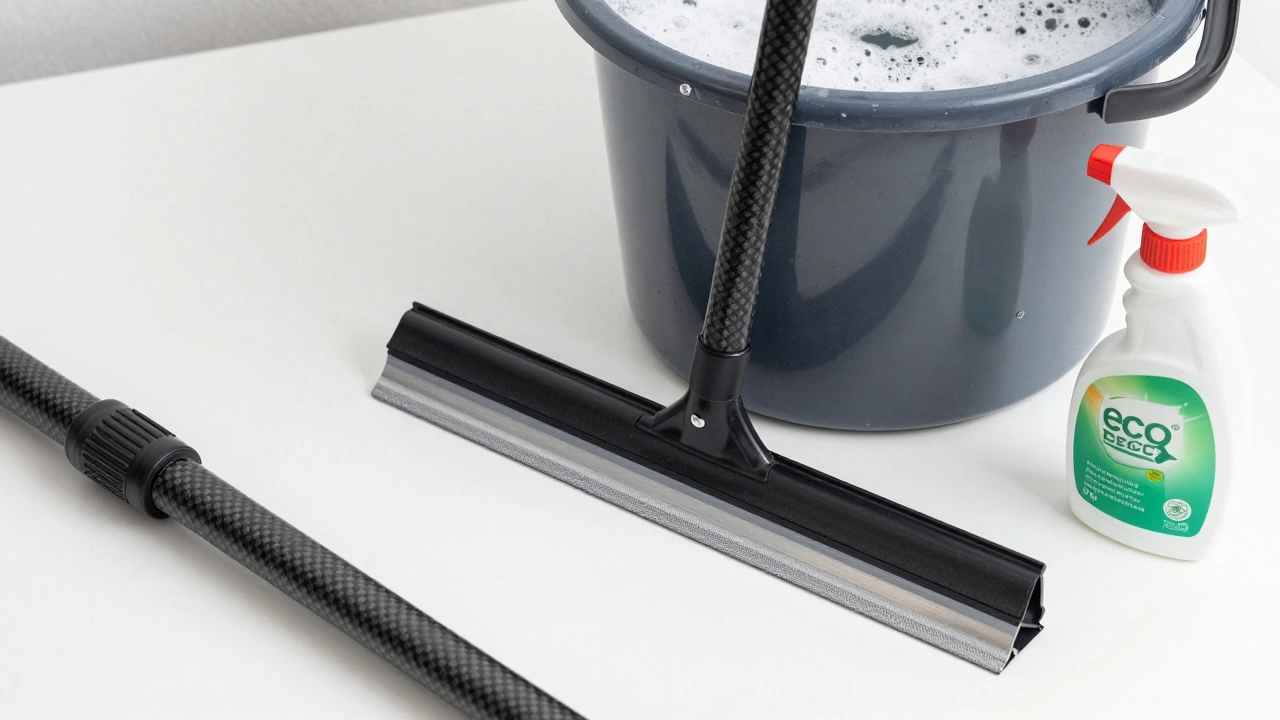
Amateurs use a sponge and newspaper. Professionals use a toolkit that costs hundreds, if not thousands, of dollars. The difference isn't just preference; it's efficiency and quality. A high-quality squeegee blade alone needs replacing every few weeks depending on usage. Then there are the extension poles, which must be lightweight yet rigid enough to reach third-story windows without wobbling. Carbon fiber poles, the industry standard for high-reach jobs, can cost over $100 each.
For larger homes or commercial buildings, the gear escalates quickly. Water-fed pole systems, which use purified water to clean windows from the ground up, require pumps, filtration units, and large tanks. This setup eliminates the need for ladders in many cases but requires a significant upfront investment. Ladders themselves are a major expense. Extension ladders that are safe, rated for heavy loads, and compliant with OSHA standards are heavy and costly to transport and maintain. Your quote covers the depreciation and maintenance of this heavy machinery.
The Logistics of Time and Travel
Time is the most tangible cost in any service industry, but window cleaning has unique time drains. First, there is travel. A cleaner doesn't spend eight hours a day scrubbing glass. They spend a significant portion of their day driving between jobs. If you live in a suburban sprawl or a rural area, the drive time increases. Fuel costs have risen sharply in recent years, and vehicle wear and tear add to the operational overhead. This "dead time" is baked into the hourly rate.
Then there is the setup time. Before a single drop of soapy water hits your glass, the cleaner must move outdoor furniture, clear pathways, set up ladders safely, and check for obstructions like bird nests or broken screens. Afterward, they must pack up, clean their tools to prevent cross-contamination, and ensure no water has leaked indoors. What looks like a five-minute wipe-down often takes thirty minutes of actual labor when you include prep and cleanup.
| Component | Percentage of Total Cost | Description |
|---|---|---|
| Labor & Skill | 40% | Actual cleaning time plus expertise in handling delicate frames. |
| Insurance & Overhead | 25% | Liability coverage, workers' comp, and administrative costs. |
| Equipment & Supplies | 15% | Depreciation of tools, replacement blades, and eco-friendly detergents. |
| Travel & Logistics | 10% | Fuel, vehicle maintenance, and transit time between sites. |
| Profit Margin | 10% | Sustainable business growth and reinvestment. |
Difficulty Levels: Not All Windows Are Created Equal
If you have a ranch-style home with easy-to-reach double-hung windows, your price will be lower than if you have a Victorian-era home with stained glass, intricate muntins, and hard-to-reach upper panes. Complexity drives up the price. Stained glass requires gentle, non-abrasive techniques to avoid cracking the lead caming. Windows with multiple grids (muntins) take significantly longer to clean because the squeegee can't glide freely across the entire surface; the cleaner must go around each small pane individually.
Height is another multiplier. Ground-level windows are straightforward. Second-story windows require ladders and careful balancing. Third-story or higher windows often require scaffolding or water-fed poles, which adds both time and equipment cost. Additionally, dirt levels matter. A house near a busy highway accumulates road grime and brake dust that requires stronger solvents and more elbow grease than a house in a quiet wooded area. Seasonal buildup, such as pollen in spring or salt residue in winter, also increases the effort required.
Market Dynamics and Regional Variations
Where you live plays a huge role in pricing. In urban centers with high costs of living, such as New York City or San Francisco, labor rates are inherently higher. A cleaner in these areas needs to charge more to afford housing and basic necessities. Conversely, in rural areas with lower overhead, prices might be slightly lower, though travel distances can offset those savings.
Seasonality also creates price fluctuations. Spring is peak season for window cleaning as homeowners prepare for warmer weather and want maximum sunlight. Demand spikes, and cleaners can fill their schedules quickly, allowing them to maintain higher rates. Winter, particularly in snowy regions, sees a drop in demand. Some companies offer discounts during off-peak months to keep cash flow steady. Understanding these cycles can help you time your service for better value.

Commercial vs. Residential Pricing Structures
You might notice that commercial contracts seem cheaper per window than residential quotes. This is due to economies of scale. A commercial contract usually involves dozens or hundreds of identical windows cleaned on a regular schedule. The cleaner sets up once and works efficiently through a repetitive process. There is less travel between varied sites and less customization required.
Residential jobs are fragmented. Each house has different layouts, different window types, and different access challenges. The cleaner spends more time adjusting their approach for each client. Furthermore, residential clients often expect additional services, like cleaning tracks, removing cobwebs, or washing screens, which adds to the labor time. Commercial contracts are typically long-term and predictable, reducing the marketing and acquisition costs for the business.
How to Reduce Your Window Cleaning Costs
While you can't change the laws of physics or insurance markets, you can influence your final bill. Here are practical ways to keep costs down without sacrificing quality:
- Maintain Regular Schedules: Cleaning windows every six months prevents heavy buildup. Lighter dirt is easier to remove, requiring less time and fewer chemicals. Many companies offer package deals for bi-annual or quarterly visits.
- Clear Access Paths: Move potted plants, patio furniture, and trash cans before the cleaner arrives. If you spend ten minutes clearing the path, you save the cleaner fifteen minutes of work. Some pros may pass these savings on, or at least ensure you get the full benefit of the quoted time.
- Bundle Services: If you need gutter cleaning, pressure washing, or screen repair, ask for a bundle discount. Combining services reduces the mobilization cost for the provider.
- Get Multiple Quotes: Prices vary widely between companies. Get at least three estimates. Be wary of quotes that seem too good to be true-they likely cut corners on insurance or experience.
- Choose Off-Peak Times: Booking in late fall or winter (if weather permits) might yield lower rates due to reduced demand.
The Value of Professional Results
Ultimately, you are paying for a streak-free finish that lasts. DIY attempts often result in smudges, leftover soap residue, or missed spots, especially on higher windows. Professionals use distilled water and specific techniques to ensure evaporation leaves no marks. They also know how to handle fragile hardware and old seals without causing leaks. When you weigh the cost against the time saved, the risk avoided, and the quality achieved, the price reflects a specialized trade rather than a simple chore. Understanding these factors helps you appreciate the service and make informed decisions about maintaining your home's curb appeal.
How much does it cost to clean windows per pane?
On average, professionals charge between $2 and $5 per pane for residential homes. However, this varies based on location, height, and difficulty. Complex windows with grids or stained glass may cost more.
Is it worth cleaning windows yourself to save money?
For ground-floor windows, yes. It’s a manageable task with basic supplies. For second-story or higher windows, hiring a pro is safer and often more efficient, avoiding the risk of injury and the hassle of renting ladders.
Why do some companies charge by the hour instead of per window?
Hourly rates are common for complex jobs with many variables, such as historic homes with intricate designs or properties with difficult access. It ensures the cleaner is compensated fairly for unexpected challenges.
Does window cleaning include the inside of the windows?
Most residential quotes cover both interior and exterior surfaces unless specified otherwise. Always confirm this in the estimate to avoid surprise charges later.
What should I look for in a window cleaning quote?
Look for transparency. The quote should specify whether screens, tracks, and sills are included. It should also mention insurance coverage and whether the price is flat-rate or hourly. Avoid vague estimates that don't detail the scope of work.