Cloudy Window Diagnosis & Treatment Tool
Step 1: Visual Diagnosis
Select the appearance that best matches your window's cloudiness.
Diagnosis & Action Plan
Select symptoms on the left to see your diagnosis and treatment steps.
There is nothing quite as frustrating as scrubbing your windows for an hour only to find they still look foggy or streaky. You step back, squinting at the pane, wondering if you missed a spot. But what if I told you that no amount of scrubbing will fix it? The problem isn’t dirt; it’s damage-or chemistry.
Cloudy windows are a common issue in homes across the country, often mistaken for stubborn grime. In reality, that haze is usually caused by mineral deposits from hard water, dried-on soap scum, or even permanent etching of the glass surface. Understanding how do I make my cloudy windows clear again requires diagnosing the root cause first. Using the wrong method can scratch the glass further or leave you with more residue than before.
Diagnose the Cause: Is It Dirt, Minerals, or Etching?
Before you reach for the newspaper and vinegar, you need to identify what is causing the cloudiness. Not all haze is created equal, and treating them incorrectly wastes time and energy.
| Cause | Appearance | Test Method | Removable? |
|---|---|---|---|
| Hard Water Stains | White, chalky spots or rings | Rub with finger; feels rough/gritty | Yes (with acid) |
| Soap Scum/Residue | Filmy, rainbow-like sheen | Smeary when wet, clears slightly | Yes (with degreaser) |
| Glass Etching | Persistent white haze/frost | Smooth to touch, does not rub off | No (permanent) |
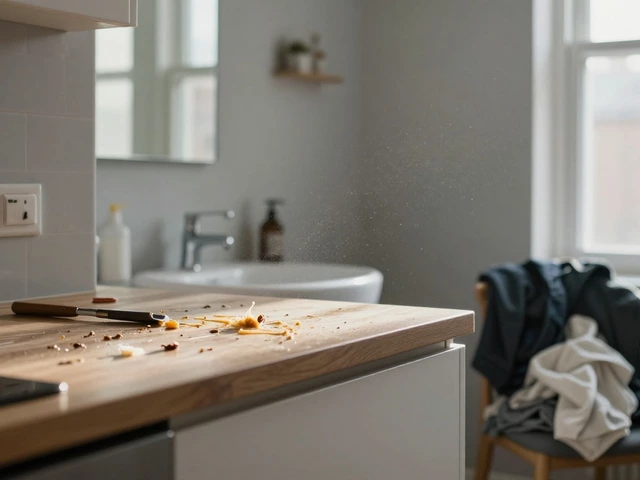
| Interior Paint Splatter | Small droplets or thin layer | Can be scraped gently | Yes (with razor blade) |
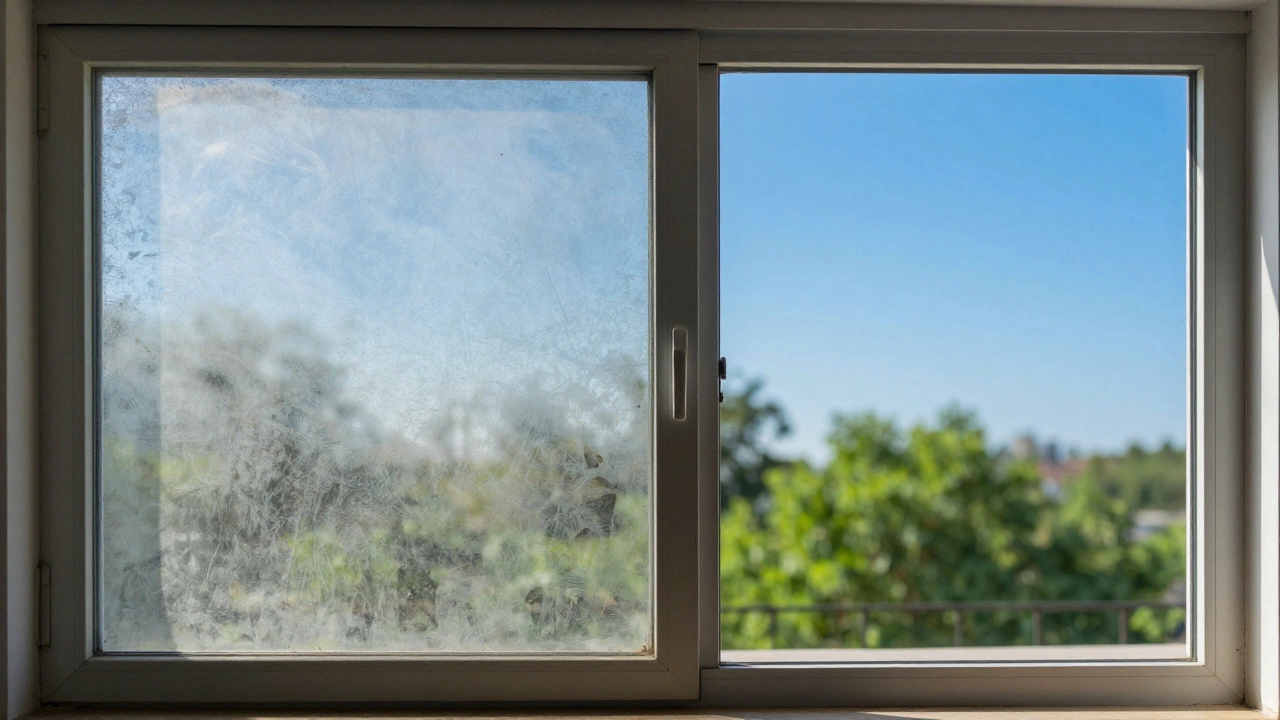
If the cloudiness wipes away partially but leaves a faint residue, you likely have mineral deposits. If it looks like a permanent frost that never goes away, regardless of how hard you scrub, the glass may be etched. Etching happens when acidic substances (like rain mixed with pollution) or abrasive cleaners wear down the silica structure of the glass over years. Unfortunately, once glass is etched, it cannot be "cleaned" clear-it must be polished or replaced.
Removing Hard Water Stains and Mineral Deposits
Hard water contains high levels of calcium and magnesium. When water evaporates on your windowpane, these minerals remain behind, forming a crusty layer that blocks light. Commercial window cleaners often fail here because they are designed for dust and fingerprints, not chemical bonds.
To break down these deposits, you need an acid. Here is a reliable, safe method using household items:
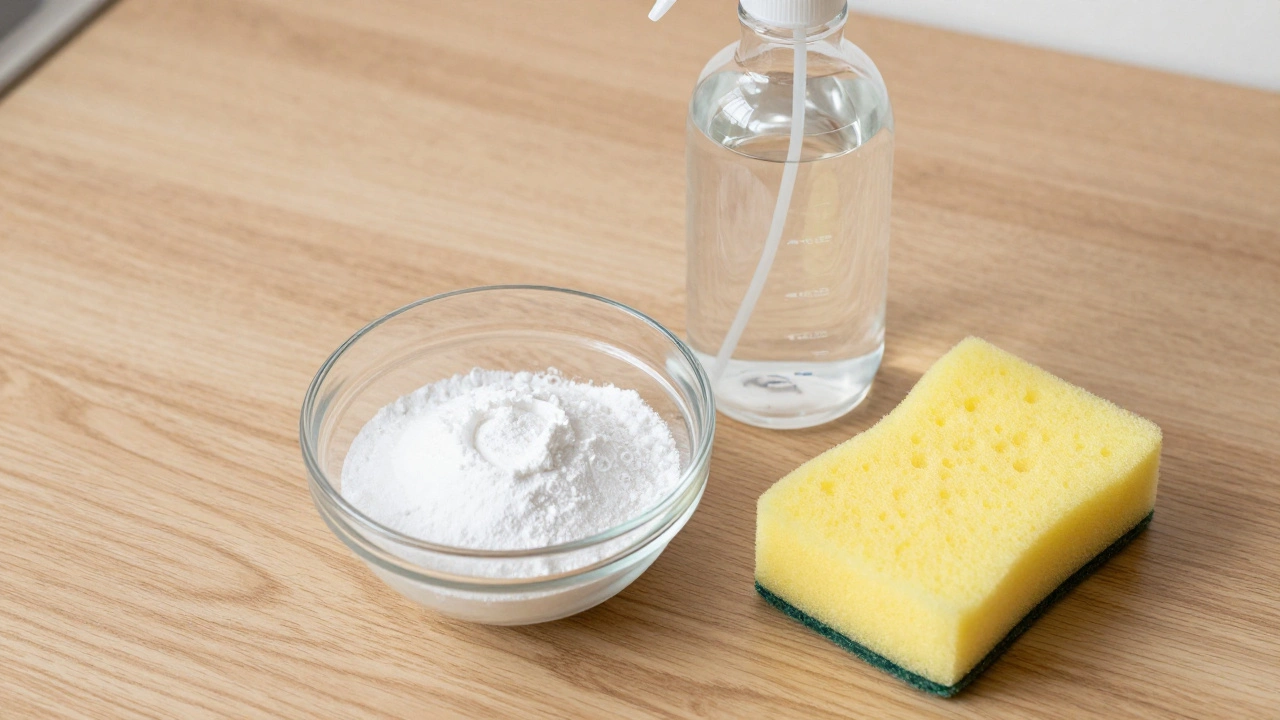
- Create a Paste: Mix baking soda with a small amount of water or white vinegar until it forms a thick paste. Baking soda acts as a gentle abrasive, while vinegar provides the acidity needed to dissolve calcium.
- Apply Generously: Spread the paste over the stained areas. Let it sit for 10-15 minutes. This dwell time is crucial; rushing this step reduces effectiveness.
- Scrub Gently: Use a non-abrasive sponge or a soft-bristled brush. Avoid steel wool or green scouring pads, which can micro-scratch the glass.
- Rinse Thoroughly: Rinse with clean water. Inspect the window. If spots remain, repeat the process. For severe buildup, you might need a stronger acid like citric acid powder dissolved in warm water.
For outdoor windows exposed to heavy rain and pollution, consider using a specialized product like CLR Calcium, Lime, and Rust Remover. CLR is a commercial-grade cleaner specifically formulated to dissolve mineral deposits without damaging surfaces. Always follow the manufacturer's instructions and wear gloves, as these chemicals can irritate skin.
Tackling Soap Scum and Chemical Residue
If your windows have a rainbow-like film, it’s likely soap scum. This often happens when people use dish soap or laundry detergent to wash windows. These products contain surfactants and fragrances that leave behind a sticky residue when they dry. Standard glass cleaners don’t remove this; they just spread it around.
The solution here is degreasing. Isopropyl alcohol (rubbing alcohol) is excellent for breaking down oily residues. Mix one part rubbing alcohol with one part water in a spray bottle. Spray the window generously and wipe with a lint-free microfiber cloth. The alcohol evaporates quickly, leaving no streaks behind. Alternatively, a diluted ammonia solution (one cup ammonia per gallon of water) works well for tough grease, but ensure proper ventilation as the fumes are strong.
Dealing with Etched Glass: Can You Save It?
If you’ve confirmed your windows are etched, standard cleaning won’t work. Etching is physical damage to the glass surface. However, you can sometimes improve clarity through polishing. This is a labor-intensive process and works best on mild etching.
You will need a glass polishing compound, such as Cerium Oxide. Cerium oxide is a fine abrasive powder used by professionals to polish glass and remove minor scratches and etching.. Apply a small amount of cerium oxide to a felt polishing pad attached to a drill or a handheld buffer. Work in small sections, applying consistent pressure. This process removes a microscopic layer of glass to level out the etched pits. After polishing, buff the area with a clean cloth. Note that this may reduce the thickness of the glass slightly and should not be done on safety glass or laminated windows.
If polishing doesn’t restore clarity, the only true fix is replacement. Modern low-E (low-emissivity) coated windows are particularly susceptible to etching from improper cleaning solutions. If your windows were installed recently and show signs of etching, check your warranty. Some manufacturers cover coating defects.
Preventing Future Cloudiness
Once you get your windows clear, keeping them that way is half the battle. Prevention is simpler than remediation.
- Use the Right Cleaner: Stick to dedicated glass cleaners or a simple mix of water and white vinegar. Avoid dish soaps, multi-surface sprays, or anything labeled "shiny" or "fragrant."
- Dry Immediately: Water spots form when water evaporates. Wipe windows dry with a squeegee or microfiber cloth immediately after washing. This prevents minerals from depositing.
- Install a Water Softener: If you have hard water, installing a whole-house water softener reduces mineral content in all your water, including what you use for cleaning.
- Avoid Abrasives: Never use steel wool, scouring pads, or harsh powders on glass. They create micro-scratches that trap dirt and make future cleaning harder.
- Check Your Screen: Dirty screens can transfer grime to windows during cleaning. Clean your screens first, then the glass.
When to Call a Professional
Sometimes, DIY methods fall short. High-rise windows, skylights, or large commercial panes pose safety risks. Additionally, if you suspect the cloudiness is due to seal failure in double-pane windows (fogging between the panes), no amount of external cleaning will help. That moisture is trapped inside the insulating glass unit (IGU). In this case, you need a professional to replace the sealed unit or apply a temporary defogging film.
Professional window cleaners also have access to industrial-grade acids and polishing tools that can tackle severe etching or decades-old mineral buildup more effectively than household products. If you’re dealing with historic home windows or delicate stained glass, hire a specialist who understands the fragility of older materials.
Why do my windows look cloudy even after cleaning?
If your windows remain cloudy after cleaning, the issue is likely not dirt but mineral deposits from hard water or permanent etching of the glass surface. Regular glass cleaners cannot dissolve calcium or repair physical damage to the glass. You need an acidic solution for minerals or a polishing compound for etching.
Can vinegar remove hard water stains from windows?
Yes, vinegar is effective for mild to moderate hard water stains due to its acetic acid content. For best results, mix vinegar with baking soda to create a paste, let it sit for 15 minutes, then scrub gently. For severe stains, a stronger acid like citric acid or a commercial remover like CLR may be necessary.
Is glass etching permanent?
Glass etching is permanent damage to the surface of the glass. It cannot be cleaned away. However, mild etching can sometimes be improved by polishing the glass with cerium oxide to level out the surface. Severe etching usually requires replacing the window pane.
What causes the rainbow film on windows?
The rainbow film is typically caused by soap scum or residue from using dish soap or multi-purpose cleaners on glass. These products leave behind oils and fragrances that refract light. To remove it, use a degreaser like isopropyl alcohol or a dedicated glass cleaner, and avoid soapy solutions in the future.
How do I prevent windows from getting cloudy again?
To prevent cloudiness, always dry windows immediately after washing to stop water spots from forming. Use only dedicated glass cleaners or vinegar solutions, avoiding soaps and abrasives. If you have hard water, consider installing a water softener to reduce mineral deposits in your cleaning water.