Mattress Urine Damage Estimator
Select options and click calculate to see your risk level.
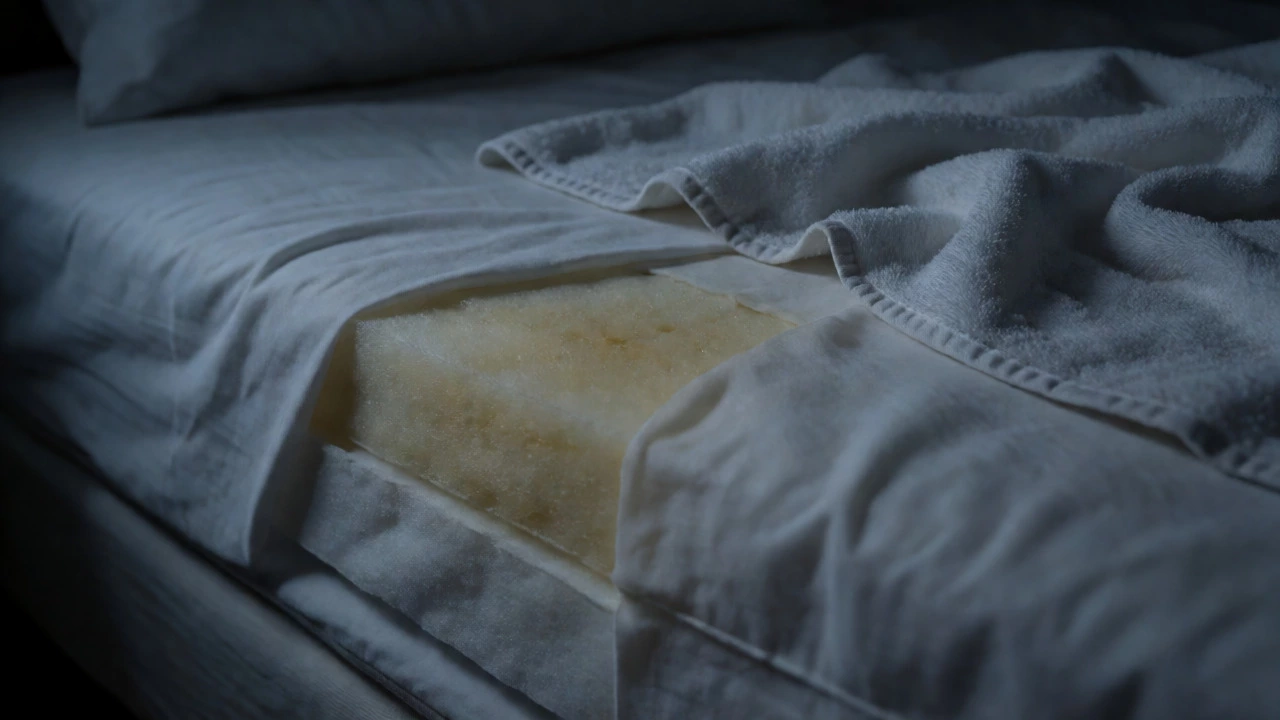
You wake up to a cold, damp spot. Maybe it was a toddler accident, a pet mishap, or just one of those nights where your bladder decided to make an executive decision while you were deep asleep. You might be tempted to throw a towel over it and deal with it tomorrow. But here is the hard truth: leaving urine in your mattress isn't just gross-it’s a ticking time bomb for your health and your wallet.
Why does this matter? Because urine isn’t just water. It’s a complex cocktail of urea, creatinine, uric acid, and salts. When that liquid soaks into the foam or springs of your bed, it doesn’t evaporate cleanly. It lingers. And as it breaks down, things get messy-literally and chemically.
| Time Elapsed | What’s Happening Inside | Visible/Sensory Signs |
|---|---|---|
| 0-2 Hours | Liquid penetrates fabric layers; starts reaching foam core. | Damp patch, mild smell only if you’re close. |
| 1-3 Days | Bacteria begin multiplying; urea converts to ammonia. | Strong chemical odor emerges; yellowing begins. |
| 1 Week+ | Uric acid crystals form; mold spores may activate. | Stubborn smell returns when humid; dark stains set. |
| 1 Month+ | Deep structural degradation; potential pest attraction. | Musty/moldy scent; visible discoloration; dust mites thrive. |
The Smell That Won’t Quit
We’ve all been there. You clean the surface, let it dry, and think you’re done. Then two days later, when the humidity rises or you sit on the bed, that sharp, pungent ammonia smell hits you like a wall. Why does this happen?
Uric Acid is the culprit. Unlike other components in urine, uric acid doesn’t dissolve easily in water. It forms crystalline structures that bond tightly to fabric fibers. When these crystals are dry, they’re relatively odorless. But add moisture-even from sweat or high humidity-and they reactivate, releasing volatile organic compounds (VOCs) that smell terrible. Standard soap and water often fail because they don’t break down these crystals. You need enzymes or specific solvents to actually dismantle them.
If you ignore this, the smell becomes permanent. You’ll find yourself rotating the mattress, buying sprays, and still waking up with a nose full of stale pee. It’s not just annoying; it makes your bedroom feel unwelcoming and unclean.
A Breeding Ground for Bacteria and Mold
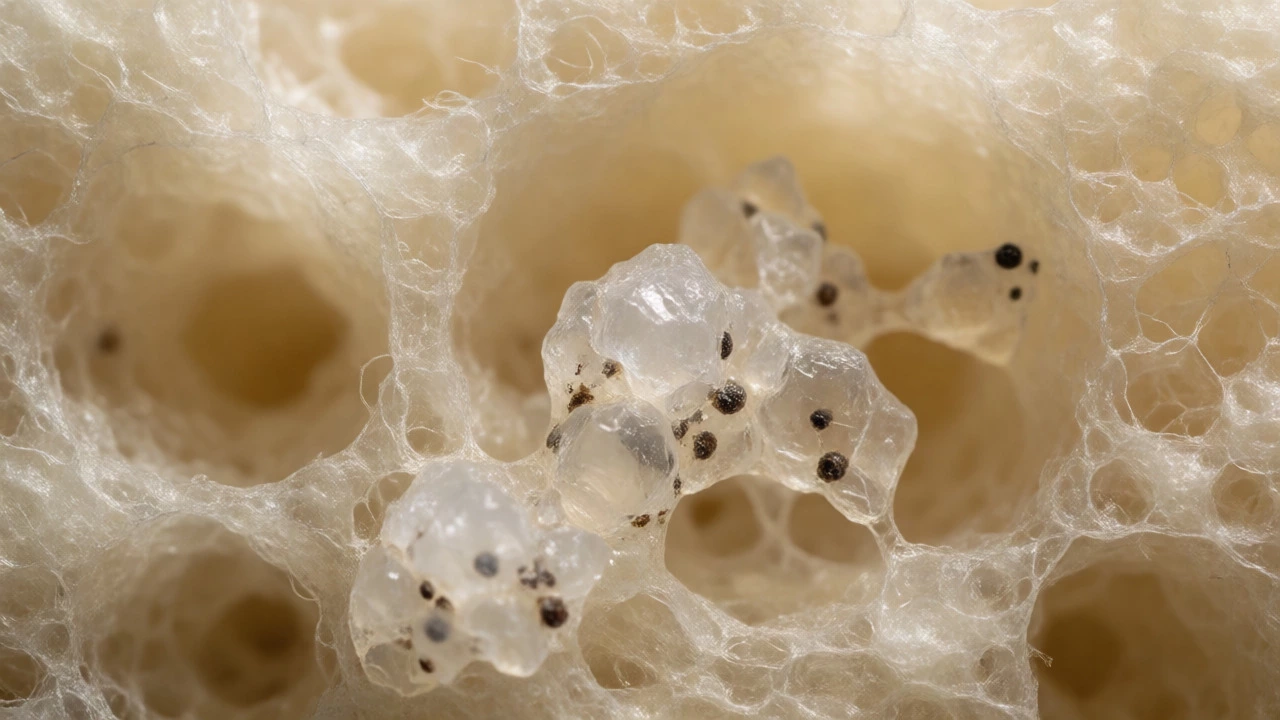
Your mattress is already home to millions of microscopic organisms. Adding warm, nutrient-rich urine creates an all-you-can-eat buffet for bacteria. Studies from institutions like the American College of Allergy, Asthma & Immunology suggest that dirty bedding can significantly worsen asthma and allergy symptoms.
Here’s the scary part: if the urine soaks deep enough into the foam, it can trap moisture against the inner materials. If your room has poor ventilation or high humidity, this trapped moisture invites Mold growth. Black mold or mildew can develop inside the mattress layers where you can’t see it. You might notice a musty, earthy smell distinct from the ammonia. This isn’t just about comfort; inhaling mold spores every night can lead to respiratory issues, headaches, and chronic fatigue.
Think about it: you spend roughly eight hours a day pressed against this material. If it’s harboring bacterial colonies and fungal growth, you’re essentially sleeping in a petri dish.
Attracting Unwanted Guests
Do you have pets? Or live in an area prone to pests? Urine acts as a beacon. The scent markers left behind signal to dogs or cats that this is a suitable bathroom spot, encouraging repeat accidents. For humans, the issue is less about marking territory and more about attracting pests.
Dust Mites love warm, moist environments rich in dead skin cells. Urine residue adds extra nutrients, potentially boosting their population. While dust mites themselves aren’t dangerous, their waste products are potent allergens.
More concerning is the link to Bed Bugs. While bed bugs are primarily attracted to carbon dioxide and body heat, cluttered, unsanitary bedding can provide hiding spots and easier access to hosts. A stained, neglected mattress is harder to inspect and treat if an infestation does occur. Furthermore, some pests are drawn to the organic decay associated with old stains.
Structural Damage to Your Investment
A good mattress costs between $500 and $2,000+. Neglecting a pee stain shortens its lifespan dramatically. Here’s how:
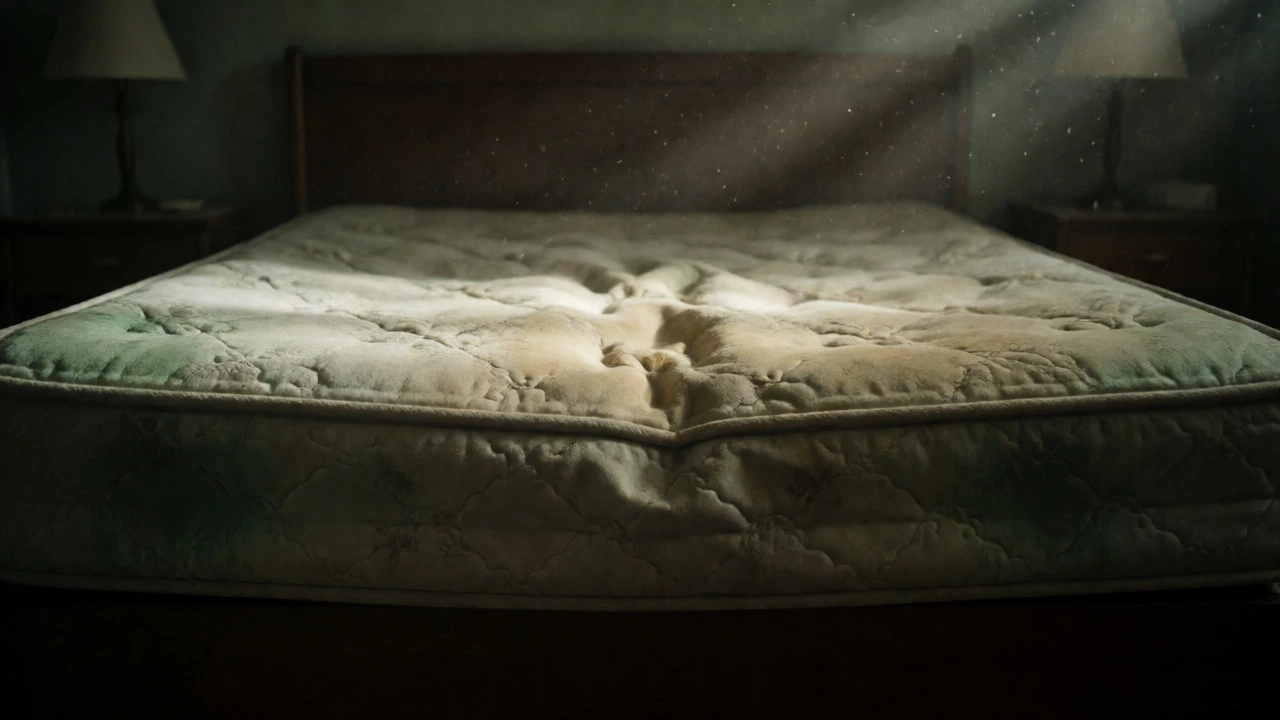
- Foam Degradation: Memory foam and polyurethane foam rely on open-cell structures for support. Urine salts and acids can break down these cell walls, causing the foam to lose resilience. You’ll notice sagging or "body impressions" forming faster than usual.
- Spring Corrosion: In innerspring mattresses, liquid can seep down to the metal coils. Over time, the acidic nature of urine can contribute to rust or corrosion, leading to squeaky springs or broken wires.
- Adhesive Failure: Many modern mattresses use adhesives to bind layers together. Moisture weakens these glues, causing delamination-where the top comfort layer separates from the support core.
Once the structure is compromised, no amount of cleaning will fix the sagging. You’re looking at early replacement, which hurts your budget.
Health Risks You Can Feel
Beyond allergies, direct contact with accumulated bodily fluids poses hygiene risks. While healthy adults have robust immune systems, children, the elderly, or immunocompromised individuals are more vulnerable. Skin irritation, rashes, or minor infections can result from prolonged contact with unhygienic surfaces.
Moreover, the psychological impact shouldn’t be underestimated. Sleeping in a bed that smells bad or feels unclean disrupts sleep quality. Poor sleep affects mood, cognitive function, and overall well-being. Is it worth saving twenty minutes of cleaning effort to compromise your rest and health?
How to Fix It Before It’s Too Late
If you’ve caught the accident early, you have a good chance of saving the mattress. If it’s been weeks, you might need professional help or consider replacement. Here’s a quick protocol for recent stains:
- Blot, Don’t Rub: Use clean towels to absorb as much liquid as possible. Press down firmly. Rubbing pushes the urine deeper.
- Rinse with Cold Water: Lightly mist the area with cold water. Hot water sets protein stains and smells.
- Apply Enzymatic Cleaner: This is non-negotiable for urine. Products containing protease and amylase enzymes break down the uric acid crystals. Let it soak according to label instructions (usually 15-30 minutes).
- Baking Soda Paste (Optional): For stubborn odors, apply a paste of baking soda and hydrogen peroxide (test for colorfastness first). Let it dry completely.
- Vacuum: Once fully dry, vacuum away the residue.
- Protect: Invest in a waterproof mattress protector. It’s cheaper than a new mattress.
For older, set-in stains, steam cleaning can help kill bacteria and lift odors, but be careful not to oversaturate the mattress, as this can cause mold if it doesn’t dry quickly.
Will sunlight remove the pee smell from my mattress?
Sunlight helps kill some bacteria and dries out moisture, which can temporarily reduce odor. However, UV rays do not break down uric acid crystals. Once the mattress gets humid again, the smell will return. Sunlight is a supportive measure, not a cure.
Can I use vinegar to clean pee from a mattress?
Yes, white vinegar is effective for neutralizing ammonia odors and killing some bacteria. Mix equal parts water and white vinegar, spray lightly, and blot. However, vinegar alone may not fully eliminate deep-set uric acid crystals. For best results, follow up with an enzymatic cleaner.
Is it safe to sleep on a mattress with old pee stains?
It depends on the severity. Minor, cleaned stains are generally safe. However, if the stain is large, smells strong, or shows signs of mold, it’s risky. Old urine attracts bacteria and allergens that can trigger asthma or skin irritations. If you have allergies, it’s better to replace the mattress.
How long does it take for pee to dry in a mattress?
Surface drying can take 4-8 hours depending on airflow and humidity. However, the moisture trapped deep within foam layers can take several days to fully evaporate. During this time, the risk of mold and bacterial growth is highest.
Does a waterproof mattress protector prevent pee damage?
Yes, a high-quality waterproof protector prevents liquids from penetrating the mattress. It keeps the actual mattress clean and extends its life. Just remember to wash the protector regularly, as it can also accumulate sweat and oils.