Personalized Cleaning Schedule Generator
Daily
Maintenance & Chaos Control
Weekly
The Essential Reset
Monthly
Hidden Dirt Removal
Seasonal
Deep Reset & Purge
Key Takeaways for Your Cleaning Routine
- Most people do light tidying daily and a more thorough cleaning once a week.
- Deep cleaning, like Spring Cleaning, usually happens once or twice a year.
- High-traffic areas (kitchen/bathrooms) require more frequent attention than guest rooms.
- Your specific needs depend on your health, pets, and the number of people in your home.
The Daily Grind: What Most People Actually Do
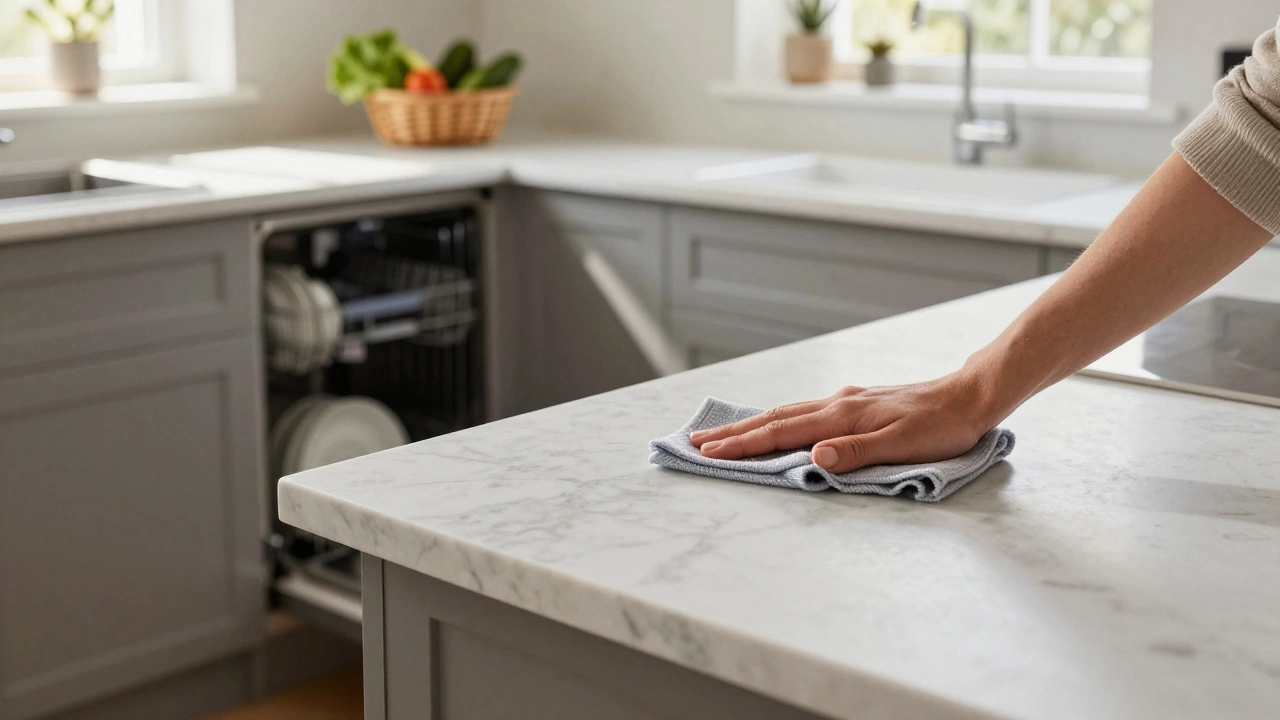
For the average person, cleaning isn't one big event; it's a series of small habits. If you ask most homeowners, they'll tell you they "clean every day," but they usually mean they're just managing the chaos. This typically involves loading the dishwasher, wiping down the kitchen counter, and perhaps a quick five-minute tidy of the living room before bed.
Daily tasks are all about preventing the "snowball effect." If you let dishes pile up for three days, the task becomes a chore; if you do them every night, it's just a habit. Most people focus on the Kitchen because it's the heart of the home and the fastest place for bacteria to grow. Wiping the counters and sweeping the floor once a day is the standard for those who keep a tidy home.
The Weekly Reset: The 'Standard' Cleaning Day
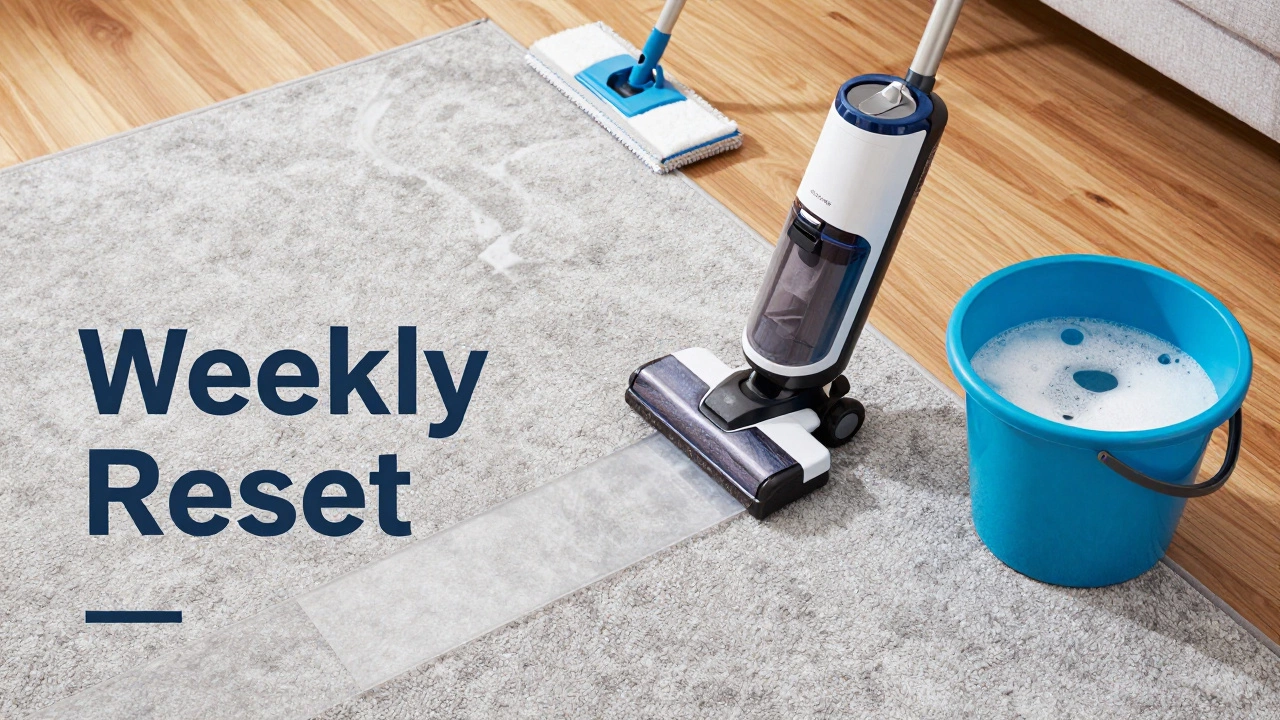
This is where the "average" person spends the bulk of their energy. Whether it's "Cleaning Saturday" or a staggered approach throughout the week, most households aim for a comprehensive reset every seven days. This usually involves tasks that are too time-consuming for a Tuesday evening but too urgent to leave for next month.
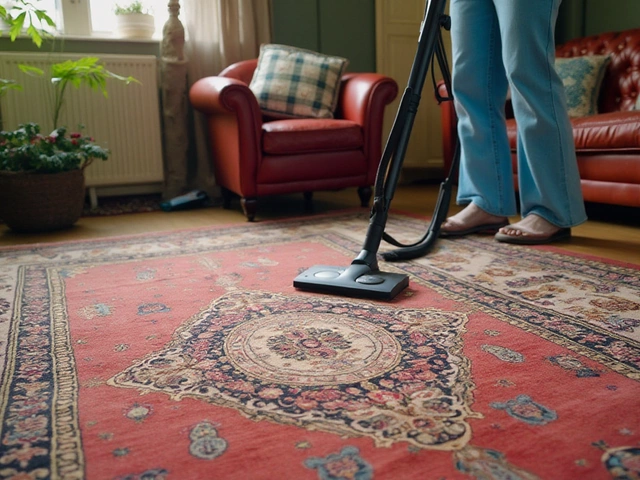
Typical weekly tasks include vacuuming the carpets, mopping hard floors, scrubbing the toilet, and dusting visible surfaces. Interestingly, not everyone does everything every week. Someone might vacuum the main hallway every few days but only do the bedrooms once a week. The goal here is house cleaning frequency that keeps the home feeling fresh without taking up the entire weekend.
| Area/Task | Daily | Weekly | Monthly | Seasonally |
|---|---|---|---|---|
| Kitchen Counters | Yes | - | - | - |
| Vacuuming | - | Yes | - | - |
| Dusting Blinds | - | - | Yes | - |
| Windows | - | - | - | Yes |
| Bathroom Scrub | - | Yes | - | - |
Monthly Maintenance and the 'Hidden' Dirt
Once a month, the average person tackles the things they usually ignore. This is the phase where you realize you've been ignoring the dust bunnies under the sofa or that the microwave has a layer of exploded pasta from three weeks ago. Monthly cleaning focuses on the edges and the interiors.
Common monthly jobs include wiping down baseboards, cleaning the inside of the microwave, dusting ceiling fans, and vacuuming under furniture. This layer of cleaning is crucial because it prevents the home from reaching a state of "total chaos" where a professional service would be the only option. It's the bridge between your weekly routine and the massive effort of a seasonal overhaul.
The Ritual of Spring Cleaning
Now we get to the big one. Spring Cleaning is more than just a chore; for many, it's a psychological reset. While the name suggests it happens in March or April, many people do a similar "deep clean" in the autumn. This is the time for tasks that require moving furniture and using heavy-duty supplies.
During a deep clean, people typically tackle the "invisible" areas: washing curtains, steam cleaning carpets, scrubbing the grout in the shower, and cleaning out the pantry. It's also the primary time for decluttering. You know the drill-going through the wardrobe and realizing you have five shirts you haven't worn since 2019. This process often takes an entire weekend or is spread across a month of "zone cleaning."
Factors That Change the Average
If you feel like your schedule doesn't match the "average," you're probably right. A few key variables shift the needle significantly:
- Pets: If you have a shedding dog, vacuuming might move from a weekly task to a daily necessity. Pet hair doesn't wait for Saturday.
- Allergies: People with asthma or pollen allergies often dust and vacuum more frequently to keep Dust Mites and allergens at bay.
- Home Size: A small apartment is a one-hour job. A large family home can be a part-time career. Larger homes often require a "rotating schedule" where different rooms get deep-cleaned on different days.
- Lifestyle: Someone who works from home spends 24 hours a day in their environment, meaning they notice crumbs and dust much faster than someone who leaves at 8 AM and returns at 6 PM.
How to Build a Realistic Schedule
The biggest mistake people make is trying to do everything at once. They spend a whole Saturday cleaning and then don't touch a sponge for two weeks. This leads to burnout and a home that feels dirty most of the time. Instead, try a system that balances the load.
A popular method is "Zone Cleaning." Instead of cleaning the whole house, focus on one area each day. Monday might be the kitchen, Tuesday the bathrooms, and Wednesday the living area. This keeps the house consistently clean without requiring a massive block of free time. If you're really struggling, the "15-minute rule" works wonders: set a timer for 15 minutes and clean as much as you can. When the timer goes off, you're done. It's a low-pressure way to keep up with the average.
Common Cleaning Pitfalls to Avoid
Many people fall into the trap of "cleaning for the guest." This is when you spend four hours scrubbing the house because someone is coming over for dinner, but you ignore the place for a month afterward. This creates a cycle of stress and neglect.
Another common error is over-reliance on strong chemicals. While it feels like you're cleaning "better" if the room smells like a swimming pool, too many harsh cleaners can actually damage surfaces over time. Switching to a routine that uses milder agents for daily work and saving the heavy chemicals for the monthly deep cleans is a smarter way to protect your home's value.
Is cleaning every day necessary?
Not necessarily, but daily tidying makes weekly cleaning much easier. Most people find that spending 10-20 minutes a day on basic tasks (dishes, counters, trash) prevents the house from feeling overwhelming by the weekend.
How often should I deep clean my carpets?
For the average home, a professional or deep steam clean every 6 to 12 months is sufficient. However, if you have pets or young children, you might want to do this every 3 to 6 months to remove deeply embedded dirt and allergens.
What is the difference between tidying and cleaning?
Tidying is the act of putting things back where they belong (picking up clothes, organizing magazines). Cleaning is the act of removing dirt, dust, and germs using a cleaning agent (scrubbing a sink, vacuuming a rug). You can have a tidy house that is still dirty, or a clean house that is messy.
How often should I change my bed sheets?
The general recommendation is once a week. Sheets collect dead skin cells and oils, which can attract dust mites. If you have allergies or sweat heavily at night, every 3-4 days is better.
Does the time of year actually affect cleaning frequency?
Yes. In the spring, people deal with more pollen and dust. In the winter, muddy boots and salt from the roads can make floors dirtier. This is why the concept of seasonal cleaning exists-to address the specific grime that each season brings into the home.
Next Steps for a Cleaner Home
If you're feeling overwhelmed, don't try to implement a perfect schedule overnight. Start by picking one daily habit-like doing the dishes before bed-and stick to it for a week. Once that feels easy, add a weekly "reset" task, like vacuuming on Saturdays.
For those who find the average schedule impossible due to work or family commitments, consider a hybrid approach. Focus on the high-impact areas (kitchen and main bathroom) and let the guest room or basement wait until your next big spring cleaning event. The goal isn't to have a museum-perfect home, but one that supports your health and makes you feel relaxed.