Pressure Washer Safety Checker
Most people think a pressure washer is a magic wand for cleaning everything outside. You point it, pull the trigger, and grime disappears. But here’s the truth: power washing can destroy more than it cleans if you use it on the wrong surfaces. I’ve seen driveways cracked, siding ripped off, and windows shattered-all from someone thinking more pressure equals better results. It doesn’t. It just causes expensive mistakes.
Wood Decks and Siding
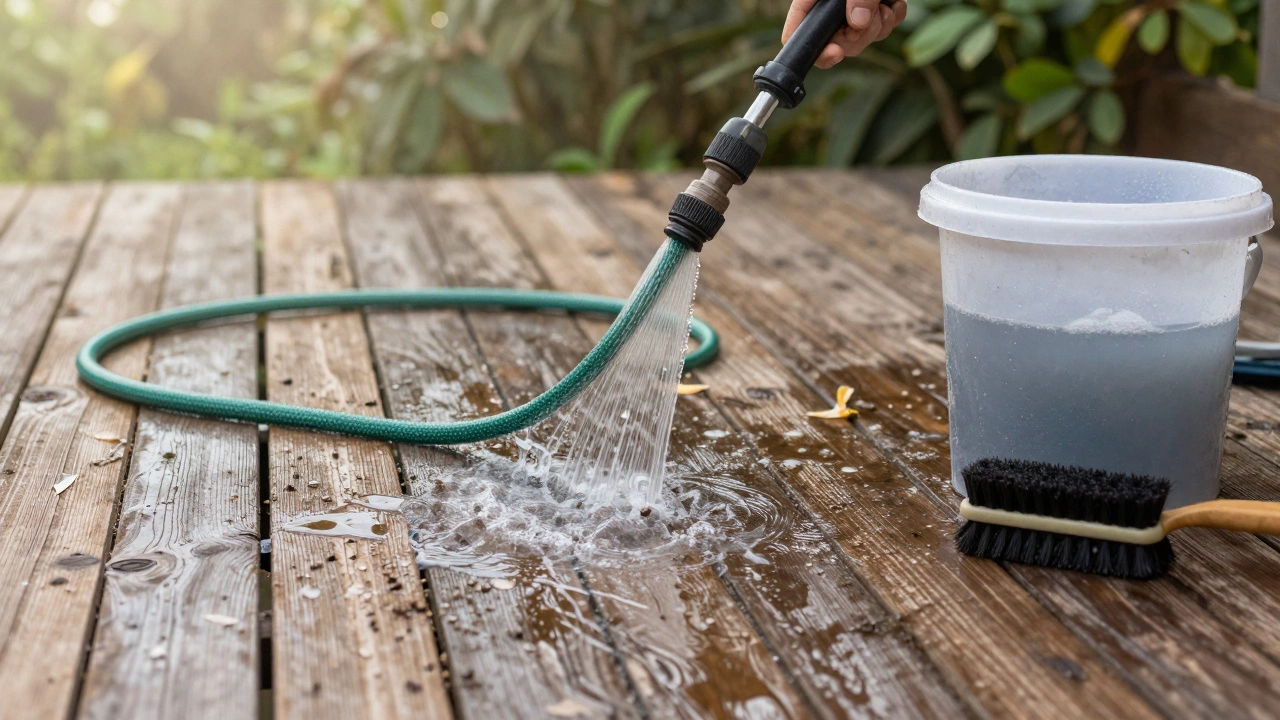
Wood looks great when clean, but pressure washing it is like using a sandblaster on a wooden toy. The high-pressure stream strips away the soft grain, leaving deep grooves and splinters. Even seasoned homeowners get fooled by the quick clean they see on YouTube. What they don’t see is the wood turning gray and porous within months, letting water in and rot setting in.
Real solution? Use a soft wash method with low pressure (under 1,000 PSI) and a wood-safe cleaner. Let the solution sit for 10-15 minutes, then rinse gently with a garden hose. For old decks, sanding and resealing after cleaning is the only way to bring back durability. I’ve worked on 30+ decks in Sheffield over the last five years. The ones cleaned with pressure washers? Half needed full replacement within two years.
Windows and Glass
Pressure washing windows sounds efficient-until the glass cracks. Even the lowest setting on a consumer-grade pressure washer (1,200 PSI) can easily shatter tempered glass or break seals on double-glazed units. The force doesn’t just clean dirt; it pushes water behind seals, leading to fogging, mold, and condensation between panes.
And don’t think you’re safe with a wide nozzle. The water stream still has enough energy to chip the edges of glass or damage window frames, especially older aluminum or wood ones. Use a squeegee, microfiber cloth, and a bucket of soapy water. It’s slower, yes-but it’s the only way to avoid replacing windows that cost £300+ each.
Electrical Fixtures and Outlets
Outdoor lights, junction boxes, security cameras, and garden sockets look dirty. But spraying them with water under pressure? That’s asking for a short circuit, a fire hazard, or a dead circuit breaker. Water doesn’t need to be flowing to cause damage-it just needs to get inside.
Even if the power is off, moisture trapped in wiring or connectors can corrode contacts over time. You might not notice the problem until winter, when the lights stop working or the GFCI trips constantly. Clean these with a damp cloth and a mild detergent. Use a toothbrush for grime around seams. No water spray, no exceptions.
Roof Shingles
Algae and moss on roofs look ugly, and you might be tempted to blast them off. But asphalt shingles are designed to shed water, not withstand high-pressure streams. The granules on top are glued on to protect against UV rays. Pressure washing strips them away, exposing the underlying asphalt to sun damage. That’s how you go from a 20-year roof to a 5-year one.
Professional roof cleaners use a soft wash system-low pressure, around 500 PSI, with a biodegradable algae killer. Let it sit for 20 minutes, then rinse gently. If your roof is already aging, don’t clean it at all. You’re just accelerating its end. A few patches of moss won’t hurt your home. A damaged roof will.
Painted Surfaces (Especially Older Paint)
If your house was built before 1978, it might have lead paint. Even if it doesn’t, older paint layers are brittle. A pressure washer will peel it off in sheets, leaving bare spots and exposing wood or drywall underneath. And if you’re using a pressure washer with detergent, you’re not just cleaning-you’re stripping paint.
On newer homes, pressure washing can still lift paint, especially on trim, railings, and garage doors. I’ve seen people clean their entire house and end up with a patchy, mismatched look because the paint came off unevenly. If you must clean painted surfaces, use a soft brush and a bucket. Test a small area first. If the paint starts lifting, stop. No amount of pressure is worth repainting the whole house.
Concrete with Cracks or Sealer
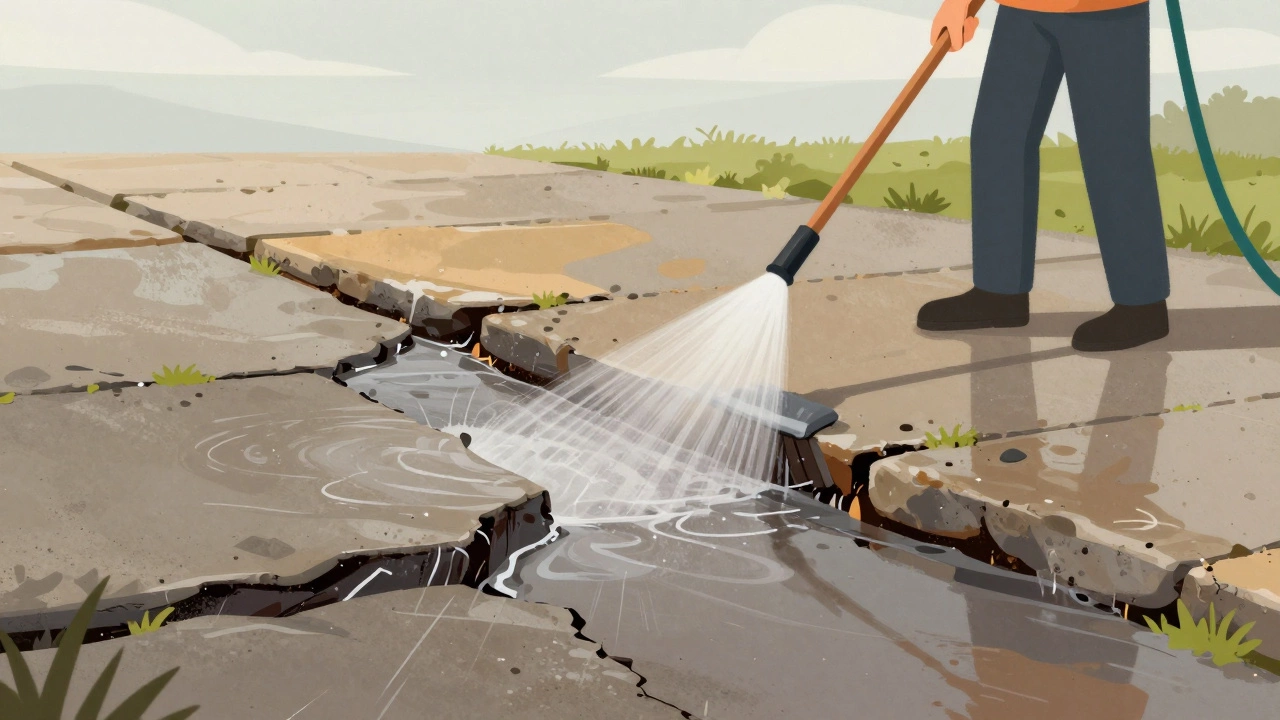
Concrete driveways and patios look great after a pressure wash-until the cracks widen. Water forced under pressure finds every tiny fissure and pushes deeper. In winter, that water freezes, expands, and breaks the concrete apart. You’ll end up with bigger cracks, spalling, and potholes.
And if your concrete has a sealer? Pressure washing removes it. Sealer isn’t just for looks-it protects against oil stains, salt damage, and moisture. Once it’s gone, your driveway will stain faster and require resealing every year instead of every three to five. Clean concrete with a push broom, a mild cleaner, and a garden hose. If you need more power, use a surface cleaner attachment that spreads the water evenly, not a wand.
Plastic and Vinyl Siding (Low-Quality or Aged)
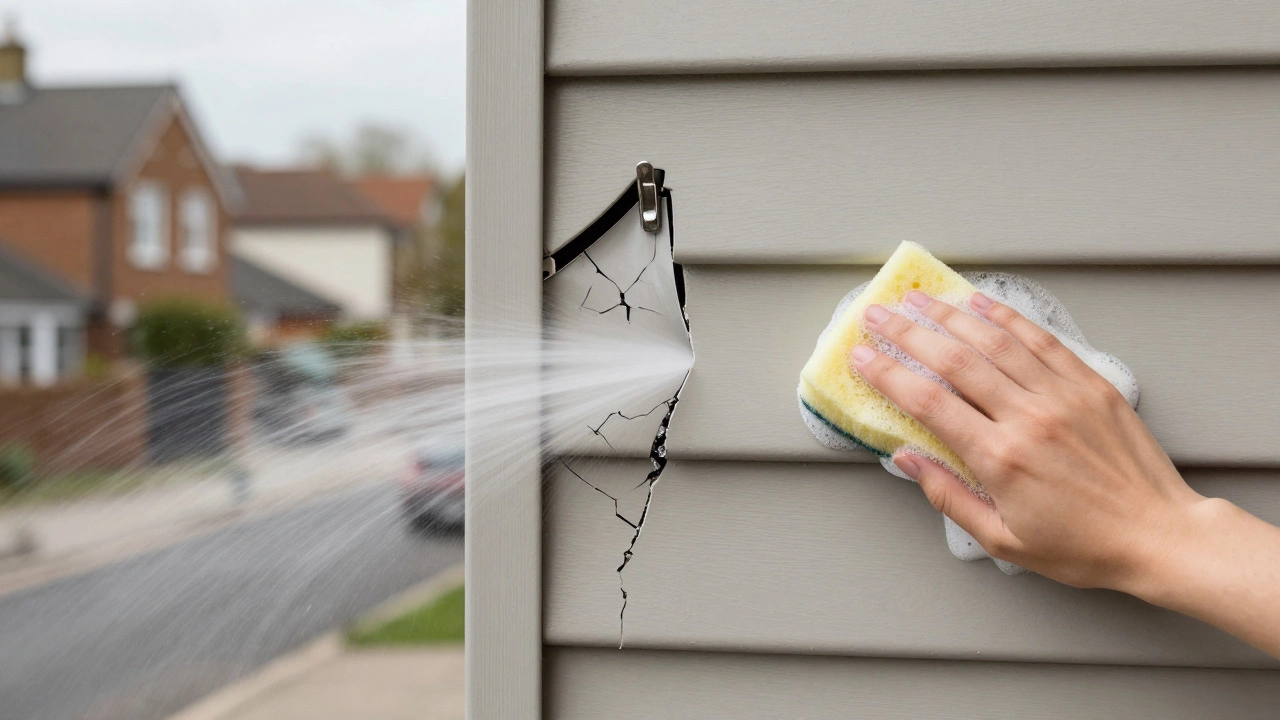
Vinyl siding is tough, but not invincible. Cheap or sun-damaged vinyl becomes brittle. A pressure washer can crack it, warp it, or blow it off its clips. Water forced behind siding can rot the sheathing underneath-something you won’t see until mold grows inside the walls.
Even high-quality vinyl shouldn’t be cleaned with more than 1,500 PSI. Use a wide fan tip and keep the nozzle at least 12 inches away. But honestly? Most vinyl siding just needs a gentle scrub with a sponge and dish soap. The dirt on the surface doesn’t harm the material. It just looks bad. And you can clean that without risking structural damage.
Animals, Plants, and Garden Beds
It sounds obvious, but people do it. I’ve seen someone try to wash mud off their dog’s paws with a pressure washer. I’ve seen garden beds turned into muddy sludge because someone sprayed too close to flowers. Pressure washing isn’t just for hard surfaces-it’s a force that can kill plants, break stems, and injure animals.
Plants don’t have skin. They have delicate cells. A spray of water at 2,000 PSI will shred leaves and strip bark from young trees. Keep the pressure washer at least 10 feet away from any living thing. Use a watering can or hose on low for garden cleanup. Your roses won’t thank you for a pressure wash.
Brick and Mortar (Old or Poorly Repaired)
Brick looks sturdy, but the mortar between it is often the weak spot. Old mortar-especially from homes built before the 1950s-is soft and crumbly. Pressure washing can blast it out entirely, leaving bricks loose and walls unstable.
Even modern brick with weak or improperly mixed mortar can suffer. The goal isn’t to clean the brick-it’s to preserve the structure. If your brick has efflorescence (white chalky residue), don’t blast it. Use a wire brush and water. If the mortar is crumbling, call a mason. Pressure washing will only make the repair bigger and more expensive.
What Should You Use Instead?
Pressure washers are powerful tools, but they’re not universal cleaners. For surfaces that can’t handle pressure, here’s what works:
- Wood: Soft wash with oxygen bleach, then rinse gently
- Windows: Squeegee and soapy water
- Roof: Biodegradable algae cleaner + low-pressure rinse
- Painted surfaces: Hand scrub with mild detergent
- Concrete: Push broom + garden hose
- Vinyl siding: Sponge and bucket
- Brick: Wire brush and water
Most of these methods take longer, but they’re safer. And in the long run, they save you money. Replacing a deck, a window, or a section of roof costs 10 times more than spending an extra hour cleaning by hand.
Final Rule: If You’re Unsure, Don’t Spray
There’s no shame in not using a pressure washer. In fact, the smartest people I know are the ones who walk away from it when something looks fragile. Ask yourself: Is this surface worth risking damage? If the answer isn’t a clear yes, then don’t do it.
Pressure washing isn’t a shortcut-it’s a skill. And like any skill, it requires knowing your limits. When in doubt, start low, test a hidden spot, and go slow. Better to clean half as fast and keep your property intact than to rush and end up with a repair bill you didn’t plan for.
Can I pressure wash my patio?
Yes, if it’s solid concrete, stone, or pavers without cracks or sealant. Use a surface cleaner attachment and keep pressure under 2,500 PSI. Avoid spraying directly into joints. If your patio has a sealer, clean with a brush and mild cleaner instead to preserve the finish.
Is it safe to power wash vinyl siding?
Only if you use low pressure (under 1,500 PSI), a wide nozzle, and keep the wand at least 12 inches away. Never use a zero-degree tip. Older or faded vinyl can crack or warp. For best results, use a soft wash method with a garden hose and a mild detergent.
What happens if I power wash my roof?
You’ll strip the protective granules off asphalt shingles, exposing the underlying material to UV damage. This shortens your roof’s lifespan dramatically. Moss and algae should be treated with a soft wash solution, not pressure. Let the cleaner sit, then rinse gently with a garden hose.
Can I power wash my car?
You can, but only with extreme care. Use a pressure washer with a maximum of 1,200 PSI, a 40-degree nozzle, and keep it at least 18 inches away. Never spray directly at seals, sensors, or the engine bay. A car wash or bucket wash is safer and just as effective for most people.
Why does my driveway look worse after power washing?
High pressure forces water into tiny cracks, which freeze and expand in cold weather, making the cracks bigger. It can also strip away sealer, leaving the concrete vulnerable to stains and moisture. For long-term results, clean with a broom and hose, then reseal every 3-5 years.
Next Steps: Protect Your Home
If you’ve already used a pressure washer on something you shouldn’t have, check for signs of damage: peeling paint, cracked grout, wet spots on walls, or loose shingles. Take photos and monitor the area over the next few weeks. Water damage doesn’t always show up right away.
For future cleaning, invest in a soft wash system or hire a professional who knows what surfaces can handle pressure-and which ones need gentler care. In Sheffield’s damp climate, knowing how to clean without damaging is more important than ever. Your home will thank you.