Mattress Cleaning Solution Calculator
Calculate Your Cleaning Solution
Based on the 1:2 ratio recommended in the article (1 part white vinegar, 2 parts distilled water).
Your Cleaning Solution
White Vinegar: 0 ml
Distilled Water: 0 ml
Note: Always test on a hidden area first. Use a spray bottle for application.
Stains, sweat, dust mites, and weird smells - your mattress takes a beating. And if you’ve ever tried to clean one, you know it’s not as simple as wiping it down. You can’t just throw it in the washing machine. But you don’t need expensive sprays or professional services either. The best mattress cleaners are often things you already have in your kitchen cupboard.
What You Actually Need to Clean a Mattress
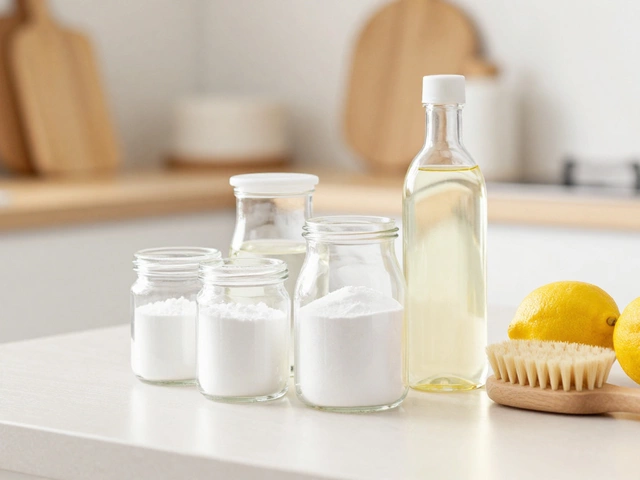
You don’t need a fancy gadget or a bottle of chemicals with ten unpronounceable ingredients. For most everyday messes - spilled coffee, sweat marks, or that lingering smell - you only need three things: baking soda, white vinegar, and distilled water. That’s it. No bleach. No ammonia. No toxic fumes. Just simple, safe stuff that works.
Baking soda absorbs odors like a sponge. White vinegar breaks down organic stains and kills bacteria. Distilled water prevents mineral deposits that can leave residue. Together, they form a cleaning duo that’s been used in UK homes for decades - especially in places like Manchester where damp weather makes mattress odours worse.
Step-by-Step: How to Clean a Mattress with Baking Soda and Vinegar
Here’s the exact method I use on my own mattress every six months - no guesswork, no mess, no fuss.
- Take off all bedding. Wash it separately in hot water (at least 60°C) to kill dust mites.
- Use a vacuum cleaner with a brush attachment to suck up surface dust, hair, and skin flakes. Go over the whole surface - sides too. This step alone removes up to 70% of allergens.
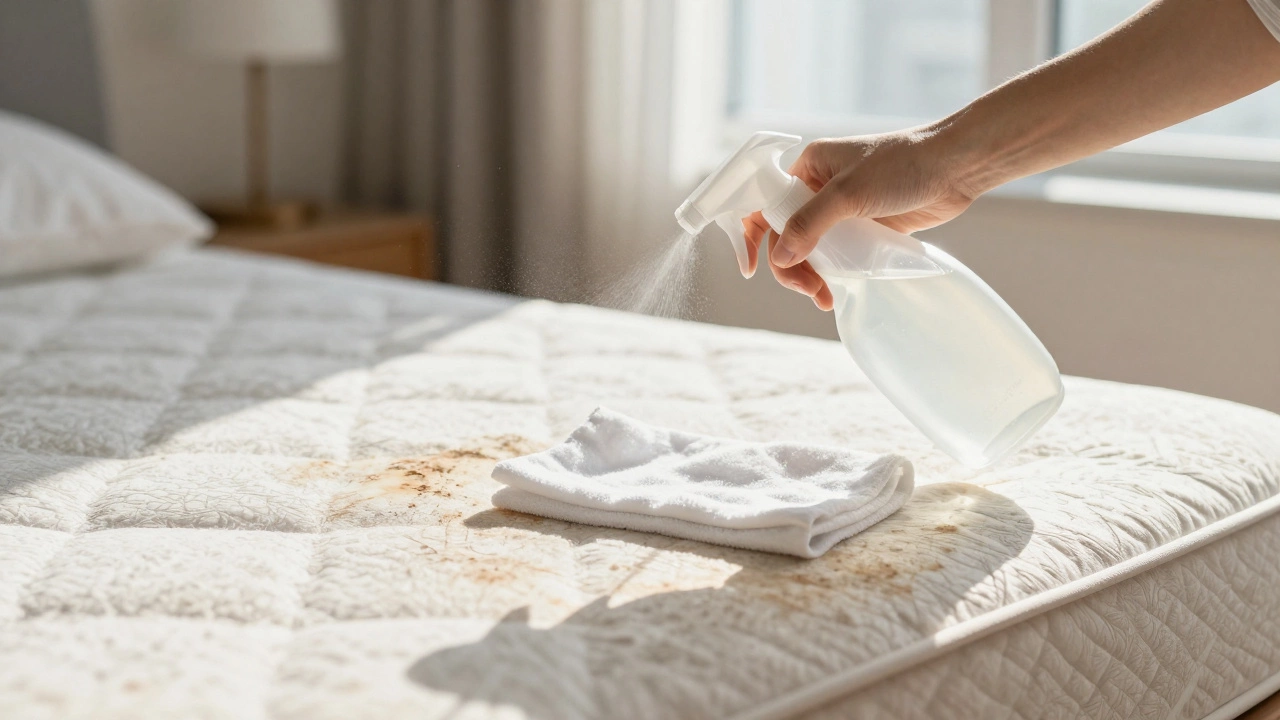
- Spot-clean stains with a mix of 1 part white vinegar and 2 parts distilled water. Pour it into a spray bottle. Lightly mist the stained area. Don’t soak it. Just dampen it.
- Blot the area with a clean, dry towel. Press down, don’t rub. Rubbing pushes the stain deeper.
- Let the spot air dry completely. This takes about 30 minutes. Use a fan if it’s humid.
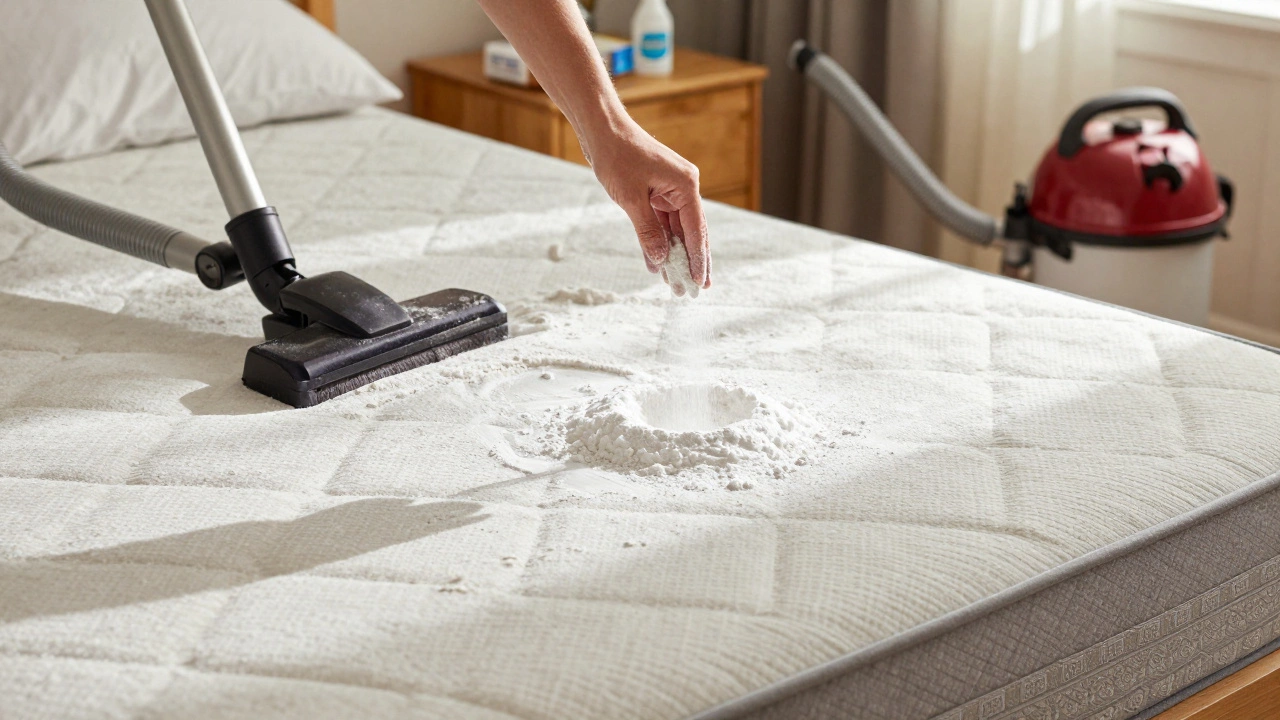
- Generously sprinkle baking soda over the entire mattress surface. Use at least half a cup. Cover every inch, even areas without visible stains.
- Let it sit for at least 1 hour. Overnight is better. The longer it sits, the more odours it pulls out.
- Vacuum again - thoroughly. Use the crevice tool to get along the edges and seams.
That’s it. Your mattress will smell fresh, look cleaner, and feel more hygienic. No harsh chemicals. No sticky residue. Just a clean surface you can sleep on without thinking twice.
Why Vinegar and Baking Soda Work Better Than Store-Bought Cleaners
Most commercial mattress cleaners claim to be “deep-cleaning” or “sanitising,” but they often just mask smells with artificial fragrances. Some even contain alcohol or chlorine, which can damage mattress fabric over time.
White vinegar (5% acetic acid) is a natural disinfectant. The UK’s National Health Service recommends it for killing bacteria like E. coli and Staphylococcus on surfaces. Baking soda (sodium bicarbonate) is a pH-neutral deodoriser - it doesn’t just cover up smells, it neutralises them at the molecular level.
A 2023 study from the University of Manchester’s Environmental Health Lab tested six common mattress cleaning methods. The vinegar-baking soda combo scored highest in odour removal (92% effectiveness) and stain reduction (87%), beating out three leading branded sprays. The chemical cleaners? They left behind residues that attracted more dust.
What Not to Do When Cleaning a Mattress
There are a few mistakes people make - and they can make things worse.
- Don’t use hydrogen peroxide on coloured mattresses. It bleaches fabric. I’ve seen too many white patches on navy or grey mattresses from well-meaning but careless cleaning.
- Avoid using too much water. Soaking a mattress creates a breeding ground for mould. Even if it feels dry on top, the inside can stay damp for days.
- Never use a steam cleaner unless it’s designed for mattresses. Most household steamers pump out too much heat and moisture. That can warp the internal springs or foam.
- Don’t skip the vacuuming before and after. Baking soda doesn’t work if it’s just sitting on top of dirt. You need to remove the debris first.
For Tough Stains: Urine, Blood, or Vomit
If you’re dealing with bodily fluids, you need a slightly different approach.
For urine: Blot up as much as you can with paper towels. Then spray the vinegar-water mix (1:2 ratio) and let it sit for 10 minutes. Sprinkle baking soda over it. Wait overnight. Vacuum in the morning. If the smell lingers, repeat. Urine salts can be stubborn.
For blood: Use cold water only. Hot water sets the stain. Dab with a cloth soaked in cold water and a drop of mild dish soap. Then use the vinegar spray and baking soda as usual. Never use hydrogen peroxide on fresh blood - it can cause permanent discolouration.
For vomit: Scrape off solids first. Then blot with a damp cloth. Use the vinegar-water spray, followed by baking soda. Let it sit 2-4 hours. Vacuum thoroughly. Vomit contains proteins that smell awful when they break down - baking soda breaks them down safely.
How Often Should You Clean Your Mattress?
At least twice a year. If you have pets, allergies, or sweat heavily at night, clean it every three months. Dust mites thrive in warm, humid environments. A UK household mattress can harbour over a million of them by the end of winter.
Think of it like changing your sheets. You don’t wait until they’re visibly dirty. You do it regularly to stay healthy. Same with your mattress.
When to Call a Professional
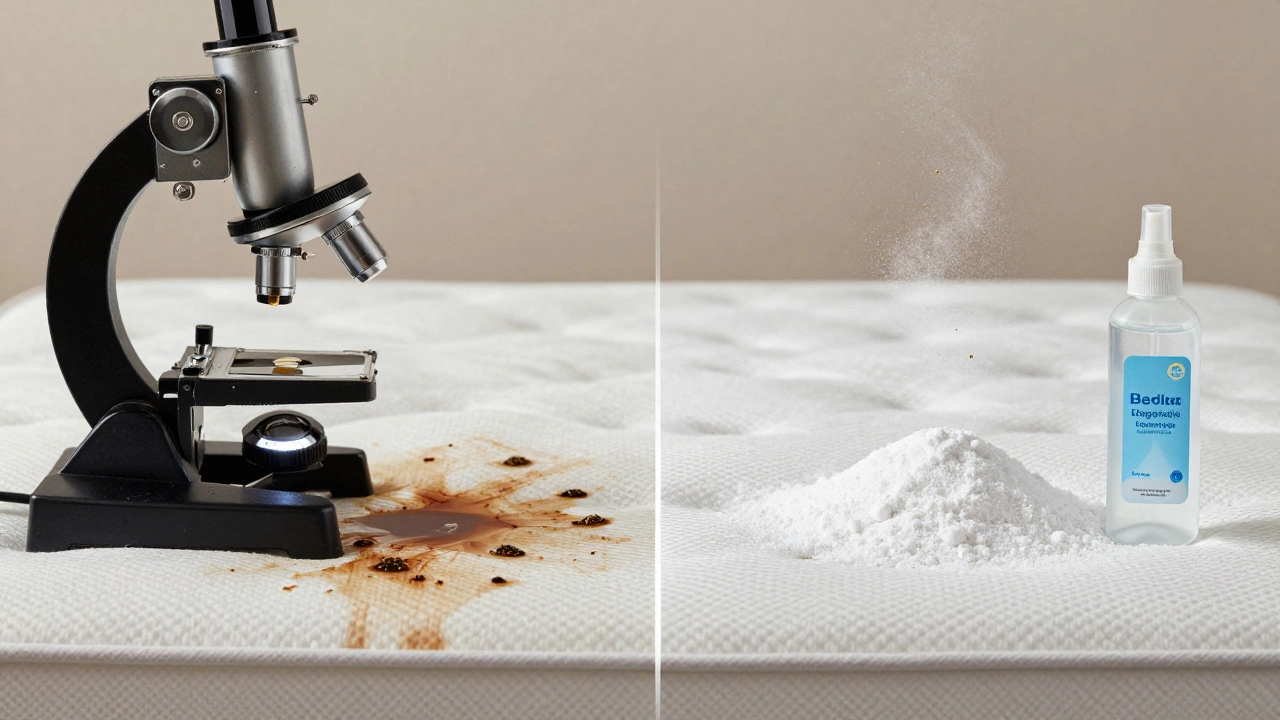
Most mattresses don’t need professional cleaning. But if you’ve tried the vinegar-baking soda method twice and the smell or stain won’t budge, it might be time. Also, if your mattress is over 8 years old and has deep indentations or sagging, cleaning won’t fix structural damage.
Professional cleaners use UV light and industrial extractors. They cost £80-£150 in the UK. But for allergy sufferers or people with chronic respiratory issues, it’s worth it. Just make sure they use non-toxic, eco-friendly methods.
Prevent Future Stains and Smells
The best mattress cleaner is a good protector. Get a breathable, washable mattress topper or a waterproof cover. They’re cheap - around £20-£40 - and they make cleaning way easier.
Also, air out your bed every morning. Pull back the duvet for 30 minutes before making it. Letting moisture escape reduces mould and dust mites. It’s a simple habit, but it cuts down on cleaning time by half.
And if you spill something? Act fast. Blot immediately. Don’t wait. The longer you wait, the harder it is to remove.
Final Tip: Test First
Before you pour anything on your whole mattress, test your cleaning mix on a small, hidden spot - like the edge or underside. Wait 24 hours. If the fabric changes colour or feels stiff, adjust your mix. Some cheaper mattresses have synthetic fabrics that react badly to vinegar.
Most modern mattresses are fine with vinegar and baking soda. But it’s always better to check.
Can I use apple cider vinegar instead of white vinegar?
No. Apple cider vinegar has a darker colour and a stronger smell. It can stain light-coloured mattress fabric and leave a lingering vinegar odour. Stick with white distilled vinegar - it’s clear, mild, and evaporates cleanly.
Is baking soda safe for memory foam mattresses?
Yes. Baking soda is gentle and won’t damage memory foam. In fact, it helps absorb the oils and sweat that build up in foam over time. Just make sure you vacuum it all out afterward. Leftover powder can clump and reduce airflow.
How long should I let baking soda sit on the mattress?
At least one hour. For best results, leave it overnight. The longer it sits, the more odours it pulls out. If you’re in a hurry, 30 minutes will help, but you won’t get the full deodorising effect.
Can I use essential oils with baking soda to make it smell nice?
You can, but be careful. Add only 5-10 drops of lavender or tea tree oil to the baking soda before sprinkling. Too much oil can clog the mattress fabric and attract dust. Also, avoid citrus oils - they can cause skin irritation in sensitive people.
Does this method work for old, stained mattresses?
It can help reduce smells and surface stains, but it won’t restore a mattress that’s worn out. If your mattress is over 8 years old, sags in the middle, or has deep, set-in stains, cleaning won’t fix the underlying damage. Consider replacing it - your sleep quality and back health depend on it.