Eco-Cleaning Cost Calculator
Your Savings
Switching to DIY cleaners could save you:
£0.00 on cleaning products
£0.00 on paper towels
£0.00 total per year
0 plastic bottles saved
When you hear "eco-friendly cleaning," you might picture lavender-scented sprays, reusable cloths, or a hipster in a hemp apron scrubbing floors with vinegar. But that’s not the full story. Eco-friendly cleaning isn’t about looking green-it’s about doing less harm. It’s choosing products and methods that don’t poison your kids, your pets, your water supply, or the planet. And yes, it works better than you think.
It’s Not Just About Ingredients
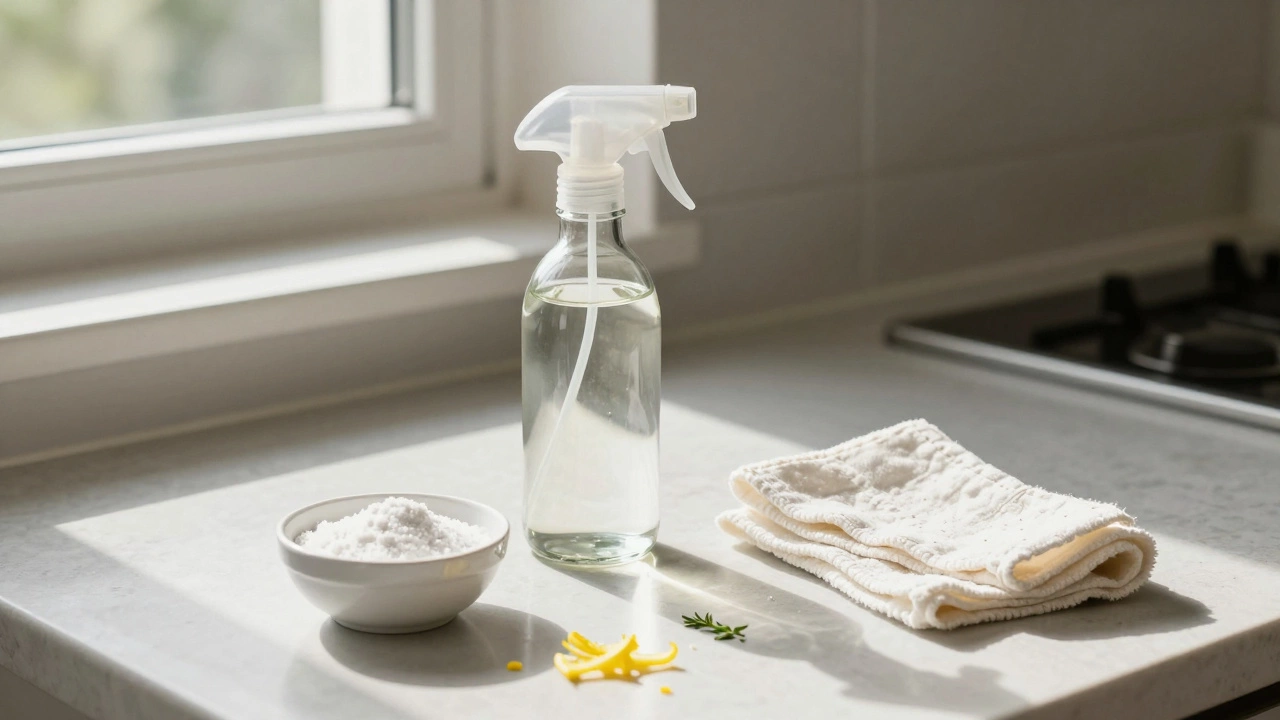
Many people think eco-friendly cleaning means using only plant-based stuff. That’s part of it, but it’s not the whole picture. True eco-friendly cleaning also means reducing waste, avoiding single-use plastics, and using less water. A bottle of store-bought "natural" cleaner in a plastic container that gets thrown away after one use? That’s not eco-friendly. That’s just a different kind of chemical with a pretty label. Real eco-friendly cleaning means you’re thinking about the whole lifecycle: where the ingredients come from, how they’re made, how they’re packaged, and what happens when you’re done with them. For example, making your own cleaner with baking soda, vinegar, and water in a glass spray bottle you already own? That’s real sustainability.What’s Actually in Conventional Cleaners?
Most mainstream cleaners contain chemicals you wouldn’t want near your food, your baby’s toys, or your pet’s bed. Ammonia, chlorine, phthalates, triclosan, and synthetic fragrances are common. These aren’t just irritants-they’re linked to asthma, hormone disruption, and even long-term organ damage. The Environmental Working Group tested over 2,000 cleaning products and found that nearly half contained ingredients with known health risks. One common ingredient, sodium lauryl sulfate, is in 90% of liquid soaps. It’s cheap, foamy, and harsh on skin. Another, 2-butoxyethanol, is found in window cleaners and can damage your liver and kidneys with repeated exposure. Eco-friendly cleaning skips these. It doesn’t rely on hidden toxins to get the job done. Instead, it uses substances that break down safely in nature-like citric acid from lemons, enzymes from microbes, or mineral-based abrasives like baking soda.How Do Eco-Friendly Cleaners Actually Work?
You might wonder: if I don’t use bleach, how do I get rid of mold? If I skip disinfectants, how do I kill germs? The answer is simple: you don’t need to kill everything. Most household cleaning isn’t about sterilization-it’s about removing dirt, grease, and grime. Baking soda scrubs away baked-on grease in ovens. Vinegar dissolves soap scum and mineral deposits. Essential oils like tea tree and eucalyptus have natural antimicrobial properties. A damp microfiber cloth removes 99% of surface bacteria without any chemicals at all. Studies from the University of Arizona found that using just water and microfiber cloths removed 96% of bacteria from kitchen counters. That’s better than most chemical sprays. You don’t need antibacterial everything. In fact, overusing disinfectants can lead to resistant germs-something the WHO warns about.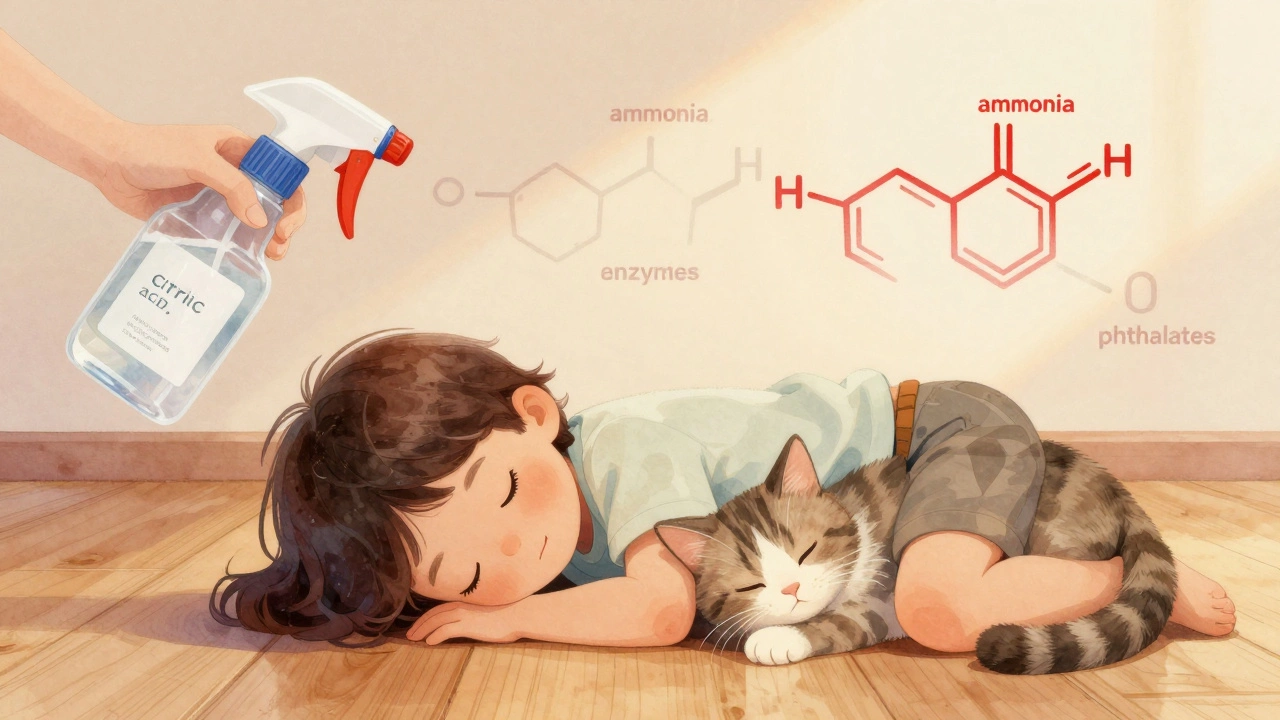
Why This Matters for Your Health
Children and pets are especially vulnerable. Kids crawl on floors, put things in their mouths, and breathe faster than adults. Pets lick their paws after walking on cleaned surfaces. If your cleaner leaves behind neurotoxins or endocrine disruptors, they’re not just cleaning-they’re slowly poisoning your household. A 2023 study in the journal Environmental Health Perspectives tracked 1,000 families over five years. Those who used eco-friendly cleaners had 30% fewer respiratory issues in children under five. Asthma flare-ups dropped. Allergy symptoms improved. Skin rashes from contact with cleaners disappeared. It’s not magic. It’s chemistry. When you remove synthetic fragrances, volatile organic compounds (VOCs), and harsh surfactants, you remove the triggers. Your lungs, skin, and immune system thank you.It’s Cheaper Than You Think
People assume eco-friendly cleaning costs more. It doesn’t. A 500ml bottle of commercial all-purpose cleaner costs £4.50. A 1kg box of baking soda? £1.20. A 500ml bottle of white vinegar? 80p. You can make enough all-purpose spray for a year with £5 worth of ingredients. You’ll also save on cleaning cloths. Reusable cotton cloths or old T-shirts last for years. Paper towels? You’ll use 80% less. A family of four using disposable wipes and paper towels spends about £120 a year. Switch to cloth and you’re down to £10. And you won’t need to buy separate cleaners for glass, floors, bathrooms, and kitchens. One vinegar solution handles most jobs. One baking soda paste scrubs everything from sinks to stovetops.What You Can Do Today
You don’t need to overhaul your whole cleaning routine overnight. Start small:- Replace one spray cleaner with a mix of 1 part vinegar, 1 part water, and 5 drops of lemon essential oil.
- Use baking soda to scrub your sink instead of a commercial abrasive.
- Buy refillable cleaners or make your own in bulk.
- Stop buying single-use wipes. Use a cotton cloth instead.
- Check labels. If you can’t pronounce five ingredients, it’s probably not eco-friendly.
What to Avoid
Not everything labeled "green" is safe. Watch out for:- "Natural fragrance"-this can mean dozens of unlisted synthetic chemicals.
- "Biodegradable" claims without third-party certification. Many companies use this term loosely.
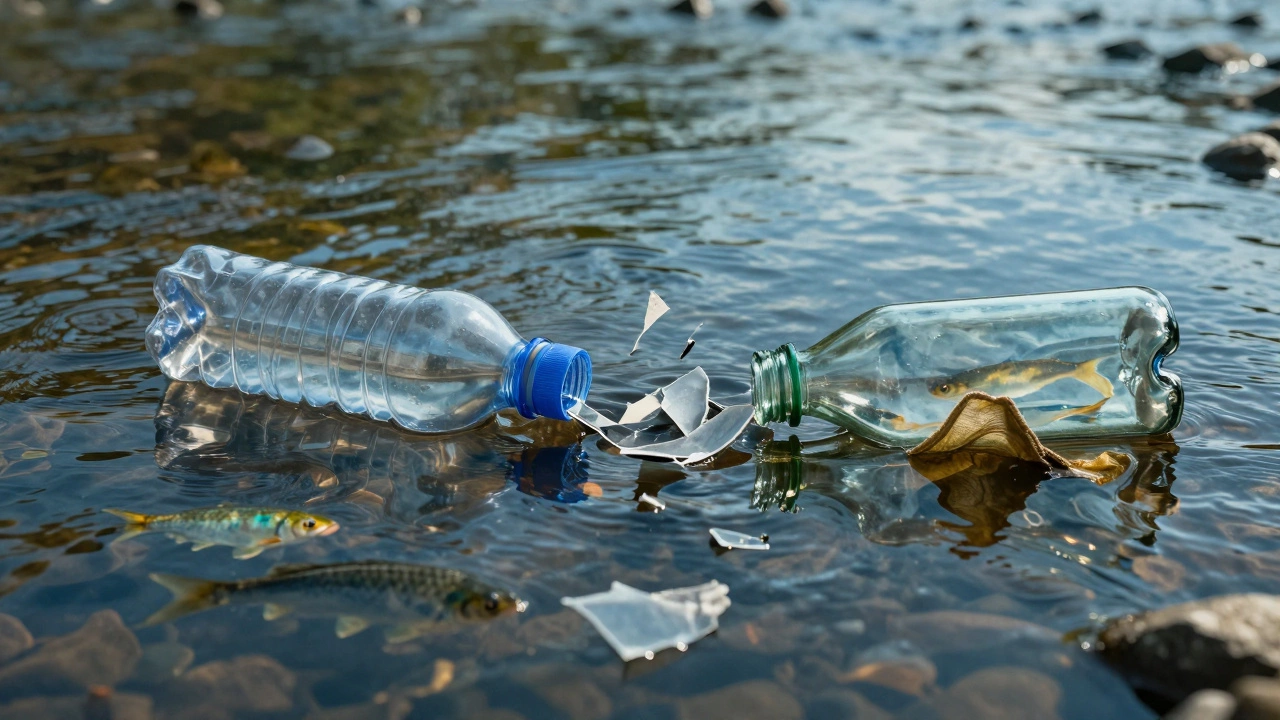
- Products with plastic packaging, even if the contents are natural.
- "Plant-based" cleaners that still contain sulfates or parabens.