Pressure Washing Business Structure Advisor
Answer three quick questions to find the best legal structure for your new cleaning business.
1. Projected Annual Profit
How much do you expect to keep after expenses in Year 1?
2. Staffing & Risk Level
Will you hire employees or take on high-risk commercial contracts?
3. Growth Ambition
Do you plan to scale rapidly or target large B2B clients?
Your Recommended Structure: Sole Trader
Why this fits you:
Key Action Items
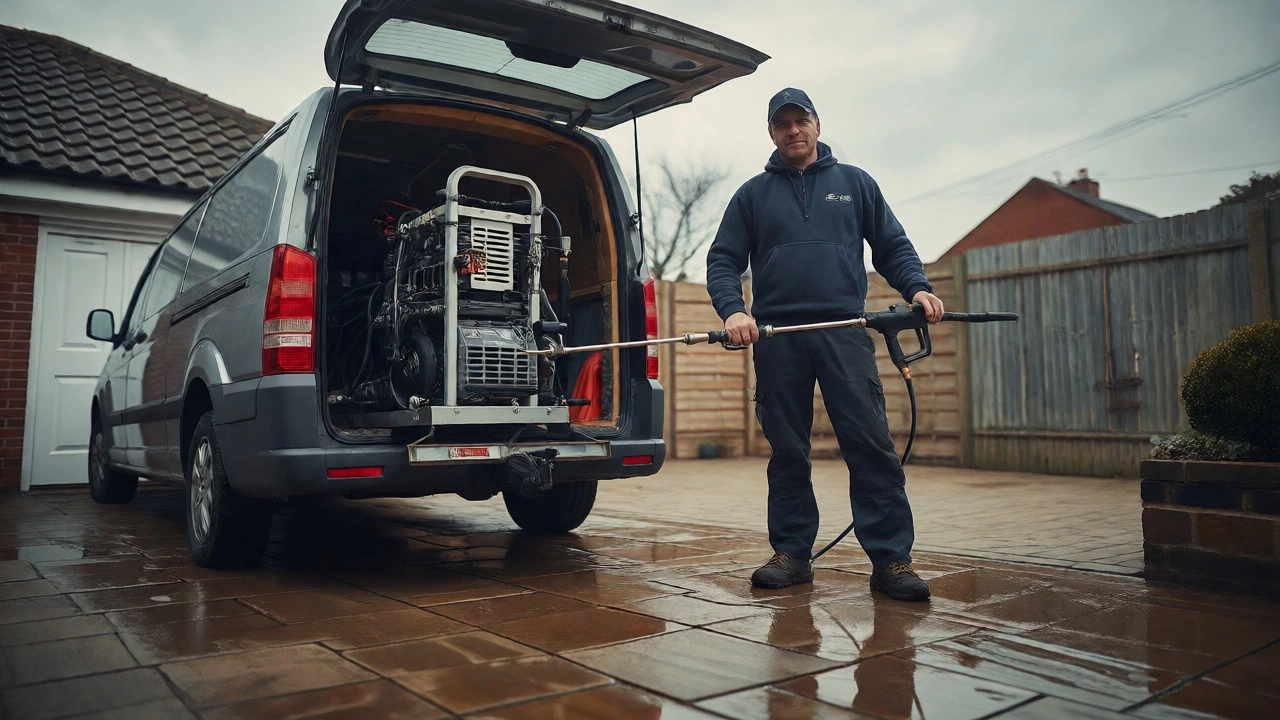
You’ve bought the machine. You’ve practiced on your own driveway until it looks brand new. Now you’re ready to take money from strangers for making their patios and driveways look decent. But before you hand out your first invoice, there’s a decision that will affect your taxes, your liability, and how much sleep you get at night: what is the best business type for pressure washing?
It sounds like a boring admin question, but getting it wrong can cost you thousands. In the UK, where this guide focuses, you generally have two main options when starting out: operating as a Sole Trader or forming a Limited Company (Ltd). There is also the hybrid model of a partnership, but let’s be honest-most solo operators don’t start with partners.
The truth? There isn’t one single "best" answer for everyone. It depends on your revenue projections, your risk tolerance, and whether you plan to hire staff immediately. But I can tell you what works for most people in the industry right now. Let’s break down the reality of each option so you can pick the one that fits your goals, not just the accountant’s preference.
The Reality of Starting Small: The Sole Trader Model
For about 80% of new pressure washers, the Sole Trader route is the obvious winner. Why? Because it’s fast, cheap, and flexible. You register with HMRC, you buy your gear, and you start working. There are no Companies House filings, no annual accounts to file publicly, and no need to set up a payroll system if you’re working alone.
Think of it this way: As a sole trader, you are the business. If you sue someone, they sue you personally. If you owe money, you owe it personally. This unlimited liability sounds scary, but here is the practical reality for pressure washing. Unless you are blasting concrete off a high-rise building or using dangerous chemicals near public footpaths, the risk of a catastrophic lawsuit that wipes out your life savings is relatively low compared to, say, a roofing contractor.
The tax side is straightforward too. You pay Income Tax and National Insurance on your profits. If your net profit stays below £50,000 (the basic rate threshold for 2026), you’re looking at a 20% income tax rate plus National Insurance. For many part-time operators doing weekends and evenings, this is significantly less hassle than managing a corporation.
| Feature | Sole Trader | Limited Company (Ltd) |
|---|---|---|
| Setup Cost | Free (HMRC registration) | £12-£100+ (Companies House + Agent fees) |
| Admin Burden | Low (Self-Assessment return) | High (Annual Accounts, Confirmation Statement) |
| Liability | Unlimited (Personal assets at risk) | Limited (Only company assets at risk) |
| Tax Efficiency | Pays Income Tax on all profits | Can split income via Salary + Dividends |
| Credibility | Perceived as smaller/local | Perceived as more established/corporate |
When Does a Limited Company Make Sense?
So, why would anyone bother with the paperwork of a Limited Company? Two words: Liability and Retention.
If you plan to scale quickly, hiring employees changes the game. Once you have staff, the risk of an accident increases. If an employee slips on a wet pavement or damages a client’s expensive cladding, a Limited Company protects your personal home and savings. The company owes the debt, not you. This separation of legal identity is crucial once you move beyond "me and my mate helping out."
Then there’s tax efficiency. If your business starts clearing £40,000-£50,000+ in profit per year, a Ltd structure often becomes cheaper. You can pay yourself a small salary (up to the Personal Allowance threshold) and take the rest as dividends. Dividend tax rates are currently lower than Income Tax rates for higher earners. Plus, you leave money in the company bank account to reinvest in new equipment without paying personal tax on it immediately.
However, don’t ignore the costs. Running a Ltd company means you need an accountant. That’s another £300-£800 a year minimum. You also have to file public accounts, which means competitors can see exactly how well you’re doing. For some, that transparency is a dealbreaker.
The Hidden Factor: VAT Registration
Regardless of whether you choose Sole Trader or Ltd, you must keep an eye on the VAT threshold. In the UK, this is currently £90,000 in taxable turnover over a rolling 12-month period. Note: this is turnover (total sales), not profit.
Once you hit £90,000, you must register for VAT. This forces you to charge an extra 20% on your invoices. For residential clients, this hurts. A homeowner might hesitate to pay £150 instead of £125 for a driveway clean. However, if you pivot to commercial work-shops, offices, councils-they are usually VAT registered themselves and can reclaim the VAT, so they won’t care about the price hike.
Some smart operators voluntarily register for VAT earlier. Why? To appear larger and more professional to B2B clients. If you want contracts with local councils or large property management firms, being VAT registered signals that you are a serious entity, not just a guy with a hose. But remember, voluntary registration locks you in for at least two years, and you have to handle quarterly VAT returns.

Insurance: The Non-Negotiable Safety Net
No matter which legal structure you pick, you cannot operate safely without insurance. Pressure washing involves high-pressure water, potential chemical runoff, and working on surfaces that might be fragile or slippery.
You need Public Liability Insurance. This covers you if you damage a client’s property or injure a passerby. Most reputable platforms (like Checkatrade or MyBuilder) require proof of at least £2 million coverage. Some commercial contracts demand £5 million.
If you hire even one helper, you legally need Employers’ Liability Insurance. Failing to have this when required can result in fines of up to £2,500 per day. Don’t try to skip this step to save pennies; one lawsuit could bankrupt a sole trader who didn’t incorporate.
Which Structure Fits Your Specific Scenario?
Let’s make this concrete. Here are three common scenarios for pressure washing startups in 2026:
- The Side-Hustler: You have a full-time job. You clean 3-4 driveways a weekend. Revenue is under £15k/year.
Verdict: Go Sole Trader. The admin overhead of a Ltd company eats into your small profits. Keep it simple. - The Full-Time Solo Operator: You quit your job. You aim for £30k-£40k profit. You work alone but might use a subcontractor occasionally.
Verdict: Start as a Sole Trader, but monitor your margins closely. If you approach the higher-rate tax band (£50k+), consider switching to Ltd mid-year. - The Scaling Entrepreneur: You plan to hire two technicians within six months. You target commercial contracts and estate agents.
Verdict: Form a Limited Company from Day 1. The liability protection and professional image are worth the accounting fees.
Practical Steps to Launch Your Chosen Structure
Once you’ve decided, here is how to execute it properly without messing up your records.
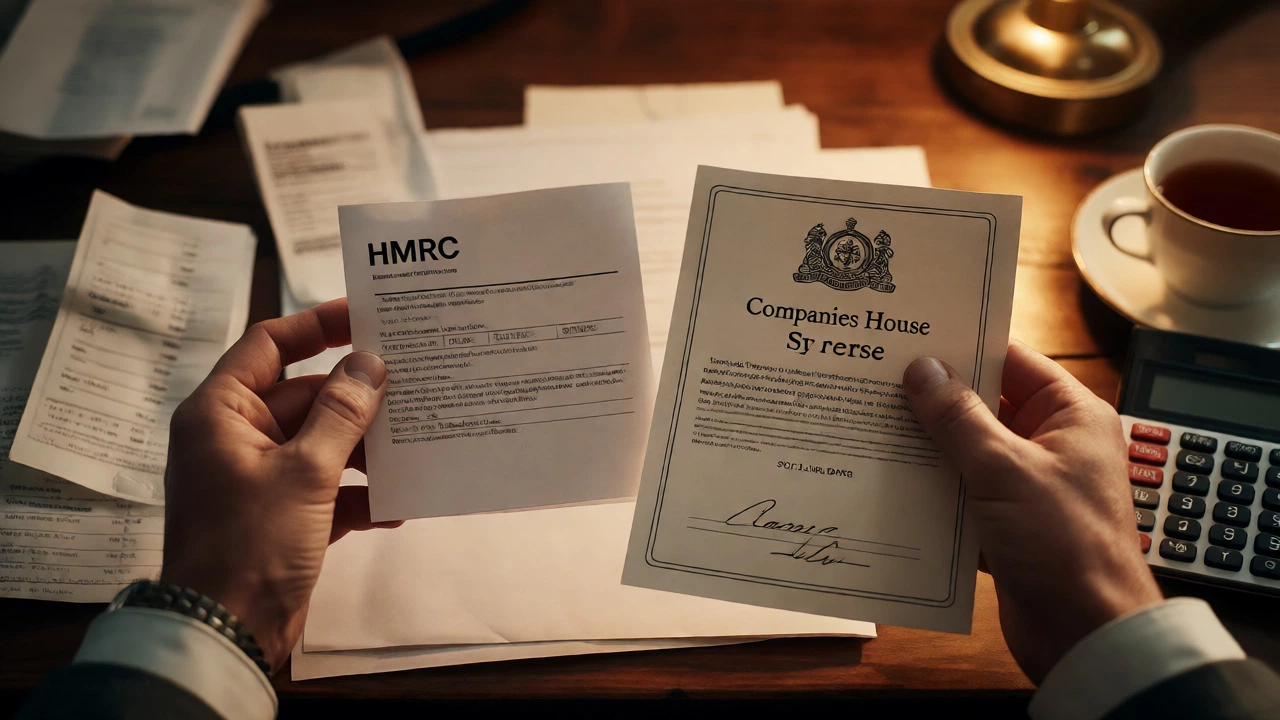
- Register Correctly: If Sole Trader, sign up for Self-Assessment on GOV.UK. If Ltd, use a formation agent or go directly to Companies House. Ensure your business name is unique and doesn’t infringe on trademarks.
- Open a Separate Bank Account: Even as a sole trader, do not mix personal and business funds. Get a free business current account (Monzo, Starling, or Tide are popular choices). This makes calculating expenses during tax season infinitely easier.
- Get Insured Before You Quote: Do not accept a booking until your policy is active. Ask your insurer for a certificate of insurance to send to clients who ask.
- Set Up Basic Accounting Software: Xero, QuickBooks, or FreeAgent are standard. They integrate with your bank feed and categorize fuel, detergent, and wear-and-tear automatically. This saves hours in January.
- Understand Expenses: You can claim the cost of your pressure washer, van, fuel, detergents, PPE, and marketing. If you use a home office for admin, you can claim a portion of utilities. Keep every receipt.
Common Pitfalls to Avoid
I’ve seen good cleaners fail because of bad structural choices. Here are the big ones:
Ignoring the "Disguised Employment" Rule: If you switch from employed to self-employed but still work exclusively for one agency under their control, HMRC might deem you a disguised employee. This applies mostly to agency work, but be aware.
Underpricing Due to Tax Blindness: New sole traders often forget to factor in Income Tax and National Insurance into their hourly rate. If you charge £20/hour, you might only keep £15 after tax and insurance. Calculate your "take-home" target first, then work backward to set prices.
Switching Structures Too Late: Converting a Sole Trader to a Ltd company later can be messy and expensive. It involves transferring assets (like your van) into the company, which might trigger Capital Gains Tax issues if the asset has appreciated. Decide early if you suspect growth.
Do I need a license to pressure wash professionally in the UK?
No, there is no specific national license required to operate a pressure washing business in the UK. However, you must comply with environmental regulations regarding wastewater disposal. You cannot simply wash dirt and chemicals into surface water drains without permission from your local water authority. Many councils require a trade effluent consent.
Is it better to be a sole trader or limited company for tax purposes?
For profits under £30,000-£40,000, being a sole trader is usually simpler and cheaper due to lower administrative costs. Above £50,000, a limited company often becomes more tax-efficient because you can pay yourself via dividends, which are taxed at lower rates than salary/income tax. Always consult an accountant for your specific situation.
What insurance does a pressure washing business need?
Public Liability Insurance is essential to cover damage to client property or injury to third parties. If you employ anyone, even casually, Employers' Liability Insurance is legally required. Professional Indemnity Insurance is optional but recommended if you offer advice or design services alongside cleaning.
Can I change from sole trader to limited company later?
Yes, you can convert a sole trader business into a limited company. This process is known as incorporation. You will transfer the business assets and liabilities to the new company. Be aware that this may have tax implications, such as Capital Gains Tax on assets transferred, so seek professional advice before making the switch.
How much does it cost to set up a limited company?
Incorporating online via Companies House costs £12. Using a formation agent typically costs between £20 and £100 depending on the package (which may include a registered office address). Ongoing costs include annual filing fees (£13 for confirmation statement) and accountant fees (£300-£800+).