DIY Window Cleaner Cost Calculator
Calculate the exact cost of your homemade streak-free window cleaner based on the gold-standard recipe. See how much you save compared to professional services or commercial sprays.
Your Results
There is nothing more frustrating than spending twenty minutes scrubbing a window only to step back and see a map of rainbow-colored streaks across the glass. You feel like you made it worse. Now you have to do it all over again. If you are tired of paying professional cleaners $100 or more for a basic job, or if you are exhausted by commercial sprays that cost too much and leave residue, there is a better way. You can get crystal-clear views without breaking the bank.
Cleaning windows does not require expensive tools or chemical-heavy products. In fact, the most effective methods often rely on ingredients you already have in your kitchen pantry. The secret isn't the product; it is the technique. By changing how you wipe, what you use to dry, and when you clean, you can achieve professional results for pennies on the dollar.
The Best Homemade Window Cleaner Recipe
You do not need to buy that neon-blue bottle from the store. Most commercial cleaners are just water with some soap and alcohol added for shine. You can make this yourself, and it will work just as well, if not better. The goal is a solution that cuts through grease but evaporates quickly so it does not leave spots.
Here is the gold-standard recipe for a budget-friendly, eco-safe cleaner:
- 1 gallon of warm water: Warm water helps dissolve dirt faster than cold water. Use distilled water if you live in an area with hard water, as minerals in tap water cause streaks.
- 1/2 cup white vinegar: Vinegar is acidic, which breaks down mineral deposits and grime. It also smells strong while wet but disappears completely once dry.
- 1/4 cup rubbing alcohol (isopropyl): This is the key ingredient for speed. Alcohol evaporates rapidly, preventing the solution from drying on the glass before you can wipe it away. This is what stops streaks.
- 1 teaspoon dish soap: Just a tiny bit. Too much soap creates suds that are hard to rinse off. Use a grease-cutting variety like Dawn for best results.
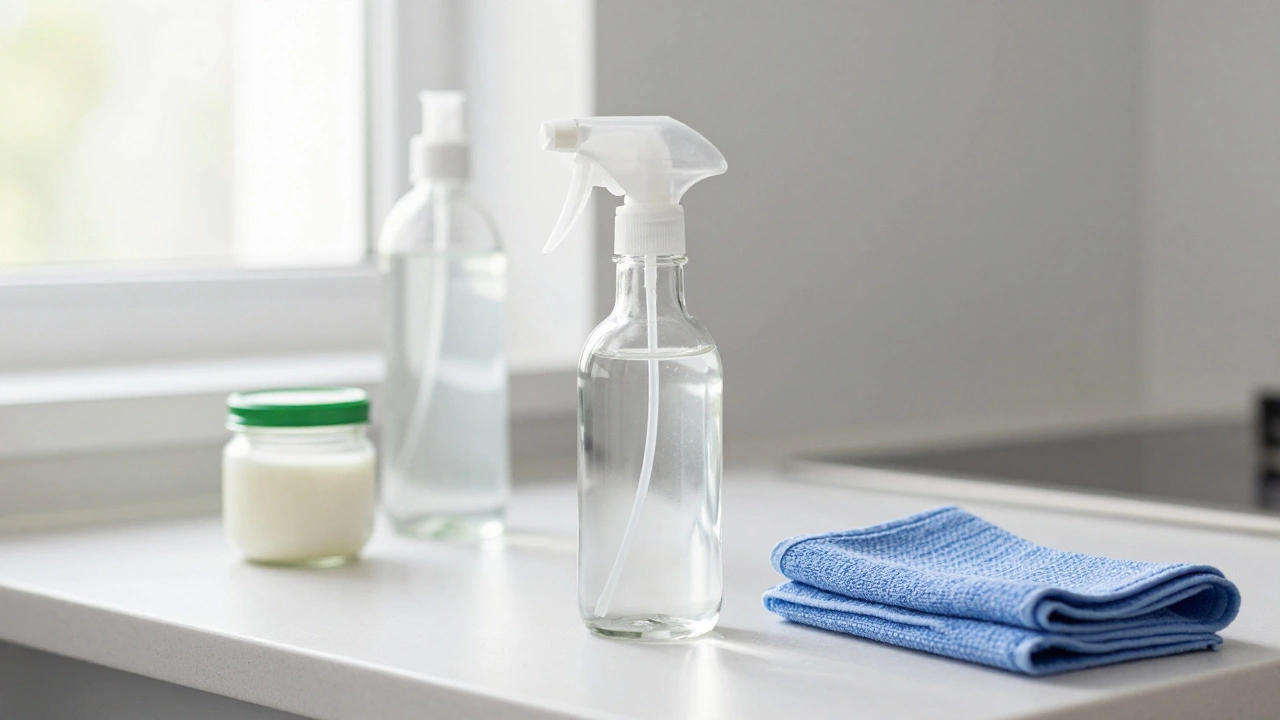
Mix these in a spray bottle. Shake gently to combine. This mixture costs less than $2 to make and lasts for months. It is safe for most window types, including those with vinyl frames. Avoid using ammonia-based cleaners on tinted windows, as they can damage the film over time.
The Right Tools for the Job (That Cost Almost Nothing)
Your method matters more than your mop. Many people grab an old T-shirt or a paper towel and start wiping. This is usually where things go wrong. Paper towels disintegrate and leave lint. Cotton t-shirts trap dirt rather than lifting it. To clean windows cheaply and effectively, you need two specific items: a microfiber cloth and a rubber squeegee.
Microfiber cloths are inexpensive and reusable. They have thousands of tiny fibers that grab dust and lift it off the surface without scratching. Buy a pack of generic ones online or at a discount store. Keep one specifically for windows so it does not pick up wax from your floors or oil from your kitchen counters.
A rubber squeegee is the single biggest game-changer for streak-free windows. A good one costs about $5 to $10. It removes the liquid in one smooth motion, leaving almost no residue behind. Without a squeegee, you are pushing dirty water around the glass. With one, you are removing it entirely.
Step-by-Step Technique for Streak-Free Glass
Having the right mix and tools is only half the battle. How you apply them determines the final look. Follow this sequence to ensure every pane looks new.
- Dust the frame first: Before you spray any liquid, take a dry microfiber cloth and wipe down the window frame and sill. If you skip this, dust will fall onto the wet glass or mix with your cleaner, creating muddy streaks.
- Spray generously: Mist your homemade solution onto the glass. Do not be stingy. You want enough liquid to loosen the dirt but not so much that it runs down the wall uncontrollably.
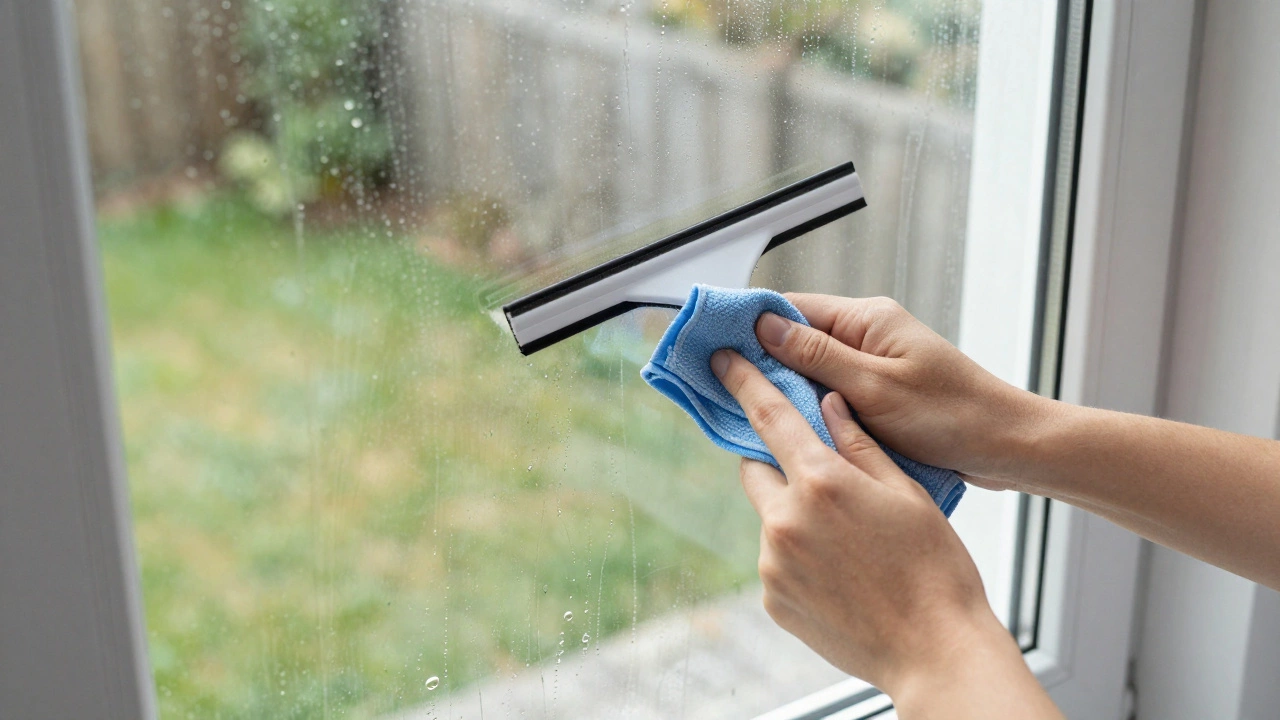
- Wipe with the squeegee: Start at the top corner. Pull the squeegee horizontally across the entire width of the window. Wipe the blade with a dry cloth after each pass. Then, move down slightly and pull horizontally again. Overlap each stroke by about an inch to ensure you catch every drop.
- Detail the edges: The squeegee cannot reach the very corners or the edge where the glass meets the frame. Use a damp microfiber cloth to wipe these narrow strips. Finally, use a dry part of the cloth to buff any remaining moisture.
This method might feel slower at first, but it saves you from having to redo the window later. Once you get the rhythm, you can clean a standard double-pane window in under two minutes.
Timing Is Everything: When to Clean
Even the best cleaner will fail if you use it at the wrong time. Sunlight is the enemy of streak-free windows. If the sun is hitting the glass directly, your cleaning solution will evaporate before you can wipe it away. This leaves behind dried spots that are incredibly difficult to remove.
Clean your windows on a cloudy day. The lack of direct sunlight gives you plenty of time to work. Early morning is also a good option because the air is cooler and dew has not yet settled heavily. Avoid cleaning immediately after a rainstorm unless you are washing away mud splatter; otherwise, wait until the glass is dry so you are not just redistributing outdoor grime.
Dealing with Tough Stains and Hard Water Spots
Sometimes a simple vinegar wash is not enough. Older homes often suffer from hard water stains-white, chalky spots caused by mineral buildup. These require a bit more elbow grease and a stronger acid.
For stubborn spots, make a paste using baking soda and a little water. Apply it to the stain with a soft sponge. Let it sit for five minutes, then scrub gently. Rinse with your vinegar solution. The mild abrasion of the baking soda lifts the mineral deposit without scratching the glass.
If you have green algae or mold growing in the corners of exterior windows, especially in shady areas, add a tablespoon of bleach to your cleaning bucket. Wear gloves and ensure proper ventilation. Bleach kills organic growth that vinegar cannot handle. Rinse thoroughly afterward to prevent damage to surrounding plants or paint.
| Method | Cost | Effectiveness | Best For |
|---|---|---|---|
| Vinegar & Water | Very Low | High | Daily maintenance, light dust |
| Commercial Spray | Medium | Medium | Quick touch-ups, convenience |
| Newspaper | Low | Low-Medium | Budget emergencies (ink risk) |
| Squeegee + DIY Mix | Low | Very High | Professional results, large panes |

Common Mistakes to Avoid
Even with the right supplies, small errors can ruin your progress. One common mistake is reusing the same rag for multiple windows. As soon as the cloth gets dirty, switch to a clean section or a fresh cloth. You are essentially painting the glass with dirt if you keep wiping with a saturated rag.
Another error is ignoring the screen. People often focus solely on the glass and forget the mesh screen sitting right in front of it. Screens collect pollen, spider webs, and insect debris. Remove the screen and hose it down, or scrub it gently with a soft brush and soapy water. A dirty screen blocks light even if the glass is spotless.
Finally, do not neglect the tracks. The bottom groove where the window slides accumulates sand and grit. Vacuum this out regularly. If it is clogged, the window may not open properly, forcing you to force it, which can break the mechanism. Clean tracks extend the life of your windows significantly.
Maintaining Clean Windows Longer
To save money in the long run, you want to clean less often. Prevention is cheaper than cure. Keep indoor humidity levels moderate to reduce condensation, which leads to mold and mildew on interior glass. Use exhaust fans in kitchens and bathrooms to vent moisture outside.
Outside, trim back tree branches that hang near your windows. Leaves and sap stick to glass and attract insects. If you have sprinklers, adjust them so they do not spray directly against the house. Water spots from irrigation systems are a major cause of frequent exterior cleaning needs.
By adopting these habits, you shift from constant reactive cleaning to occasional maintenance. Your windows stay clearer for longer, your home feels brighter, and your wallet stays fuller.
Can I use newspaper to clean windows?
Yes, newspaper is a classic trick. The ink acts as a mild abrasive, and the paper absorbs moisture well. However, modern inks can sometimes smear on colored window frames. It works best on clear glass and requires a lot of crumpling to create friction. Microfiber is generally more hygienic and less messy.
Why do my windows still streak after cleaning?
Streaks are usually caused by three things: cleaning in direct sunlight, using too much soap, or using a dirty cloth. Ensure you are working in the shade, rinse thoroughly, and switch to a clean microfiber cloth frequently. A squeegee eliminates most streak issues entirely.
Is vinegar safe for all window types?
Vinegar is safe for standard glass, vinyl, and aluminum frames. However, avoid using vinegar on stone surfaces like marble or granite sills, as the acid can etch the stone. Also, check manufacturer guidelines for tinted windows, though vinegar is generally considered safe for most films.