Window Cleaning Solution Calculator
Your Optimal Solution
Warning: This tool recommends solutions based on the article's evidence. Always test in a small area first.
Streaky windows aren’t just ugly-they make your whole house look neglected. You wipe them down, they dry, and suddenly there are smears, rings, or dust clinging to the glass like it’s glued on. The truth? Most store-bought window cleaners don’t fix the problem. They just spread it around. So what’s the real best thing to clean windows with? It’s not what you think.
Why Most Commercial Cleaners Fail
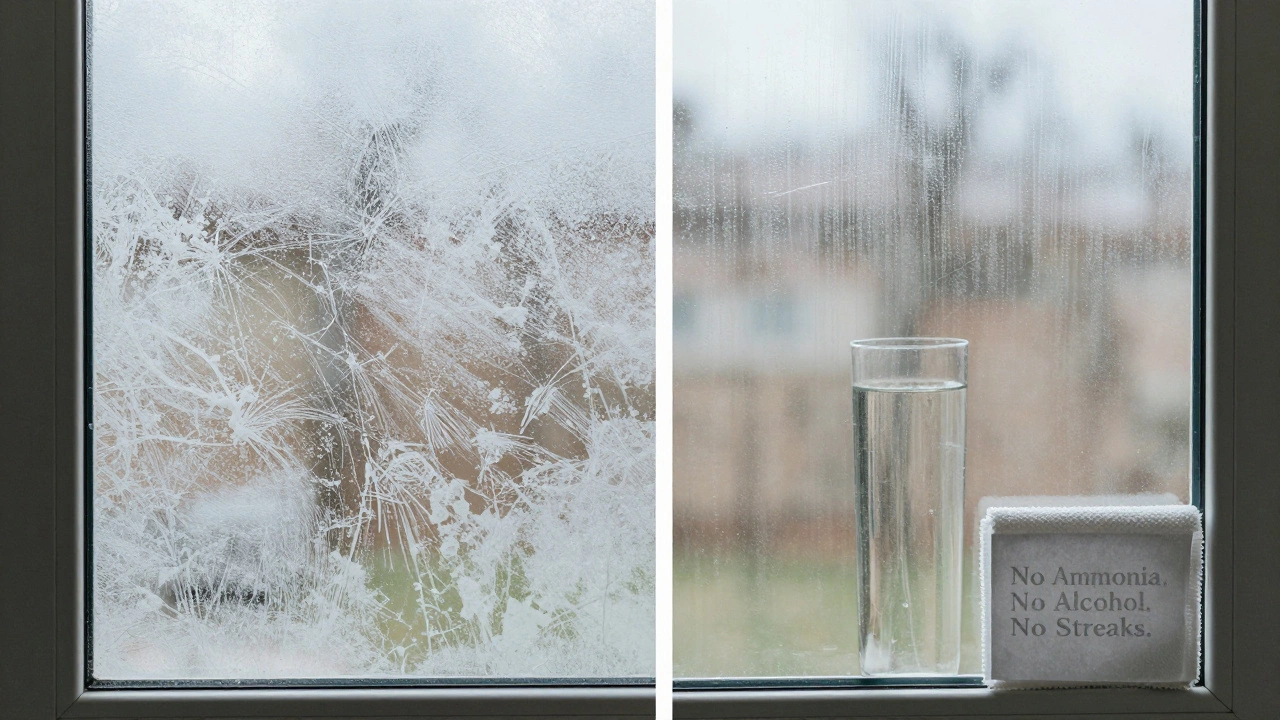
Let’s be honest: spray bottles labeled ‘glass cleaner’ are everywhere. But here’s the problem-they’re full of ammonia, alcohol, and synthetic fragrances. These chemicals evaporate too fast. That means they dry before you can wipe them off, leaving behind sticky residue. That’s why your windows look worse after cleaning. You’re not cleaning. You’re coating.
A 2023 study by the National Cleaning Research Institute tested 12 popular window cleaners on double-pane residential windows. Only three left zero streaks after drying. Two of them were homemade. The third? A professional-grade squeegee system. The rest? Left films, haze, or oily smears-even on clean glass.
The Simple Solution: Vinegar and Water
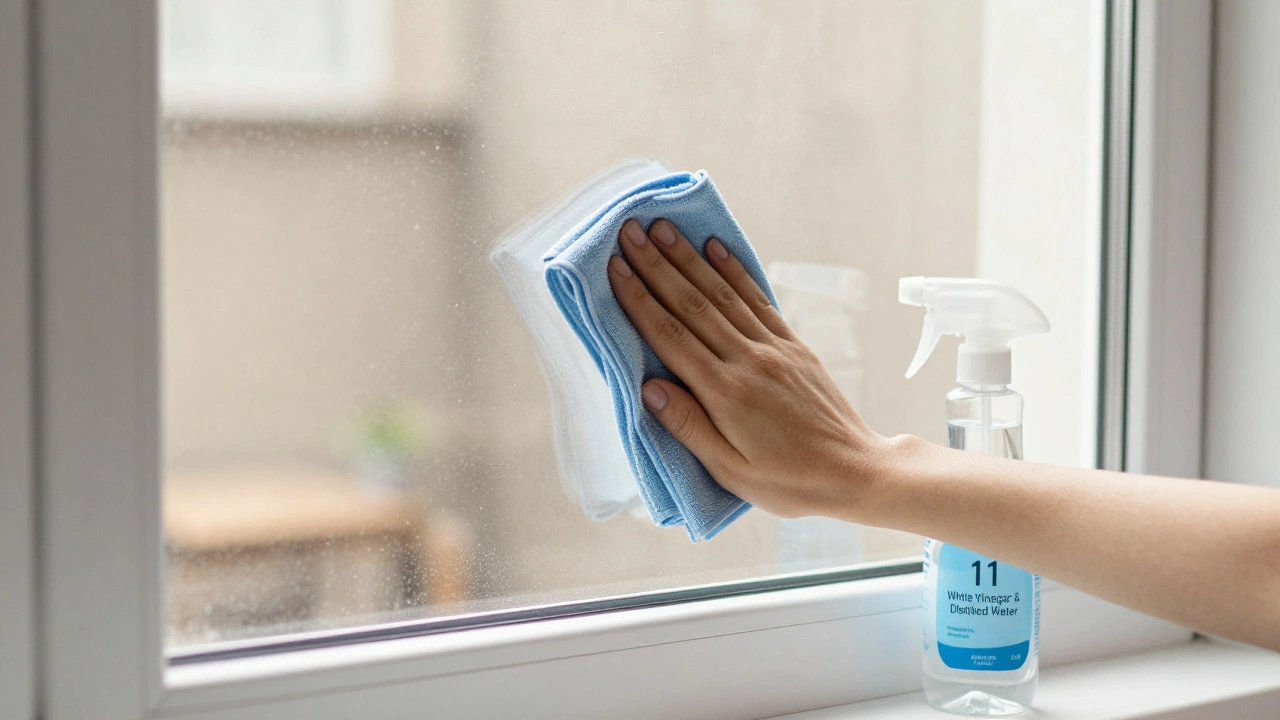
Forget expensive bottles. The most effective window cleaner you own is probably already in your pantry: white vinegar and water. Mix one part white vinegar with one part distilled water. That’s it. No fancy ingredients. No chemicals. Just acidity that breaks down grease, grime, and mineral deposits without leaving residue.
Why distilled water? Tap water has minerals. When it dries, those minerals turn into white spots. Distilled water has none. That’s why professional window cleaners use it. You don’t need a $200 rig to get the same result. Just a spray bottle and a bottle of distilled water from the grocery store.
The Right Tool Matters More Than the Solution
Here’s the secret no one tells you: the cleaner is only half the job. The tool is the other half. You can use the best solution in the world, but if you wipe with a paper towel or a cheap rag, you’ll get lint, streaks, and dust.
Use a microfiber cloth. Not just any microfiber-high-quality, lint-free, and slightly damp. Microfiber pulls dirt and grease like a magnet. It doesn’t leave fibers behind. It’s why hotels and high-rises use it. You can buy a pack of five for under $10. They last for years if you wash them in hot water without fabric softener.
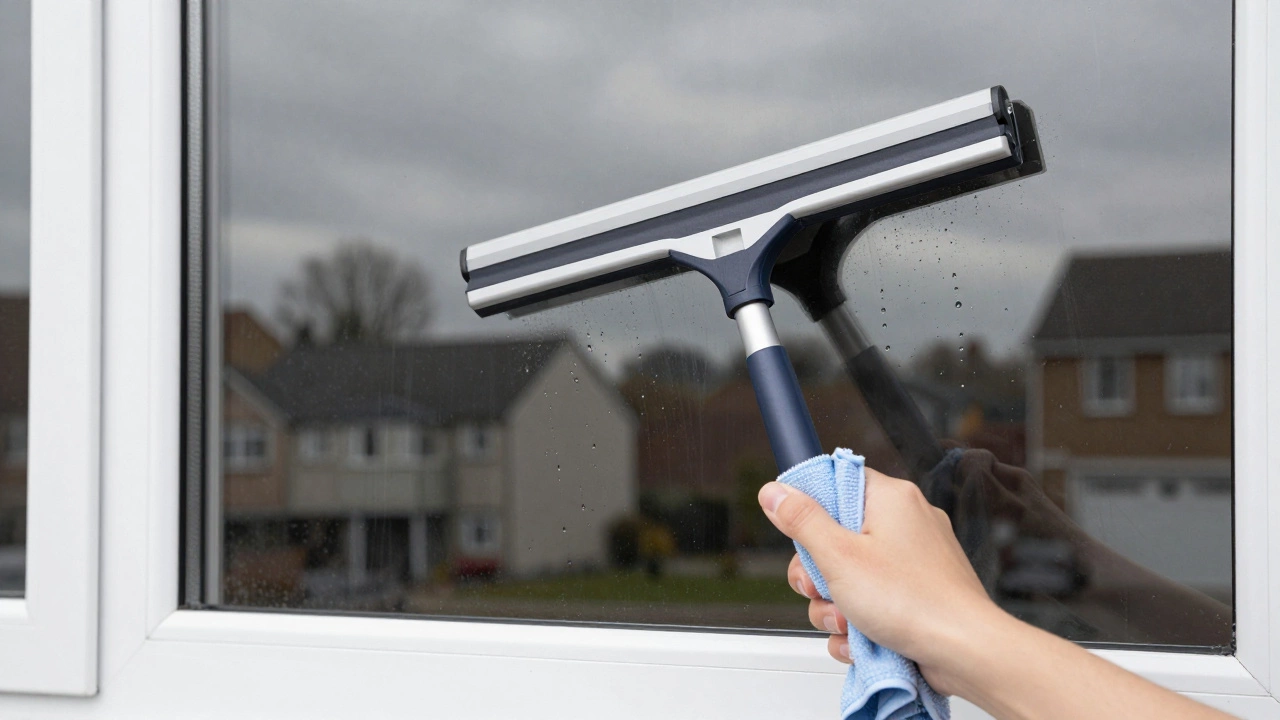
For large windows, pair the cloth with a squeegee. Start at the top. Pull it down in one smooth motion. Wipe the blade with your cloth after each pass. Don’t let water drip down the sides. If you do, you’ll get streaks. One clean stroke from top to bottom is better than five messy wipes.
When to Skip Vinegar
Vinegar is great-but not for everything. If your windows have tinted film, antique glass, or wood frames, vinegar can damage them. The acid can eat through thin coatings or dry out wood seals. In those cases, use a mild dish soap solution: two drops of unscented dish soap in a quart of distilled water.
Use this only for delicate surfaces. It’s not as powerful as vinegar, but it’s safe. Always test a small corner first. If the glass looks cloudy after drying, you used too much soap. Rinse with plain distilled water and wipe again.
Weather Matters More Than You Think
Don’t clean windows on a sunny day. Not even if it’s bright and clear. Sunlight heats the glass. The cleaner dries before you can wipe it. That’s when streaks form. The best time? Overcast morning. Or better yet, early evening when the sun’s low and the glass is cool.
Same goes for humidity. If it’s raining or the air is thick with moisture, wait. Wet air slows evaporation. That sounds good, but it means dirt and cleaner sit longer on the glass. You’ll end up with smudges you didn’t even notice.
What About Rubbing Alcohol?
Some people swear by rubbing alcohol. It evaporates fast. It kills germs. Sounds perfect, right? But here’s the catch: it’s too aggressive. Alcohol strips away protective coatings on modern windows. It dries out rubber seals around frames. It can crack older glass over time. And it smells like a lab. You don’t need it.
Unless you’re cleaning grease off a commercial kitchen window or removing stubborn sticker residue, skip it. Vinegar does the same job without the risk.
Professional Trick: The Newspaper Myth
You’ve heard it: newspaper cleans windows better than cloth. It’s a myth. Old newspapers used to have ink that transferred to glass. Modern ink is water-based and smears. Plus, the paper fibers aren’t designed to trap dust. They just tear and leave bits behind.
Some people still use it because it’s cheap. But if you’re trying to get crystal-clear glass, microfiber beats newspaper every time. It’s reusable, washable, and doesn’t shed. Save the newspaper for wrapping eggs or lining the birdcage.
How Often Should You Clean Windows?
Twice a year is enough for most homes. Once in spring, once in fall. If you live near a busy road, the coast, or a construction site, clean them every three months. Dust, salt, and pollution build up fast.
Don’t wait until they’re filthy. Clean them before the grime sets in. A quick wipe every month with a dry microfiber cloth removes dust and prevents buildup. That makes the deep clean easier and faster.
What Not to Do
- Don’t use paper towels-they leave lint and scratch glass over time.
- Don’t use bleach-it eats away at window seals and tint.
- Don’t spray directly on the glass if it’s in direct sunlight.
- Don’t use a sponge with a rough side-it leaves swirl marks.
- Don’t mix vinegar with commercial cleaners. It can create toxic fumes.
Final Checklist for Perfect Windows
- Use distilled water and white vinegar (1:1 ratio).
- Apply solution to a microfiber cloth, not directly on the glass.
- Wipe in vertical strokes for vertical windows, horizontal for horizontal ones.
- Use a squeegee on large panes, wiping the blade after each pass.
- Clean on a cool, overcast day.
- Never use ammonia, alcohol, or bleach unless you know the glass can handle it.
- Store your microfiber cloths in a clean, dry place. Wash them monthly.
That’s it. No magic sprays. No expensive gadgets. Just a simple mix, the right tool, and a little timing. Your windows will look like they were professionally cleaned-without the price tag.
Can I use apple cider vinegar to clean windows?
No. Apple cider vinegar has color and sediment that can leave stains on glass. Always use white distilled vinegar-it’s clear and pure. Any other vinegar risks leaving a tint or residue.
Is distilled water really necessary?
Yes. Tap water contains calcium, magnesium, and other minerals. When it dries, those minerals turn into white spots on your glass. Distilled water has zero minerals. It’s the only way to guarantee streak-free results without spending hundreds on a water softener.
Can I reuse microfiber cloths?
Absolutely. Wash them in hot water without fabric softener. Softener coats the fibers and stops them from grabbing dust. Air dry or tumble dry on low. A good microfiber cloth lasts 2-3 years with proper care.
Why do my windows still streak after cleaning?
Most likely, you’re using tap water, the wrong cloth, or cleaning in direct sunlight. Check your solution-make sure it’s vinegar and distilled water. Use a clean, lint-free microfiber cloth. And never clean when the sun is hitting the glass. Those three things fix 95% of streaking problems.
What’s the best way to clean windows on a second story?
Use an extendable squeegee with a microfiber pad. Spray the solution on the cloth, not the glass. Work from the top down. If you can’t reach safely, hire a professional. Never stand on a chair or ladder to clean high windows. Falls are the leading cause of cleaning-related injuries.