Wear and Tear Checker
Is This Condition Acceptable Wear and Tear?
Check the most common tenancy conditions to see if they count as acceptable wear and tear or damage.
Carpet in high-traffic areas
Is the carpet worn down in hallways, stairs, or living rooms?
Stains on carpets or upholstery
Are there small, isolated stains that were cleaned properly?
Painted walls
Are there small nail holes or light scuffs from moving furniture?
Kitchen tiles
Are there minor scratches on kitchen tiles from everyday use?
Oven cleanliness
Is the oven only lightly greased from normal cooking?
Door handles
Are door handles slightly loose or sticking?
Light fixtures
Are light switches or fixtures slightly dirty but functional?
Results
How to Protect Your Deposit
Based on your selections, here's what you should do:
- Take dated photos of all conditions before moving out
- Review your move-in inventory report carefully
- Ask for itemized receipts if charges are claimed
- Dispute any unfair charges through your Tenancy Deposit Scheme
When you move out of a rented property, your landlord might try to keep part or all of your deposit. They’ll say it’s for cleaning, repairs, or damage. But not every scratch, stain, or faded carpet is your fault. Acceptable wear and tear is the legal line between normal use and real damage-and knowing it can save you hundreds of pounds.
What Exactly Is Acceptable Wear and Tear?
Acceptable wear and tear means the small, unavoidable signs of living in a home over time. It’s not negligence. It’s not abuse. It’s just life. A slightly scuffed door frame from moving furniture. Faded curtains from sunlight. Thinning carpet in high-traffic areas. Light scuffs on kitchen tiles. These aren’t reasons to charge you.
The UK government’s guidance (under the Tenant Fees Act 2019 and the Housing Act 2004) is clear: landlords can’t charge for normal wear and tear. Only for damage beyond that. And they must prove it. That means they need photos from move-in, receipts for repairs, and clear evidence that the issue wasn’t there when you moved in.
Common Examples of Acceptable Wear and Tear
Here’s what you’re legally allowed to leave behind without penalty:
- Light scuffs or marks on walls from picture hooks or furniture-no large holes or deep gouges
- Faded or sun-bleached curtains, carpets, or paint-especially in rooms with lots of windows
- Minor scratches on wooden floors or countertops from everyday use
- Worn-down carpet in hallways or living areas-especially after 3+ years of tenancy
- Loose door handles or slightly sticking drawers-these happen with age, not misuse
- Small, isolated stains on carpets or upholstery that were cleaned properly
- Chipped enamel on a sink or bathtub from normal use
- Light rust on taps or fixtures-especially in bathrooms or kitchens with high humidity
These aren’t excuses for laziness. If you left a grease ring on the stove because you never cleaned it, that’s not wear and tear. But if the grout between tiles has faded after five years of regular cleaning? That’s normal.
What Counts as Damage? (And What Landlords Can Charge For)
Landlords can only deduct from your deposit for things that go beyond normal aging. These are real problems you caused:
- Large holes in walls from hanging shelves without permission
- Stains on carpets that won’t come out after professional cleaning
- Broken windows, locks, or appliances due to negligence
- Missing light fixtures, switches, or door handles
- Smells from smoking indoors (if the property is non-smoking)
- Pet damage-chewed skirting boards, urine stains, or torn upholstery
- Water damage from leaving taps running or ignoring leaks
Here’s the key: if something was already worn when you moved in, it stays worn. If your landlord didn’t take photos or inventory at the start, they have no legal ground to claim damage now.
Why Move-In and Move-Out Photos Matter
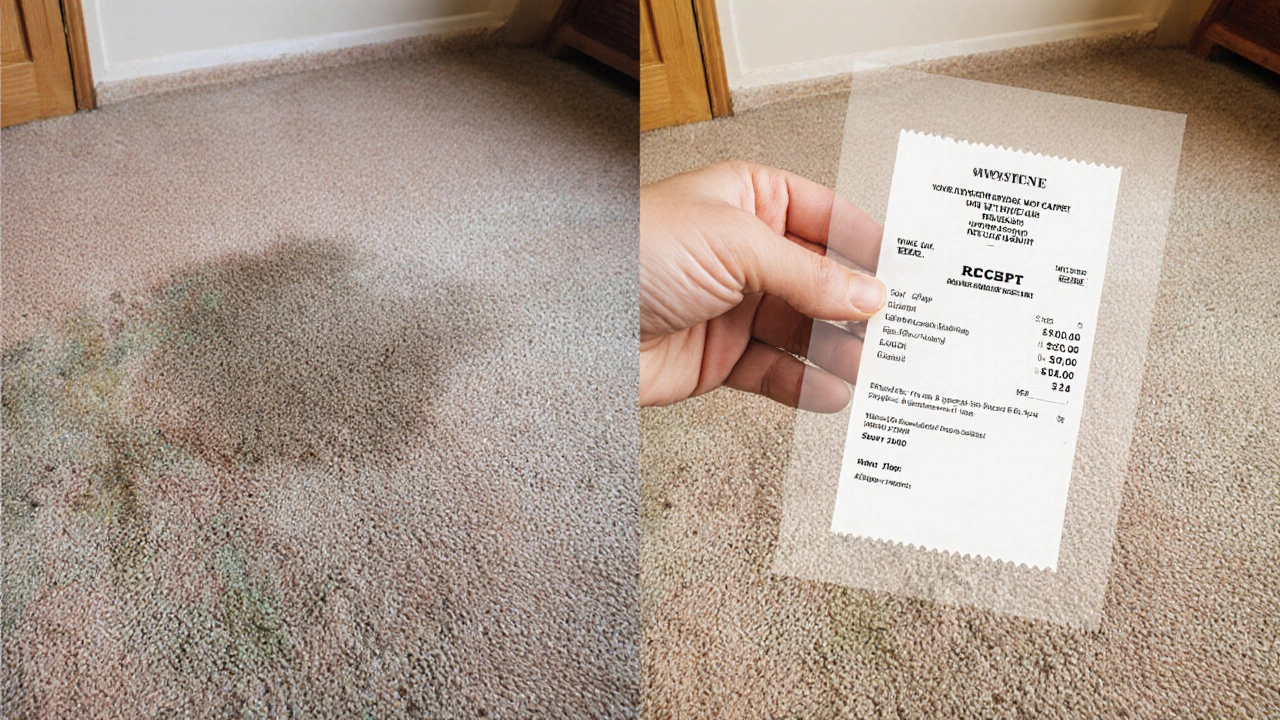
Most deposit disputes come down to one thing: proof. If your landlord says the carpet was clean when you moved in, but you have a photo showing it was already stained and frayed? You win. If you didn’t take photos? You’re at risk.
In Leeds, where many rentals are older properties, carpets often show wear after just two years. Paint peels near radiators. Doors stick in the summer. These aren’t your fault. But without evidence, landlords will still try to charge you.
Take clear, dated photos of every room before you move in. Include close-ups of floors, walls, appliances, and fixtures. Keep them on your phone and email a copy to yourself. Do the same when you move out. Don’t just snap one quick shot-document everything.
What Landlords Can’t Do
Some landlords try to pull tricks. Here’s what’s illegal:
- Charging for full replacement of items that still have life left (e.g., replacing a 7-year-old carpet with a brand-new one)
- Using ‘betterment’-making you pay to upgrade something to ‘new’ condition
- Charging for cleaning that’s just normal dirt (e.g., dust in corners, light grease on stovetops)
- Withholding your deposit because you didn’t deep clean the oven-unless it’s caked in grease from years of neglect
- Using a cleaning company they’ve never used before and charging you for it without your approval
Under UK law, landlords must use the ‘fair wear and tear’ principle. That means they can only charge for the reduction in value of an item, not the full cost of replacing it. If your carpet is 5 years old and lasts 10, they can only charge you 50% of the replacement cost-even if it’s damaged.
How to Protect Your Deposit
Follow these steps to avoid losing your deposit:
- Get a signed inventory report when you move in. Check every item, note any damage, and keep a copy.
- Take your own photos and videos. Date them. Save them in cloud storage.
- Keep receipts for any repairs or cleaning you do yourself.
- Clean thoroughly-but don’t overdo it. You’re not expected to make it look brand new.
- Request a check-out inspection with your landlord or agent. Be present. Take notes.
- If they withhold money, ask for itemized receipts and proof of damage.
- Dispute unfair charges through the Tenancy Deposit Scheme (TDS) or MyDeposits.
Most deposits in Leeds are held in government-approved schemes. That means you have a free, official way to challenge deductions. Don’t let them pressure you into accepting a low offer.
Real Example: A Leeds Tenant’s Deposit Saved
A tenant in Roundhay, Leeds, moved out after four years. Her landlord deducted £300 for ‘carpet replacement.’ She had photos from move-in showing the carpet was already faded and worn in the hallway. She also had the original inventory, which noted ‘moderate wear’ on the living room carpet. She submitted this to MyDeposits. The adjudicator ruled in her favor-no deduction. The landlord had to pay her back £300 plus £50 for time and stress.
She didn’t hire a lawyer. She didn’t make a fuss. She just had proof.
Final Rule: Clean, Don’t Overclean
You don’t need to scrub the walls white. You don’t need to replace the toaster. You don’t need to repaint every room. Just clean it to the same standard you found it in-minus any damage you caused.
Landlords aren’t entitled to a brand-new property. They’re entitled to the same property you moved into, minus fair wear and tear. If you’ve lived in it responsibly, you’ve earned your deposit back.
Know your rights. Document everything. And don’t let a landlord’s vague claims scare you out of what’s yours.
Is it acceptable wear and tear if my carpet is worn in high-traffic areas?
Yes. Normal foot traffic over time causes carpet to thin, especially in hallways, stairs, and living areas. If the carpet was already worn when you moved in, it’s even clearer. Landlords can’t charge for this unless you caused unusual damage like burns, deep stains, or tears.
Can a landlord charge me for cleaning the oven?
Only if it’s heavily caked in grease or burnt-on food that wasn’t there when you moved in. Light grease from normal cooking and basic cleaning isn’t enough. If the oven was dirty when you moved in, you’re not responsible. Most professional end-of-tenancy cleaners charge £50-£80 for oven cleaning-this is reasonable if needed, but not mandatory unless the oven is unusable.
What if my landlord says the walls need repainting?
Small nail holes from pictures or light scuffs are normal. If the walls are stained from smoking, marked with crayons, or have large holes from hanging heavy items, that’s damage. But if the paint is just faded or has minor marks from moving furniture, repainting isn’t your cost. Landlords must prove the paint was in good condition when you moved in.
Do I need to hire a professional cleaner to get my deposit back?
No. You just need to clean the property to the same standard it was in at the start of your tenancy. Many tenants clean well themselves and get their full deposit back. Professional cleaners are only necessary if the property is genuinely unclean. If your landlord insists on a specific company, they must pay for it-not you.
Can a landlord keep my deposit for pet damage if I didn’t have a pet?
No. If you never had a pet and there’s no evidence you did, they can’t charge you. Landlords sometimes blame pets for stains or smells. But if your lease says no pets and you followed it, they need proof-like a vet record, photo of the pet, or witness statement. Without it, the charge is invalid.
How long do I have to dispute a deposit deduction?
You have up to three months after your tenancy ends to dispute a deduction through the Tenancy Deposit Scheme that holds your money. Most schemes offer free mediation. Don’t wait-act as soon as you get the deduction notice. The longer you wait, the harder it gets to gather evidence.
Next Steps: What to Do Right Now
If you’re moving out soon:
- Find your move-in photos and inventory report.
- Take new photos of every room, including close-ups of floors, walls, and fixtures.
- Clean the property thoroughly-but don’t spend money on unnecessary deep cleans.
- Request a joint check-out inspection with your landlord or agent.
- If they withhold money, ask for receipts and proof of damage before agreeing.
- If they refuse, file a dispute with your deposit protection scheme. It’s free and fast.
Don’t assume you’ll lose your deposit. Most landlords don’t know the law. You do. Use that advantage.