Construction Dust Settlement Estimator
Estimated Result
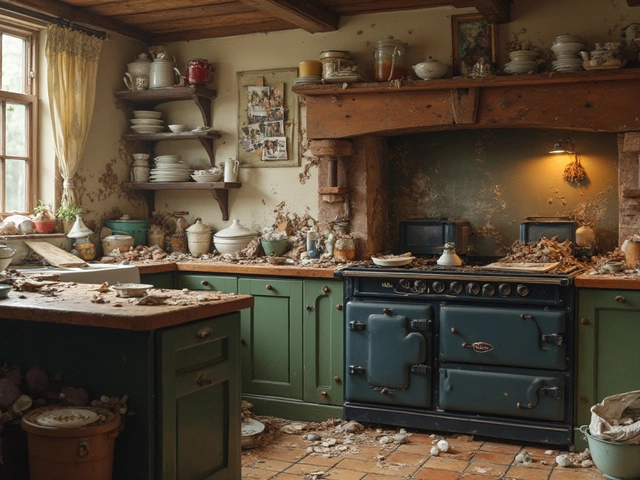
If you're waiting for the air to clear so you can start your after builders cleaning, you might be waiting weeks, and even then, you'll just be moving the same particles around. This isn't like a bit of sawdust from a small project; building work creates microscopic particles that behave more like a gas than a solid. Understanding how this works will save you from cleaning the same shelf five times in one afternoon.
The Reality of Dust Settling Times
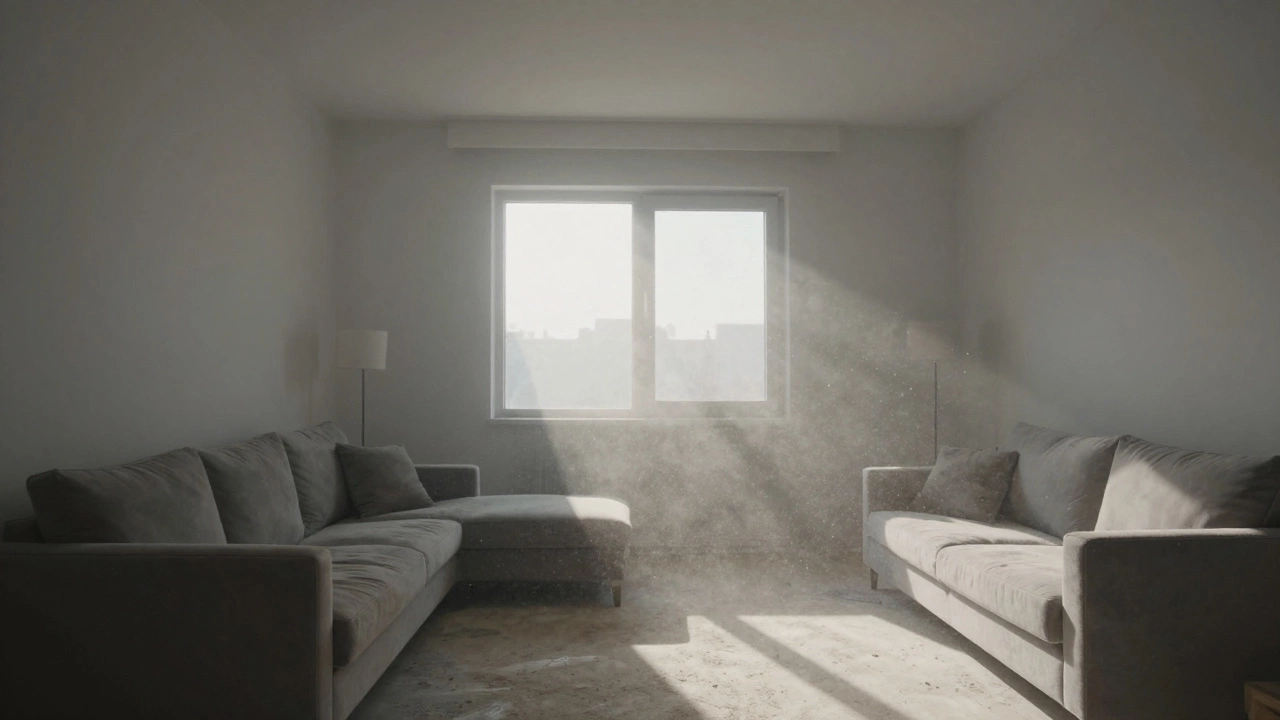
When we talk about dust settling, we are dealing with particle physics. Particulate Matter is tiny pieces of solid or liquid matter suspended in the air. In construction, this usually consists of gypsum, silica, and sawdust. Larger particles-the ones you can see dancing in a beam of sunlight-will settle within 24 to 48 hours. However, the fine, microscopic dust (often under 10 microns) can remain suspended for days or even weeks, depending on the airflow in your home.
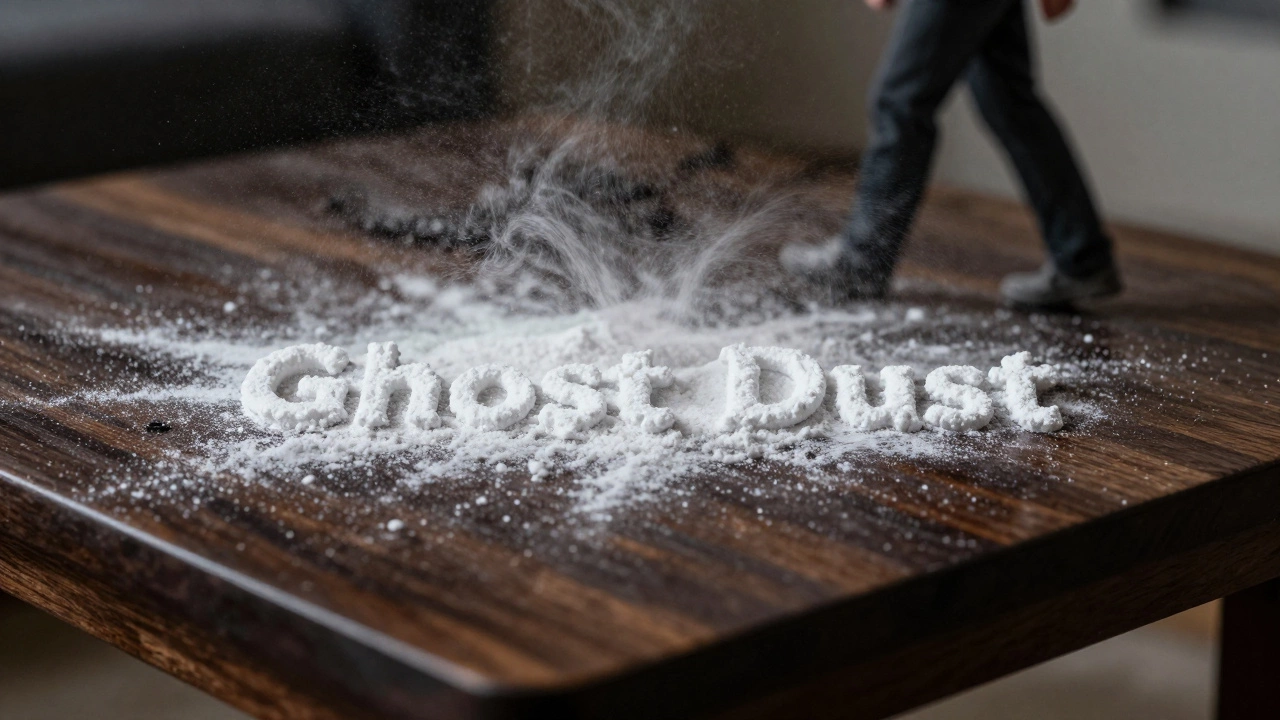
Why does this happen? Every time you walk across a room, open a door, or turn on a ceiling fan, you create air currents. These currents act like a tiny invisible elevator, picking up the dust that just settled and pushing it back into the air. If you have a high-traffic household with kids or pets, the 'settling period' is effectively infinite because the air is constantly being agitated.
What Exactly Is in Your Air?
Not all construction dust is created equal. Depending on what your builders were doing, you're dealing with different materials that behave differently in your living space. Gypsum, found in drywall and plasterboard, creates an incredibly fine powder that clings to vertical surfaces via static electricity. Crystalline Silica, which comes from cutting concrete, brick, or stone, is much heavier but far more dangerous if inhaled. While silica settles faster than gypsum, it is often mixed with finer debris that keeps it aloft.
| Material | Particle Size | Estimated Settling Time | Persistence |
|---|---|---|---|
| Sawdust | Large | 12-24 Hours | Low (settles quickly) |
| Plaster Dust | Fine | 3-7 Days | High (clings to walls) |
| Concrete Dust | Variable | 2-4 Days | Medium (settles but redistributes) |
| Paint Fumes/Dust | Microscopic | Weeks | Very High (requires ventilation) |
The 'Ghost Dust' Cycle
Have you ever cleaned a room perfectly, only to find a white film on your coffee table an hour later? This is the 'Ghost Dust' cycle. It happens because construction dust doesn't just sit on the floor; it embeds itself in HVAC Systems, which are heating, ventilation, and air conditioning systems that circulate air throughout a building. If your builders didn't seal off the vents or change the filters, your heating system is effectively a dust cannon, blasting particles back into the room every time the air kicks in.
Furthermore, fabrics act as sponges. Your curtains, carpets, and upholstered sofas trap these fine particles. As you sit down or move a curtain, you release a fresh cloud of dust. This is why simply vacuuming the floor isn't enough; you're fighting a battle against reservoirs of dust hidden in your textiles.
How to Actually Clear the Air
Since waiting for dust to settle is a losing game, you need to take an active approach to remove it from the environment. The goal is to move from 'waiting' to 'extracting'.
- Seal the HVAC: Before you start cleaning, check your air filters. If they are grey or brown, replace them immediately. Otherwise, you're just recycling construction debris.
- Use HEPA Filtration: A standard vacuum cleaner often sucks up dust and blows the finest particles right back out the exhaust. You need a HEPA Filter (High-Efficiency Particulate Air), which is a mechanical air filter designed to trap 99.97% of particles that are 0.3 microns in size. This is the only way to actually remove the fine particles from the air and surfaces.
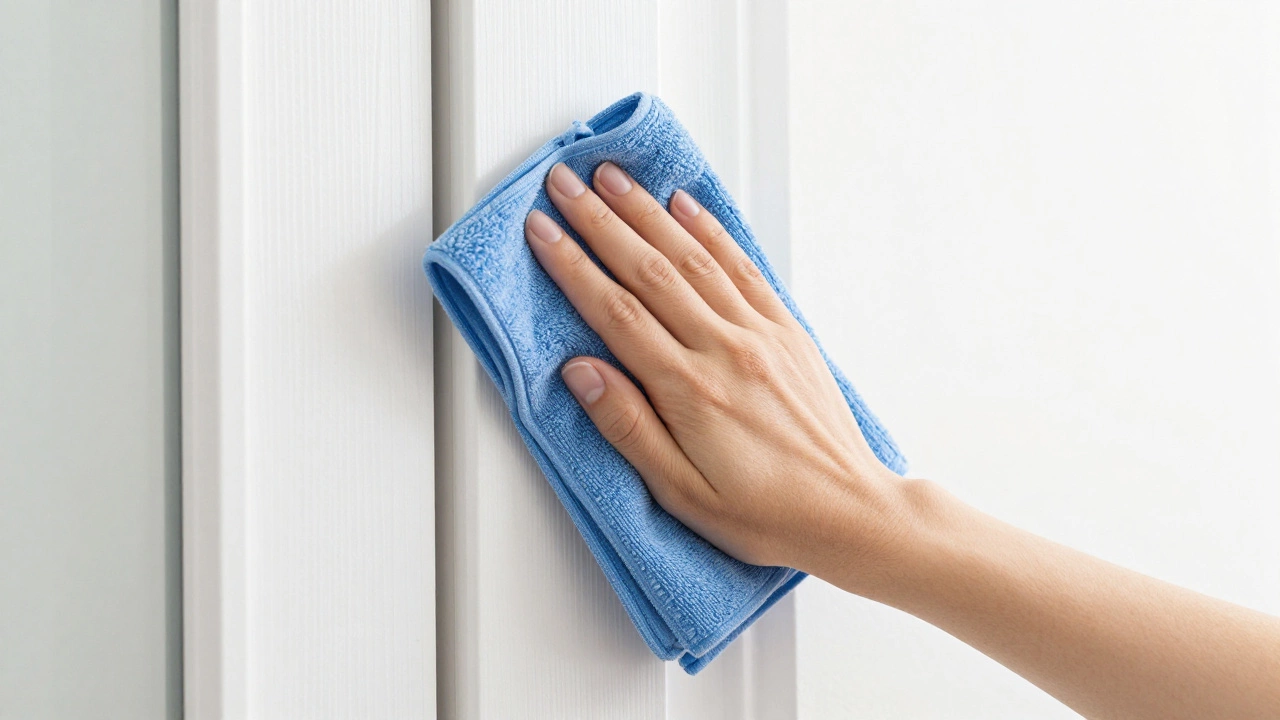
- Damp Dusting: Never use a feather duster or a dry cloth. This just pushes the dust into the air. Use microfibre cloths dampened with water. The moisture binds to the dust, allowing you to wipe it away physically rather than shifting it.
- Air Purification: Run an air purifier with a HEPA rating for 48 to 72 hours in each room. This mimics the 'settling' process but captures the particles in a filter instead of letting them land on your furniture.
The Right Order of Operations
One of the biggest mistakes homeowners make is cleaning the floors first. If you do that, you'll just spend the next three days vacuuming the same floor as dust falls from the ceiling and walls. To break the cycle, follow the 'Top-Down' method.
Start with the ceiling fans, light fixtures, and the tops of door frames. Move to the walls-wipe them down with a damp sponge if necessary. Then tackle the window sills and countertops. Only once every vertical surface has been cleared should you move to the floors. This ensures that any dust disturbed during the process lands on a surface you haven't cleaned yet.
When to Call in the Professionals
Sometimes, the volume of dust is simply too much for a domestic vacuum and a few cloths. If your home has undergone a full gut renovation or extensive sanding of floors and walls, you might be dealing with a level of contamination that requires industrial equipment. Professional cleaners use Industrial Air Scrubbers, which are heavy-duty machines that filter large volumes of air to remove airborne contaminants. These machines can clear a room's air in a fraction of the time it takes for natural settling.
If you notice a persistent metallic smell or if members of your family are coughing more than usual after the builders leave, don't wait for the dust to settle. This is a sign that the particulate matter is high enough to cause irritation, and a professional deep clean is the only safe way forward.
Can I just leave the house for a week to let the dust settle?
While leaving the house will allow the heaviest particles to land, it won't solve the problem. The finest particles will remain suspended, and the moment you walk back in and open a door, you'll stir them all back up. You still need to perform a thorough damp-cleaning and filter change regardless of how long you wait.
Will a standard vacuum cleaner remove construction dust?
Generally, no. Most standard vacuums aren't sealed well enough to handle construction dust. The fine particles often pass through the filter and are exhausted back into the room. To effectively remove this type of debris, you must use a vacuum with a certified HEPA filter.
How do I know if the dust has finally settled?
The 'flashlight test' is the best way. Turn off the main lights and shine a strong torch beam across a dark surface. If you see thousands of tiny particles floating in the beam, the air is still contaminated. If the beam is clear, your air is mostly clean.
Do I need to wash my walls after construction?
Yes. Construction dust is often electrostatic, meaning it clings to paint and wallpaper. Vacuuming the floors won't remove the dust on the walls, which will continue to flake off and land on your furniture for weeks if not wiped down with a damp cloth.
Is construction dust harmful to breathe?
It can be. Depending on the materials, you could be inhaling silica, gypsum, or old lead paint dust. While a few days of exposure might only cause a runny nose or itchy eyes, long-term exposure to fine particulates can irritate the lungs. Using air purifiers and wet-cleaning methods minimizes this risk.
Final Tips for a Dust-Free Home
To prevent the dust from returning, keep your windows open for a few hours a day to create a cross-breeze that pushes stagnant air out. If you have carpets, consider a professional steam clean; a standard vacuum simply cannot reach the depths of the pile where construction dust settles. Finally, don't forget to clean the tops of your wardrobes and kitchen cabinets-these are the primary landing zones for the heaviest dust, and if left untouched, they'll act as a reservoir that redistributes dust every time there's a draft.