Pee Smell Removal Troubleshooter
Select your situation to get personalized instructions for removing urine odor from your couch.
Stain Age
Couch Type
Recommended Approach
Select your options above to see personalized instructions.
Nothing ruins a comfy couch faster than a pee accident. Whether it’s a toddler, a puppy, or an older pet with bladder issues, the smell lingers long after the stain fades. And once urine soaks into the foam or padding beneath the fabric, it doesn’t just smell bad-it gets worse over time as bacteria multiply. But don’t panic. You don’t need to replace your couch. With the right steps, you can get that ammonia-like stink out for good.
Act Fast, But Don’t Overdo It
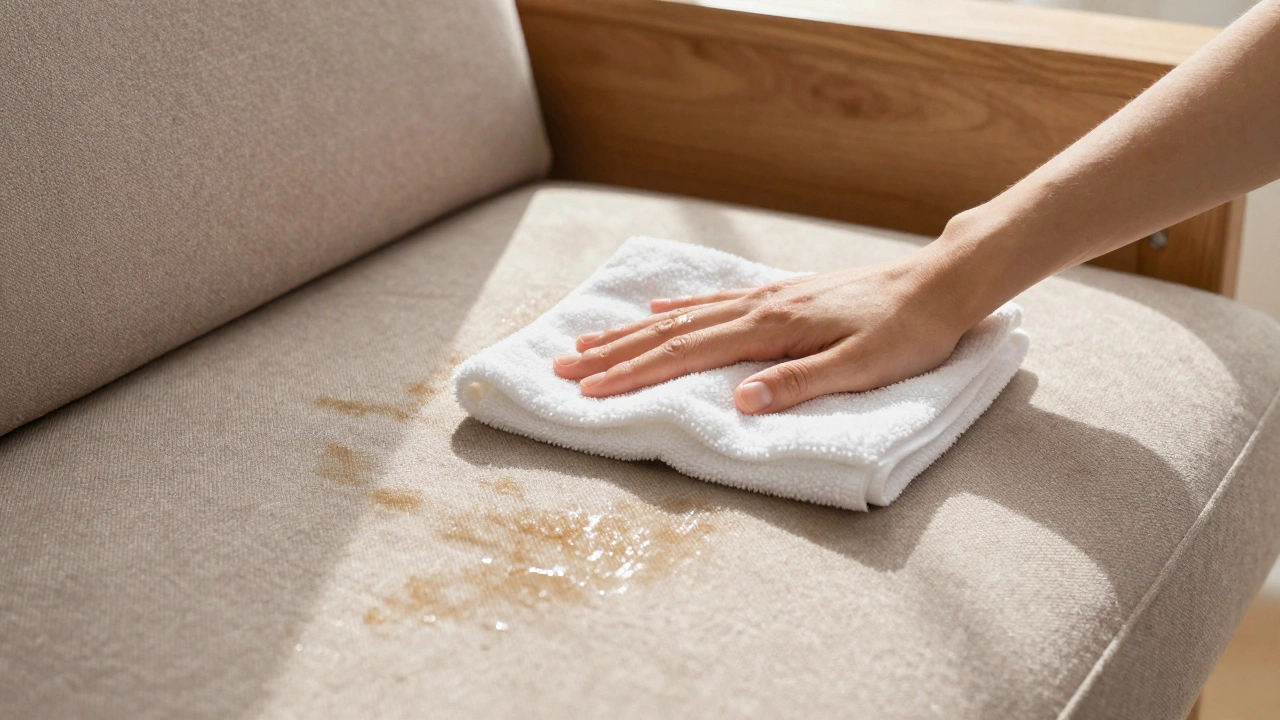
The sooner you tackle the smell, the better your chances of total removal. If the accident is fresh, blot up as much liquid as you can with clean, dry towels. Don’t scrub. Rubbing pushes the urine deeper into the cushion. Just press down gently and swap out towels until they come away dry. This step alone can cut the odor by half.
Now, here’s where most people mess up: they reach for strong cleaners, bleach, or ammonia-based products. Big mistake. Urine already contains ammonia. Adding more just makes the smell worse. And bleach? It can damage fabric, fade colors, and even set the stain permanently. Stick to gentle, natural methods that break down the urine crystals, not mask them.
Use White Vinegar and Water
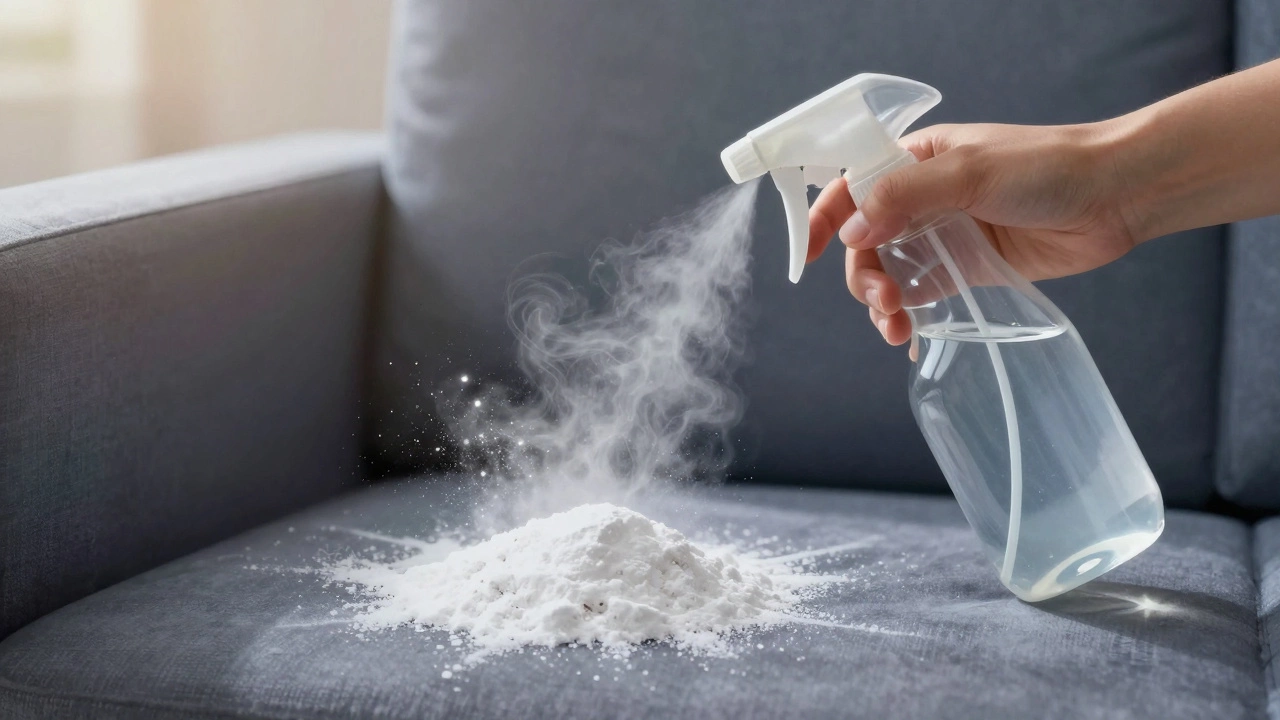
White vinegar is your best friend here. It’s acidic, which neutralizes the alkaline salts in dried urine. Mix one part white vinegar with one part cold water in a spray bottle. Spray the affected area generously-soak it until the fabric is damp but not dripping. Let it sit for 10 to 15 minutes. You’ll notice the smell change: sharp ammonia fades into a vinegary tang. That’s normal. The vinegar is working.
After waiting, blot again with clean towels. Don’t skip this. You’re pulling the broken-down urine out of the fibers. Repeat the spray-and-blot cycle if the smell still lingers. Some deep stains need two rounds.
Apply Baking Soda (The Real Magic)
Once the vinegar has done its job, let the area dry completely. This is critical. You can’t skip drying. Use a fan or open a window. Moisture traps odor, not removes it.
Now, sprinkle a thick layer of plain baking soda over the entire damp area. Not a dusting-think like you’re snowing the couch. Baking soda doesn’t just cover up smells. It absorbs them at a molecular level. It also draws out residual moisture and neutralizes lingering odors from deep in the foam.
Let it sit for at least 4 hours. Overnight is even better. If you’re in a hurry, use a hairdryer on cool setting to speed up drying, but don’t rush the baking soda. It needs time to work.
Vacuum Thoroughly
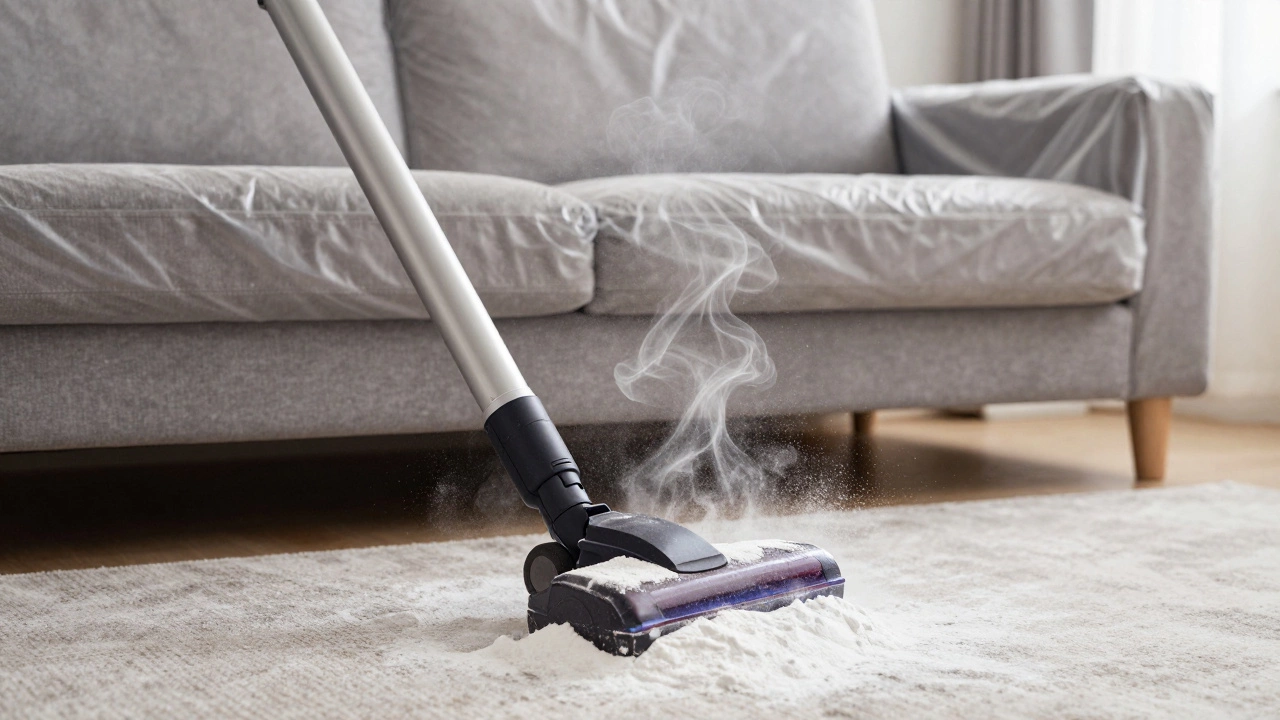
After the baking soda has sat, vacuum it up. Use the upholstery attachment and go over the area slowly. You’ll see the powder disappear into the vacuum. Don’t just do it once-go over the spot two or three times. Any leftover baking soda can attract dirt later, and you don’t want grit settling into your fabric.
At this point, the smell should be gone-or at least 90% gone. If you still catch a whiff, you might have a deeper problem: the urine soaked into the foam padding. That’s harder to fix, but not impossible.
Dealing with Deep Stains (Foam Padding)
If the smell returns after a day or two, the urine reached the cushion core. This is common in older couches or those with thin fabric. You’ll need to lift the upholstery if possible. Look for zippers or removable covers. If you can access the foam, spray the vinegar solution directly onto the affected foam, then let it air dry completely. Place towels under the cushion to catch drips.
For non-removable cushions, try using a wet/dry vacuum with the vinegar solution. Gently suction the area to pull moisture out. Then, reapply baking soda on top and let it sit overnight. This method won’t always work on foam that’s been soaked for days, but it’s worth trying before calling a pro.
What Not to Do
- Don’t use steam cleaners unless you’re certain they’re designed for upholstery. Too much heat and moisture can warp foam and spread odor deeper.
- Don’t use enzyme cleaners meant for carpets on couches. Many contain surfactants that leave residue and attract more dirt.
- Don’t cover it up with air fresheners, scented candles, or sprays. They hide the smell temporarily but don’t solve the root problem.
- Don’t ignore it. Urine left untreated breaks down into uric acid crystals that bond to fabric fibers. The longer it sits, the harder it is to remove.
Preventing Future Accidents
Once you’ve cleaned it, protect your couch. Use a washable slipcover or a waterproof barrier pad under the cushions. These are cheap, easy to find online, and can be washed in the machine. If you have pets, consider training them with pee pads or setting up a pet door to the yard. For kids, keep a spare set of sheets or towels nearby for quick cleanups.
Also, keep a small bottle of vinegar-water mix in your cleaning cupboard. If another accident happens, you’ll be ready. The faster you respond, the less work it takes.
When to Call a Professional
If you’ve tried all these steps and the smell still hangs around, it might be time to call an upholstery cleaning specialist. Professionals use industrial-strength extractors and odor-neutralizing enzymes that penetrate deeper than home methods. They also have access to UV lights to detect hidden stains you can’t see. In Leeds, many services offer same-day appointments and charge around £60-£120 depending on couch size. It’s not cheap, but it’s cheaper than replacing a sofa.
And remember: if the couch is old, worn, or has been wet multiple times, the padding might be permanently damaged. In that case, cleaning might only give you temporary relief. Sometimes, replacement is the smarter long-term choice.