Pressure Washer Selector
Step 1: What are you cleaning?
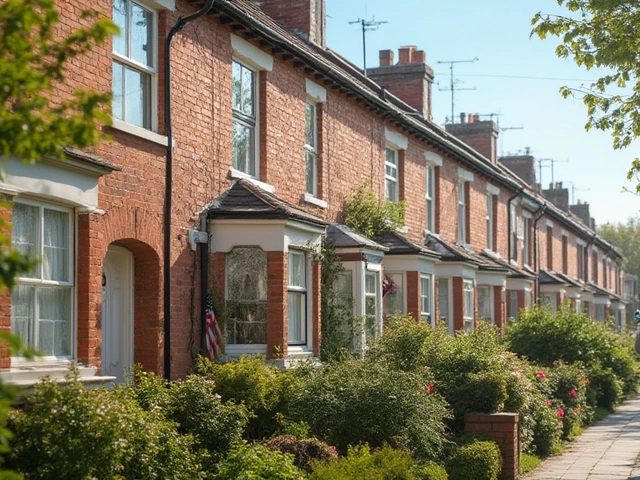
Step 2: House type
Step 3: Your current pressure washer (if any)
Recommended Specs
Pressure (PSI)
Ideal range for your surfaces
Flow (GPM)
Optimal cleaning speed
Nozzle Recommendations
For your surfaces, use these nozzles:
Electric or Gas?
Electric
Quiet, lightweight, and perfect for most UK homes
Gas
Only recommended for large properties with frequent cleaning
Important Safety Notes
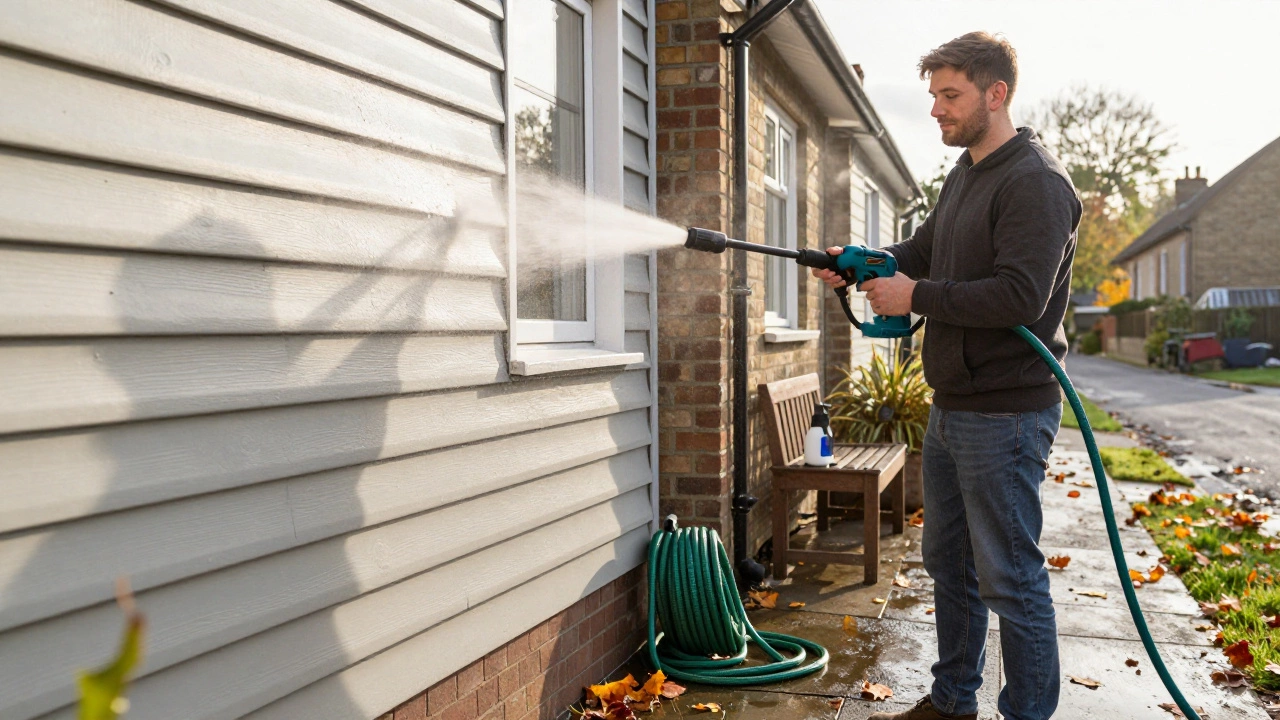
Choosing the right pressure washer for your house isn’t about buying the most powerful one on the shelf. It’s about matching the machine to the job-without wrecking your siding, windows, or driveway. Too weak, and you’ll spend hours scrubbing. Too strong, and you could strip paint, crack brick, or shatter a gutter. You don’t need a commercial-grade unit to clean your house. You need the right one.
What You’re Actually Cleaning Matters More Than the Machine
Before you even look at specs, ask yourself: what surfaces are you washing? A typical UK home has at least four different surfaces that need cleaning: siding (vinyl, brick, or rendered), concrete driveways, patios, and gutters. Each reacts differently to water pressure.
Vinyl siding? It’s tough but thin. Pressure above 1,500 PSI can warp or crack it. Brick and render can handle more-but only if you keep the nozzle at least 12 inches away. Concrete driveways? They’re built for abuse. You can go up to 3,000 PSI here without worry. Gutters and window frames? Those need low pressure and a wide spray pattern. One machine won’t do all these perfectly unless it’s adjustable.
Pressure, Flow, and the Real Numbers You Need
Pressure washers are sold by PSI (pounds per square inch) and GPM (gallons per minute). PSI = cleaning power. GPM = cleaning speed. Most people fixate on PSI. That’s a mistake.
For house cleaning, you want:
- PSI between 1,300 and 2,500 - Enough to blast dirt off siding and driveways without damage. Above 2,500? Save it for industrial jobs.
- GPM of 1.4 to 2.0 - This is what actually rinses the grime away. A 2,000 PSI machine with 1.8 GPM cleans faster than a 3,000 PSI with 1.2 GPM.
Here’s why: cleaning power = PSI × GPM. A 2,000 PSI / 1.8 GPM unit has 3,600 cleaning units. A 3,000 PSI / 1.2 GPM unit? Just 3,600 too. But the first one will get the job done quicker and safer.
Electric vs Gas: The Practical Choice for Homeowners
Electric pressure washers are quieter, lighter, and plug straight into a standard UK socket. They’re perfect for small to medium jobs: cleaning a terrace, washing down a fence, or tackling the front path. Most electric models top out at 2,000 PSI. That’s more than enough for most UK homes.
Gas-powered units are louder, heavier, and need fuel. But they deliver more power-up to 3,000 PSI-and don’t need an outlet. If you’ve got a large driveway, a two-story house with lots of siding, or you’re doing this every few months, gas is worth the hassle. But if you’re only cleaning once a year? Stick with electric.
Electric models are also easier to store. Most fit under a sink or in a garden shed. Gas units need ventilation, fuel storage, and seasonal maintenance. For the average UK homeowner, electric is the smarter pick.

What Attachments Actually Help
Most pressure washers come with a basic spray wand and one or two nozzles. Don’t assume they’re enough.
- 0° nozzle (red) - A thin, focused jet. Only for removing stubborn paint or rust. Never use on your house.
- 15° nozzle (yellow) - Good for concrete, but too harsh for siding.
- 25° nozzle (green) - Your go-to for driveways and patios. Safe for most surfaces.
- 40° nozzle (white) - Ideal for delicate surfaces like vinyl siding, windows, or gutters. Use this most.
- Rotary nozzle (turbo) - Spins the water stream for deeper cleaning. Great for brick or stone, but risky on older render.
- Surface cleaner attachment - A rotating head that covers a 12- to 18-inch circle. This cuts cleaning time in half for driveways and patios. Worth the extra £30-£50 if you clean more than once a year.
Don’t buy a pressure washer without a 40° nozzle. If it doesn’t come with one, get it separately. It’s the only nozzle you’ll use on your house’s walls.
Don’t Ignore Water Temperature
Most home pressure washers are cold water only. That’s fine. Hot water machines are for grease, oil, or industrial use. They cost £800+, need special hoses, and aren’t built for UK weather. You’re not cleaning a grease trap-you’re washing off moss, algae, and dirt. Cold water with the right detergent does the job.
Use a pressure washer detergent designed for house cleaning. It breaks down algae and grime so the water can rinse it away. Brands like Karcher, Nilfisk, and Sun Joe make safe, biodegradable cleaners that won’t harm plants or pets. Spray it on, let it sit for 5-10 minutes, then rinse with low pressure. No scrubbing needed.
Real-World Scenarios: What Should You Buy?
Here’s what works for most UK homes in 2025:
- Small terraced house, single-story, small driveway - Electric, 1,800 PSI, 1.4 GPM. Look for models like the Karcher K2 or DeWalt DWPW25. Under £200.
- Detached house, two stories, large patio and driveway - Electric, 2,000 PSI, 1.8 GPM. Karcher K5 or Bosch AQT 33-13. Around £300-£350.
- Large property, stone walls, gravel drive, frequent cleaning - Gas, 2,800 PSI, 2.0 GPM. Honda GC190-based models from Simpson or Generac. £500-£700.
For 90% of UK homeowners, a 2,000 PSI electric pressure washer with a 40° nozzle and surface cleaner attachment hits the sweet spot. It’s quiet enough to use on a Sunday morning, powerful enough to tackle years of grime, and light enough to carry up a ladder.

What to Avoid
Don’t buy a pressure washer just because it’s cheap. A £100 model from a discount store often has:
- A plastic pump that cracks after 10 uses
- No detergent tank
- Only one nozzle
- A hose that kinks or bursts
Also avoid buying extra PSI you don’t need. A 3,000 PSI machine won’t make your house cleaner-it’ll just make you nervous. And never use a pressure washer on wood decking unless you’re experienced. It can splinter the surface in seconds.
How to Use It Safely
- Always wear safety glasses and closed shoes.
- Start from the top and work down. Dirt runs downward-you don’t want to push it into seams.
- Keep the nozzle moving. Don’t hold it in one spot for more than a second.
- Test on a hidden area first. Brick, render, and siding vary by age and quality.
- Turn off the machine before disconnecting the hose. Water hammer can burst fittings.
- Don’t point it at windows, electrical outlets, or garden lights.
And remember: pressure washing isn’t a one-off. Do it every 18-24 months. That’s when algae and dirt start to stick. Clean it regularly, and you’ll save money on repainting and repairs.
Final Tip: Check the Warranty
Good pressure washers come with a 2- to 5-year warranty. If a brand doesn’t offer one, walk away. You’re not buying a toy. You’re buying a tool that should last five years of occasional use. Brands like Karcher, Nilfisk, and Bosch stand behind their products. Budget brands? Not so much.
Choose based on what you need-not what looks flashy. The right pressure washer won’t just clean your house. It’ll save you time, effort, and money for years to come.
Can I use a pressure washer on my windows?
Yes, but only with a 40° nozzle and low pressure (under 1,500 PSI). Always keep the nozzle at least 18 inches away. Never use a narrow spray or high pressure-it can crack glass or force water into seals, leading to leaks. Test on a small corner first.
Is it safe to pressure wash brick or render?
Yes, if done carefully. Brick and render can handle 2,000-2,500 PSI, but only if you use a wide-angle nozzle (25° or 40°) and keep the wand moving. Older render can be brittle. If it’s flaking or has cracks, start with lower pressure and test a small area. Pressure washing can remove decades of dirt-but it can also expose hidden damage.
Do I need a detergent for house cleaning?
Not always, but it helps a lot. Dirt and algae are sticky. A pressure washer detergent breaks down organic growth so water can rinse it away. Without detergent, you might need to scrub or go over the same area multiple times. Use a biodegradable cleaner designed for home exteriors. Avoid bleach-based products-they harm plants and can discolor siding.
Can I use a pressure washer on my garden path?
Absolutely. Concrete, paving stones, and gravel paths handle high pressure well. Use a 25° or 40° nozzle and consider a surface cleaner attachment-it cuts cleaning time in half. Watch out for weeds growing between stones. Pressure washing won’t kill them permanently, but it’ll clear the debris so you can treat them with weedkiller afterward.
How often should I pressure wash my house?
Every 18 to 24 months is ideal. In damp areas like Oxford, algae and moss build up quickly on north-facing walls. If you notice dark streaks or green patches, it’s time. Cleaning regularly prevents long-term damage, like paint peeling or render cracking. Don’t wait until it’s ugly-do it before the grime sets in.