Window Cleaner Recipe Calculator
Calculate the perfect mixture for your spray bottle based on the article's top recommendations.
Your Recipe
- Water:
- Cleaning Agent:
Pro Tip from Article:
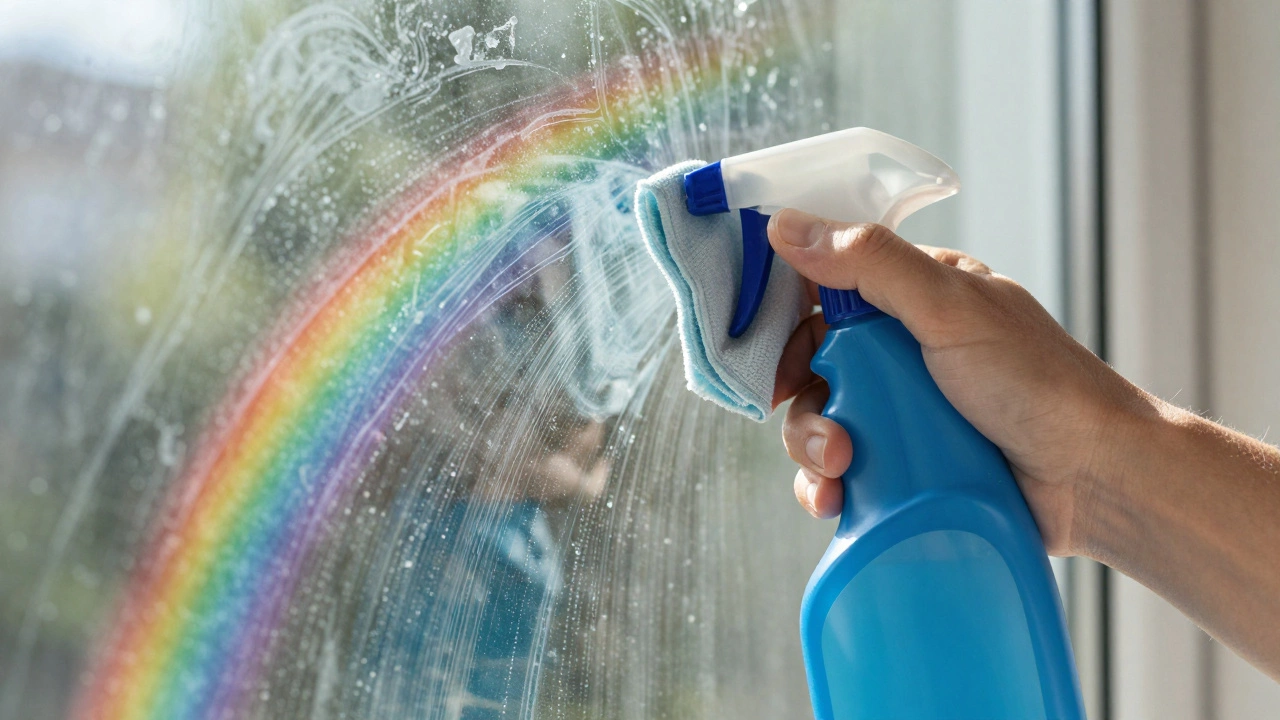
There is a specific kind of frustration that comes with cleaning windows. You spray the blue bottle, wipe in circles, step back, and stare at a mess of rainbow-colored streaks that look worse than the dirt you started with. You aren't alone. For decades, Windex has been the default choice for glass cleaning, but it often leaves behind a residue that traps dust and creates those annoying lines. The good news is that modern chemistry and simple household ingredients have surpassed this classic brand in both performance and safety. You don't need to spend a fortune or buy specialized equipment to get crystal-clear results. In fact, some of the best options are likely already sitting in your pantry or garage right now.
Whether you are dealing with hard water spots in Brisbane’s humid climate or just trying to maintain a spotless view during spring cleaning, switching your method can make a huge difference. We will break down exactly what works better than commercial sprays, why certain ingredients fail, and how to execute the perfect clean every single time.
The Problem with Commercial Window Cleaners
Before we jump into the solutions, it helps to understand why the standard approach often fails. Most commercial glass cleaners, including the iconic blue liquid, rely heavily on ammonia and synthetic surfactants. While ammonia cuts through grease effectively, it evaporates quickly. This rapid evaporation is actually the enemy of a streak-free finish. As the liquid dries before you can wipe it away completely, it leaves behind mineral deposits and chemical residues.
Furthermore, many of these products contain fragrances and dyes. The dye gives the liquid its recognizable color, but it does nothing for the cleaning power. The fragrance masks the smell of chemicals but can settle on the glass as an invisible film. Over time, this film attracts more dust, meaning your windows get dirty faster. If you live in an area with high humidity, like coastal Australia, moisture in the air interacts with these residues, creating cloudy patches that are difficult to remove without starting over.
Understanding this mechanism changes how you approach the task. The goal isn't just to dissolve dirt; it's to ensure the liquid stays wet long enough to be lifted away cleanly, leaving zero trace behind. This shifts the focus from powerful solvents to effective lubricants and proper drying techniques.
Top Alternatives That Outperform Windex
When looking for something that cleans windows better than Windex, we need to consider three factors: clarity (no streaks), safety (non-toxic fumes), and cost. Here are the top contenders that consistently deliver superior results.
Vinegar and Water Solution
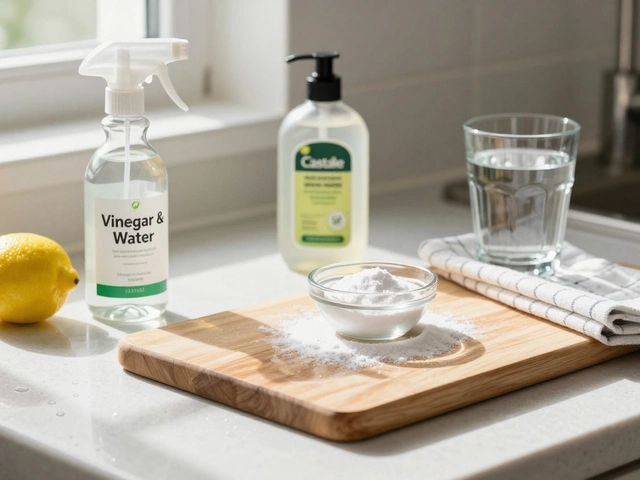
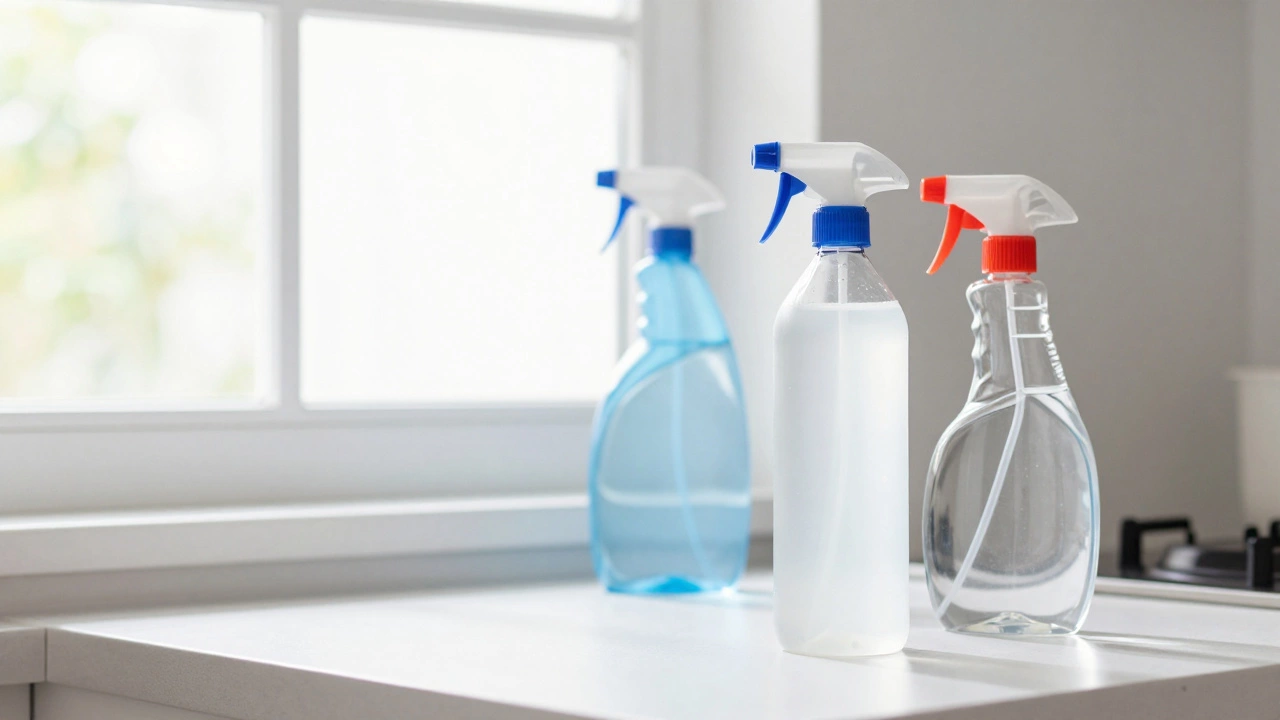
This is the gold standard for DIY window cleaning. White distilled vinegar is acidic, which allows it to break down alkaline residues like hard water spots, soap scum, and mineral deposits. Unlike ammonia, vinegar doesn't evaporate instantly, giving you more time to work. Mix one part white vinegar with four parts distilled water in a spray bottle. Distilled water is crucial here because tap water contains minerals that cause spotting once they dry. This mixture is cheap, non-toxic, and incredibly effective on everyday grime.
Rubbing Alcohol and Water
If you are dealing with greasy fingerprints or stubborn organic stains, rubbing alcohol (isopropyl alcohol) is your friend. It acts as a solvent that cuts through oils without leaving a soapy residue. Mix one cup of rubbing alcohol with one gallon of water. This solution evaporates faster than vinegar but slower than pure ammonia, striking a good balance for quick drying without immediate streaking. It is particularly useful for interior windows where you want to avoid strong odors.
Dish Soap and Water
For heavy-duty exterior cleaning, especially when there is pollen, bird droppings, or road grime involved, a few drops of mild dish soap mixed with warm water work wonders. Dish soap is designed to lift grease and suspend dirt particles so they rinse away easily. The key is using very little soap-too much creates suds that leave streaks. Rinse thoroughly with clean water after scrubbing. This method requires more rinsing effort but provides the deepest clean for neglected windows.
Newspaper Polishing
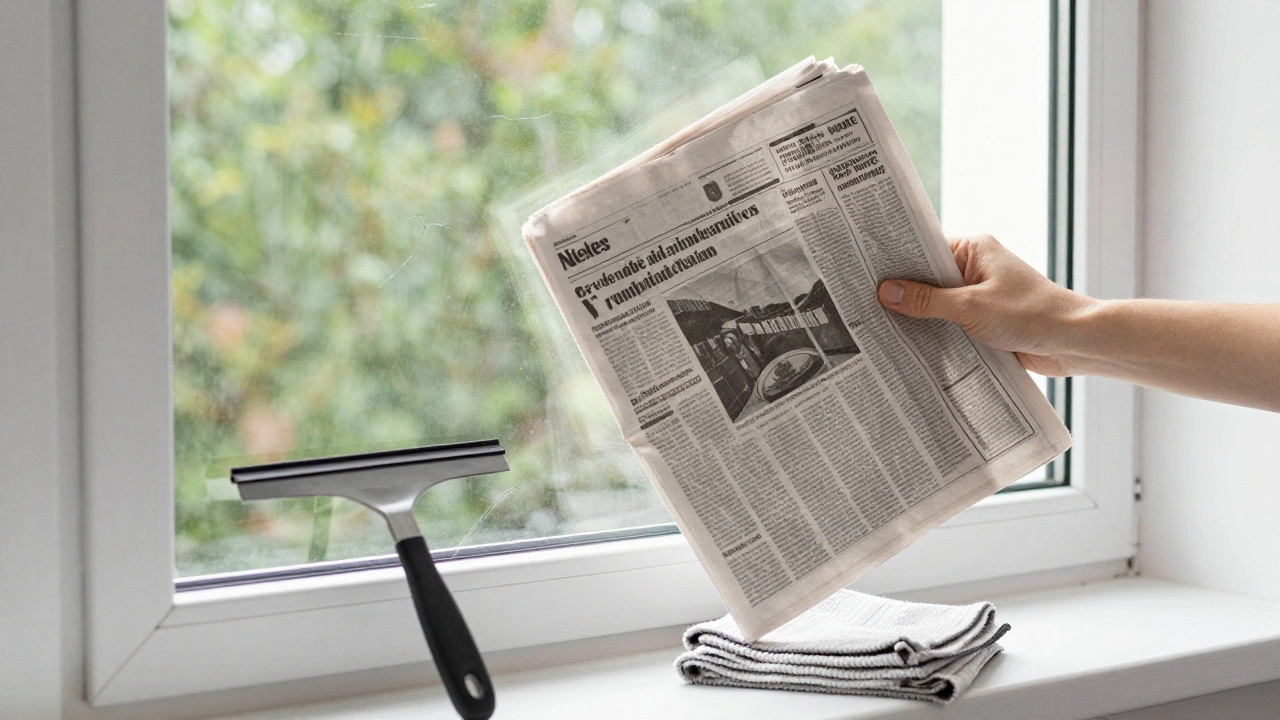
This might sound old-fashioned, but newspaper remains one of the most effective tools for final polishing. The ink in black-and-white newspaper acts as a mild abrasive that buffs the glass, while the paper itself absorbs moisture without leaving lint. After spraying your chosen cleaning solution, use crumpled newspaper sheets to wipe the glass in circular motions. The result is a mirror-like shine that cloth towels rarely achieve. Note: Use only black-and-white sections, as colored inks can transfer onto the glass.
| Method | Best For | Cost | Streak Risk | Eco-Friendly? |
|---|---|---|---|---|
| Vinegar & Water | Hard water spots, general dirt | Very Low | Low (if dried properly) | Yes |
| Rubbing Alcohol & Water | Fingerprints, grease | Low | Medium | Moderate |
| Dish Soap & Water | Heavy grime, exterior dirt | Very Low | High (if not rinsed well) | Yes |
| Newspaper Polish | Final buffing, shine | Free/Low | None | Recyclable |
The Technique Matters More Than the Product
You can buy the most expensive cleaner on the market, but if your technique is wrong, you will still end up with streaks. The secret to professional-grade window cleaning lies in the tools you use and the order in which you apply them.
Squeegees Are Your Best Friend
Stop using paper towels or microfiber cloths for the initial wipe. They spread the dirt around rather than removing it. A rubber squeegee is the industry standard for a reason. It physically removes the liquid and dissolved dirt from the surface in one smooth motion. Start at the top corner of the window, pull the squeegee horizontally across the glass, and wipe the blade with a dry cloth after each pass. Then, move down vertically. This "S" pattern ensures no water is left behind to evaporate and cause streaks.
Microfiber Cloths for Edges
After squeegeeing, you will have a thin line of water along the edges of the frame. Use a clean, dry microfiber cloth to wipe these edges. Microfiber is superior to cotton because its fibers trap dust and absorb moisture without shedding lint. Keep separate cloths for different tasks-one for spraying/wiping, one for squeegee maintenance, and one for final detailing. Cross-contamination between dirty and clean cloths is a common source of new streaks.
Timing and Weather Conditions
When should you clean your windows? Never in direct sunlight. Sunlight heats the glass, causing your cleaning solution to evaporate almost instantly. This leads to immediate streaking before you even finish wiping. Early morning or late afternoon on a cloudy day is ideal. The cooler temperature keeps the solution wet longer, allowing you to work methodically. In Brisbane, avoiding the midday heat is essential for any outdoor cleaning task.
Specialized Scenarios: Hard Water and Outdoor Grime
Some windows present unique challenges that require targeted approaches. If you notice white, chalky spots that won't come off with vinegar, you are dealing with hard water scale. This is common in areas with high mineral content in the water supply. For this, you need a stronger acid. Citric acid powder mixed with water can dissolve these deposits effectively. Apply the solution, let it sit for five minutes, then scrub gently with a non-abrasive pad before rinsing.
For exterior windows covered in tree sap or insect residue, pre-treatment is necessary. Apply a small amount of cooking oil or a dedicated degreaser to the affected spots. Let it sit for ten minutes to soften the substance, then wipe away with a damp cloth before proceeding with your regular cleaning solution. Trying to scrub hardened sap directly will scratch the glass.
Eco-Friendly Considerations
Switching away from Windex also benefits the environment. Many commercial cleaners contribute to water pollution when rinsed down drains. Vinegar, soap, and alcohol are biodegradable and safe for septic systems. Additionally, making your own solutions reduces plastic waste from single-use bottles. By investing in a reusable spray bottle and buying bulk ingredients, you cut costs and reduce your carbon footprint simultaneously. This aligns perfectly with sustainable living practices, especially in communities focused on reducing household toxins.
Troubleshooting Common Issues
Even with the right products, problems can arise. If you see rainbow swirls on the glass, it is usually caused by silicone sealant leaching from the window frame. This is a manufacturing defect, not a cleaning issue. Unfortunately, it cannot be cleaned away permanently. The only fix is replacing the sealant, which requires a professional. However, you can minimize its appearance by ensuring the glass is completely dry and polished.
If your windows remain foggy after cleaning, check your cloth. Is it clean? Has it been washed with fabric softener? Fabric softeners coat fibers with wax-like substances that transfer to the glass, creating a permanent haze. Wash your microfiber cloths separately using only detergent, never fabric softener.
Is vinegar safe for all types of windows?
Yes, diluted white vinegar is safe for standard glass windows. However, avoid using it on stone surfaces like marble or granite around the window frame, as the acid can etch the stone. Also, do not use undiluted vinegar on tinted windows, as prolonged exposure may damage the tint film.
Why do my windows streak even when I use Windex?
Streaks are usually caused by too much product, improper drying, or cleaning in direct sunlight. Windex contains ammonia which evaporates quickly. If you don't wipe it away immediately, it leaves residue. Using a squeegee instead of a cloth eliminates most streaking issues regardless of the cleaning solution used.
Can I use dish soap for window cleaning?
Yes, but only in very small amounts. A few drops per gallon of water is sufficient. Too much soap creates suds that are difficult to rinse off, leading to streaks. Always rinse thoroughly with clean water after using soap-based solutions.
What is the best tool for drying windows?
A rubber squeegee is the best tool for removing water and preventing streaks. For final touch-ups on edges, use a lint-free microfiber cloth. Avoid paper towels as they leave lint and disintegrate when wet, creating more mess.
How often should I clean my windows?
Interior windows should be cleaned every 1-3 months depending on dust levels. Exterior windows benefit from cleaning twice a year, typically in spring and autumn. If you live near construction sites or trees, you may need to clean exteriors more frequently to remove pollen and debris.