Couch Cleaning Safety Calculator
Assess Your Situation
Select the options below that match your specific situation to see the recommended cleaning path.
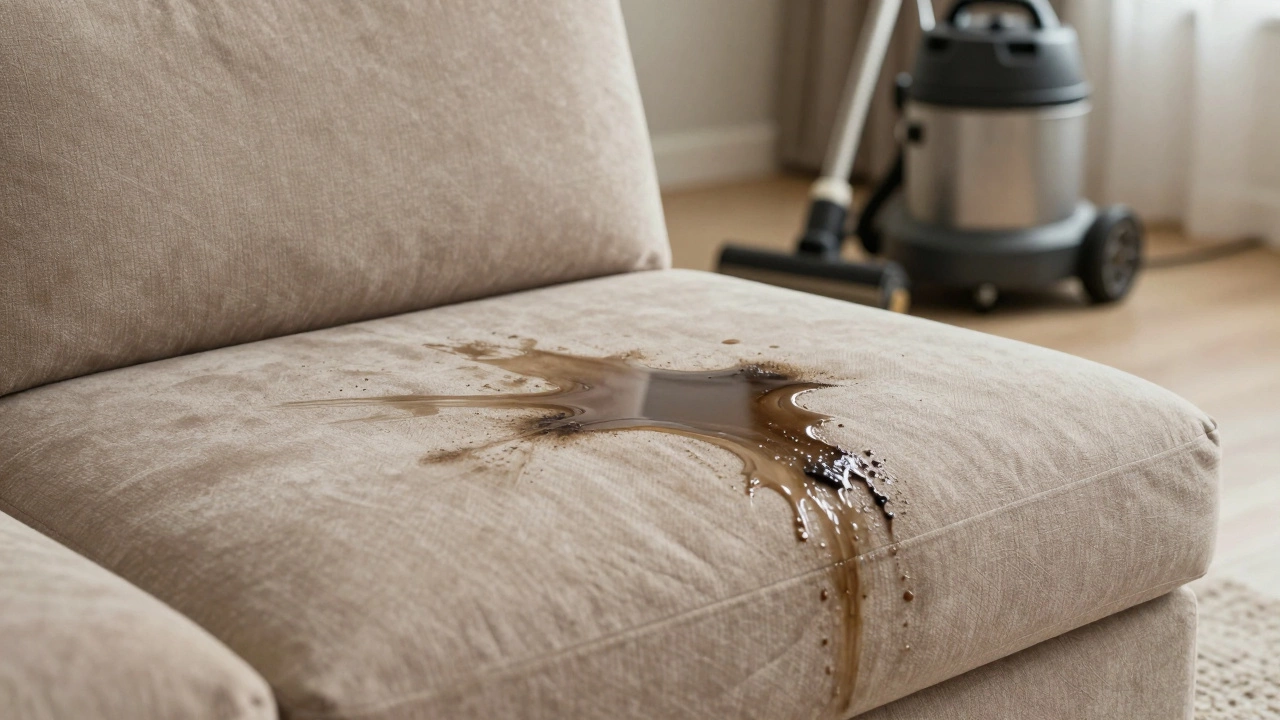
That stubborn stain on your sofa is driving you crazy. You look at the carpet shampooer in the garage, hear the motor hum, and think: "Why not just use it here?" It’s a logical leap. The machine cleans carpets; your couch is soft fabric; surely it works the same way. But before you drag that heavy tank over to your living room, stop. Using a standard carpet shampooer on your couch is one of the fastest ways to ruin expensive upholstery.
The short answer is: no, you generally should not use a carpet shampooer on your couch. While it might seem like a convenient shortcut, these machines are designed for flat, durable floor coverings, not the delicate, multi-layered construction of furniture. The wrong tool can lead to mold growth, fabric shrinkage, and permanent structural damage.
Why Carpet Shampooers Are Dangerous for Furniture
To understand why this is a bad idea, we need to look at how these machines work. A typical carpet shampooer (also known as an extractor) pumps hot water mixed with detergent into the fibers, agitates them with brushes, and then sucks the dirty water back up. This process relies on high volume and high heat.
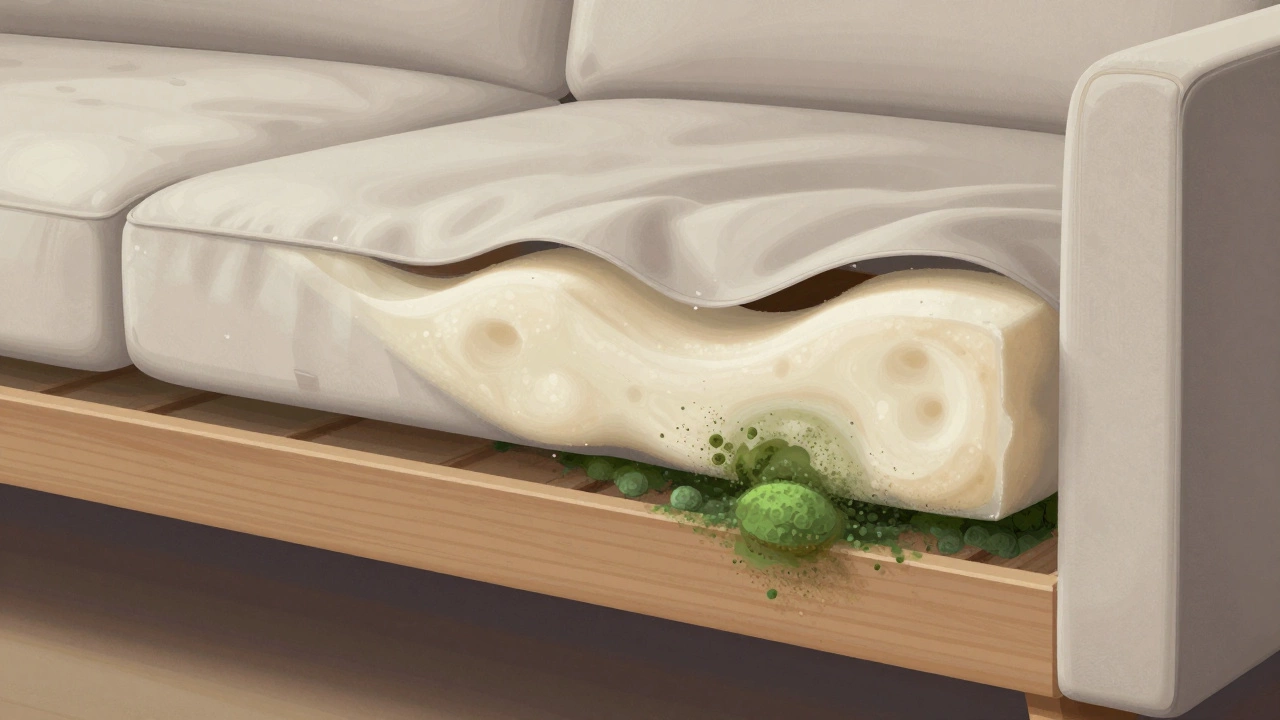
Carpets are built to handle this abuse. They have thick piles, strong backing, and sit directly on hard floors that don’t absorb moisture. Your couch, however, is a sandwich of materials. You have the visible fabric, a layer of foam padding, sometimes batting or fiberfill, and finally the wooden frame underneath. When you blast a carpet shampooer onto a cushion, you aren't just wetting the surface. You are saturating the entire depth of the cushion.
Here is where things go wrong:
- Incomplete Drying: Carpet shampooers inject more water than they extract. On a flat carpet, air circulation helps dry the pile. Inside a couch cushion, that trapped water has nowhere to go. It sits against the wood frame and foam core for days.
- Mold and Mildew: That damp environment is a breeding ground for mold. Within 24 to 48 hours, spores can begin to colonize the interior of your sofa. You won’t see it immediately, but you will smell it-a musty, earthy odor that permeates your living room.
- Foam Degradation: Many modern couches use memory foam or polyurethane foam. Prolonged exposure to excess water and harsh detergents breaks down the chemical bonds in these foams. Over time, your cushions lose their bounce and become lumpy and flat.
- Wood Frame Damage: If the water penetrates deep enough to reach the wooden frame, the wood can warp, swell, or rot. Repairing a warped frame is often more expensive than buying a new sofa.
The Fabric Factor: Reading Care Labels
Before you even consider any cleaning method, you must check the manufacturer's care label. Usually found under the seat cushions or on the side of the sofa, this tag dictates what you can and cannot do. Ignoring it voids warranties and risks irreversible damage.
| Code | Meaning | Safe Cleaning Method |
|---|---|---|
| W | Water-based cleaners only | You can use mild soap and water. Low-moisture methods are preferred. |
| S | Solvent-based cleaners only | Never use water. Use dry-cleaning solvents. Water will cause shrinking or staining. |
| WS | Water or Solvent | Flexible options, but avoid excessive moisture. |
| X | Vacuum only | No liquids. Professional cleaning may be required for stains. |
If your couch has an "S" or "X" code, using a shampooer is catastrophic. Water will likely shrink synthetic fibers like acetate or triacetate, leaving you with a distorted, tight-looking fabric. Even with a "W" code, the volume of water from a carpet machine exceeds what the fabric can safely handle without professional extraction equipment designed for low moisture retention.
Better Alternatives to Carpet Shampooers
You still need to clean that couch. Fortunately, there are tools specifically designed for upholstery that minimize risk while maximizing cleanliness.
1. Handheld Steam Cleaners
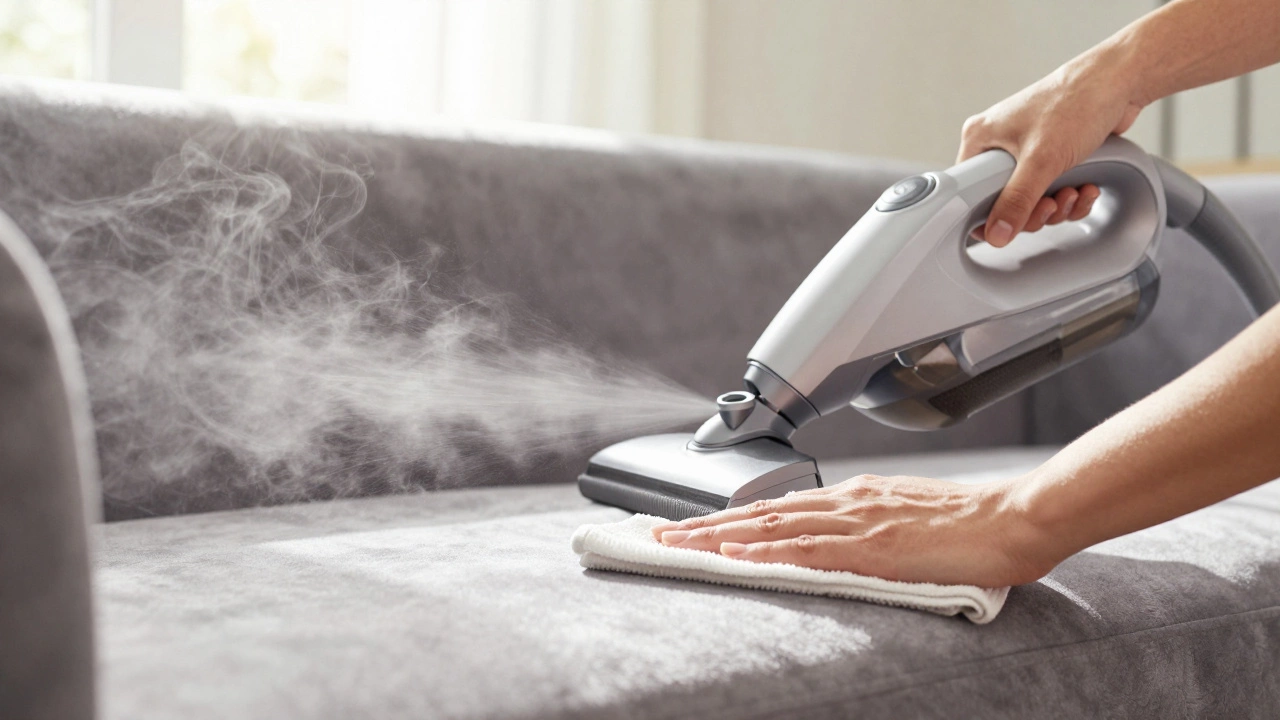
A handheld steamer uses vapor rather than liquid water. The high temperature kills dust mites and bacteria, and the minimal moisture evaporates quickly. This is safe for most fabrics (check your label first) and prevents the deep saturation issues caused by shampooers. Look for models with adjustable steam settings so you can test a small, hidden area first.
2. Upholstery-Specific Extractors
If you have significant dirt buildup, you might need an extractor. However, buy or rent one labeled for "upholstery." These machines have smaller tanks, lower pressure nozzles, and stronger suction relative to their output. They are designed to remove almost all the moisture they put in, leaving the fabric damp, not soaked. Brands like Bissell and Hoover make specific attachments or compact units for this purpose.
3. Dry Foam Cleaning
For delicate fabrics, dry foam is the gold standard. You apply a specialized cleaning foam that lifts dirt without soaking the fibers. Once the foam dries, you vacuum it up along with the dirt. This method introduces zero liquid into the cushion structure, eliminating the risk of mold or warping entirely.
How to Safely Clean Your Couch at Home
If you decide to tackle the cleaning yourself, follow this step-by-step protocol to ensure safety and effectiveness.
- Vacuum Thoroughly: Remove all loose dirt, crumbs, and pet hair. Use the brush attachment to lift debris from crevices. Skipping this step turns dirt into mud when you introduce any moisture.
- Spot Test: Choose an inconspicuous area, like the back corner or underside of a cushion. Apply your chosen cleaner or steam setting. Wait 15 minutes to check for color bleeding, shrinkage, or texture changes.
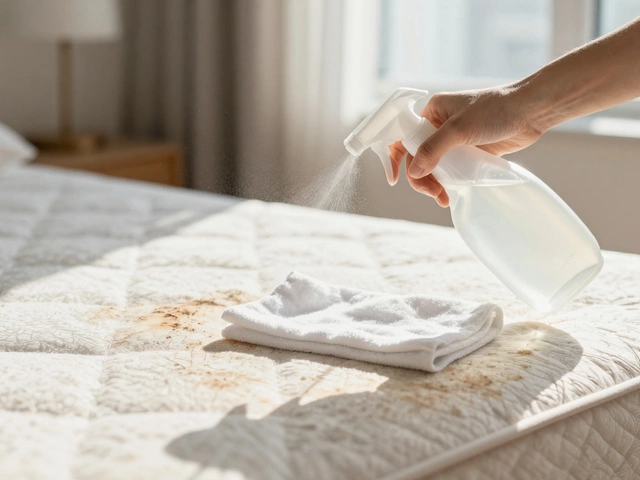
- Apply Cleaner Sparingly: Whether using a spray bottle with mild detergent or a handheld device, apply the minimum amount needed. The goal is to dampen the surface, not soak it.
- Blot, Don’t Rub: Use a white microfiber cloth to blot stains. Rubbing pushes dirt deeper into the fibers and can fray the fabric weave.
- Extract Moisture: If you used water, press a dry towel firmly against the fabric to absorb excess liquid. Repeat with fresh towels until no more moisture transfers.
- Dry Completely: Open windows, run fans, or use a dehumidifier. Ensure the couch is completely dry to the touch before sitting on it. This may take several hours.
When to Call a Professional
Some situations require expert intervention. DIY methods lack the power and precision of commercial-grade equipment used by professionals.
- Pet Urine Stains: Urine penetrates deep into the foam and frame. Without enzymatic cleaners and industrial extraction, the odor will return when humidity rises.
- Old, Set-In Stains: Red wine, ink, or grease that has been present for weeks requires specialized solvents and techniques.
- Delicate Fabrics: Silk, velvet, and antique upholstery require gentle handling that consumer machines cannot provide.
- Allergy Concerns: If you suffer from severe allergies, professional HEPA filtration systems can remove microscopic allergens more effectively than home vacuums.
Professionals also carry insurance. If something goes wrong during the cleaning process, you are covered. With DIY attempts, you bear the full cost of any repairs or replacements.
Preventing Future Stains and Odors
Cleaning is easier when you prevent messes from happening in the first place. Consider applying a fabric protector like Scotchgard or a similar product. These create an invisible barrier that repels liquids and oils, giving you more time to wipe up spills before they set.
Regular maintenance is key. Vacuum your couch weekly to prevent dirt accumulation. Rotate cushions every few months to ensure even wear. Keep pets off the furniture if possible, or provide designated pet beds nearby. Small habits today save you from major headaches tomorrow.
Will a carpet shampooer shrink my couch?
Yes, especially if your couch has an "S" (solvent only) or "X" (vacuum only) care label. Even with "W" (water-safe) fabrics, the combination of hot water and agitation from a carpet shampooer can cause synthetic fibers to contract and shrink, leading to a misshapen appearance.
How long does it take for a couch to dry after cleaning?
With proper low-moisture methods, a couch should dry within 4 to 6 hours. If you used a carpet shampooer, it may take 24 to 48 hours or longer due to deep saturation. Always ensure complete drying to prevent mold growth.
Can I use vinegar to clean my couch?
Diluted white vinegar (mixed with water) is safe for many cotton and polyester blends. It helps neutralize odors and break down some stains. However, always spot-test first, as acid can damage certain delicate fabrics like silk or wool.
Is steam cleaning better than shampooing for couches?
Steam cleaning is generally safer because it uses less water and relies on heat to sanitize. However, true "steam" cleaners produce vapor, while "shampooers" use liquid detergent solutions. For upholstery, low-moisture steam or dry foam is preferred over liquid injection.
What should I do if my couch smells musty after cleaning?
A musty smell indicates mold or mildew growth inside the cushions. Immediately increase airflow with fans and dehumidifiers. If the odor persists after 24 hours, you may need to remove the cushions and treat the interior with an anti-mold solution or consult a professional remediation service.