Dusting Method Selector
Recommended Method:
Pro Tips:
There is a moment every year when you look at your shelves and realize they are coated in a fine layer of grey fuzz. It happens to everyone, especially during the big annual clean. You grab a cloth, you wipe, and then you step back. Did you actually clean it, or did you just move the dirt around? This is the core debate of household maintenance: should you dust dry or wet? The answer isn't as simple as picking one side. It depends entirely on what you are cleaning, what kind of dust you have, and whether you want that grime to stay gone.
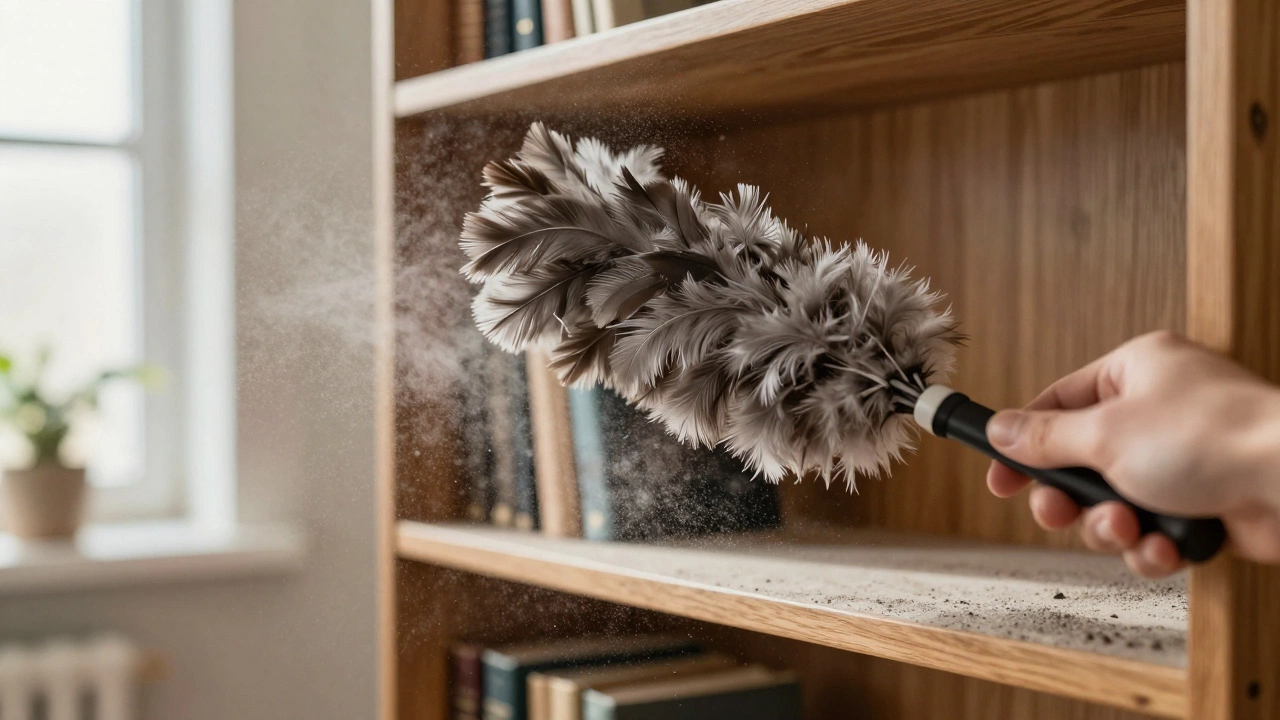
Most people default to dry dusting because it is fast. You take a feather duster or a microfiber cloth, give it a quick swipe, and call it done. But if you have ever noticed dust returning to your surfaces within hours, dry dusting might be the culprit. Dry dusting often lifts particles into the air rather than trapping them. Those particles then settle back down on your TV screen, your keyboard, or your bed sheets. For a deep clean, especially during spring cleaning season, we need to look closer at how these two methods interact with different surfaces and types of dirt.
Is it better to dust dry or wet?
Wet dusting is generally better for removing sticky grime and trapping dust particles so they do not float back into the air. Dry dusting is faster but often just redistributes dust. For most home surfaces, damp microfiber cloths provide the best balance of speed and cleanliness.
The Science Behind Dust Removal
To understand why one method works better than the other, we have to look at static electricity. Dust particles are tiny, lightweight, and often carry a static charge. When you use a dry cloth, especially synthetic ones like polyester, you create friction. This friction generates more static. Instead of sticking to your cloth, the dust gets repelled or lifted off the surface only to land somewhere else nearby. This is why your books feel clean for ten minutes before looking dirty again.
Wet dusting changes this dynamic completely. Water reduces static electricity. When you use a damp cloth, the moisture acts as a trap. The dust sticks to the water molecules on the fabric instead of bouncing off the surface. This is particularly important for allergens like pollen, pet dander, and mold spores. If you suffer from allergies, dry dusting can actually make your symptoms worse by keeping those irritants airborne. A study published in the Journal of Allergy and Clinical Immunology highlighted that wet mopping and damp wiping significantly reduced indoor allergen levels compared to dry sweeping or dusting.
However, water is not a magic bullet. Too much water can damage wood finishes, warp paper edges, or leave streaks on glass. The key is "damp," not "wet." Your cloth should feel cool and slightly moist to the touch, but you should not be able to wring out any liquid. This balance allows you to capture dust without risking damage to your furniture.
When Dry Dusting Makes Sense
Despite the benefits of moisture, dry dusting still has its place. There are specific scenarios where adding water is a bad idea. First, consider delicate electronics. While you can use specialized anti-static brushes, spraying water near a computer tower or inside a lamp shade is risky. Even a damp cloth can seep into seams and cause short circuits over time. For these areas, a dry microfiber cloth or a soft brush is safer.
Second, think about speed and convenience. If you are doing a quick tidy-up before guests arrive, you do not have time to rinse cloths or wait for surfaces to dry. Dry dusting is the go-to for maintenance cleaning between deep cleans. It keeps visible cobwebs and large debris at bay. Just remember that this is temporary. You are managing the appearance, not solving the problem.
Dry dusting also works well for high places where drips could be an issue. Ceiling fans, crown molding, and top of bookshelves are notorious for dripping water onto walls or floors below. Using a long-handled dry duster here prevents water stains on your paintwork. However, even in these cases, switching to a microfiber duster designed to trap dust (rather than just push it) makes a huge difference.
The Power of Wet Dusting
For the heavy lifting of spring cleaning, wet dusting is superior. Kitchen cabinets, bathroom mirrors, baseboards, and window sills accumulate grease and sticky residue over time. Dry cloths smear this gunk around, making the surface look greasier than before. A damp cloth dissolves the oils and lifts them away. Add a drop of dish soap to your water bucket, and you have a powerful degreaser that cuts through built-up film.
Floor care is another area where wet methods win. Vacuuming removes loose dirt, but it cannot pick up fine dust that has settled into carpet fibers or stuck to hardwood floors. Mopping with a damp mop extracts this embedded dirt. In Sheffield, where rain and mud are common, tracking dirt indoors is inevitable. Regular wet mopping prevents grit from scratching your floorboards and keeps your home smelling fresh.
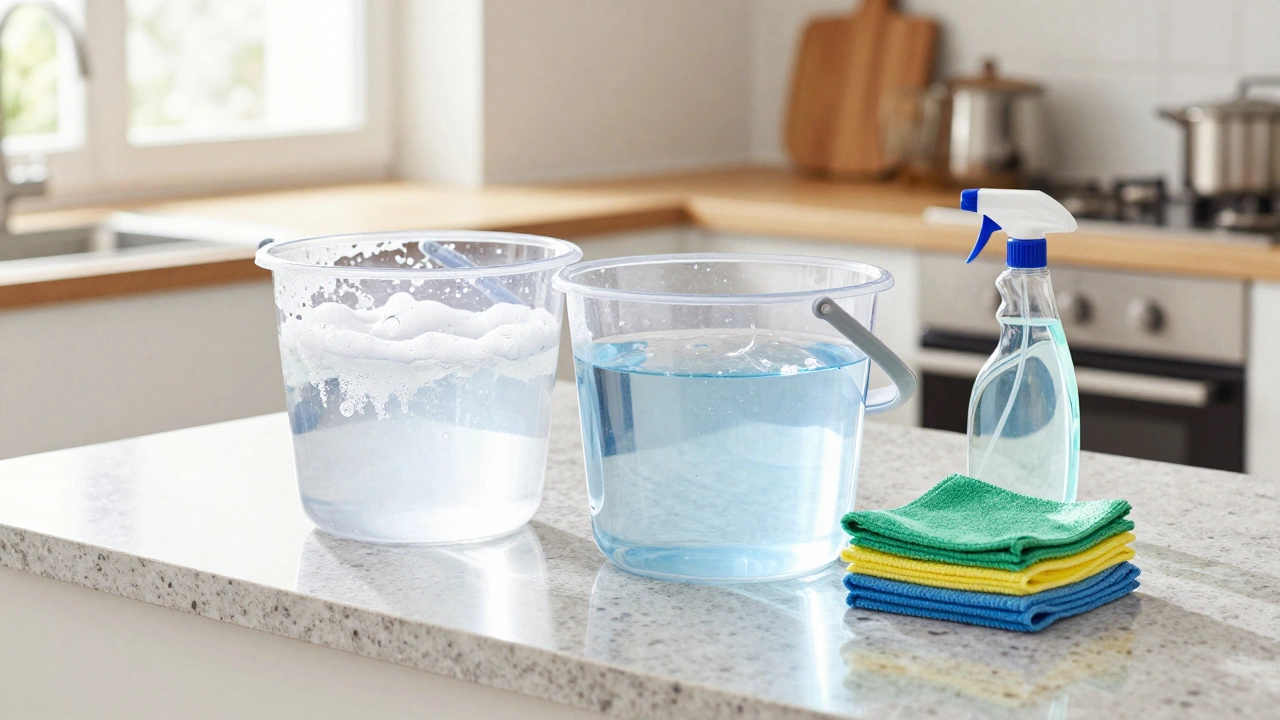
One pro tip for wet dusting is the two-bucket system. Use one bucket for cleaning solution and another for rinsing your cloth. This ensures you are not wiping your surfaces with dirty water. Rinse your cloth frequently, especially when cleaning kitchens or bathrooms. This small extra step prevents cross-contamination and leaves surfaces truly clean.
Tools That Change the Game
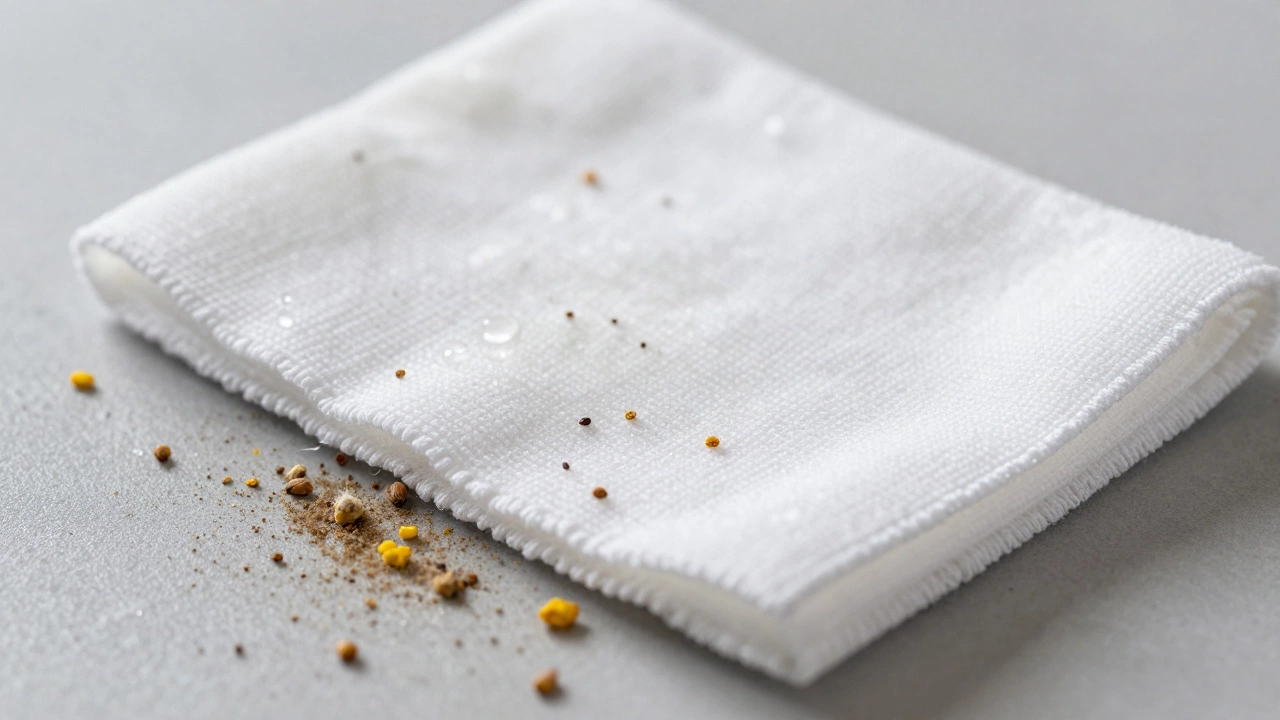
The tool you choose matters as much as the method. Traditional feather dusters are largely decorative. They look nice hanging on the wall, but they are poor at capturing dust. Microfiber cloths are the gold standard for both dry and wet dusting. The fibers are split at a microscopic level, creating hooks that grab and hold dust particles. These cloths work well dry for quick touches and excellent damp for deep cleaning.
Electrostatic dusters are another option worth considering. These disposable tools use static charge to attract dust, similar to how a balloon sticks to a wall after rubbing it on your hair. They are effective for hard-to-reach places like blinds or radiator fins. However, they are single-use, which adds to waste and cost over time. Reusable microfiber kits are more eco-friendly and economical in the long run.
Vacuums with HEPA filters are essential companions to your dusting routine. After you dust surfaces, vacuum the floor immediately. This captures the dust that fell during the process. Without this step, you are just moving dirt from shelf to floor. Pairing surface dusting with thorough vacuuming creates a complete cleaning cycle.
Surface-Specific Strategies
Not all surfaces react the same way to moisture. Here is a quick guide to help you decide:
- Wood Furniture: Use a barely damp microfiber cloth. Avoid soaking the wood. Follow up with a dry cloth to prevent water rings. Do not use water on unfinished or antique wood without consulting a professional.
- Glass and Mirrors: Wet dusting is mandatory. Dry cloths leave streaks and scratches. Use a vinegar-water solution for a shine-free finish.
- Electronics: Stick to dry microfiber. Never spray liquid directly on screens. If needed, lightly dampen a corner of the cloth, but ensure no moisture enters ports or vents.
- Kitchen Cabinets: Damp cloths with mild soap cut through cooking grease effectively. Dry dusting will only spread the oil.
- Blinds: Use a dry electrostatic duster or a specialized blind-cleaning tool. Wetting slats can lead to warping and water spots.
Understanding these nuances helps you avoid common mistakes. For instance, using a wet cloth on a wooden picture frame might cause the varnish to bubble. Conversely, using a dry cloth on a stainless steel appliance handle will leave fingerprints and grime intact. Tailoring your approach to the material saves time and protects your belongings.
Common Mistakes to Avoid
Many people fall into the trap of using the wrong type of cloth. Cotton t-shirts or old towels seem like a good eco-friendly option, but they tend to shed lint and absorb too much water. Microfiber is engineered for cleaning; cotton is engineered for comfort. Switching to proper microfiber cloths improves results instantly.
Another mistake is ignoring the order of cleaning. Always dust from top to bottom. Start with ceiling fans and light fixtures, then move to shelves, tables, and finally floors. Gravity pulls dust downward. If you vacuum first and then dust the shelves, you will just dirty your clean floor again. This logical flow maximizes efficiency.
Finally, do not neglect hidden dust traps. Radiators, behind toilets, and under beds collect significant amounts of dust and debris. These areas are often overlooked until a major allergy flare-up occurs. Incorporating these spots into your regular cleaning schedule prevents buildup and maintains indoor air quality.
Putting It All Together
So, is it better to dust dry or wet? For a truly clean home, wet dusting wins. It traps particles, removes grease, and reduces allergens. Dry dusting has its role for quick fixes and sensitive electronics, but it should not be your primary method. By combining damp microfiber cloths with a top-to-bottom cleaning strategy, you can tackle spring cleaning with confidence. Your home will not just look cleaner; it will feel fresher and healthier. And if you find yourself needing a break from the chores, perhaps checking out this directory for some local entertainment options might be a fun way to unwind after a hard day's work.
Frequently Asked Questions
Can I use vinegar for wet dusting?
Yes, white vinegar is an excellent natural cleaner. Mix equal parts water and vinegar in a spray bottle. It cuts through grease and disinfects surfaces without leaving harsh chemical residues. Avoid using vinegar on stone countertops like marble or granite, as the acid can etch the surface.
How often should I dust my home?
For most homes, weekly dusting is sufficient. If you have pets, allergies, or live near a construction site, you may need to dust twice a week. High-traffic areas like kitchen counters and entryways should be wiped down daily.
Why does my dust come back so quickly?
Dust comes from outside air, shedding skin cells, pet dander, and fabric fibers. If you are using dry dusting methods, you are likely redistributing existing dust rather than removing it. Improving ventilation, using HEPA air purifiers, and switching to wet dusting can help reduce the rate at which dust accumulates.
Is it safe to wet dust wooden floors?
You can damp-mop wooden floors, but never soak them. Excess water can seep into cracks and cause warping or swelling. Use a well-wrung mop and dry the floor immediately with a clean towel. Test any new cleaning solution on a small, inconspicuous area first.
What is the best cloth for dusting?
Microfiber cloths are the best choice. Their unique fiber structure traps dust and holds moisture effectively. They are reusable, machine washable, and work well on almost all surfaces. Avoid paper towels, which can scratch delicate finishes and generate static.