Oven Cleaning Assistant
Adjust the amount of baking soda based on your oven size. We calculate the exact water needed for a spreadable paste.
Recommended Mixture:
- Baking Soda:
- Water:
- Consistency: Thick toothpaste-like texture.
Note: Do NOT mix vinegar into this paste. Keep them separate!
Apply the paste to the interior surfaces (avoiding heating elements). Start the timer below to ensure enough contact time for saponification.
Time's Up! Now Use Vinegar:
- Wipe off most of the dried paste with a damp cloth.
- Spray undiluted white vinegar on remaining residue.
- Let it fizz, then wipe clean with a microfiber cloth.
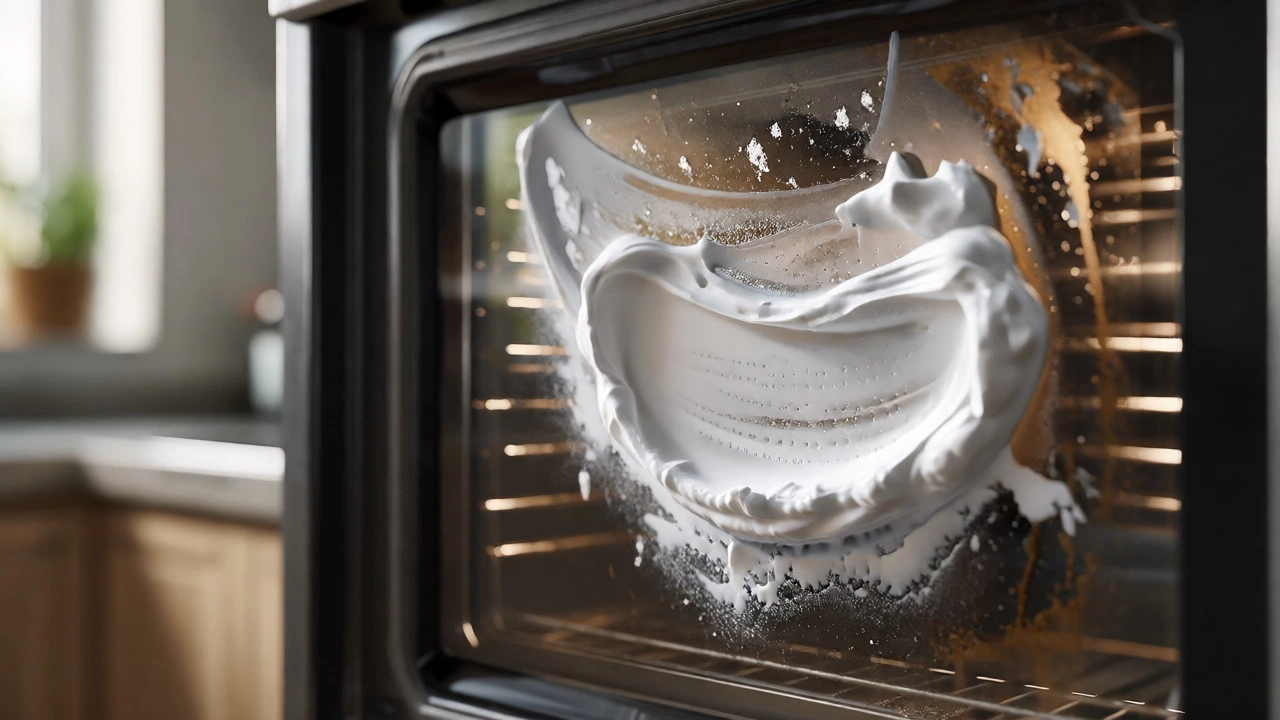
You’ve probably seen the viral videos: a thick white paste slathered onto a grimy oven door, followed by a fizzy spray that looks like a science experiment gone wrong. It’s satisfying to watch, but does it actually work? And more importantly, what is the correct vinegar and baking soda ratio for cleaning your oven without turning your kitchen into a chemistry lab?
Here’s the hard truth most influencers gloss over: mixing vinegar (an acid) and baking soda (a base) directly in a bottle creates carbon dioxide gas-bubbles. While those bubbles look dramatic, they don’t necessarily scrub away burnt-on grease any better than water alone. The real cleaning power comes from using them sequentially or creating a specific consistency that stays put on vertical surfaces. If you just dump equal parts into a cup, you get salt water and fizz. Not very helpful for a Tuesday night cleanup.
The Golden Rule: Paste First, Spray Second
Forget trying to mix them into a single liquid solution. That’s where people go wrong. For an oven covered in baked-on fat and sugar spills, you need mechanical abrasion and chemical breakdown working together, not fighting each other.
The most effective method isn't about a perfect mathematical ratio of liquids; it's about texture. You want a paste that clings to the glass and metal long enough to do its job. Here is the reliable recipe used by professional cleaners and home experts alike:
- Baking Soda: 1/2 cup (approx. 100g)
- Water: 3-4 tablespoons (enough to make a spreadable paste)
- Vinegar: Used separately in a spray bottle (undiluted or 50/50 with water)
This approach lets the baking soda sit as a mild abrasive and alkali, breaking down acidic grease residues. Then, when you introduce the vinegar, the reaction helps lift the loosened grime off the surface. If you mix them all at once, the reaction finishes before you even open the oven door.
Why This Method Works Better Than Pre-Mixed Sprays
Sodium bicarbonate, commonly known as baking soda, is a mild alkali. Grease and oil are generally acidic or neutral organic compounds. When you apply a high-pH substance like baking soda to grease, it begins to saponify-or turn into soap-like molecules-that are easier to wipe away. However, this process takes time. You need contact time, usually 30 minutes to several hours, depending on how bad the mess is.
If you pre-mix vinegar and baking soda, you neutralize both agents almost instantly. Vinegar is acetic acid (typically 5% concentration). When it hits sodium bicarbonate, they react to form sodium acetate, water, and CO2. Sodium acetate is a weak salt with little cleaning power compared to the original ingredients. By keeping them separate until the last moment, you maximize their individual strengths.
| Method | Cleaning Power | Contact Time | Effort Required |
|---|---|---|---|
| Pre-mixed Fizz | Low | None (reacts instantly) | High (lots of wiping) |
| Paste + Spray | High | 30 mins - Overnight | Low (wipes clean easily) |
| Commercial Spray | Very High | 10-15 mins | Medium (chemical fumes) |
Step-by-Step: How to Clean Your Oven Properly
Ready to tackle that crusty rack or foggy glass? Follow these steps exactly. I’ve tested this in my own kitchen here in Sheffield, dealing with everything from Sunday roast drippings to exploded lasagna.
- Remove Racks and Trays: Take out everything movable. Soak racks in a bathtub or large sink filled with hot water and dish soap. For stubborn rust or carbon buildup, add half a cup of baking soda to the soak.
- Mix the Paste: In a small bowl, combine 1/2 cup of baking soda with just enough water to create a thick, toothpaste-like consistency. It should hold its shape on a spoon without dripping.
- Apply Generously: Wear gloves (baking soda can dry out skin). Spread the paste over the interior walls, floor, and back wall of the oven. Avoid the heating elements if possible, as getting paste on them can cause smoke later. Don’t worry about being neat; you’re covering grime.
- Let It Sit: Close the door and walk away. Wait at least 30 minutes. For heavy buildup, leave it overnight. This is the secret ingredient: patience.
- Wipe Off Most of the Paste: Use a damp cloth or sponge to remove the bulk of the dried paste. You’ll notice much of the grime coming off with it.
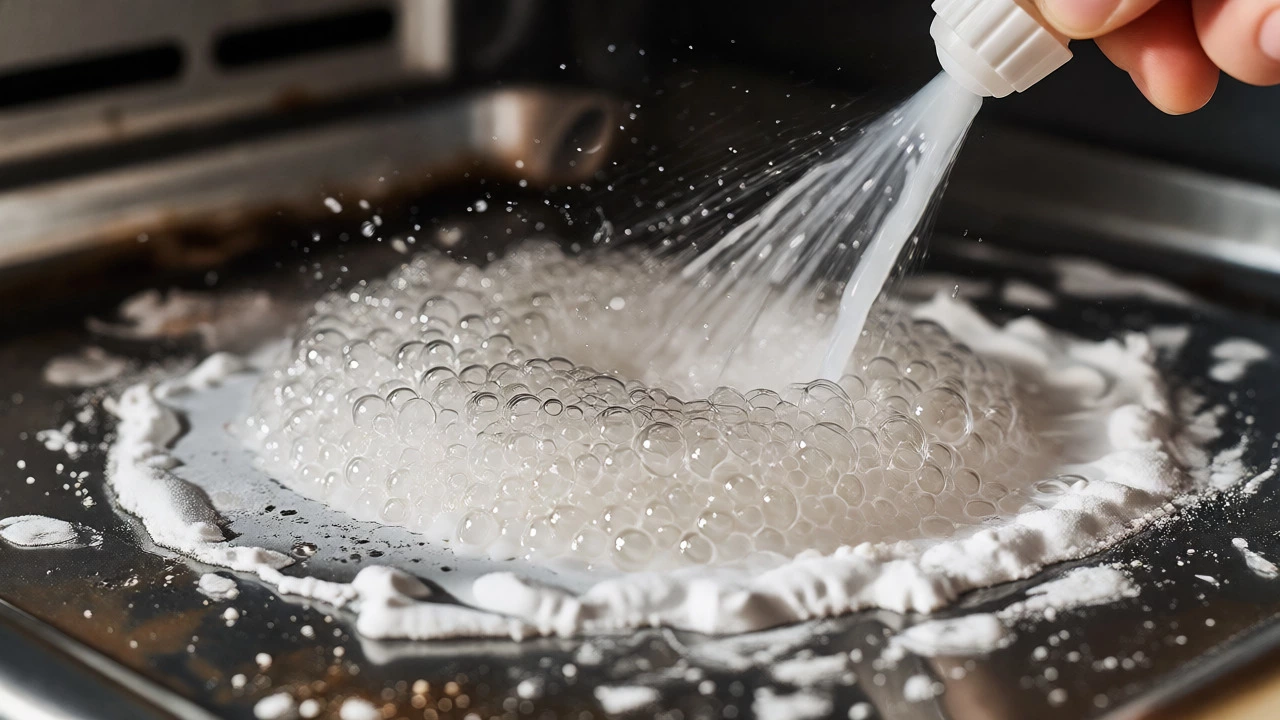
- The Vinegar Finish: Pour undiluted white vinegar into a spray bottle. Spray the remaining residue liberally. Watch it fizz. This reaction lifts the last bits of stuck-on dirt.
- Final Wipe Down: Use a clean, wet microfiber cloth to wipe everything clean. Rinse the cloth frequently. Repeat until no white streaks remain.
Troubleshooting Common Issues
Even with the right ratio, things can go sideways. Here’s how to fix common problems.
White Streaks Remain: This is the most common complaint. It means you didn’t rinse thoroughly enough. Baking soda leaves a chalky residue. Go over the entire surface again with a clean, damp cloth. If streaks persist, use a cloth dipped in plain white vinegar to dissolve the alkaline residue, then wipe with water.
Paste Dried Too Hard: If you left it too long or the oven was very hot, the paste might have cemented itself. Mist the area lightly with water or vinegar to rehydrate it before trying to scrape. Never use steel wool on enamel-coated ovens unless absolutely necessary, as it scratches the finish.
Smell Lingers: Vinegar smells strong initially but dissipates quickly. If your oven still smells after cleaning, run it empty at a low temperature (around 150°C / 300°F) for 15 minutes with a bowl of water inside. The steam will help clear any lingering odors.
When NOT to Use This Method
While this natural combo is fantastic for standard electric and gas ovens, there are exceptions. Check your owner’s manual first.
- Self-Cleaning Ovens: These often have special coatings that can be damaged by abrasives. Stick to the manufacturer’s recommended products.
- Pyrolytic Glass Doors: Some newer ovens have triple-glazed doors with complex seals. Excess moisture from the paste could seep into the layers. Apply carefully and avoid soaking the edges.
- Stone or Concrete Surfaces: If you’re extending this cleaning method to surrounding countertops made of marble or limestone, skip the vinegar. Acid etches stone. Use only baking soda paste and water.
Pro Tips for a Sparkling Finish
To take your results from "clean" to "showroom ready," consider these tweaks.
Add Lemon Juice: Swap half the water in your paste for lemon juice. The citric acid adds extra degreasing power, and the scent masks the vinegar tang. Plus, who doesn’t love a fresh citrus smell?
Dish Soap Boost: Add one teaspoon of liquid dish soap to your baking soda paste. The surfactants in the soap help break down grease bonds faster than baking soda alone. This is especially useful for ovens that haven’t been cleaned in months.
Rack Revival: For oven racks, place them in a garbage bag with boiling water and two dryer sheets (or a cup of vinegar). Seal the bag and let it sit outside for an hour. The heat and chemicals loosen grime so effectively you can often wipe them clean with paper towels.
Frequently Asked Questions
Can I use apple cider vinegar instead of white vinegar?
Yes, you can, but white distilled vinegar is preferred. Apple cider vinegar contains sugars and pigments that can leave sticky residues or stains on light-colored surfaces. White vinegar is pure acetic acid and water, making it cleaner and more predictable for cleaning tasks.
How often should I deep clean my oven?
For average households, a deep clean every 3 to 6 months is sufficient. If you cook heavily, especially roasts or sugary desserts, monthly spot cleaning with the baking soda paste method prevents buildup from becoming unmanageable. Regular maintenance saves you from having to spend hours scrubbing later.
Is it safe to use baking soda and vinegar on stainless steel?
Generally, yes. Baking soda is mildly abrasive, so test a small hidden area first to ensure it doesn’t scratch the grain. Vinegar is safe for stainless steel and actually helps remove mineral deposits. Always wipe in the direction of the steel grain to prevent visible swirl marks.
What if the paste gets on the heating element?
If you accidentally get paste on the exposed heating element, try to wipe it off while it’s still damp. If it dries, gently brush it off with a soft-bristled brush once the oven is cool. Running the oven afterward may produce some smoke as the residue burns off, which is normal. Just ventilate the room well.
Does the fizzing action actually clean anything?
The fizzing (CO2 release) provides minor mechanical agitation, helping to lift loose debris. However, the primary cleaning action comes from the chemical properties of the individual ingredients (alkaline baking soda breaking down grease, acidic vinegar dissolving mineral scale) and the physical effort of wiping. Don’t rely solely on the bubbles to do the work.