Glass Cloudiness Diagnostic Tool
Nothing frustrates quite like looking out your favorite window and realizing the view is blocked by a hazy film. You wipe it down, but the white haze remains. It looks dirty, yet it feels clean. This happens because the surface has trapped minerals, not just dirt. Before you buy expensive chemicals, you need to understand what kind of cloudiness you are facing.
Determining the Cause of Cloudy Glass
The first step isn’t scrubbing harder; it is identifying the enemy. Most Clear Glass becomes cloudy due to two main reasons: surface residue or structural damage.
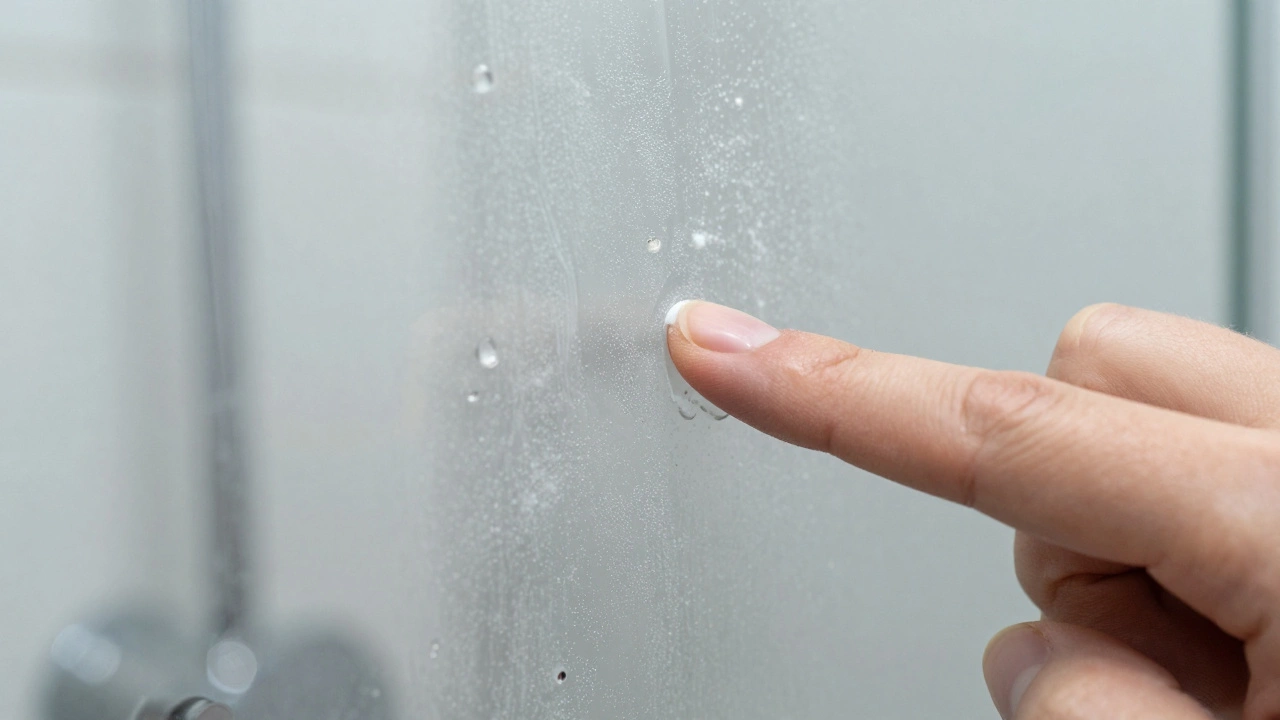
If the glass is simply coated with water spots, you can restore it. If the surface is permanently altered, you might be stuck. Take a fingernail and gently scrape the cloudiest spot. Does it flake off? That is temporary buildup. Do you feel grooves or pitting in the surface? That is etching. Once the glass itself is physically carved by acid rain or harsh chemicals, no amount of home cleaning will fully reverse it. For now, let’s assume you are dealing with stubborn mineral deposits.
The Science Behind Hard Water Stains
You likely see this issue near showers or outdoor windows where water sits for long periods. When evaporating, tap water leaves behind dissolved solids. These are usually calcium and magnesium. Over years, these minerals crystallize and bond tightly to the Glass SurfacePane.
Standard window cleaners often lack the strength to dissolve these bonds. They push the grime around rather than removing it. You need an acidic approach to break down the alkaline minerals. This is why soap-based cleaners fail. Instead, we use natural acids found in almost every kitchen.
Treating Light Cloudiness With Vinegar
For recent water spots or mild haziness, White Vinegara household acid is your best friend. Acetic acid reacts directly with the calcium build-up. The goal is contact time.
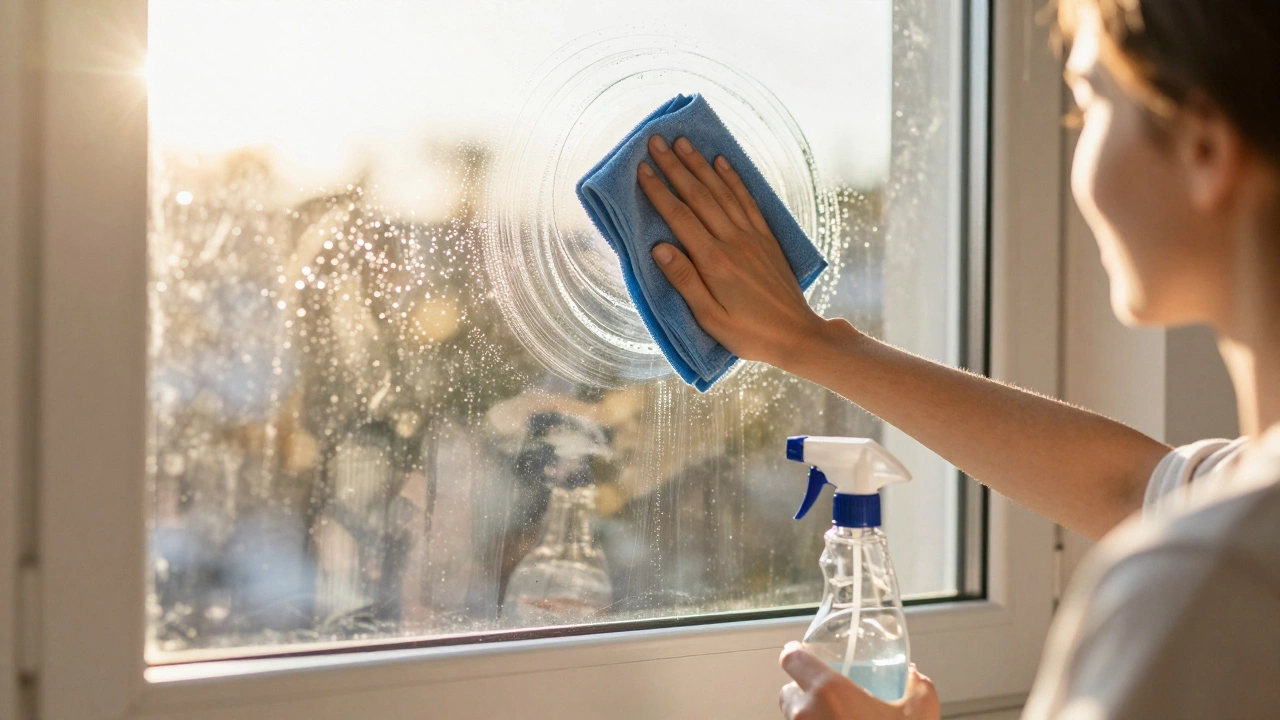
- Mix the Solution: Combine equal parts distilled white vinegar and warm water in a spray bottle. Warm liquid penetrates better than cold.
- Apply Generously: Spray the mixture until the glass is soaked. If there is heavy buildup, skip the water and use full-strength vinegar.
- Wait: This is crucial. Let it sit for at least ten minutes. Do not let it dry. Cover with plastic wrap if you must leave it longer, ensuring the liquid stays in contact with the stains.
- Wipe Down: Use a clean Microfiber Clothlint-free cleaning tool to buff the area. If the cloudiness persists, repeat the soak cycle.
| Method | Effectiveness | Safety | Best For |
|---|---|---|---|
| Vinegar Solution | High for Minerals | Very High | Shower doors, windows |
| Commercial Cleaners | Low to Medium | High | Dust and fingerprints |
| Baking Soda Paste | Medium | Medium | Stubborn spots |
| Razor Blade | High (Physical) | Requires Care | Flat surfaces only |
Handling Stubborn Deposits With Abrasion
When vinegar alone does not cut through years of neglect, you need a gentle abrasive. A common mistake is using steel wool, which creates microscopic scratches that look worse than the original cloudiness. Instead, opt for Baking Sodamild abrasive powder. It acts like fine sandpaper without gouging the material.
Create a thick paste by mixing baking soda with a small amount of water. Rub this onto the hazy areas using a soft cloth or sponge. Apply circular pressure. Rinse thoroughly afterward. While this is effective, be careful around Tempered GlassSafety treated glass, such as shower doors. Tempered glass is more susceptible to stress fractures if scrubbed too aggressively on the edges.
Using Razor Blades on Flat Panes
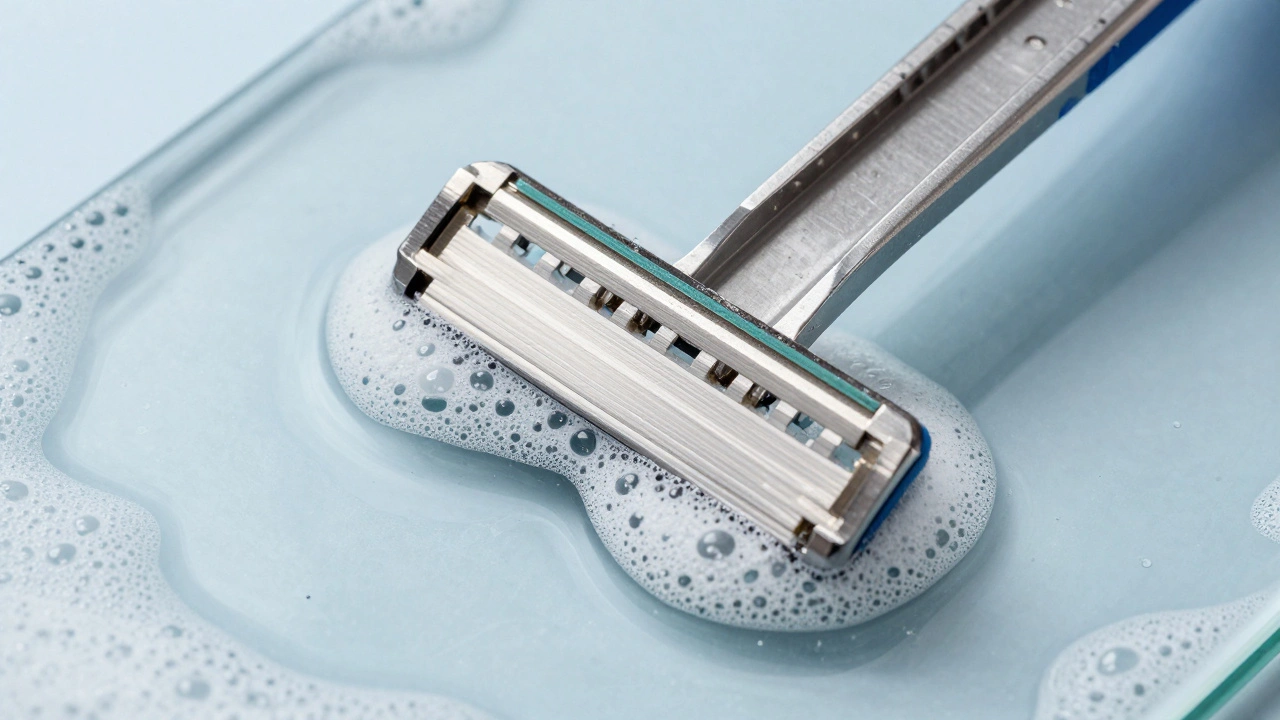
If the glass is truly flat and the deposits are rock-hard, a single-edge razor blade is the ultimate tool. Professionals use these constantly. To do it safely, you must keep the surface wet. A dry blade will scrape glass, causing permanent damage.
Hold the blade at a 30-degree angle. Push forward in one motion, then lift and reposition. Do not saw back and forth. As you move across the pane, you should hear a satisfying scraping sound of minerals releasing, not a grinding noise. Afterward, wash the glass with soapy water to remove any tiny silica dust left behind.
When to Stop Trying
There is a limit to DIY restoration. If you have tried strong acids, abrasives, and mechanical removal, and the cloudiness remains, the issue is internal or chemical etching. Some older double-pane units develop "fog" between the sealed layers. In this case, cleaning the exterior helps nothing. You cannot access the gap between the panes easily. The only fix here is replacing the entire insulated glass unit.
Another scenario involves low-sodium glass used in older construction. It sometimes develops iridescent corrosion known as glass disease. This happens due to poor manufacturing quality control decades ago. No cleaner fixes this. Recognizing this early saves you money buying products that won’t work.
Preventing Future Cloudiness
Removing the mess is half the battle; keeping it gone is the real victory. Water hardness varies by location. If you live in an area with high calcium levels, you need a proactive strategy.
Install a Rain Repellent: Treat the outside of the window with a hydrophobic coating. This causes water to bead up and roll off quickly, leaving no time for minerals to settle.
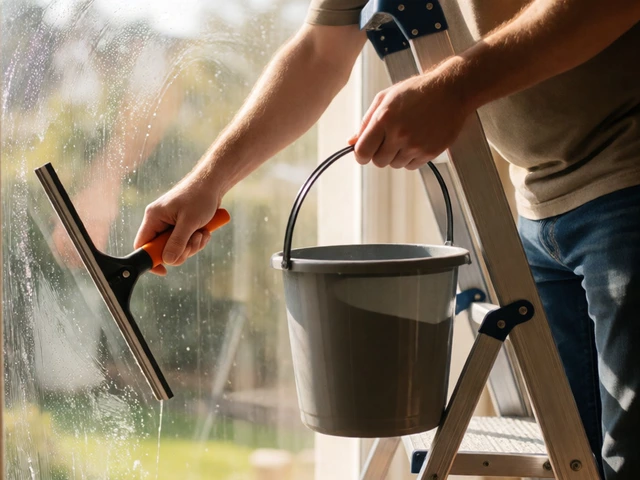
Squeegee Immediately: After washing the inside, use a squeegee before the water dries. Dried water droplets are the root cause of future spots.
Softened Water: Consider a shower filter that reduces limescale. Lowering the mineral count in the water reaching the glass drastically reduces the formation rate.
Safety and Material Compatibility
Always check compatibility before applying strong acids to surrounding materials. Vinegar is generally safe, but prolonged exposure can dull aluminum or brass hardware. Rinse metal frames after cleaning. Never mix vinegar with bleach. This combination releases chlorine gas, which is dangerous to breathe. Stick to one agent at a time.
Working overhead is tricky. Wear safety goggles. Chemicals or grit falling into your eyes hurts significantly more than getting them wet with tap water. Work in sections to manage your physical energy and avoid streaks caused by drying unevenly.