Spring Cleaning Participation Checker
Curious if your spring cleaning habits are typical? Answer the questions below to see how you compare to national statistics on participation rates, task preferences, and regional trends.
Every year, as the snow melts and the days get longer, a strange phenomenon sweeps across the United States. Millions of people suddenly decide that their dust bunnies have overstayed their welcome. But how many actually follow through? If you’ve ever wondered whether you’re part of the majority or an outlier when you spend your Saturday scrubbing baseboards, you aren’t alone. The short answer is surprising: while nearly everyone plans to clean, only about half actually execute a full-scale spring reset.
The Real Numbers Behind the Broom
Let’s cut through the noise. You might think spring cleaning is dead because nobody talks about it on TikTok like they do with "cleanfluencing." But the data tells a different story. According to various surveys conducted by major cleaning product retailers and lifestyle research firms between 2023 and 2025, approximately 54% of American households engage in some form of dedicated spring cleaning. That’s more than one in two homes.
However, there’s a big difference between "doing a little tidying" and a proper overhaul. When researchers narrow it down to those who perform a comprehensive deep clean-meaning they tackle at least three major tasks like window washing, carpet shampooing, and closet decluttering-the number drops to around 38%. So, if you’re pulling out the ladder to wash exterior windows in April, you’re in the minority. And honestly? That’s kind of cool.
Why the gap? Life gets busy. For many, the idea of spending a whole weekend on chores feels overwhelming. Instead, they opt for "micro-cleaning," spreading small tasks over several weeks. This approach is gaining traction, especially among younger demographics who prefer manageable chunks over marathon sessions.
Who Is Actually Cleaning?
If you look closer at the demographics, the picture becomes clearer. Spring cleaning isn’t evenly distributed across age groups or regions. It turns out, your zip code and your birth year matter more than you’d think.
Older Americans are the most consistent participants. Households headed by individuals over 65 show the highest participation rates, often exceeding 60%. Why? Likely because these individuals have more time, stronger traditions tied to seasonal changes, and perhaps a greater concern for indoor air quality due to health sensitivities. They also tend to own their homes longer, meaning they have more accumulated stuff to manage.
On the flip side, young adults (18-29) participate at lower rates, hovering around 40%. This isn’t because they don’t care about cleanliness; it’s often due to smaller living spaces, fewer possessions, or simply prioritizing social activities over scrubbing grout. Interestingly, this group is more likely to hire help. If they don’t do it themselves, they pay someone else to do it, keeping the industry alive even if their hands stay clean.
| Demographic Group | Participation Rate (%) | Primary Motivation | Preferred Method |
|---|---|---|---|
| Age 65+ | 62% | Allergy relief & tradition | DIY Deep Clean |
| Age 45-64 | 58% | Home value & organization | Mixed DIY/Hiring |
| Age 30-44 | 49% | Stress reduction | Professional Help |
| Age 18-29 | 41% | Aesthetics/Social Media | Outsourced |
Regional Differences: Where Does America Clean Most?
You might assume that places with harsh winters see the most intense spring cleaning. After all, if you’ve been trapped inside for five months, you’re probably ready to open the windows. Surprisingly, the data doesn’t fully support that intuition. While Northeastern states do show high engagement, the Midwest actually leads in per-household spending on professional spring cleaning services.
Why? Perhaps it’s the culture of hospitality. In many Midwestern communities, hosting guests after winter is a big deal. There’s social pressure to have a spotless home. Meanwhile, in warmer climates like the South and West Coast, spring cleaning is less about escaping winter and more about managing pollen. With allergy seasons starting earlier in the South, residents often begin their deep cleans in February rather than April. This shift means their "spring" cleaning peaks before the rest of the country even notices the calendar change.
Urban versus rural dynamics also play a role. Rural homeowners tend to focus on exterior maintenance-gutters, decks, and siding-because they have more outdoor space to maintain. Urban dwellers, conversely, concentrate on interior organization, maximizing small storage spaces and dealing with higher dust levels from city pollution.
What Tasks Are Actually Getting Done?
Knowing who cleans is interesting, but knowing what they clean reveals our priorities. Not every task is created equal. Some areas are non-negotiable for most Americans, while others are consistently neglected.
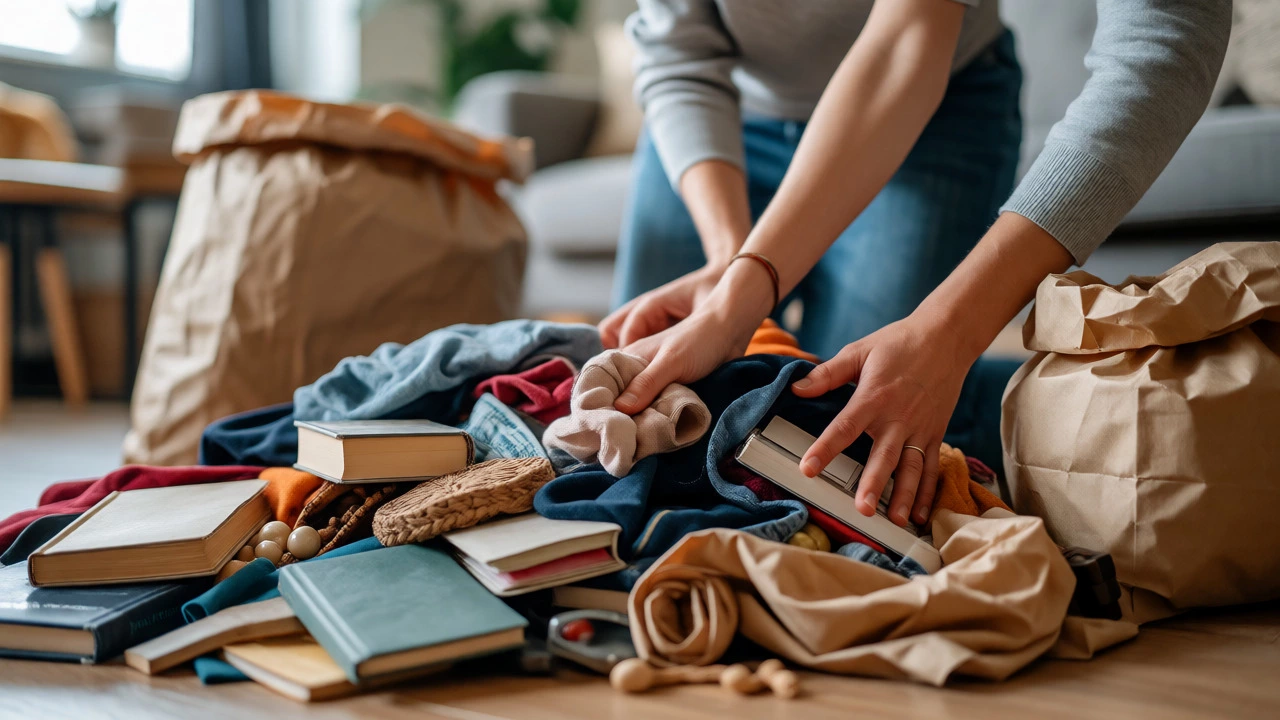
- Decluttering: This is the #1 activity. Nearly 70% of those who claim to spring clean start by throwing things away or donating them. The rise of minimalism and apps like Poshmark has made getting rid of stuff easier than ever.
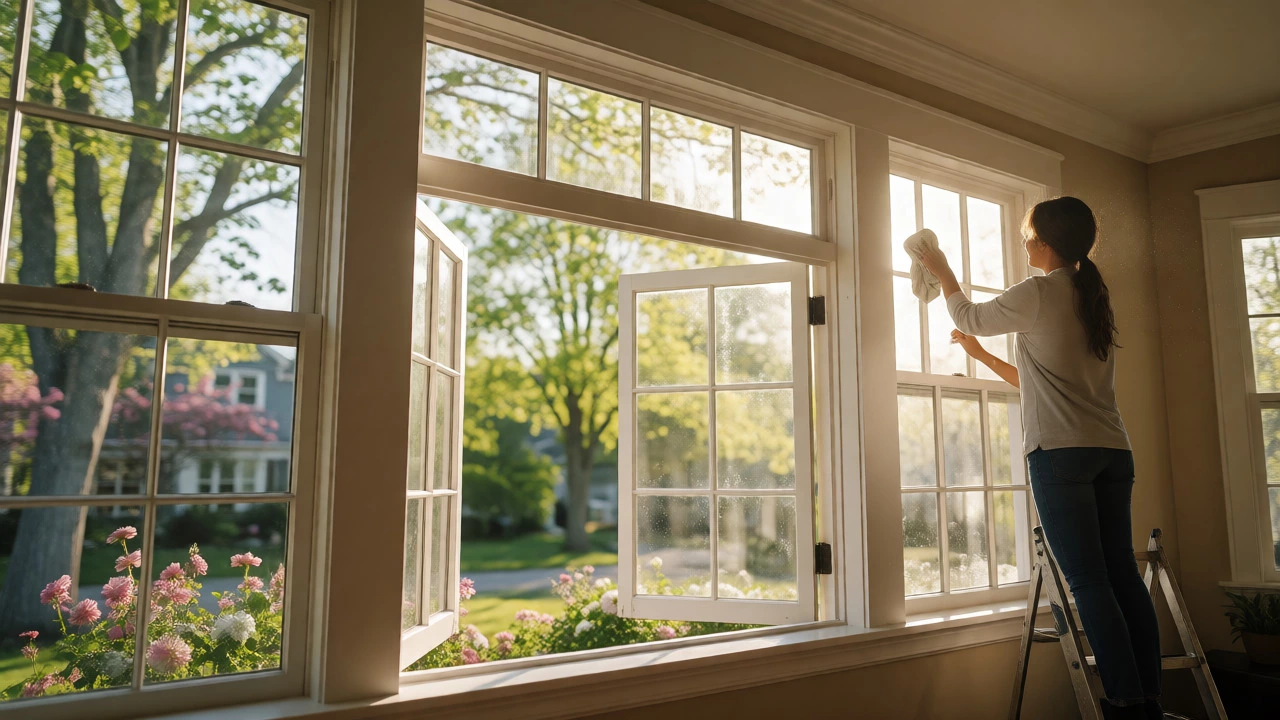
- Window Washing: About 45% of participants tackle windows. It’s highly visible, so it gives a quick sense of accomplishment.
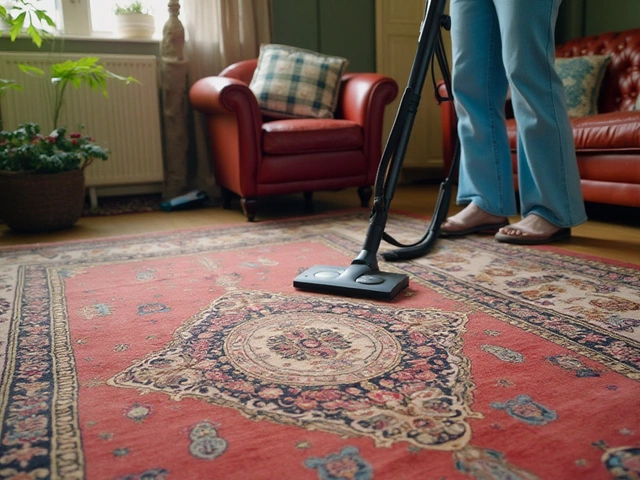
- Floor Care: Mopping, vacuuming carpets, and steam cleaning floors are done by roughly 50% of cleaners. This makes sense, as floors take the brunt of winter salt and mud.
- Appliance Deep Cleans: Only 30% thoroughly clean ovens, fridges, and dishwashers. These tasks require disassembly and strong chemicals, which deters many casual cleaners.
Notice what’s missing? Things like cleaning behind the fridge, washing light fixtures, or organizing the junk drawer. These are the "invisible" tasks that rarely make the list unless you’re hiring a pro. If you find yourself skipping these, you’re statistically normal.
The Economic Impact of Your Dust Bunnies
Spring cleaning isn’t just a personal habit; it’s a massive economic driver. The U.S. cleaning industry generates billions annually, with a significant spike in revenue between March and May. Retailers stockpile vacuums, microfiber cloths, and eco-friendly sprays specifically for this window.
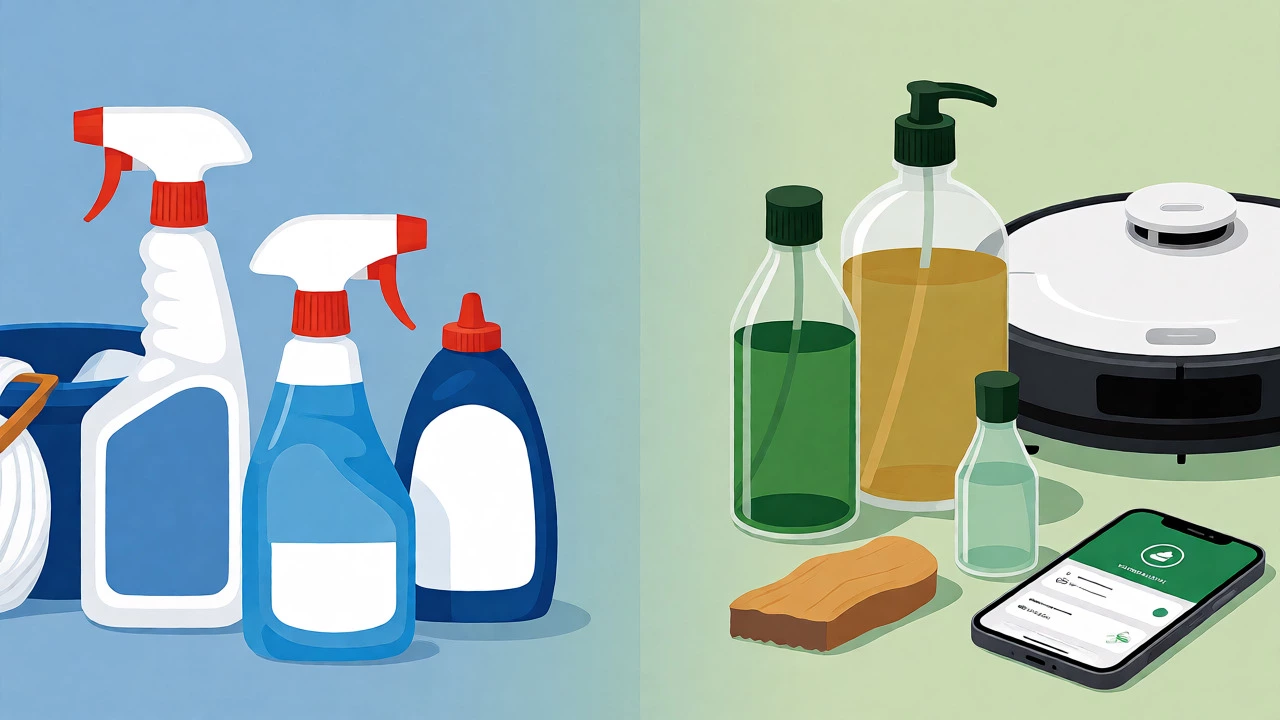
But here’s a twist: the market is shifting toward sustainability. More consumers are opting for green cleaning products, avoiding harsh chemicals like bleach and ammonia. Sales of plant-based cleaners have grown by double digits in recent years, particularly among millennials and Gen Z. This shift reflects a broader concern about indoor air quality and environmental impact. People want a clean home without the chemical headache.
Additionally, the gig economy has transformed how we approach this task. Platforms like TaskRabbit and Handy allow users to book local cleaners for specific jobs-like "I need my oven cleaned"-rather than booking a full-service maid service. This flexibility appeals to those who want help with the tough stuff but still want to handle the easy bits themselves.
Why Do We Still Do It? The Psychology of Scrubbing
If it’s so hard, why bother? Psychologists suggest that spring cleaning satisfies a deep human need for control and renewal. Winter can feel chaotic and confined. Organizing your physical space helps organize your mental space. Studies have shown that reducing visual clutter lowers cortisol levels, the body’s primary stress hormone.
Moreover, there’s a sense of pride. Showing off a freshly painted room or a gleaming kitchen triggers dopamine hits. It’s not just about hygiene; it’s about signaling competence and care to ourselves and our guests. In a world where much feels out of control, being able to transform your immediate environment is empowering.
So, next time you pick up a sponge, remember: you’re participating in a widespread cultural ritual backed by psychology and economics. Whether you’re in the 54% who do it regularly or the 46% who skip it, your choice says something about your values, your schedule, and your relationship with your home.
Frequently Asked Questions
Is spring cleaning really necessary?
It depends on your climate and lifestyle. In areas with heavy pollen or long winters, it’s crucial for removing allergens and accumulated dust. However, regular maintenance throughout the year can reduce the need for an intense annual overhaul. If you clean weekly, a massive spring project may be optional.
How much does professional spring cleaning cost?
Costs vary widely by location and home size. On average, Americans spend between $200 and $400 for a standard deep clean of a three-bedroom home. Larger homes or those requiring specialized services like carpet shampooing or window washing can exceed $600. Prices are typically higher in urban areas with higher labor costs.
When is the best time to start spring cleaning?
Most people start in late March or early April. However, scheduling is key. Booking professionals in January or February ensures availability. For DIYers, breaking tasks into weekly goals starting in mid-March prevents burnout. Starting too early (February) can lead to re-soiling from lingering winter weather, while starting too late (May) competes with summer preparations.
Do renters spring clean as much as homeowners?
Yes, but differently. Renters often focus on tasks that affect their security deposit return, such as cleaning appliances, carpets, and walls. Homeowners are more likely to tackle structural improvements like painting or exterior repairs. Renters’ cleaning is often more urgent due to lease agreements, whereas homeowners’ cleaning is more discretionary.
What is the most commonly skipped spring cleaning task?
Cleaning behind large appliances and inside cabinets tops the list. Many people wipe the outside of the fridge but ignore the coils and back panel. Similarly, cabinet interiors are often overlooked until they become visibly dirty. These tasks require moving heavy items and using degreasers, making them low-priority for many.