Home Hygiene Gap Calculator
Most homes look clean but hide significant bacterial loads and allergens. This tool helps you identify where your routine might be falling short of expert health standards.
Assess Your Habits
Select your cleaning frequencies above to see how your home compares to the statistical average and expert recommendations.
You probably think your house is reasonably clean. You vacuum on weekends, wipe down counters after dinner, and maybe tackle a deep scrub before guests arrive. But how does your routine stack up against the statistical average of millions of other households across the United States? The answer might surprise you, because "clean" is a subjective term that often masks significant hygiene gaps hidden in plain sight.
When researchers and cleaning industry experts analyze American home cleanliness, they don't just look at visible dirt. They measure microbial loads, allergen concentrations, and the frequency of specific maintenance tasks. The data reveals a stark divide between what we perceive as tidy and what actually constitutes a healthy living environment. Most homes are visually acceptable but microbiologically compromised, particularly in areas we rarely touch until things get sticky or smelly.
The Reality Behind the Visual Tidy
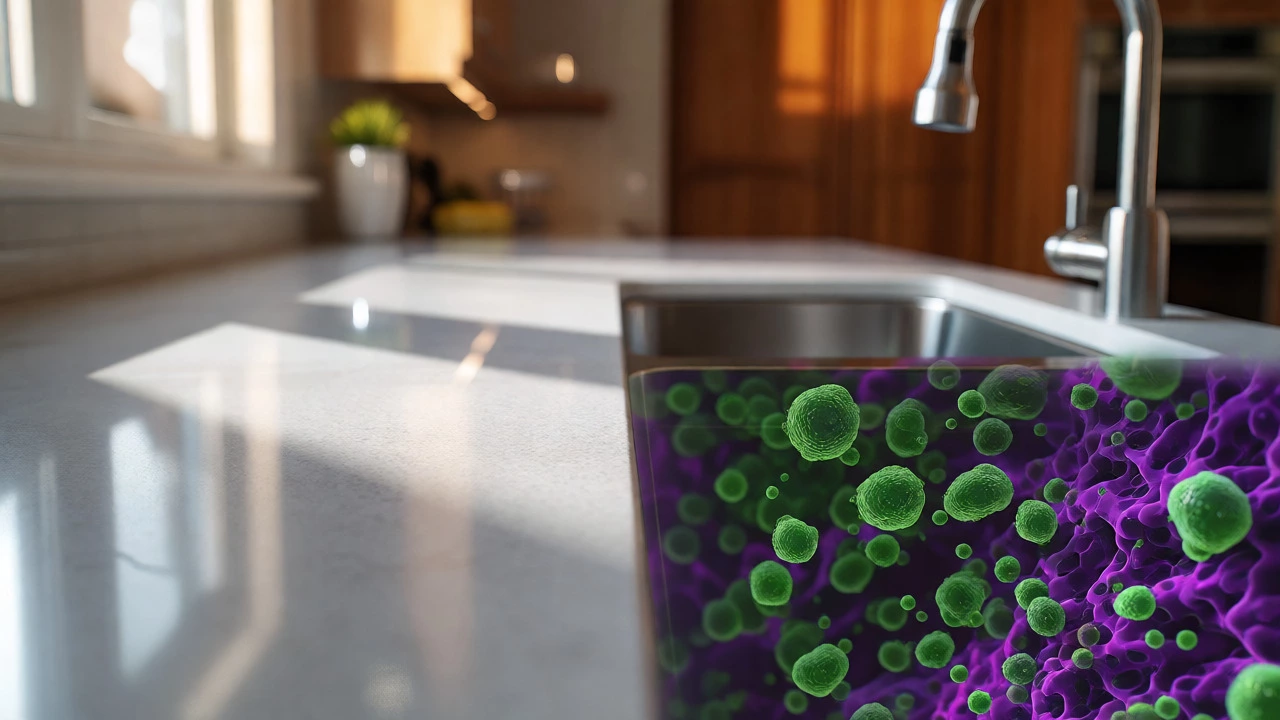
Most people define a clean home by the absence of clutter and visible stains. If the floor is swept and the dishes are washed, the job feels done. However, scientific assessments use different metrics. For instance, studies on indoor environments often focus on colony-forming units (CFUs) of bacteria per square inch on high-touch surfaces. A typical American kitchen counter can harbor more bacteria than a public toilet seat if not properly sanitized. This isn't to say every home is filthy, but rather that our visual cues for cleanliness are outdated.
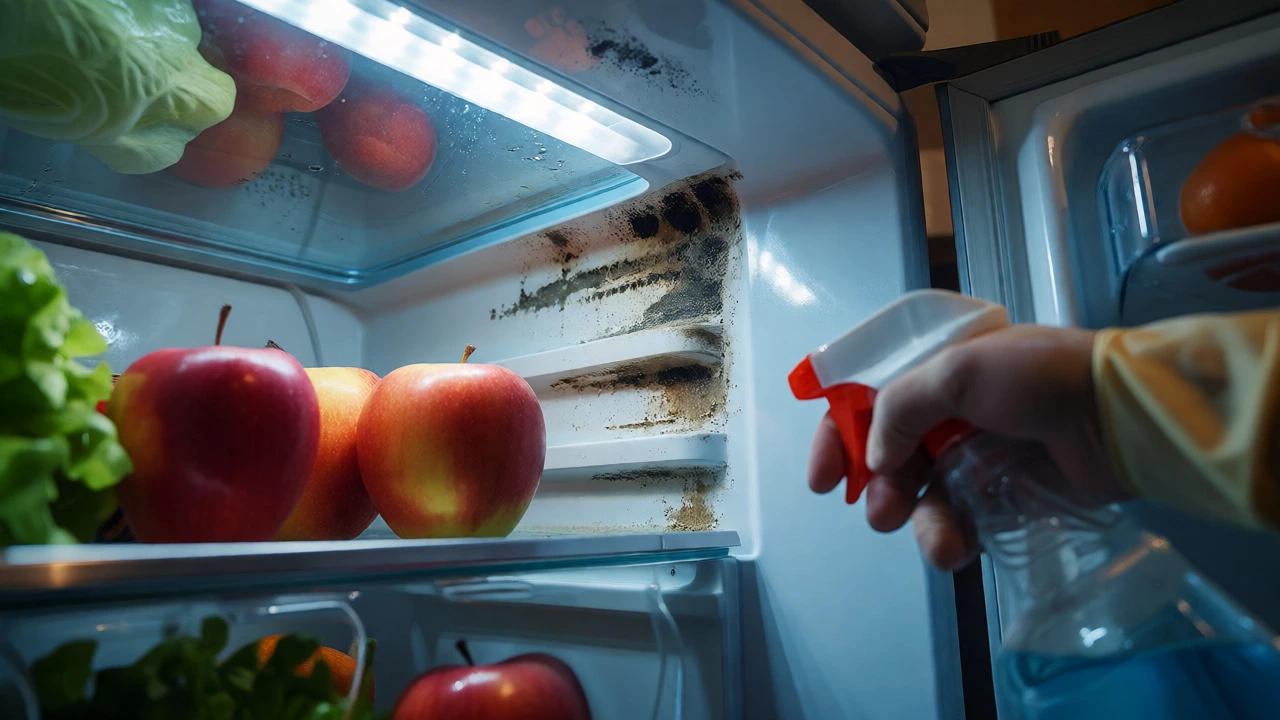
Consider the refrigerator. It’s the one appliance most families trust to be clean because it holds food. Yet, surveys indicate that nearly 75% of Americans do not clean their fridge interiors more than once a year. That means for months, raw meat juices, spilled condiments, and old produce residues create breeding grounds for Listeria and Salmonella. While the shelves might look okay, the biofilm building up in the seals and corners tells a different story. This disconnect between appearance and reality is the core issue with modern household hygiene.
High-Touch Surfaces: The Invisible Hotspots
If you want to know where the average American home fails most, look no further than the door handle. We touch them dozens of times a day, yet they rarely make it onto the weekly cleaning list. Door handles, light switches, remote controls, and smartphone screens are the primary vectors for spreading illness within a household. Research from the University of Arizona found that the average cell phone carries ten times more bacteria than a toilet seat. In a typical home, these devices sit on nightstands and kitchen tables, transferring germs directly to our hands and faces.
- Door Handles: Rarely disinfected; primary entry point for outside pathogens.
- Kitchen Sponges: Often cited as the dirtiest object in the house due to moisture and food residue.
- Light Switches: Touched frequently, especially during power outages or late-night bathroom trips.
- Remote Controls: Shared among family members, accumulating skin oils and dust.
The problem isn't just about messiness; it's about health risks. Homes with children or elderly residents face higher stakes. When a toddler touches a contaminated toy and then puts it in their mouth, the transfer is immediate. Most parents clean toys regularly, but fewer sanitize the surfaces those toys land on. This creates a cycle of re-contamination that standard vacuuming doesn't address.
Bathrooms: The Mold and Mildew Blind Spot
Bathrooms are arguably the most scrutinized room when guests visit, which makes them paradoxically one of the most neglected in terms of deep maintenance. While toilets are usually scrubbed weekly, shower grout and drain lines are often ignored until black mold appears. Moisture is the enemy here. Without proper ventilation, humidity lingers, allowing fungi to thrive in tile crevices and behind shower curtains.
Data suggests that over 40% of American bathrooms show signs of mold growth that goes untreated for years. Homeowners often mistake early-stage mildew for simple soap scum. The difference matters because mold spores contribute significantly to indoor air pollution, triggering allergies and asthma. Cleaning agents like bleach can kill surface mold, but they don't penetrate porous materials like grout. As a result, the root structure remains, waiting for the next humid week to bloom again. This is why professional steam cleaning is gaining traction-it penetrates deeper than chemical sprays ever could.
Flooring and Air Quality: What You Can't See
Dust is the universal indicator of neglect. It’s not just dead skin cells; it’s a cocktail of pollen, pet dander, insect fragments, and microscopic fibers from clothing. In carpeted homes, this debris gets trapped deep in the pile. Vacuuming removes the top layer, but without periodic deep extraction, the underlying layers remain saturated with allergens.
| Area | Average American Frequency | Recommended Frequency | Primary Risk |
|---|---|---|---|
| Carpet Deep Clean | Once every 1-2 years | Every 6-12 months | Allergen buildup, respiratory issues |
| Fridge Interior | Once yearly | Every 3-4 months | Bacterial growth (Listeria/Salmonella) |
| Oven/Grease Traps | As needed (often yearly) | Monthly spot checks | Fire hazard, poor air quality |
| Mattress | Never cleaned | Twice yearly | Dust mites, sweat accumulation |
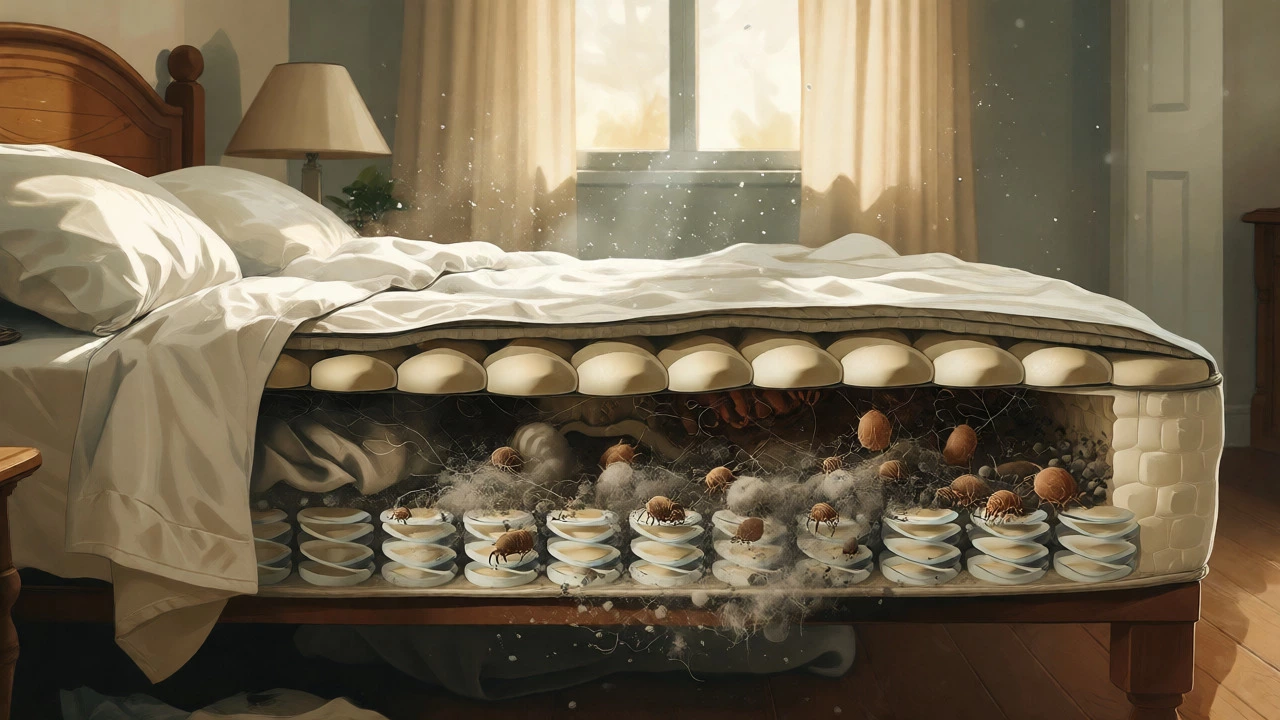
The average American mattress accumulates roughly 10 pounds of dead skin and dust mites over its lifespan. Since we spend about a third of our lives sleeping, this exposure is constant. Most people never wash their mattresses, relying solely on sheets. But sheets only catch surface debris. Dust mites burrow deep into the foam or springs, feeding on the shed skin. For allergy sufferers, this invisible ecosystem can cause chronic congestion and poor sleep quality, mistaken for seasonal changes rather than environmental factors.
The Kitchen: Where Grease Meets Bacteria
Kitchens are busy hubs, which makes them difficult to keep truly clean. The stove top gets attention because grease splatters are obvious. But the range hood filter? That’s often forgotten until it drips oil onto the burners. A clogged filter reduces ventilation efficiency, trapping cooking fumes and particulate matter inside the home. These fumes contain volatile organic compounds (VOCs) that degrade indoor air quality over time.
Then there’s the dishwasher. Many assume running a hot cycle cleans the machine itself. In reality, food particles get stuck in the filter screen, decomposing and causing odors. If you haven’t pulled out the filter in six months, you’re likely washing dishes in water contaminated by rotting debris. Regular maintenance here prevents bad smells and ensures the machine operates efficiently. It’s a small task with a big impact on overall kitchen hygiene.
Habits vs. Standards: Bridging the Gap
So, how does the average home compare to expert standards? The gap is largely behavioral. People prioritize tasks that offer immediate visual gratification-like clearing a table-over tasks that prevent long-term health issues, like sanitizing vents. This is known as "present bias." We clean for today’s comfort, not tomorrow’s health.
To close this gap, homeowners need to shift their mindset from "tidying" to "sanitizing." Tidying organizes objects; sanitizing eliminates pathogens. You can have a perfectly organized closet that still harbors mold spores from last summer’s humidity. Conversely, a slightly cluttered room with filtered air and disinfected surfaces may be healthier. Understanding this distinction helps prioritize efforts. Start with high-touch points and moisture-prone areas. Use tools that reach deep, such as HEPA vacuums for carpets and steam cleaners for tiles.
Spring cleaning, while popular, is often treated as an annual event rather than a baseline habit. Breaking large tasks into smaller, frequent actions yields better results. Instead of spending eight hours scrubbing everything once a year, dedicate fifteen minutes daily to rotating high-priority zones. This approach keeps bacterial loads low and prevents the overwhelming buildup that leads to procrastination.
What is the dirtiest place in the average American home?
Contrary to popular belief, the kitchen sponge is typically the dirtiest item in the home, followed closely by the kitchen sink and bathroom faucet handles. These areas retain moisture and organic material, creating ideal conditions for rapid bacterial growth compared to dry surfaces like countertops.
How often should I deep clean my carpets?
Experts recommend deep cleaning carpets every 12 to 18 months for average households. Homes with pets, children, or allergy sufferers should consider professional extraction every 6 to 12 months to remove embedded dust mites, pet dander, and soil that regular vacuuming misses.
Does vacuuming alone clean indoor air?
No, vacuuming primarily removes larger particles from surfaces. To improve indoor air quality, you need additional measures such as using a HEPA air purifier, changing HVAC filters regularly, and ensuring proper ventilation to reduce concentration of fine particulate matter and VOCs.
Why is my house dusty even after cleaning?
Dust settles quickly due to air currents and static electricity. If your HVAC system has dirty ducts or inefficient filters, it recirculates dust continuously. Additionally, fabrics like curtains and upholstery release microfibers constantly, contributing to rapid dust accumulation despite recent cleaning.
Are eco-friendly cleaners effective against bacteria?
Many eco-friendly cleaners are effective disinfectants if they contain active ingredients like hydrogen peroxide, vinegar (with sufficient acidity), or essential oils with proven antimicrobial properties. However, they may require longer contact times than harsh chemicals to achieve the same level of pathogen elimination.