Limescale Wear & Tear vs. Negligence Checker
Answer the following questions to assess whether your limescale situation likely falls under fair wear and tear or potential negligence.
Result
Picture this: you’ve packed your boxes, cleared out the cupboards, and handed over the keys. You’re ready to move on. Then, the inspection report arrives. Buried in the notes is a line that makes your stomach drop: "Significant limescale buildup in bathroom." Suddenly, you’re facing a deduction from your deposit for something that looks like dirt but feels like geology.
You might be asking yourself, is limescale wear and tear? It’s one of the most common points of contention between landlords and tenants in the UK right now. Hard water deposits are inevitable, especially if you live in areas with high mineral content. But where does normal aging end and negligence begin? Let’s break down exactly what counts as fair wear and tear, how to prove it, and how to remove stubborn scale before the inspector walks through the door.
Defining the Difference: Wear and Tear vs. Negligence
To understand where limescale fits, we first need to define the two opposing forces at play here: Fair Wear and Tear and Negligence or Damage.
Fair wear and tear refers to the natural deterioration of a property that occurs over time despite reasonable care by the tenant. Think of it as the house getting older while you live in it. Faded curtains, gently worn carpet paths, or minor scuffs on doors are classic examples. These things happen because people use homes.
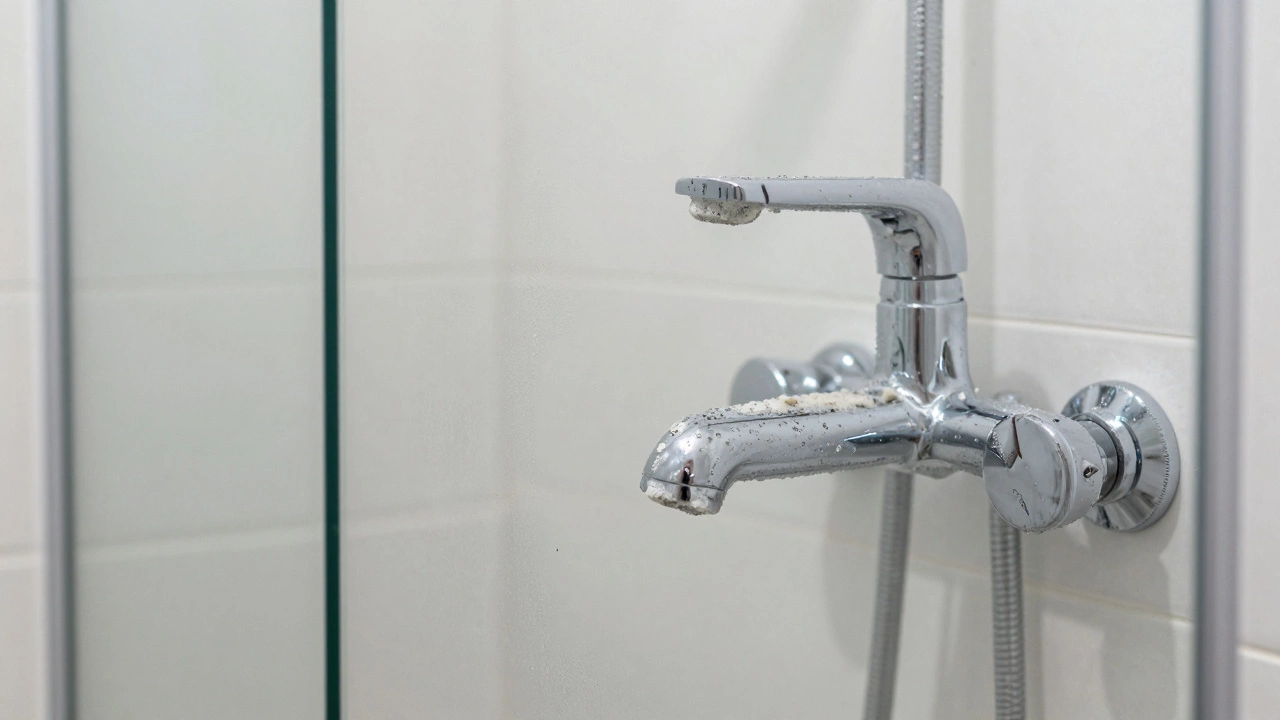
On the other hand, negligence implies a failure to maintain the property in a clean and sanitary condition. If a shower screen is so coated in calcium carbonate that the glass is barely visible, or if the taps have built-up crusts that prevent them from turning properly, that is usually viewed as a lack of routine cleaning rather than age-related decay.
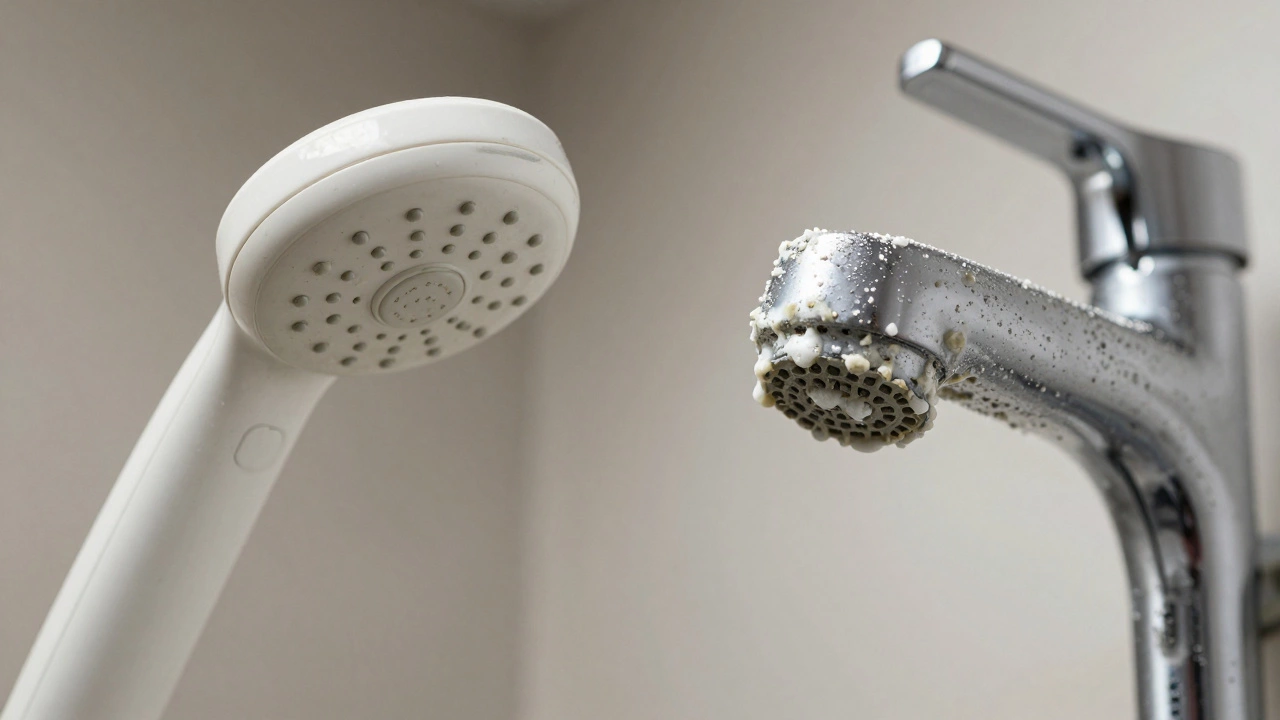
The key distinction lies in accumulation. A thin, translucent film of water spots that appears after a single shower without squeegeeing? That’s likely wear and tear. A thick, white, chalky layer that has been building up for six months? That’s often classified as poor maintenance.
The Science Behind the Stain: Why Limescale Forms
Understanding why limescale forms helps in the argument. Limescale is primarily composed of calcium carbonate. It forms when hard water evaporates, leaving behind minerals. In the UK, water hardness varies significantly by region. If you live in parts of Yorkshire, London, or the Southeast, your water is likely very hard. In contrast, Scotland and parts of Northern England have softer water.
This geographical factor is crucial. If you rent a property in Leeds (where I’m based), you are dealing with naturally harder water than someone renting in Glasgow. Landlords and letting agents should account for this regional variance. Expecting a pristine, spot-free bathroom in a hard-water area without professional descaling every few months is unrealistic for both parties.
However, knowing the science doesn't automatically exempt you from cleaning duties. It simply provides context for the level of buildup expected over a standard tenancy period.
What Do Letting Agents and Deposit Protection Schemes Say?
In the UK, disputes are mediated by Tenant Deposit Schemes (TDS), such as the Deposit Protection Service (DPS), MyDeposits, or Tenancy Deposit Scheme. Adjudicators look at evidence, not just opinions.
Generally, adjudicators rule that:
- Routine cleaning is the tenant's responsibility. This includes keeping surfaces free of soap scum and significant limescale.
- Deep descaling may be considered wear and tear if the buildup is consistent with the length of the tenancy and local water conditions.
- Damage caused by improper cleaning (like using abrasive scourers that scratch glass) is definitely the tenant's fault.
If the check-in report noted "moderate existing limescale" and the check-out shows "heavy limescale," the difference is attributed to the tenant. If the check-in showed "clean fixtures" and the check-out shows "light spotting," an adjudicator will likely view this as fair wear and tear.
How to Prove It Was Already There
The strongest weapon against an unfair claim is documentation. Did you take photos during the inventory check-in? Most tenants don’t bother until it’s too late.
If you have dated photos showing limescale present at the start of your tenancy, you can argue that the current state is no worse than the initial state. Without this proof, the burden of proof shifts to you to demonstrate that the buildup is minimal and consistent with normal use.
Tip: Always photograph bathrooms and kitchens thoroughly during move-in. Focus on taps, shower heads, glass screens, and toilet bowls. Caption these photos with the date. This simple step can save hundreds of pounds later.
Removing Limescale Before the Inspection
Even if you believe the limescale is fair wear and tear, removing as much as possible before the final inspection is the smartest move. It shows good faith and reduces the visual impact of the residue.
Here is a practical approach to tackling different types of limescale:
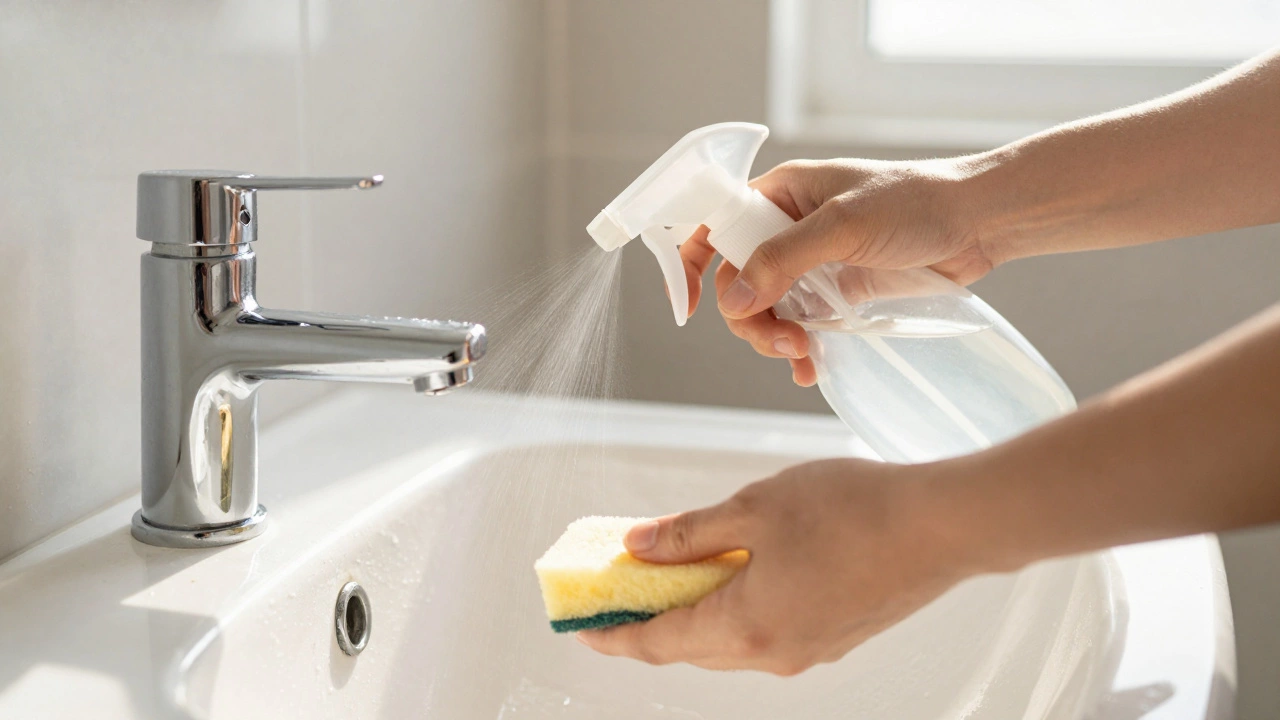
- Vinegar Solution: Mix equal parts white vinegar and warm water. Spray onto affected areas and let sit for 15-30 minutes. Vinegar is acidic enough to dissolve calcium carbonate but gentle on most surfaces.
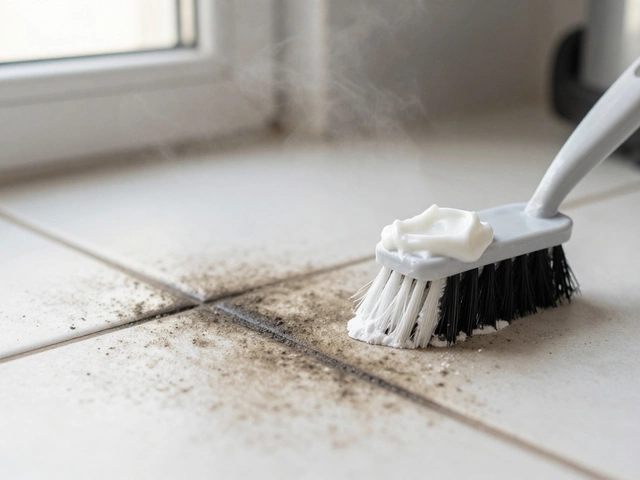
- Baking Soda Paste: For tougher stains, create a paste with baking soda and water. Apply it to the stain, let it sit, then scrub gently with a non-abrasive sponge.
- Commercial Descalers: Products containing citric acid or sulfamic acid are highly effective. Look for brands specifically designed for hard water areas. Follow the manufacturer's instructions carefully to avoid damaging seals or grout.
- Shower Heads: Remove detachable shower heads and soak them in a bucket of vinegar overnight. This restores water pressure and removes internal blockages.
Avoid using steel wool or harsh abrasive cleaners on glass or chrome finishes. Scratches are permanent damage, whereas limescale is removable. One scratch can cost more in deductions than the entire cleaning effort would have taken.
When to Push Back on Deductions
If a landlord or agent attempts to deduct money for limescale removal, assess the amount requested. Is it proportional to the work required?
Professional deep-cleaning services charge anywhere from £50 to £150 for a full bathroom descale. If the agent quotes £300, that is unreasonable. You should only pay for the actual cost of rectification, not a premium price.
Furthermore, if the tenancy was short (e.g., less than 6 months), any significant buildup is likely pre-existing or due to water quality, not tenant neglect. Use this logic in your dispute letter. State clearly that the buildup is consistent with local water hardness and the duration of occupancy.
Preventing Future Disputes
For current tenants, prevention is cheaper than cure. Incorporate a quick weekly wipe-down of wet surfaces into your routine. Using a squeegee on shower screens after every use takes ten seconds but prevents weeks of buildup. Installing a shower filter can also reduce mineral deposition, though this requires landlord permission.
For landlords, setting realistic expectations in the inventory report is key. Noting "existing limescale present" protects both parties. It acknowledges the reality of hard water living and prevents future arguments about what constitutes "clean."
Summary Checklist for Tenants
| Action | Timing | Purpose |
|---|---|---|
| Photograph all wet areas | Move-in day | Establish baseline condition |
| Weekly surface wipe-down | During tenancy | Prevent heavy accumulation |
| Deep descale with vinegar/citric acid | Before check-out | Remove removable residue |
| Review inventory report | Check-out day | Compare against move-in photos |
| Dispute unreasonable charges | Within 30 days | Protect deposit via TDS |
Remember, the goal isn’t to leave the property looking brand new-that’s impossible. The goal is to leave it in a clean, habitable state comparable to when you arrived. With proper preparation and knowledge of your rights, you can navigate the limescale debate confidently.
Can my landlord charge me for limescale removal?
Yes, but only if the limescale buildup exceeds what is considered fair wear and tear for the duration of your tenancy and local water conditions. If the buildup is excessive and results from a lack of routine cleaning, the landlord can claim the cost of professional descaling from your deposit.
How do I prove limescale was there before I moved in?
The best proof is dated photographs taken during the initial inventory check-in. If your inventory report explicitly mentions "existing limescale" or "hard water marks," quote this document directly in any dispute. Without prior documentation, it becomes harder to prove pre-existence.
What is the best way to remove limescale from glass shower screens?
A mixture of white vinegar and water is highly effective. Spray the solution, let it sit for 15-20 minutes to dissolve the calcium carbonate, then scrub gently with a non-abrasive sponge or microfiber cloth. Rinse thoroughly. For stubborn spots, a paste of baking soda and water can provide extra abrasion without scratching the glass.
Does water hardness affect what is considered fair wear and tear?
Absolutely. In areas with hard water (such as much of England), some degree of limescale is inevitable even with regular cleaning. Adjudicators and reasonable landlords should account for regional water quality when assessing cleanliness standards. Soft water areas have lower expectations for mineral buildup.
Should I hire a professional cleaner for end-of-tenancy descaling?
If the limescale is severe or covers large areas, hiring a professional end-of-tenancy cleaning service that specializes in descaling is often worth the investment. They have industrial-grade acids and equipment that can restore surfaces more effectively than household products, potentially saving you from larger deposit deductions.