Spring Cleaning Participation & Probability Estimator
Your Profile
Select your characteristics to calculate your estimated probability of performing a full spring clean this year.
Enter your details to see the stats
Select options on the left
Regional Participation Rates (Based on Article Data)
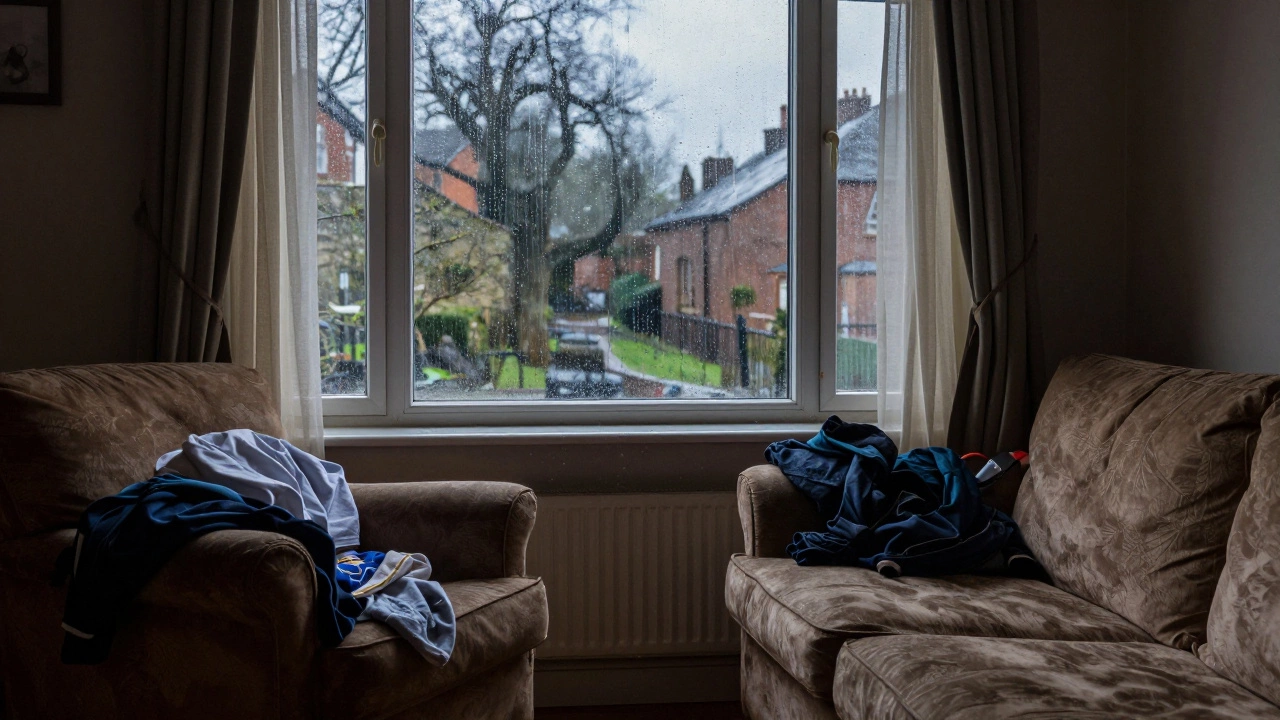
It’s late June here in Sheffield, and the rain has finally stopped long enough for me to look out the window without feeling like I’m inside a fish tank. You’d think that by now, everyone would have finished their spring cleaning. After all, it’s the one time of year when society collectively agrees to tackle the dust bunnies under the sofa and scrub the grout in the bathroom. But does anyone actually do it? And if they do, how many of them really get around to it?
I’ve spent years managing cleaning operations across the UK, from small family homes in Yorkshire to large commercial spaces in London. I’ve seen the surge in bookings every March and April. But looking at the raw numbers tells a different story than the marketing posters suggest. The reality is that while the *idea* of spring cleaning is universal, the actual practice is far less common than you might expect.
The Real Numbers Behind Seasonal Deep Cleans
So, what percentage of households typically do spring cleaning every year? If you look at global surveys from major home care brands and consumer research firms, the number usually hovers between 30% and 45% of households. That means more than half of us don’t participate in this annual ritual at all. In the UK specifically, where our weather can make "spring" feel more like a wet winter extension, the numbers tend to be on the lower end of that spectrum.
A study by the National Cleaner’s Council (NCC) in the UK often highlights that only about one-third of British households undertake a significant deep clean in the spring. The rest either clean as they go, hire professionals for specific tasks, or simply put it off until summer-or never do it at all. This isn’t laziness; it’s often a reflection of changing lifestyles, smaller living spaces, and the rise of regular maintenance cleaning over periodic marathons.
| Region | Participation Rate | Primary Barrier |
|---|---|---|
| United Kingdom | 30-35% | Weather & Time Constraints |
| United States | 40-50% | Lack of Planning |
| Germany | 45-55% | Cultural Tradition (Frühjahrsputz) |
| Australia | 35-40% | Climate Variability |
Why So Many People Skip the Annual Ritual
If nearly 70% of households aren’t doing a full spring clean, why not? It’s not because people love dirt. It’s because the traditional model of spring cleaning is broken. The idea that you need to spend an entire weekend scrubbing baseboards and washing curtains once a year doesn’t fit modern life.
First, there’s the issue of time. Most households in the UK are dual-income families with children. Finding a consecutive block of 10-15 hours to deep clean is impossible for many. Second, there’s the psychological barrier. When you look at a pile of laundry, a dusty attic, and a grimy oven all at once, it feels overwhelming. So, we procrastinate. We tell ourselves we’ll do it next month. Then summer arrives, and we’re too busy gardening or holidaying to start.
Another factor is the shift towards "micro-cleaning." Many homeowners now prefer to clean one room thoroughly each week rather than trying to conquer the whole house in one go. This approach is more sustainable and less stressful. It also means that by the time spring rolls around, their home is already relatively tidy, reducing the need for a massive overhaul.
Who Actually Does Spring Cleaning?
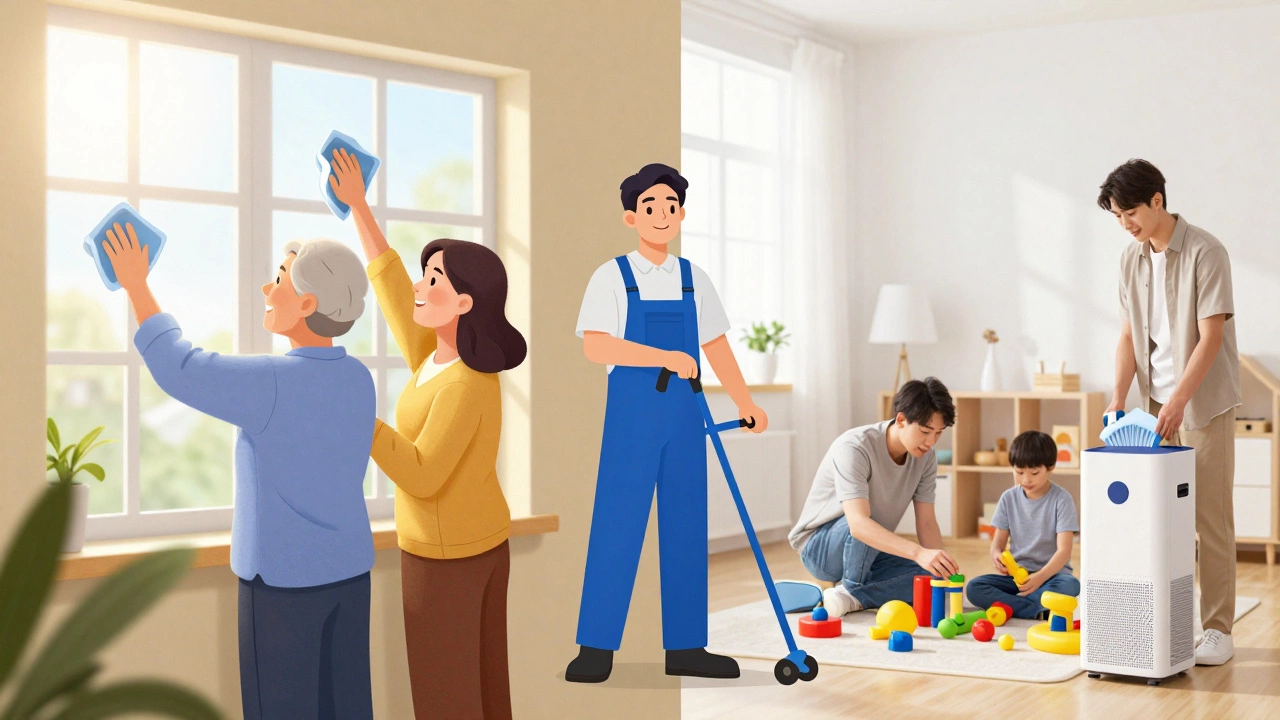
Not everyone skips the task. Certain demographics are much more likely to engage in spring cleaning. Based on industry data and client patterns, here’s who tends to stick to the tradition:
- Homeowners vs. Renters: Homeowners are significantly more likely to deep clean because they have a vested interest in maintaining their property’s condition. Renters, especially those in short-term leases, may see less value in deep cleaning unless they’re preparing for a move-out inspection.
- Families with Children: Parents often use spring cleaning as a way to sanitize toys, wash bedding, and declutter playrooms. The presence of kids creates more mess, which necessitates more frequent deep cleans.
- Allergy Sufferers: For people with seasonal allergies, spring cleaning isn’t optional-it’s medical necessity. Removing pollen, dust mites, and mold spores is critical for their health. These households often start their cleaning in February, before the allergy season peaks.
- Older Generations: Retirees and older adults often have more flexible schedules and a stronger cultural attachment to traditional homemaking practices. They’re more likely to follow the calendar-based cleaning routine.
The Impact of Weather on Cleaning Habits
Let’s talk about the elephant in the room: the weather. Here in Sheffield, and across much of the UK, spring is notoriously unpredictable. One day it’s sunny and 15°C, the next it’s pouring rain and 8°C. This volatility kills momentum. You can’t open windows to air out a room if it’s raining. You can’t pressure wash the driveway if the ground is frozen.
In countries with clearer seasonal transitions, like Germany or the United States, spring cleaning is more predictable. In Germany, the concept of Frühjahrsputz is deeply ingrained in the culture, leading to higher participation rates. In the US, the longer, warmer springs allow for more outdoor cleaning projects. In the UK, we often compromise by focusing on indoor tasks-decluttering, organizing cupboards, and vacuuming carpets-while postponing exterior work until summer.
How to Make Spring Cleaning Work for You
If you’re part of the majority who struggles to complete a full spring clean, don’t beat yourself up. Instead, adapt the strategy to fit your life. Here’s how successful cleaners approach it:
- Break It Down: Don’t try to clean the whole house in one day. Assign one task per week. Week 1: Kitchen appliances. Week 2: Bedrooms and linen. Week 3: Bathrooms and mirrors. Week 4: Living areas and floors.
- Hire Help for the Heavy Lifting: If you hate cleaning windows or steam cleaning carpets, hire a professional. It’s often cheaper and faster than buying equipment you’ll use once a year. In the UK, professional end-of-tenancy or deep-clean services are widely available and affordable.
- Focus on High-Impact Areas: Prioritize spaces that affect your daily well-being. A clean kitchen reduces stress. Fresh bed linens improve sleep. A clutter-free entryway sets a positive tone for the home. Ignore low-impact areas like the top of the wardrobe if you’re short on time.
- Declutter Before You Clean: You can’t clean what you can’t reach. Start by removing items you no longer need. Donate clothes, recycle papers, and toss broken gadgets. Less stuff means less surface area to wipe down.
The Rise of Year-Round Maintenance
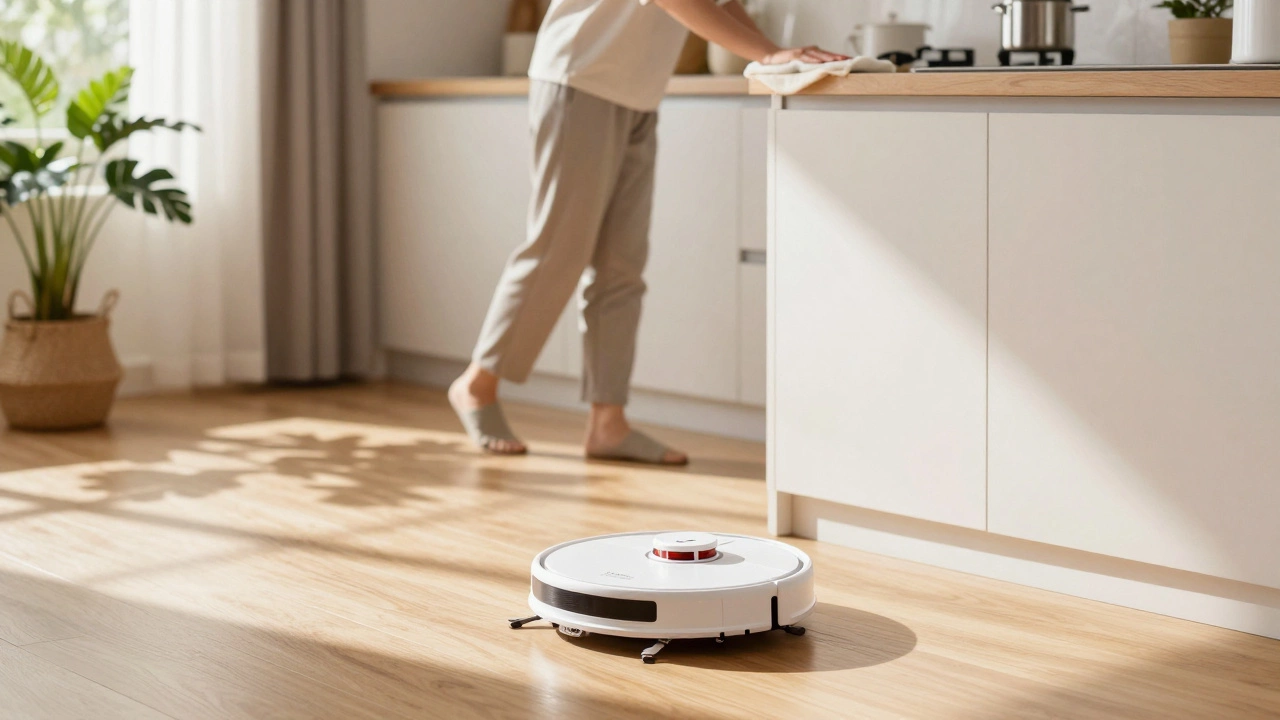
The trend is moving away from seasonal marathons toward consistent maintenance. Smart home devices like robot vacuums and air purifiers help keep dust levels low throughout the year. Regular wiping of surfaces prevents grease buildup in the kitchen. Weekly tidying sessions prevent clutter from accumulating.
This shift explains why the percentage of households doing a dedicated "spring clean" is dropping. People aren’t neglecting their homes; they’re just managing cleanliness differently. The goal is a comfortable, healthy living space, not a spotless showroom. And honestly, that’s a healthier mindset for both your home and your mental health.
What is the average percentage of households that do spring cleaning?
Globally, approximately 30% to 45% of households perform a dedicated spring clean each year. In the UK, this figure is closer to 30-35%, largely due to weather constraints and changing lifestyle habits.
Why is spring cleaning declining in popularity?
Spring cleaning is declining because modern lifestyles favor continuous micro-cleaning over annual marathons. Busy schedules, smaller living spaces, and the availability of professional cleaning services make the traditional one-day deep clean less practical.
Does weather affect spring cleaning habits?
Yes, significantly. In regions with unpredictable spring weather like the UK, fewer people engage in outdoor cleaning tasks such as washing windows or pressure washing driveways. Indoor cleaning remains popular, but overall participation drops compared to sunnier climates.
Who is most likely to perform spring cleaning?
Homeowners, families with young children, allergy sufferers, and older generations are statistically more likely to perform spring cleaning. These groups have either a financial incentive, health needs, or cultural traditions that drive the behavior.
Is it better to clean weekly or do a big spring clean?
For most people, weekly maintenance combined with occasional deep cleans is more effective and less stressful than a single annual event. This approach prevents dirt buildup and keeps the home consistently livable without requiring days of intense labor.