Pressure Washer PSI Calculator
Best Nozzle: --
Spray Pattern: --
Pro Tip: --
So, you’ve got a driveway caked in years of grime, or maybe your patio furniture looks like it survived a war. You want to blast it all away with a pressure washer, but standing in the hardware store aisle, staring at machines ranging from cheap electric models to heavy-duty gas beasts, one question pops up: How many PSI do I actually need?
It’s easy to assume that more power is always better. After all, if 2,000 PSI cleans a car, surely 3,000 PSI will clean it faster, right? Wrong. Using too much pressure can strip paint from your siding, etch into wood decks, and leave you with a bill for repairs that costs way more than the machine you bought. On the flip side, buying an underpowered unit means you’ll spend hours scrubbing instead of spraying.
Getting the PSI (Pounds per Square Inch) right isn’t just about raw force; it’s about matching the tool to the surface. In this guide, we’ll break down exactly how much pressure you need for different jobs, why GPM (Gallons Per Minute) matters just as much, and how to avoid turning your home improvement project into a disaster zone.
Understanding PSI vs. GPM: The Real Cleaning Power
Before you pick a number, you need to understand the two metrics that define a pressure washer’s performance. Most people obsess over PSI, but they ignore its partner in crime: GPM.
PSI (Pounds per Square Inch) measures the intensity of the water stream. Think of it like the sharpness of a knife. A high-PSI nozzle cuts through tough dirt, grease, and gum with precision. It’s essential for breaking up stubborn stains on concrete or removing mildew from brick.
GPM (Gallons Per Minute) measures the volume of water flowing out of the wand. This is like the width of the knife blade. High GPM rinses away the loosened dirt quickly. If you have high PSI but low GPM, you’re chipping away at dirt slowly. If you have high GPM and moderate PSI, you’re flushing everything away efficiently.
The industry standard for measuring true cleaning power is Cleaning Units (CU). The formula is simple:
PSI x GPM = CU
A machine with 2,000 PSI and 1.5 GPM has 3,000 CUs. Another machine with 1,800 PSI and 2.0 GPM also has 3,600 CUs. Surprisingly, the second machine might clean larger areas faster because it moves more water, even though the pressure is lower. For most homeowners, aiming for a balance between these two numbers is smarter than chasing the highest PSI possible.
How Much PSI Do Different Surfaces Need?
Not every job requires a tank-busting pressure washer. Here is a breakdown of the ideal PSI ranges for common household tasks. Keep these numbers in mind when comparing machines.
| Surface / Task | Recommended PSI Range | Best Nozzle Color | Risk Level |
|---|---|---|---|
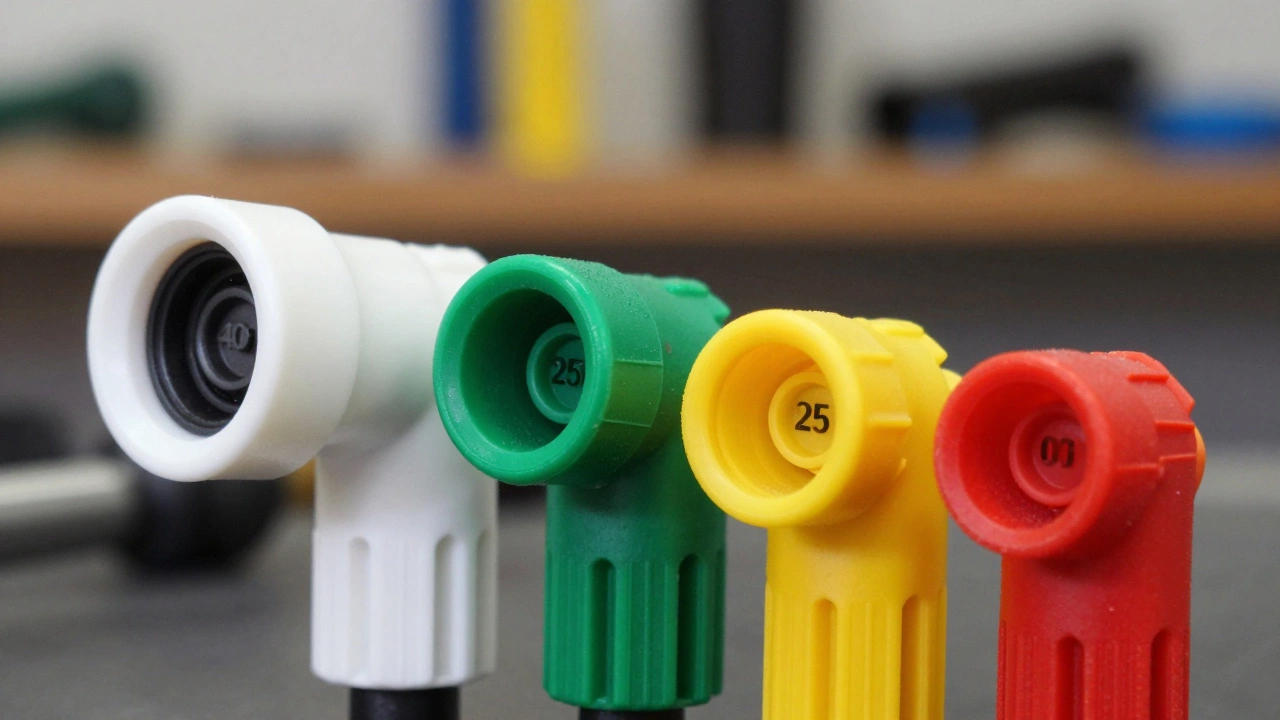
| Fragile Surfaces (Windows, Screens) | Under 1,000 PSI | White (40°) or Green (25°) | High (Can crack glass) |
| Cars, RVs, Motorcycles | 1,200 - 1,900 PSI | Green (25°) or White (40°) | Medium (Can damage trim) |
| Wood Decks, Fences | 1,300 - 1,800 PSI | Green (25°) or Yellow (15°) | High (Can splinter wood) |
| Siding (Vinyl, Aluminum) | 1,500 - 2,000 PSI | Green (25°) or White (40°) | Medium (Can force water behind siding) |
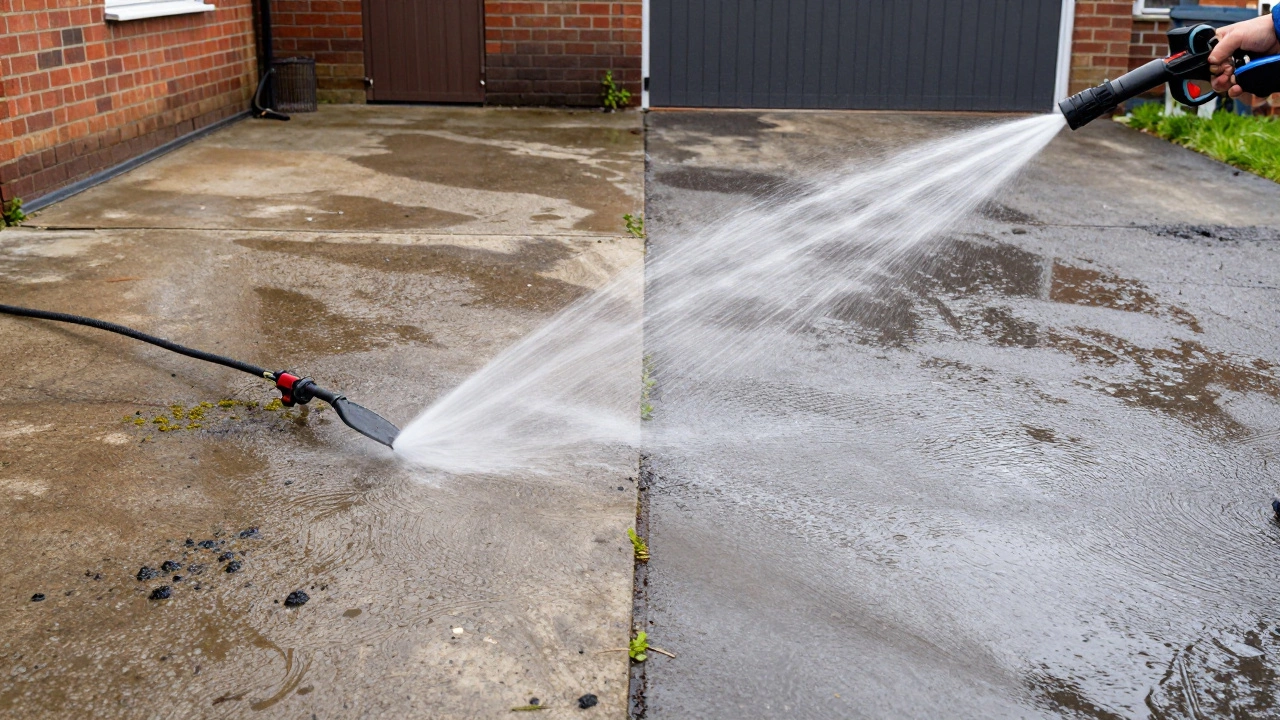
| Concrete Driveways, Patios | 2,500 - 3,000+ PSI | Yellow (15°) or Red (0°) | Low (Durable surface) |
| Brick Walls | 2,000 - 2,500 PSI | Green (25°) | Medium (Can erode mortar) |
If you only plan to wash your car and rinse off pollen from the windows, a small electric pressure washer with around 1,300 PSI is plenty. But if you’re looking to restore a faded concrete driveway, you’ll need something in the 2,500 to 3,000 PSI range. Anything above 3,000 PSI is generally reserved for industrial use, like stripping paint from metal beams or cleaning heavy machinery.
Electric vs. Gas Pressure Washers: Which Should You Buy?
Your choice of power source directly impacts the PSI you can achieve. Let’s look at the trade-offs.
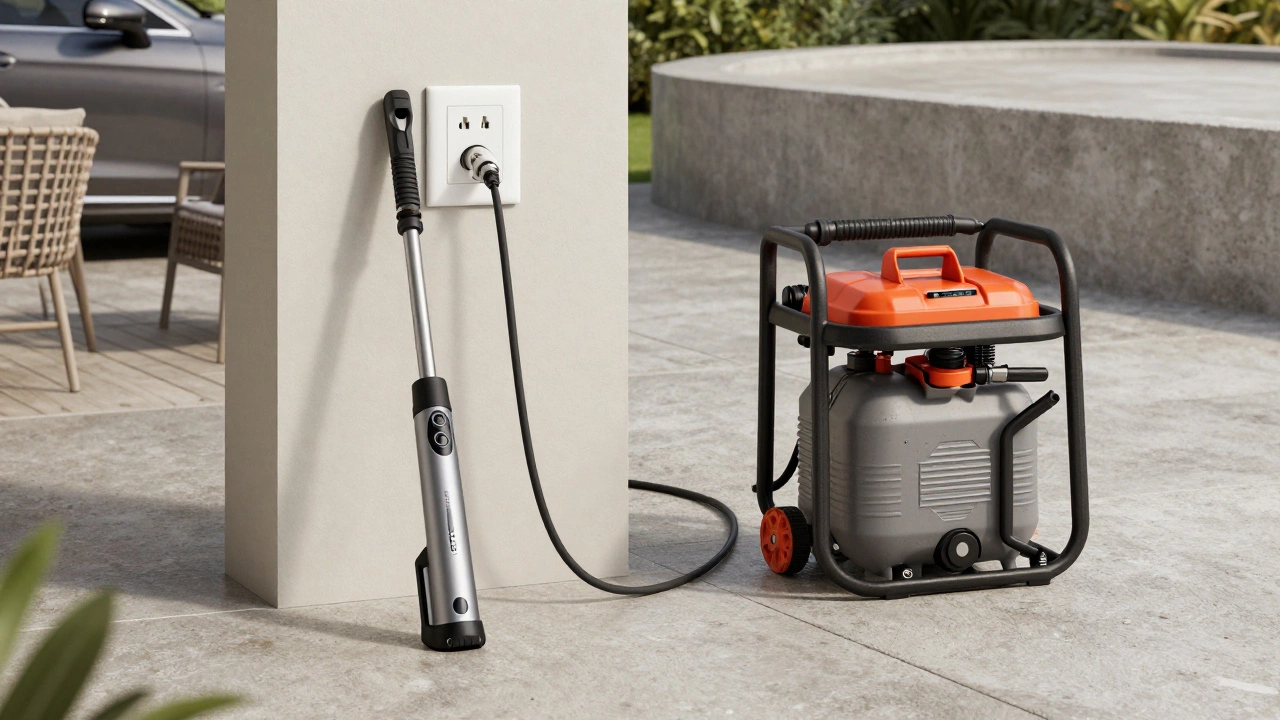
Electric pressure washers are lighter, quieter, and require less maintenance. They plug into a standard outlet, which limits their power output. Most consumer-grade electric models top out at 1,800 to 2,000 PSI. These are perfect for light duty tasks: washing cars, cleaning patios, and rinsing siding. They are also easier to store in a garage or shed.
Gas pressure washers offer significantly more power. They typically start at 2,000 PSI and go up to 4,000 PSI or more. Because they aren’t tethered to an electrical outlet, you can take them anywhere on your property. However, they are heavier, louder, and require engine maintenance (oil changes, spark plugs). If you have a large property with thick layers of grime on concrete or asphalt, a gas model is worth the extra effort.
For most suburban homes, a mid-range electric washer (around 1,800 PSI) hits the sweet spot. It’s powerful enough for 90% of residential jobs without the headache of pulling a starter cord every time you want to clean the driveway.
The Danger of Too Much Pressure
I can’t stress this enough: high PSI is dangerous. It’s not just about damaging your property; it’s about safety. A pressure washer stream can inject bacteria under your skin, cause serious bruising, or even amputate fingers if you lose control.
When you point a 3,000 PSI stream at vinyl siding, you might think you’re getting a deeper clean. In reality, you’re likely forcing water behind the panels, leading to mold growth inside your walls. On wooden decks, excessive pressure strips away the protective stain and softens the wood fibers, making them rot faster. Even on concrete, using a 0-degree red nozzle too close to the surface can etch the concrete, leaving permanent white marks that are nearly impossible to remove.
Always test your pressure on a small, inconspicuous area first. Start with a wider spray pattern (green or white nozzle) and move closer only if needed. Never use a 0-degree nozzle unless you are experienced and know exactly what you are doing.
Pro Tips for Better Results Without More PSI
You don’t always need to crank up the pressure to get a cleaner result. Here are some tricks used by professionals to maximize efficiency while minimizing damage.
- Use Detergent: Soap does the heavy lifting. Apply a specialized pressure washer detergent to the surface and let it dwell for 5-10 minutes. The chemical action breaks down grease and organic matter, allowing a lower PSI setting to rinse it away easily.
- Maintain Distance: Keep the nozzle 12-24 inches away from the surface. Moving the wand closer increases the impact force exponentially. For delicate surfaces, stay further back.
- Choose the Right Nozzle: Don’t rely on the adjustable tip that comes with cheap units. Invest in interchangeable nozzles. A 25-degree green nozzle offers the best balance of coverage and cleaning power for general use.
- Pre-Rinse: Always rinse the surface with plain water before applying soap or high pressure. Removing loose debris prevents scratching and helps the detergent work better.
Frequently Asked Questions
Is 2000 PSI enough for a driveway?
Yes, 2000 PSI is sufficient for most residential concrete driveways, especially if you use a detergent. While higher PSI (2500+) will clean faster, 2000 PSI combined with a 15-degree yellow nozzle and proper technique will effectively remove oil stains, tire marks, and general grime without risking damage to the concrete surface.
What is the difference between hot and cold pressure washers?
Hot water pressure washers heat the water to help dissolve grease, oil, and biological contaminants like mold and algae more effectively than cold water. They are typically more expensive and complex to maintain. For most homeowner tasks like cleaning driveways, siding, or cars, a standard cold water pressure washer is perfectly adequate and more cost-effective.
Can I use a pressure washer to clean my roof?
Generally, no. Standard pressure washers operate at pressures that are far too high for roof shingles, tiles, or metal roofing. Using a pressure washer on a roof can strip granules from asphalt shingles, lift tiles, or dent metal, voiding warranties and causing leaks. Instead, use a soft wash system with low pressure and specialized biocides to clean roofs safely.
Do I need a pressure washer with a pump or is a motor enough?
All pressure washers have both a motor (electric or gas) and a pump. The motor provides the energy, and the pump creates the pressure. When shopping, pay attention to the pump type. Axial pumps are cheaper and good for occasional light use. Triplex piston pumps are more durable, handle higher pressures, and last longer, making them better for frequent or heavy-duty use.
How do I prevent cavitation in my pressure washer?
Cavitation occurs when air bubbles form in the pump due to insufficient water flow, causing loud knocking sounds and potential pump damage. To prevent this, ensure your water supply is strong and uninterrupted. Use a high-quality inlet filter to catch debris, and never let the pump run dry. If you hear a knocking sound, turn off the machine immediately and check your water connection.