Oven Cleaning Method Finder
What is the current state of your oven?
Best For: Light grime and neutralizing odors.
Best For: Breaking down organic residues and freshening the air.
Best For: Penetrating thick, carbonized food layers.
Best For: Professional-grade messes and polymerized grease.
Key Takeaways for a Grease-Free Oven
- White vinegar is the best natural substitute for removing light grime and odors.
- Ammonia works wonders for heavy, baked-on grease but requires extreme ventilation.
- Commercial degreasers provide the fastest results for professional-grade messes.
- Lemon juice uses citric acid to break down organic residue and freshen the air.
- Dish soap is surprisingly effective for the oven door and removable racks.
The Vinegar Steam Method for Light Grime
If your oven isn't completely blackened, White Vinegar is your best friend. It's a diluted acetic acid solution that cuts through grease and kills bacteria. Unlike baking soda, vinegar is a liquid, meaning no scrubbing pastes or leftover powder in the corners of your oven.
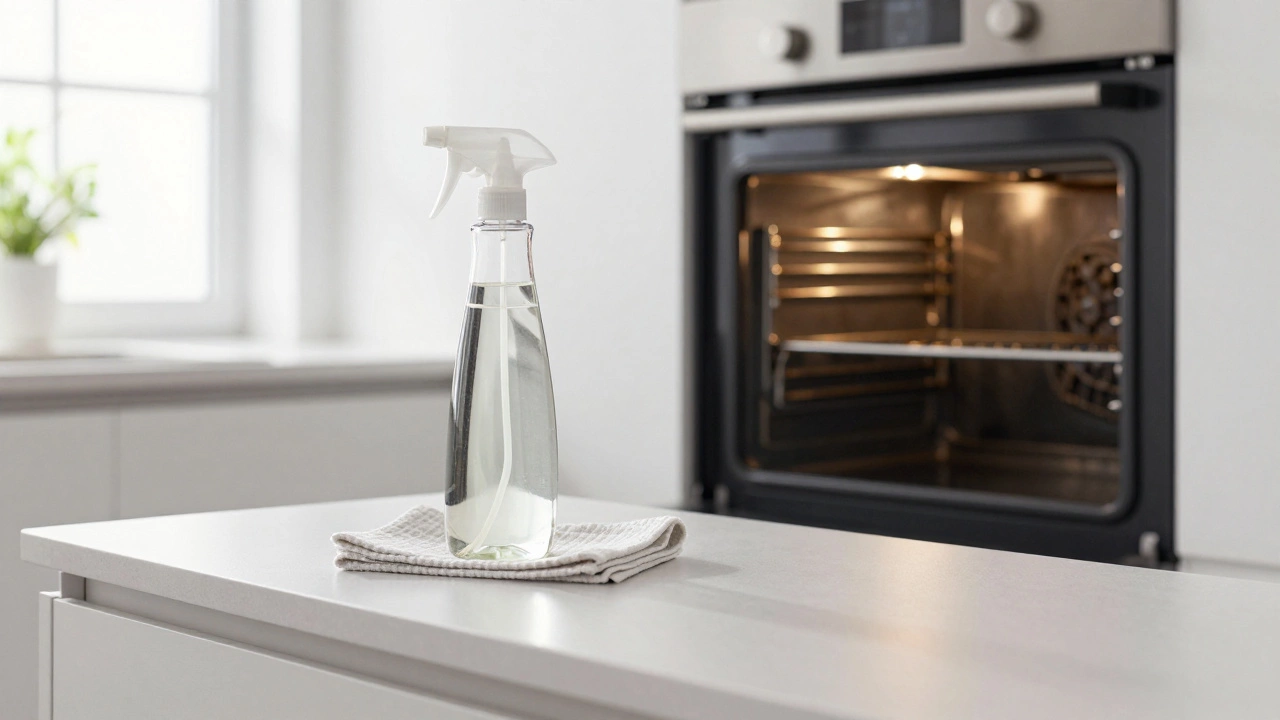
To start, mix equal parts white vinegar and water in a spray bottle. Spray the interior walls and the bottom of the oven generously. Let it sit for about 20 to 30 minutes. The acid in the vinegar starts breaking the chemical bonds of the grease. If you have a really stubborn spot, soak a paper towel in vinegar and press it against the wall for an hour. After that, just wipe it away with a damp microfiber cloth. It's a low-effort way to maintain a clean kitchen without any harsh smells.
Using Ammonia for Heavy-Duty Grease
When vinegar isn't strong enough, you need something that can penetrate thick, brown layers of carbonized food. This is where Ammonia comes in. It's a pungent, colorless gas dissolved in water that chemically breaks down fats and oils. Warning: this stuff is powerful. You absolutely must open your windows and turn on the extractor fan before using it.
The trick with ammonia is using the vapor rather than scrubbing with the liquid. Place a bowl of ammonia in your cold oven, close the door, and let it sit overnight. The ammonia gas fills the chamber and softens the grease. By the next morning, the grime should be soft enough to wipe away with a sponge. Just be careful not to touch the liquid ammonia directly, as it can irritate your skin. This method is essentially a DIY version of a professional chemical soak.
Citric Acid and Lemons for Organic Buildup
If you prefer a scent that doesn't smell like a chemistry lab, go for lemons. Citric Acid is a weak organic acid found in citrus fruits that acts as a natural chelating agent, meaning it binds to minerals and grease to lift them off surfaces.
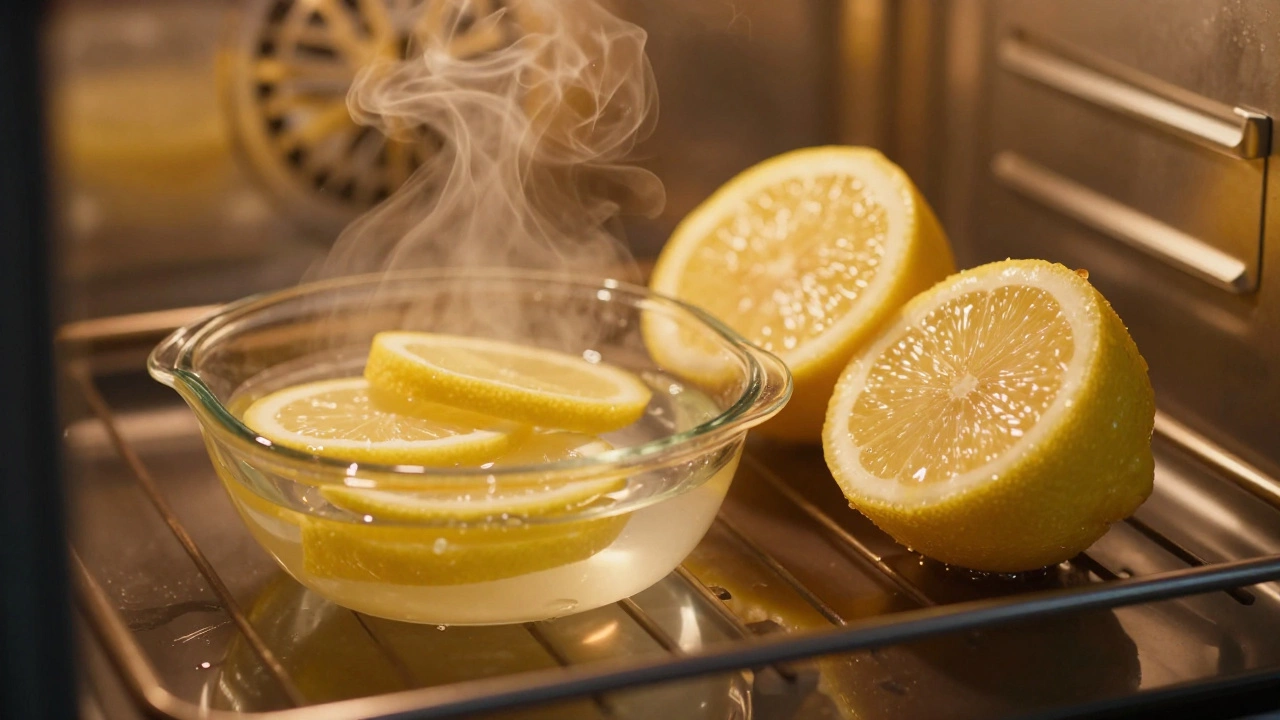
Cut two lemons in half and squeeze the juice directly onto the greasy areas. For the bottom of the oven, fill a small oven-safe dish with water and lemon slices. Put the dish in the oven and heat it to about 250°F (120°C) for 30 minutes. The steam carries the citric acid into every crevice, loosening the gunk. Once the oven cools slightly, wipe the surfaces down. It's a great way to clean oven without baking soda while leaving your kitchen smelling like a summer morning.
Commercial Degreasers and Oven Cleaners
Sometimes, natural methods just aren't enough, especially if you've had a spill that's been baked on for six months. In these cases, a Oven Degreaser is the most efficient choice. These are typically alkaline-based chemical cleaners that use sodium hydroxide or potassium hydroxide to dissolve grease.
When using these, remember that they are caustic. Always wear rubber gloves and avoid breathing in the fumes. Spray the cleaner on the interior surfaces, avoiding the heating elements. Let it sit for the time recommended on the bottle-usually 15 to 30 minutes. The chemical reaction turns the grease into a soap-like substance that wipes away easily. If you have a self-cleaning oven, check your manual before using chemicals, as some coatings can be damaged by strong alkaline cleaners.
Cleaning the Racks and the Glass Door
You shouldn't leave your oven racks in while cleaning the interior. Instead, take them to the sink. A simple mixture of Dish Soap and hot water is usually enough. If they're really bad, soak them in a tub of hot water with a squirt of grease-cutting soap for two hours. Use a scouring pad to scrub the bars clean.
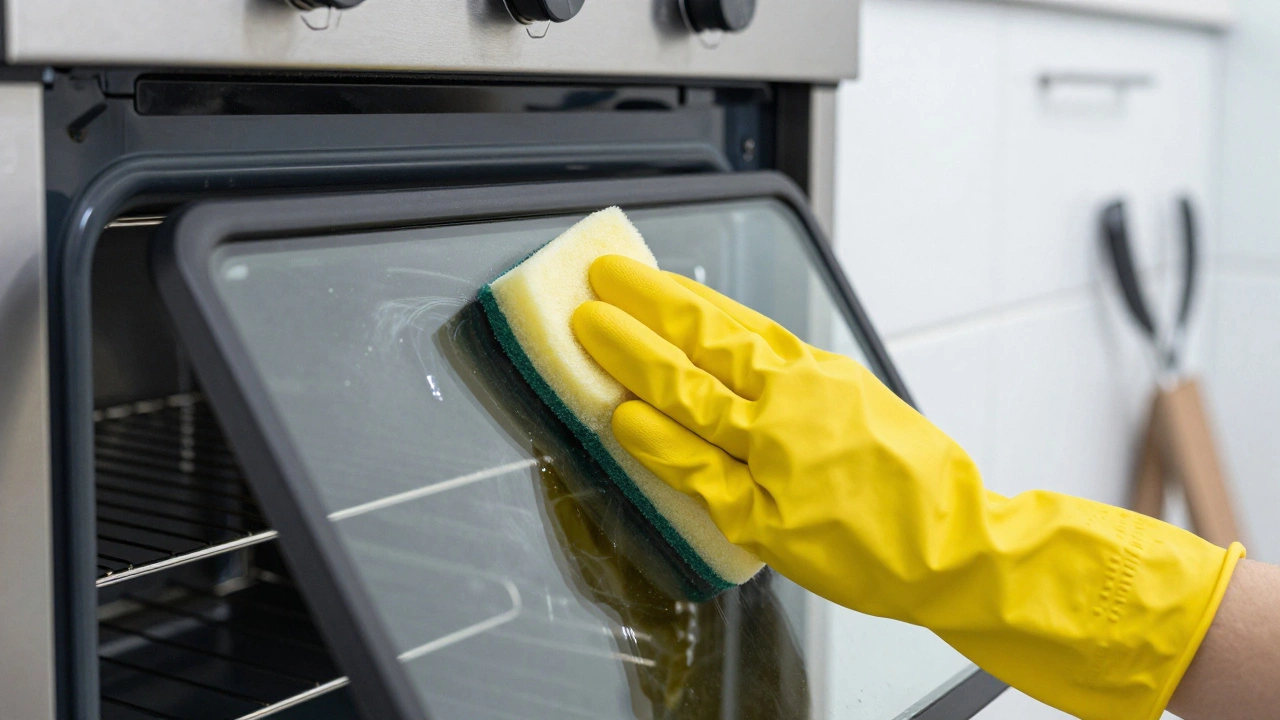
For the glass door, avoid using abrasive steel wool, as it can scratch the surface. Use a mixture of vinegar and a drop of dish soap. Use a soft sponge to rub in circular motions. If there's a layer of burnt-on grease on the glass, you can use a razor blade scraper-just hold it at a 45-degree angle to gently lift the debris without gouging the glass.
| Method | Best For | Effort Level | Scent | Risk |
|---|---|---|---|---|
| White Vinegar | Light grime / odors | Low | Acetic/Sharp | Low |
| Ammonia | Heavy carbon buildup | Medium | Very Strong | High (Fumes) |
| Lemon Juice | Organic grease | Low | Fresh/Citrus | Low |
| Commercial Degreaser | Extreme messes | Low | Chemical | Medium (Skin irritant) |
Avoiding Future Messes
Once your oven is clean, the goal is to keep it that way. One of the best tricks is using an oven liner. These are non-stick sheets that sit at the bottom of the oven and catch drips. When they get dirty, you just slide them out and rinse them in the sink.
Also, get into the habit of wiping up spills immediately after the oven cools down. If you wait until the next time you bake, that spill will be carbonized, making it ten times harder to remove. A quick spray of vinegar and a wipe once a week prevents the need for the "big clean" that we all dread.
Can I use vinegar on all types of ovens?
Generally, yes. White vinegar is safe for most enamel and stainless steel oven interiors. However, if you have a specialized non-stick coating or a very old model, it's always a good idea to test a small, hidden area first to ensure there's no discoloration.
Is ammonia safe to use inside a house?
Ammonia is safe if used correctly, but the fumes are very powerful and can irritate your lungs and eyes. You must keep the area well-ventilated by opening windows and using fans. Never mix ammonia with bleach, as this creates toxic chloramine gas.
How often should I deep clean my oven?
For most households, a deep clean every 3 to 6 months is sufficient. If you bake frequently or have a tendency for food to boil over, you might want to do it more often. Regular weekly maintenance wipes keep the grime from building up.
Why shouldn't I use steel wool on the oven glass?
Steel wool is too abrasive for glass. It can leave permanent micro-scratches on the surface. Over time, these scratches make the glass look cloudy and can actually make it easier for grease to stick to the surface in the future.
Does the "Self-Clean" function actually work?
The self-clean cycle uses extreme heat to burn food into ash. While it works, it can be hard on your oven's heating elements and can sometimes produce unpleasant smoke. Using a manual method like vinegar or a degreaser is often gentler on the appliance.
Next Steps and Troubleshooting
If you've tried these methods and still see brown stains, you might be dealing with polymerized grease-grease that has chemically bonded to the metal through repeated heating. In this case, a professional-grade alkaline cleaner is your only real option. Apply it and let it sit for a full 24 hours, covering the oven with a plastic sheet to keep the fumes from evaporating.
For those with sensitive skin, always remember to use gloves. Even "natural" cleaners like lemon juice can irritate small cuts or dry skin. If you find that vinegar smells too strong, you can add a few drops of essential oil to your spray bottle to mask the scent without affecting the cleaning power.