Couch Cleaning Solution Finder
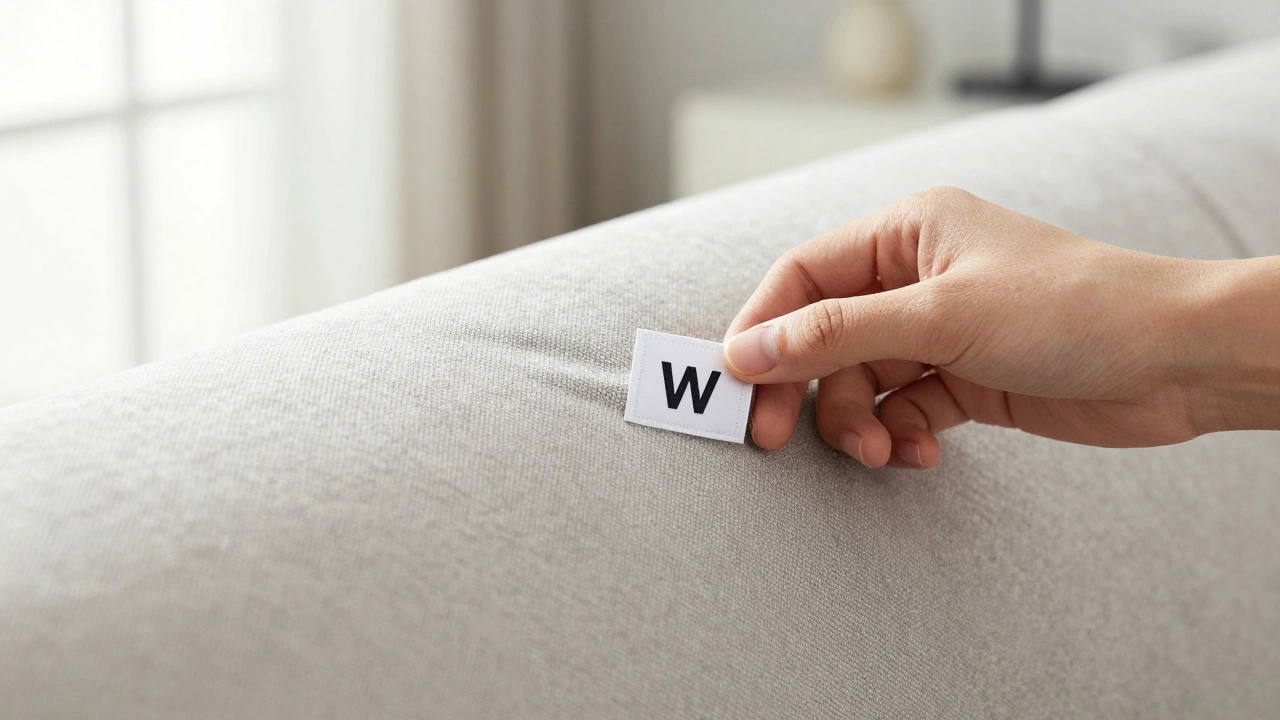
Check your sofa's care label (usually found under the cushions) and select the code you see below to get your customized cleaning plan.
Select a Code
...
...
Pro Tip:
...
Click a fabric code above to see the safe cleaning instructions.
Before you touch a drop of water, you have to understand that every couch has a personality. Some can handle a scrub, while others will ruin the moment they get wet. If you ignore the care labels, you might end up with permanent water rings or, worse, shredded fabric. The goal here is to lift the grime without soaking the internal foam, which is where mold loves to hide.
Quick Summary for Busy Homeowners
- Check the cleaning code (W, S, or WS) before starting.
- Always vacuum thoroughly to remove loose debris.
- Test any cleaning solution on a hidden spot first.
- Use a blotting motion rather than rubbing to prevent stains from spreading.
- Dry the fabric quickly using fans or open windows to avoid mildew.
Reading the Secret Code: Know Your Fabric
Flip your cushions and look for the white tag. You'll see a single letter that tells you exactly what to do. If you ignore this, you're gambling with your furniture.
Upholstery Cleaning Codes is a standardized labeling system used by manufacturers to indicate the safe cleaning method for furniture fabrics.
- W: This means you can use water-based cleaners. It's the easiest to handle since you can use mild soap and water.
- S: This stands for Solvent. Water is the enemy here. You need a dry-cleaning solvent or a specialized upholstery cleaner that doesn't contain water.
- WS: You have options. Both water-based and solvent-based cleaners are safe.
- X: Vacuum only. If you put liquid on an 'X' fabric, you'll likely leave a permanent mark. Call a professional for these.
The Pre-Clean Ritual: Vacuuming and Dusting
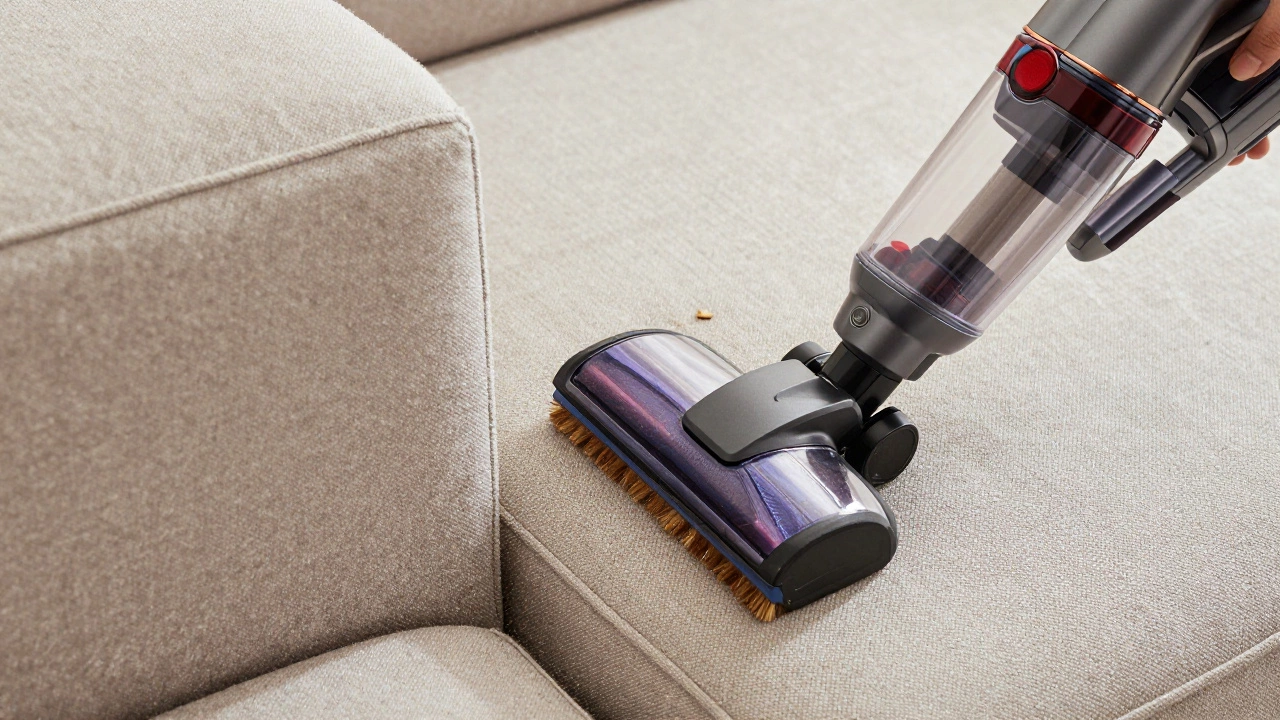
It sounds boring, but skipping the vacuum is the biggest mistake people make. If you apply a liquid cleaner to a dusty couch, you aren't cleaning it-you're creating a mud paste that pushes dirt deeper into the fibers. Use the brush attachment to get into the crevices where crumbs and pet hair congregate.
Focus on the "crumb zones"-the gaps between the armrests and the seat cushions. If you have a handheld vacuum, use that for the corners. Once the loose debris is gone, you're working with a clean canvas, which makes the actual how to clean a couch by hand process much faster.
How to Clean a Water-Based (W) Couch
For those lucky enough to have a 'W' coded sofa, the process is straightforward. You don't need fancy chemicals; a few household staples will do the trick.
- Mix your solution: Fill a bowl with warm water and add a few drops of a gentle dish soap (like Dawn or Fairy). Avoid using bleach or harsh detergents, as these can strip the color from the fabric.
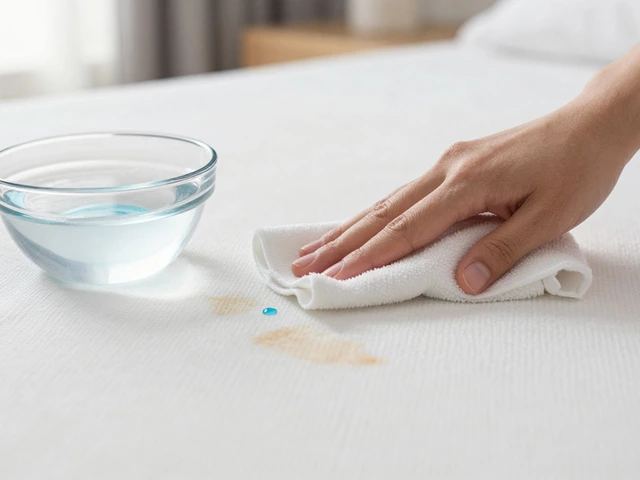
- The Cloth Method: Dip a microfiber cloth into the suds. Wring it out until it's just damp-not dripping. Over-wetting the fabric can lead to "water spotting" and can damage the internal padding.
- Gentle Agitation: Work in small sections. Gently rub the fabric in a circular motion. If you hit a stubborn spot, don't scrub violently; instead, use a soft-bristled brush to lift the dirt.
- Rinse and Blot: Use a second cloth dampened with plain water to "rinse" the soap away. Then, use a clean, dry towel to blot the area firmly.
| Fabric Code | Recommended Solution | Avoid Using | Risk Level |
|---|---|---|---|
| W | Mild Soap + Warm Water | Bleach, Ammonia | Low |
| S | Dry Cleaning Solvent | Water, Steam | High |
| WS | Either Soap or Solvent | Harsh Abrasives | Medium |
| X | Vacuum Only | Any Liquid | Very High |
Tackling Solvent-Based (S) Fabrics
When you see that 'S' code, put the water bucket away. Solvent-based fabrics, often found in high-end silks or certain synthetics, react poorly to water. If you use water, the fabric might shrink or leave a ring that never goes away.
You'll need a Dry Cleaning Solvent is a chemical agent used to remove stains from fabrics that cannot be washed with water, often found in specialized upholstery sprays. . Apply the solvent to a clean white cloth first, not directly onto the sofa. This prevents the chemical from soaking too deep into the cushion.
Dab the stain from the outside edge toward the center. This prevents the spot from growing larger. Because solvents evaporate quickly, you don't have to worry about drying time as much as you do with water, but you should still keep the room well-ventilated to avoid inhaling fumes.
Fighting Specific Stains: Pro Tips
Not all dirt is created equal. A grease stain from a pizza slice requires a different approach than a muddy paw print from a rainy walk.
- Grease and Oil: Sprinkle a bit of baking soda or cornstarch on the spot. Let it sit for 15 minutes to soak up the oil, then vacuum it away. If a mark remains, use a tiny bit of dish soap, which is designed to break down grease.
- Water-Based Stains (Coffee, Juice): Blot immediately with a dry cloth. Use a mixture of one part white vinegar and two parts water to lift the pigment. The acid in the vinegar helps break the bond between the stain and the fiber.
- Ink: This is the toughest. Use a cotton swab dipped in rubbing alcohol (isopropyl alcohol). Dab carefully; do not rub, or you'll spread the ink across the cushion.
- Pet Odors: An enzyme cleaner is your best friend here. These cleaners break down the organic proteins in urine or saliva that cause the smell.

The Drying Phase: Avoiding the Musty Smell
The biggest mistake people make is thinking they are done once the fabric looks clean. If the interior foam stays damp for more than 24 hours, you're inviting mildew into your living room. That damp, musty smell is nearly impossible to get rid of without a professional deep clean.
To speed up the process, open your windows to get a cross-breeze. If you have a floor fan, point it directly at the wet areas. Avoid using a hairdryer on a high heat setting, as this can actually "cook" certain synthetic fibers or cause them to shrink.
Maintenance Habits to Keep it Fresh
Cleaning by hand is a lot of work. To avoid doing it every few months, implement a few simple habits. Throw a washable throw blanket over the areas where you usually sit. It's much easier to toss a blanket in the washing machine than to scrub a whole couch.
Rotate your cushions every few weeks. This ensures that the wear and tear are distributed evenly across the piece of furniture. Also, make it a habit to vacuum your sofa once a week. Removing the grit and dust prevents those particles from acting like sandpaper on the fabric fibers, which extends the life of your upholstery.
Can I use a vinegar and water solution on any couch?
No. Vinegar is acidic and can damage certain fabrics, especially those with a 'S' code or delicate silks. It is generally safe for 'W' and 'WS' fabrics, but you must always test it on a small, hidden area first to ensure it doesn't bleach the color.
What happens if I use water on an 'S' coded fabric?
Water can cause the fabric to shrink or create permanent water spots (rings). Solvent-based fabrics are designed to repel water, so the liquid often sits on top or creates a distorted pattern in the weave that cannot be removed.
How often should I deep clean my couch by hand?
For most homes, a thorough hand cleaning every 6 to 12 months is sufficient. However, if you have pets, small children, or eat on the sofa frequently, you might want to do a spot-clean every month and a full clean every quarter.
Is baking soda safe for all upholstery?
Yes, baking soda is generally safe for most fabrics as a dry deodorizer. Sprinkle it on, let it sit for 20 minutes, and vacuum it up. It's great for absorbing odors without introducing moisture.
How do I tell if my couch is too wet?
If you press a dry paper towel into the fabric and it comes away saturated or damp after 10 minutes of air drying, you've used too much liquid. Use a dry towel to blot as much moisture as possible and increase the airflow with a fan.
Troubleshooting and Next Steps
If you've followed these steps and the stain is still there, don't keep scrubbing. Over-scrubbing can fray the fabric, creating a "fuzzy" patch that looks worse than the stain. At this point, you have two choices: try a specialized commercial upholstery cleaner designed for your specific fabric type, or admit defeat and call a professional.
For those dealing with heavy pet urine smells, a simple hand clean might not be enough. You may need to use an enzyme-based soak. Apply the enzyme cleaner, let it sit for the recommended time (usually 10-15 minutes), and then extract the liquid using a wet-dry vacuum if you have one.