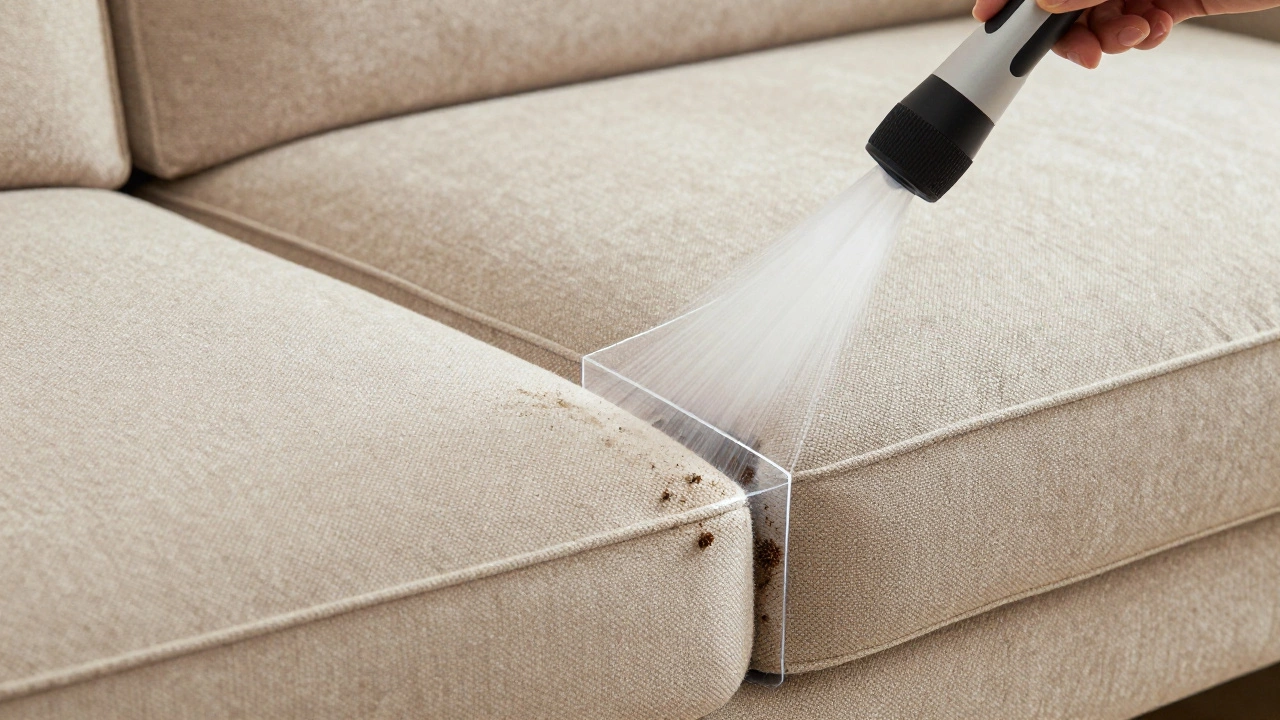
Steam Cleaning Extraction Simulator
Click each stage to see how dirt travels from your couch fibers into the recovery tank.
Stage 1: Loosening
Hot water injection & agitationStage 2: Suspension
Dirt mixes with cleaning solutionStage 3: Extraction
Vacuum suction removes mixtureStage 4: Collection
Debris stored in recovery tankCurrent Stage Details
Breaking Bonds
Hot water penetrates the weave of the upholstery. The heat breaks down the bonds holding dirt particles to the fabric fibers.
- • Temperature: 180°F+ (82°C+)
- • Action: Heat + Agitation
- • Result: Dirt becomes dislodged
Creating Slurry
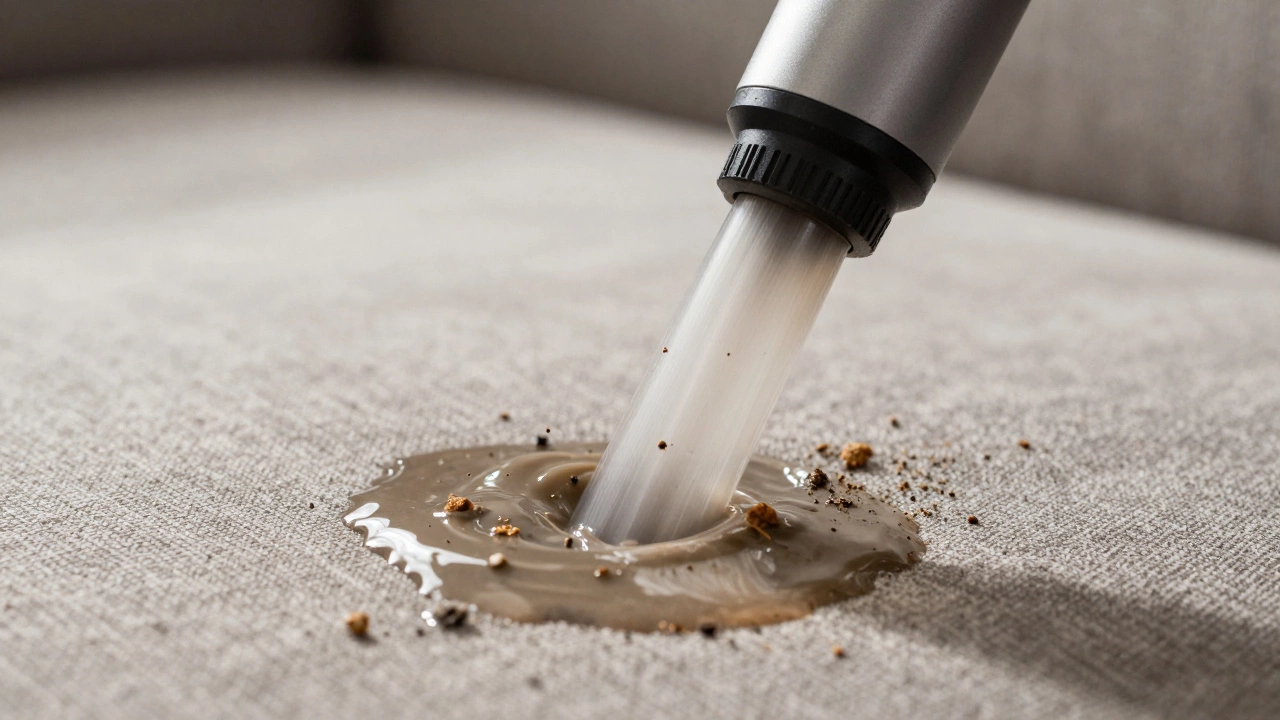
The dirt mixes with the dirty water and cleaning agents. It no longer sticks to the couch; it floats in the liquid suspension.
- • Components: Skin cells, pet dander, dust
- • State: Suspended in liquid
- • Risk: Can redeposit if not extracted
Negative Pressure
The vacuum nozzle creates negative pressure. This suction force grabs the water-dirt mixture and pulls it out of the fabric.
- • Force: Powerful vacuum pump
- • Efficiency: Up to 95% water removal
- • Key: Slow passes for maximum suction
Final Destination
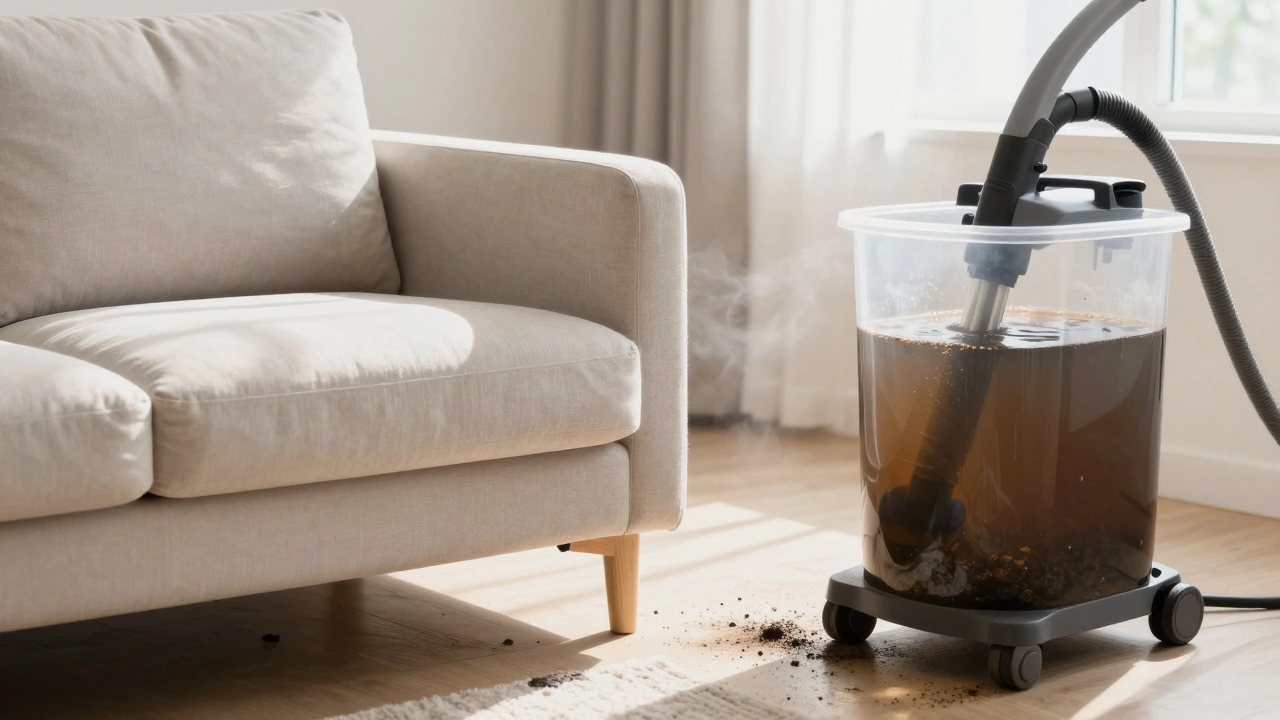
The mixture travels through a hose, passing filters, before landing in the recovery tank. This is where the "history" of your living room ends up.
- • Appearance: Brown/gray/black water
- • Contents: All extracted contaminants
- • Action: Empty immediately after use
You press the trigger on your steam cleaner, watching a cloud of hot vapor hiss onto your favorite sofa. It feels magical. The grime seems to vanish into thin air. But if you’ve ever wondered where that dirt actually goes, you aren’t alone. It doesn’t disappear. It doesn’t evaporate. And it certainly doesn’t stay in the fabric forever.
The short answer is simple: the dirt gets sucked back up into a tank inside the machine. But the process behind that suction is what separates a true deep clean from a surface-level wipe. If you don’t understand how extraction works, you might be leaving your couch damp, sticky, and prone to mold growth. Let’s break down exactly what happens to the dirt, moisture, and debris when you steam clean upholstery.
How Steam Cleaning Actually Removes Dirt
First, we need to clear up a common misconception. Most machines sold as "steam cleaners" for homes are actually hot water extractors. They don’t just blast dry steam like an iron. They mix hot water with a small amount of cleaning solution and inject it deep into the fibers of your couch.
This injection serves two purposes. First, the heat breaks down the bonds holding dirt particles to the fabric. Second, the cleaning agent lifts oils and stains. Once the dirt is loosened, the machine switches gears. This is where the magic happens. Immediately after injecting the solution, the machine activates a powerful vacuum pump.
This vacuum creates negative pressure. Think of it like drinking a thick milkshake through a very narrow straw. The suction pulls the dirty water, along with the suspended dirt, dust, and allergens, out of the fabric and into the recovery tank. If your machine lacks this extraction capability, you’re not cleaning; you’re just soaking your furniture.
The Journey of the Dirt: From Fiber to Tank
To visualize where the dirt goes, imagine the life cycle of a single speck of dust during the cleaning process:
- Loosening: The hot water penetrates the weave of the upholstery. Agitation (either from a brush attachment or your own scrubbing) dislodges the particle from the fiber.
- Suspension: The dirt mixes with the dirty water. It no longer sticks to the couch; it floats in the liquid.
- Extraction: The vacuum nozzle hovers over the spot. The suction force grabs the water-dirt mixture.
- Collection: The mixture travels through a hose, often passing through a filter or cyclone separator, before landing in the recovery tank.
If you look at the water in the tank after cleaning a couch that hasn’t been cleaned in years, you’ll see why this step matters. The water will be brown, gray, or even black. That color is literally the history of your living room-skin cells, pet dander, food crumbs, and street dust-all trapped in that container.
Why Extraction Is More Important Than Heat
Many people think the temperature of the water is the most critical factor. While heat does help sanitize and break down grease, extraction efficiency is what determines the quality of the clean. Here’s why:
- Residue Prevention: If you leave cleaning solution in the fabric, it acts like a magnet for new dirt. Within days, your couch will look dirty again because the residue attracts dust.
- Mold Risk: Upholstery takes time to dry. If too much water remains in the foam padding underneath the fabric, it can lead to mildew smells and structural damage to the cushion.
- Allergen Removal: Dust mites and their waste products are heavy. They won’t fly away with steam. They must be physically removed via suction.
A professional-grade extractor can remove up to 95% of the injected water. A cheap consumer model might only remove 60-70%. That difference means the pro-cleaned couch dries in hours, while the DIY-cleaned couch might stay damp for a day or more.
What Happens If Your Machine Doesn’t Extract Well?
If you use a handheld steamer that only emits vapor without suction, the dirt doesn’t go anywhere useful. It gets pushed deeper into the fabric or sits on the surface, mixed with soap scum. As the water evaporates, the dirt stays behind. This is why some people report that their couches smell worse after "steaming" them. The moisture has activated bacteria and mold spores that were dormant in the dry fabric.
For best results, always choose a machine labeled as a "hot water extractor" or "upholstery cleaner." Look for features like dual tanks (one for clean water, one for dirty) to ensure you never suck up the cleaning solution you just sprayed.
Maintenance: Keeping the Path Clear
Since all that dirt ends up in your machine, maintenance is crucial. If the hoses or filters get clogged, suction power drops. Without strong suction, extraction fails. Here’s how to keep the system running smoothly:
- Empty After Every Use: Never let dirty water sit in the tank. Bacteria grow rapidly in warm, stagnant water. Rinse the tank thoroughly after each job.
- Clean the Filters: Most extractors have a foam or mesh filter near the motor. Wash these monthly with warm soapy water. A clogged filter reduces airflow by up to 50%.
- Check Hoses for Blockages: Large debris like hair or lint can get stuck in the wand or hose. Run a wet/dry shop vac through the hose occasionally to clear obstructions.
Ignoring these steps leads to odors coming from the machine itself. You don’t want your couch smelling like last week’s pizza because your cleaner wasn’t rinsed properly.
Pro Tips for Maximum Dirt Removal
Even with the best machine, technique matters. Follow these steps to ensure the dirt actually leaves the couch:
- Vacuum First: Always dry vacuum the couch before applying any moisture. This removes loose soil that could turn into mud and clog the extractor nozzle.
- Work in Sections: Don’t spray the entire couch at once. Focus on one cushion or armrest at a time. This ensures you extract the water before it soaks into the base.
- Slow Passes: Move the nozzle slowly. Fast passes don’t give the vacuum enough time to pull the water out. Aim for three slow passes per section: one forward, one backward, and one diagonal.
- Blot, Don’t Rub: For stubborn stains, blot with a microfiber cloth after extraction. Rubbing can damage the fabric pile.
These small adjustments make a huge difference in how dry and clean your furniture feels afterward.
Does steam cleaning kill bed bugs on a couch?
Steam cleaning can kill bed bugs, but only if the steam reaches temperatures above 130°F (54°C) directly on the insects. Most home steam cleaners do not maintain this temperature consistently. Additionally, steam does not remove eggs hidden deep in seams. For infestations, consult a pest control professional rather than relying solely on cleaning.
How long does it take for a couch to dry after steam cleaning?
Drying time depends on humidity, airflow, and extraction efficiency. With good extraction and fans running, most couches dry within 4 to 8 hours. Poor extraction or high humidity can extend this to 24 hours. Never place cushions back until they are completely dry to prevent mold.
Can I use vinegar instead of commercial cleaner in my steam cleaner?
Yes, diluted white vinegar is safe for many fabrics and helps neutralize odors. However, avoid using it on silk, wool, or leather unless the manufacturer approves. Vinegar does not provide the same surfactant action as enzymatic cleaners, so it may not lift oily stains as effectively.
Why does my couch smell bad after steam cleaning?
A bad smell usually indicates incomplete drying or residual bacteria. If the water wasn’t fully extracted, moisture trapped in the foam padding breeds mildew. Ensure you rinse the machine tank thoroughly and consider adding a disinfectant approved for upholstery to kill odor-causing microbes.
Is it better to hire a professional or rent a machine?
Professionals use truck-mounted extractors with significantly higher suction power and hotter water than consumer rentals. They also know which chemicals are safe for specific fabrics. Renting is cost-effective for light maintenance, but professionals are better for deep stains, large sofas, or delicate materials like velvet.