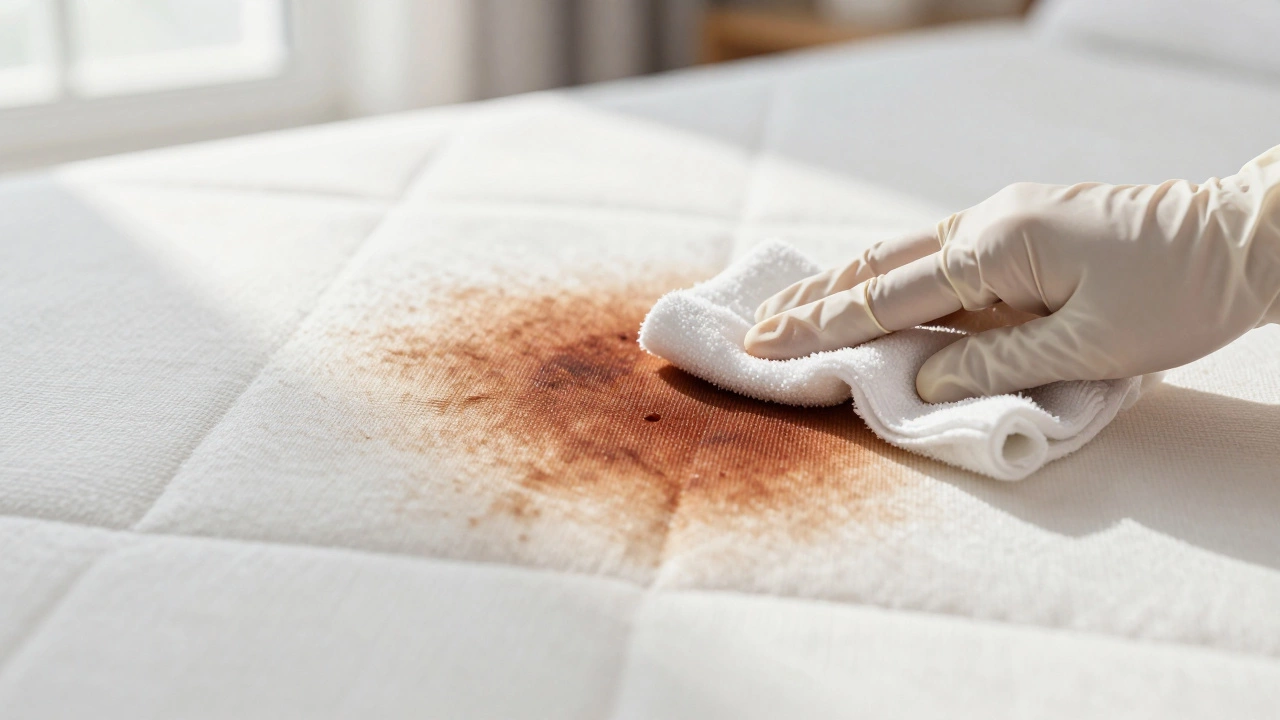
Mattress Stain Removal Protocol
Ready to Clean?
Select a stain type and condition above to generate your step-by-step removal protocol.
There is nothing quite as jarring as lifting the duvet in the morning and seeing a dark, spreading blotch on your white sheets-or worse, right on the mattress itself. Whether it’s an old spill you ignored, a sudden accident during the night, or years of sweat and skin cells building up into a grimy crust, a badly stained mattress feels like a lost cause. But here is the good news: you don’t need to throw it away. You can save your bed.
Cleaning a heavily soiled mattress isn't just about aesthetics; it's about health. A dirty mattress traps dust mites, bacteria, and allergens that can trigger asthma and allergies. By tackling these stains head-on, you are essentially resetting the hygiene of your sleeping environment. This guide will walk you through exactly how to break down tough stains without ruining your mattress structure.
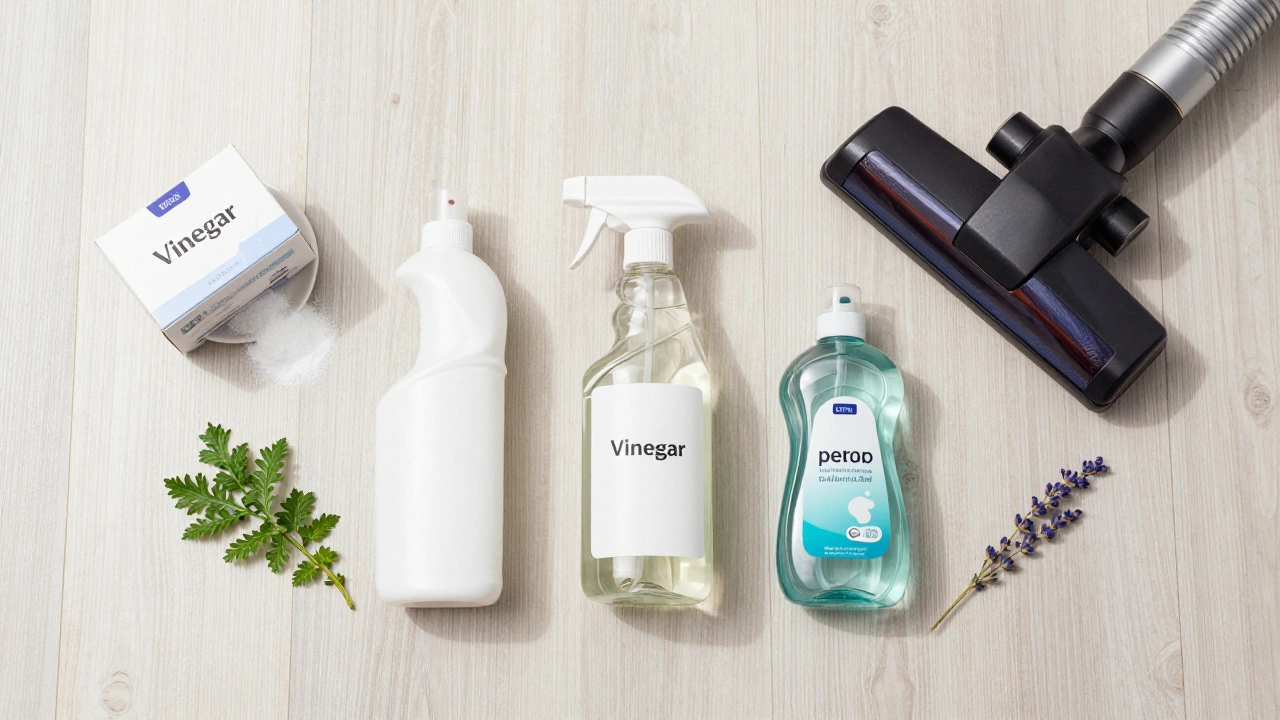
Gather Your Supplies Before You Start
You cannot fight a bad stain with weak tools. If you reach for a random spray bottle from under the sink, you might make things worse. For a serious cleaning job, you need specific items that tackle different types of grime. Keep these within arm's reach before you strip the bed.
- Baking soda: This is your best friend for absorbing moisture and neutralizing odors. It acts as a gentle abrasive for surface dirt.
- White vinegar: A natural disinfectant that breaks down alkaline residues (like urine) and kills mold spores.
- Hydrogen peroxide (3% solution):strong>: Essential for oxidizing organic stains like blood or wine. Do not use higher concentrations as they can bleach fabrics.
- Dish soap: Look for a clear, grease-cutting formula. Blue or green gels often contain dyes that can leave their own stains.
- Enzyme cleaner: If the stain is biological (urine, vomit, pet accidents), standard cleaners won't work. Enzymes eat the protein bonds holding the stain together.
- Cold water: Hot water sets protein stains. Always start cold.
- Clean white cloths or paper towels: White ensures no color transfer onto your mattress.
- A vacuum cleaner with an upholstery attachment: Crucial for removing dried debris before wetting the fabric.
| Item | Purpose | Why It Works |
|---|---|---|
| Baking Soda | Absorbent & Deodorizer | Pulls moisture out of fibers and neutralizes acidic odors. |
| White Vinegar | Disinfectant & Solvent | Breaks down mineral deposits and kills bacteria without harsh chemicals. |
| Hydrogen Peroxide | Bleach Alternative | Oxidizes organic matter, turning dark stains invisible. |
| Enzyme Cleaner | Biological Breaker | Digests proteins in urine and blood rather than just masking them. |
The Golden Rules of Mattress Cleaning
Before you apply any liquid, you must understand the physics of a mattress. Most modern mattresses-whether memory foam, hybrid, or innerspring-are designed to breathe, but they are also sponges. If you soak them, you invite mold growth deep inside the core, which is impossible to fix. Here are the non-negotiable rules.
- Blot, never rub. Rubbing pushes the stain deeper into the foam layers. Blotting lifts it out.
- Test first. Apply your cleaning solution to a hidden corner (like the edge or underside) to ensure it doesn't discolor the fabric.
- Use minimal moisture. Dampen your cloth; do not soak it. The mattress should feel slightly damp, not wet.
- Air dry completely. Never put sheets back on a damp mattress. Mold can begin growing in as little as 24 hours in humid conditions.
Step-by-Step: Removing Tough Stains
Different stains require different chemical approaches. Using the wrong method can set the stain permanently. Here is how to handle the most common culprits.
Blood Stains
Blood is a protein-based stain. Heat coagulates protein, making it stick permanently to fibers. That is why hot water is your enemy here. If the stain is fresh, rinse it immediately with cold water. If it is old and dried, you need to rehydrate it gently.
Mix one tablespoon of salt with enough cold water to form a paste. Apply this to the stain and let it sit for 10 minutes. The salt helps draw the blood out of the fabric. Blot with a cold, damp cloth. If the stain persists, switch to hydrogen peroxide. Spray a small amount directly on the spot, let it bubble for a minute, then blot again. Repeat until the redness fades.
Urine and Bodily Fluids
This is the trickiest category because it involves both visible staining and lingering odor. Standard detergents mask the smell but leave the uric acid crystals behind, which reactivate when humid. You need an enzyme cleaner.
First, blot up as much liquid as possible. Then, saturate the area with an enzymatic cleaner specifically designed for pet or human waste. Let it sit for at least 15 minutes-the enzymes need time to digest the proteins. Afterward, blot with a clean cloth. To neutralize any remaining odor, sprinkle baking soda over the area and let it sit for several hours or overnight before vacuuming.
Sweat and Body Oil Stains
If your mattress has yellowed patches near the head or shoulders, that is body oil and dead skin cells breaking down the fabric over time. This is not a single incident but a buildup. Vinegar is effective here because it cuts through grease.
Mix equal parts white vinegar and water in a spray bottle. Lightly mist the stained area. Do not soak it. Use a clean white cloth to blot the area, working from the outside of the stain toward the center to prevent spreading. Follow this with a baking soda treatment to absorb the residual oils and moisture.
Wine, Coffee, or Food Spills
These are tannin or pigment-based stains. Act fast. Blot immediately with a dry cloth. Then, mix a solution of one teaspoon of dish soap with one cup of cold water. Apply this soapy solution to the stain and blot. Rinse by dabbing with a cloth dipped in plain cold water. If the color remains, try a mixture of hydrogen peroxide and dish soap (a 2:1 ratio). Test this on a hidden area first, as it has mild bleaching properties.
The Deep Clean: Reviving the Whole Mattress
Once individual stains are addressed, your mattress likely still holds trapped dust and general grime. A full deep clean refreshes the entire surface.
Start by stripping the bed and vacuuming the mattress thoroughly. Use the upholstery attachment and go slowly. Vacuum every inch, including the seams and edges where dust bunnies hide. Pay special attention to the crevices between the mattress and the box spring if applicable.
Next, create a deodorizing layer. Sprinkle a generous amount of baking soda over the entire surface of the mattress. For extra freshness, you can add a few drops of essential oil like lavender or tea tree oil to the baking soda before sprinkling. Tea tree oil also has antifungal properties.
Let the baking soda sit for at least three hours. Ideally, leave it overnight. The longer it sits, the more odors and moisture it pulls from the deep layers of the mattress. Finally, vacuum everything up. You should notice a significant difference in the texture and smell of the mattress.
Drying and Prevention
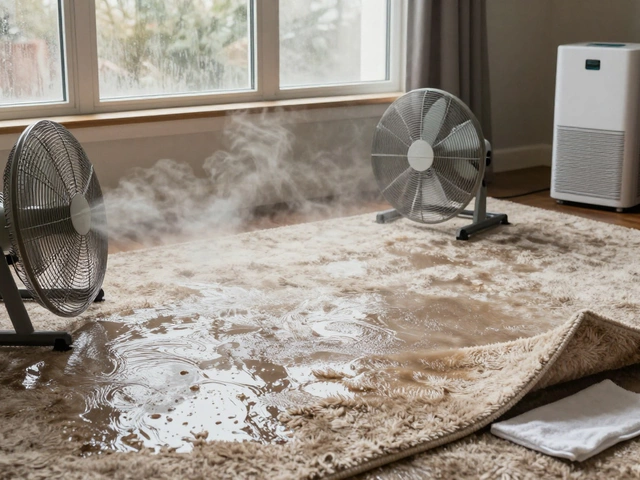
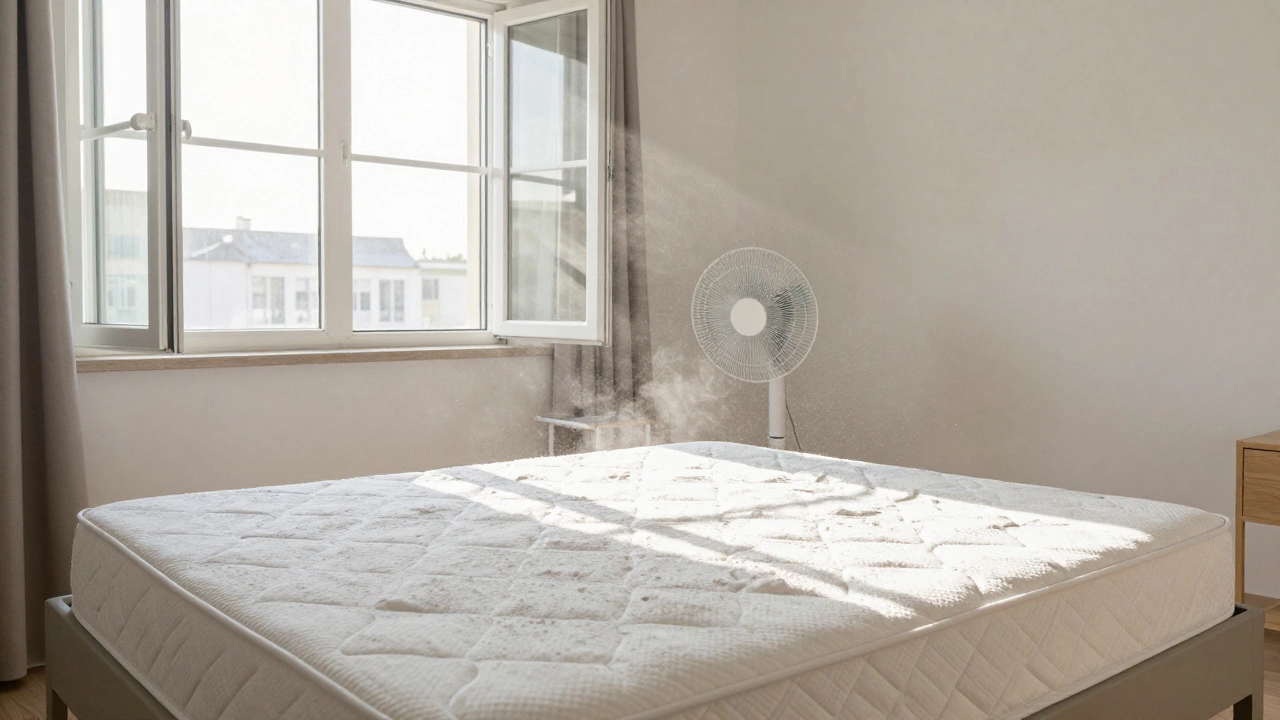
The drying phase is critical. If you live in a humid climate like Manchester, UK, air drying can take longer. Open all windows to create cross-ventilation. Place a fan pointing directly at the mattress to accelerate evaporation. If you have a sunlight-safe mattress (check the manufacturer's label), placing it in direct sun for a few hours can kill bacteria and speed up drying, but avoid prolonged exposure as UV rays can degrade foam.
To prevent future disasters, invest in a waterproof, breathable mattress protector. These are inexpensive compared to a new mattress and act as a shield against spills, sweat, and dust mites. Wash the protector monthly in hot water to keep it effective.
When to Call a Professional
While DIY methods work for most household stains, some situations require professional intervention. If you have a large-scale biohazard situation, extensive mold growth, or a mattress made of delicate materials like silk or wool, hire a specialist. Professionals use truck-mounted extraction units that provide powerful suction and heat, ensuring the mattress dries faster and deeper than home methods allow.
Can I use bleach to clean my mattress?
No, you should never use chlorine bleach on a mattress. It can weaken the fabric fibers, cause discoloration, and release harmful fumes that are difficult to ventilate from a porous material. Hydrogen peroxide is a safer alternative for whitening stains.
How long does it take for a mattress to dry after cleaning?
It typically takes 6 to 12 hours for a mattress to dry completely, depending on humidity and airflow. In high-humidity environments, it may take up to 24 hours. Ensure the mattress is fully dry before replacing sheets to prevent mold growth.
Will steam cleaning damage my mattress?
Steam cleaning can be risky for home users. While high heat kills bacteria, the moisture injection can seep deep into the core, leading to mold if not dried properly. Only use a handheld steamer with low moisture output and follow up with vigorous drying.
Can I wash a mattress protector in the washing machine?
Yes, most mattress protectors are machine washable. Check the care label for temperature instructions. Washing in hot water (60°C or higher) is recommended to kill dust mites and bacteria. Tumble dry on low heat or air dry.
How often should I deep clean my mattress?
You should vacuum and spot-clean your mattress every month. A full deep clean with baking soda and vinegar should be done every six months. If you have allergies or pets, consider deep cleaning quarterly.