Upholstery Stain Treatment Advisor
Step 1: Identify Your Fabric Code
Check the care label on your furniture (usually under cushions or on the underside).
Water-Based S
Solvent Only SW
Both Safe X
Vacuum Only
Step 2: Select the Stain Type
Choose the type of stain you're dealing with:
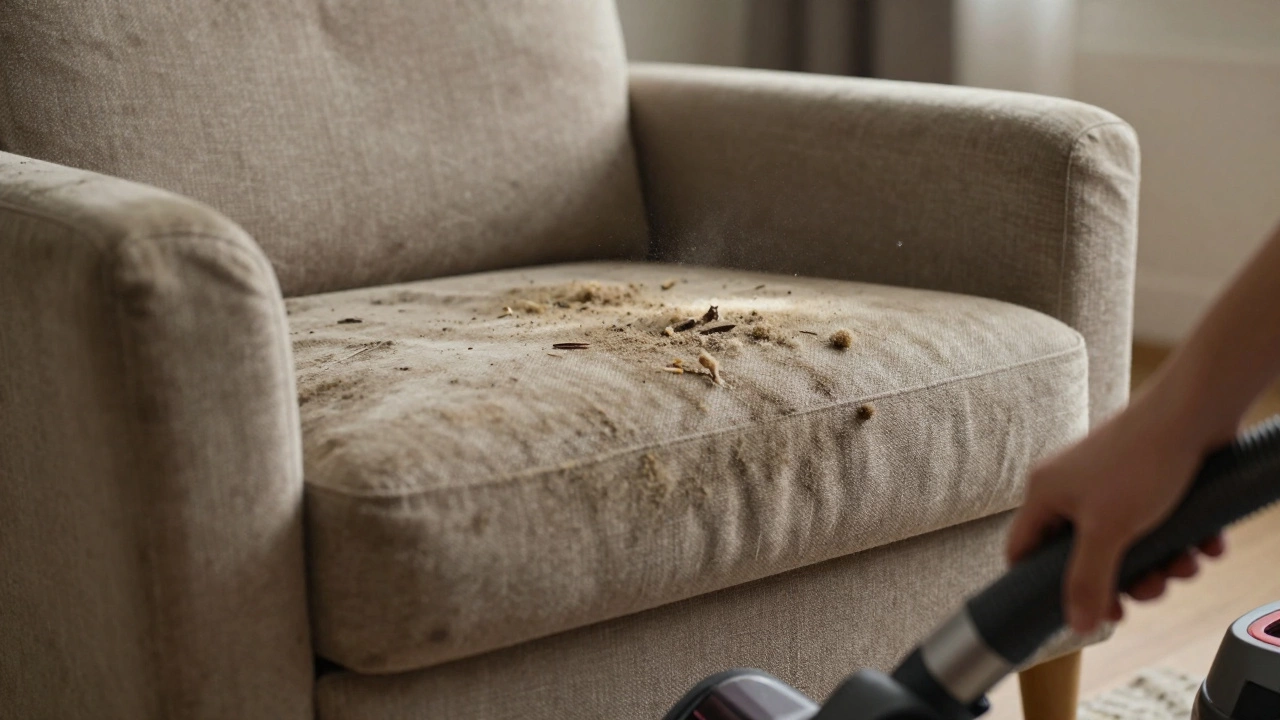
There is nothing quite as disheartening as looking down at your favorite armchair or sofa and realizing it has become a magnet for dirt, spills, and general grime. You bought that piece of furniture to add style and comfort to your living room, but now it looks like it belongs in a thrift shop’s clearance bin. The good news? You don’t need to throw it away. With the right approach, you can bring that filthy upholstery back to life without spending a fortune on professional services.
Cleaning upholstery isn’t just about spraying some cleaner and wiping it off. Different fabrics react differently to moisture and chemicals. Using the wrong method can set stains permanently or even shrink your fabric. This guide will walk you through exactly how to assess your fabric, choose the right cleaning agents, and tackle those stubborn, ingrained messes safely.
Check the Fabric Code First
Before you grab a sponge or a vacuum, you need to know what you are dealing with. Every piece of upholstered furniture should have a care label, usually hidden under a cushion or on the underside of the frame. This label contains a code that tells you how to clean it safely. Ignoring this step is the fastest way to ruin your furniture.
- Code W: This stands for Water-based cleaners. You can use mild soap and water or most standard upholstery sprays. This is the easiest type to clean.
- Code S: This means Solvent-only. Do not use water. Water will cause spotting or shrinking. You must use a dry-cleaning solvent or a specific foam cleaner designed for 'S' codes.
- Code SW: This is flexible. You can use either water-based or solvent-based cleaners, but avoid bleach.
- Code X: Vacuum only. No liquids, no solvents. If this is your code, spot cleaning with a dry brush is your best bet, but heavy stains might require a professional.
If you cannot find the tag, perform a patch test. Pick a small, inconspicuous area, like the back corner near the floor. Apply your chosen cleaner there and wait ten minutes. If the color bleeds or the texture changes, stop immediately and switch methods.
Gather Your Tools and Supplies
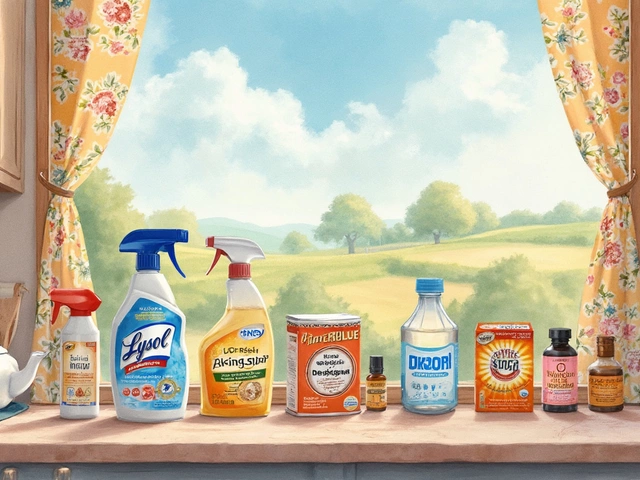
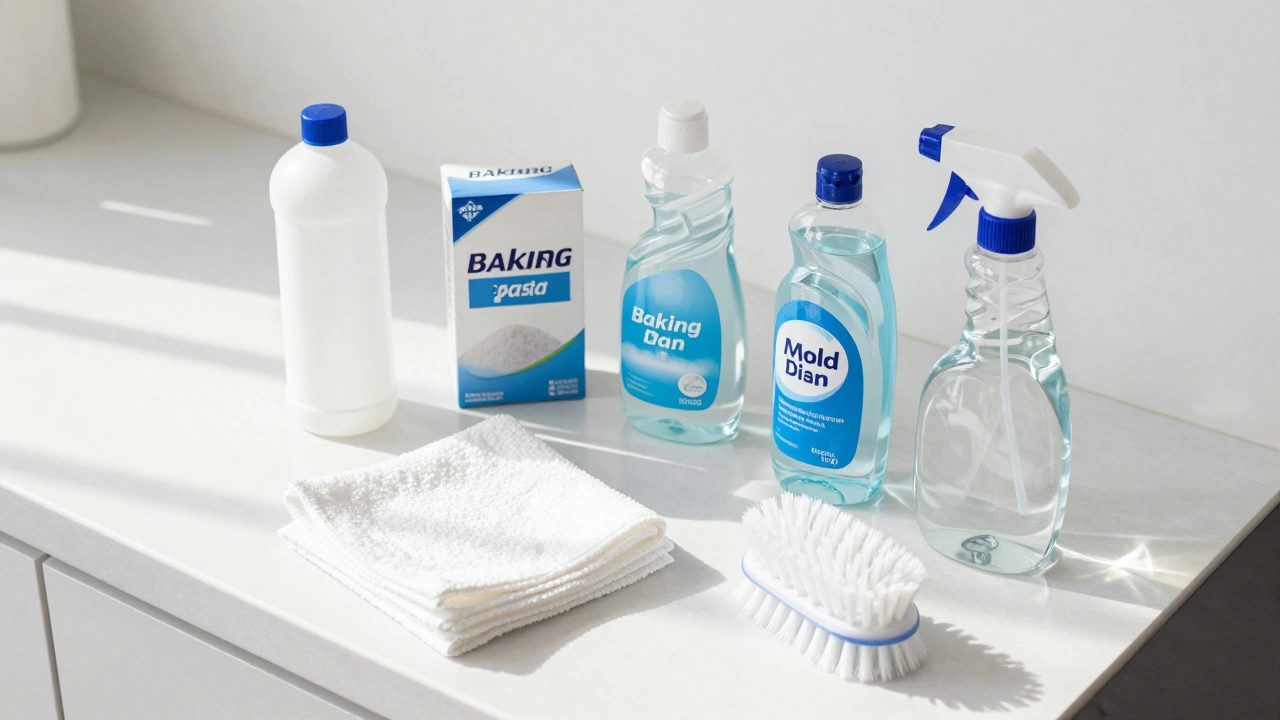
You do not need expensive industrial equipment to start. Most household items work wonders if used correctly. Here is what you should have ready before you begin:
- A vacuum cleaner with an upholstery attachment (the hose nozzle).
- Mild dish soap or a dedicated upholstery shampoo.
- Baking soda for deodorizing and lifting grease.
- White vinegar for disinfecting and breaking down residue.
- Microfiber cloths (white ones are best so you can see the dirt coming off).
- A soft-bristled brush, like an old toothbrush, for scrubbing delicate areas.
- Distilled water to prevent mineral spots on the fabric.
Avoid using harsh bleach unless the manufacturer explicitly says it is safe. Bleach can weaken fabric fibers over time, causing them to fray and tear. Stick to gentle, pH-balanced cleaners for the best results.
The Pre-Cleaning Process: Vacuuming Deeply
Most people skip this step because they want to get to the wet part quickly. However, vacuuming is crucial. If you apply liquid cleaner to dusty fabric, you create mud. That mud then dries into the fibers, making the stain worse and harder to remove later.
Remove all cushions and flip them over. Vacuum both sides thoroughly. Pay special attention to the seams and crevices where crumbs and pet hair hide. Use the brush tool to agitate the surface slightly, which helps lift embedded dirt. If you have a pet, run a rubber squeegee or a damp microfiber cloth over the fabric after vacuuming to pull out stubborn hairs. Once the surface is completely free of loose debris, you are ready for the real work.
Tackling General Grime and Odors
If your upholstery is generally dingy but doesn't have specific large stains, a baking soda treatment works miracles. Baking soda is a natural absorbent that pulls out odors and loosens surface dirt.
- Sprinkle a generous layer of baking soda over the entire surface of the fabric.
- Let it sit for at least 30 minutes. For strong odors, leave it overnight.
- Vacuum up the powder thoroughly. You will likely see grey dust coming out of the fabric-that is the dirt being lifted.
For a deeper clean on 'W' or 'SW' coded fabrics, mix a solution of one tablespoon of mild dish soap with two cups of warm distilled water. Dip a microfiber cloth into the solution, wring it out until it is barely damp (not dripping), and gently blot the fabric. Work in small sections to avoid oversaturating the padding underneath. Follow up by rinsing the area with a cloth dipped in plain water to remove soap residue, then blot dry.
Removing Tough Stains
Filthy upholstery often comes with specific stains that require targeted treatments. Here is how to handle the most common culprits:
| Stain Type | Recommended Treatment | Method |
|---|---|---|
| Red Wine or Coffee | Club Soda or Vinegar Solution | Blot immediately. Do not rub. Sprinkle salt to absorb liquid, then blot with club soda. |
| Pet Urine | Enzymatic Cleaner | Apply enzymatic cleaner according to instructions. It breaks down the proteins that cause odor. |
| Grease or Oil | Baking Soda or Cornstarch | Sprinkle powder on the stain, let sit for 15 minutes, then vacuum. Repeat if necessary. |
| Ink | Isopropyl Alcohol | Dab with a cotton ball soaked in alcohol. Test on a hidden area first as alcohol can fade colors. |
When treating any stain, always blot from the outside in. Rubbing spreads the stain deeper into the fibers and creates a larger mess. Patience is key here. Let your cleaning agents do the work rather than forcing the dirt out with aggressive scrubbing.
Drying Your Furniture Properly
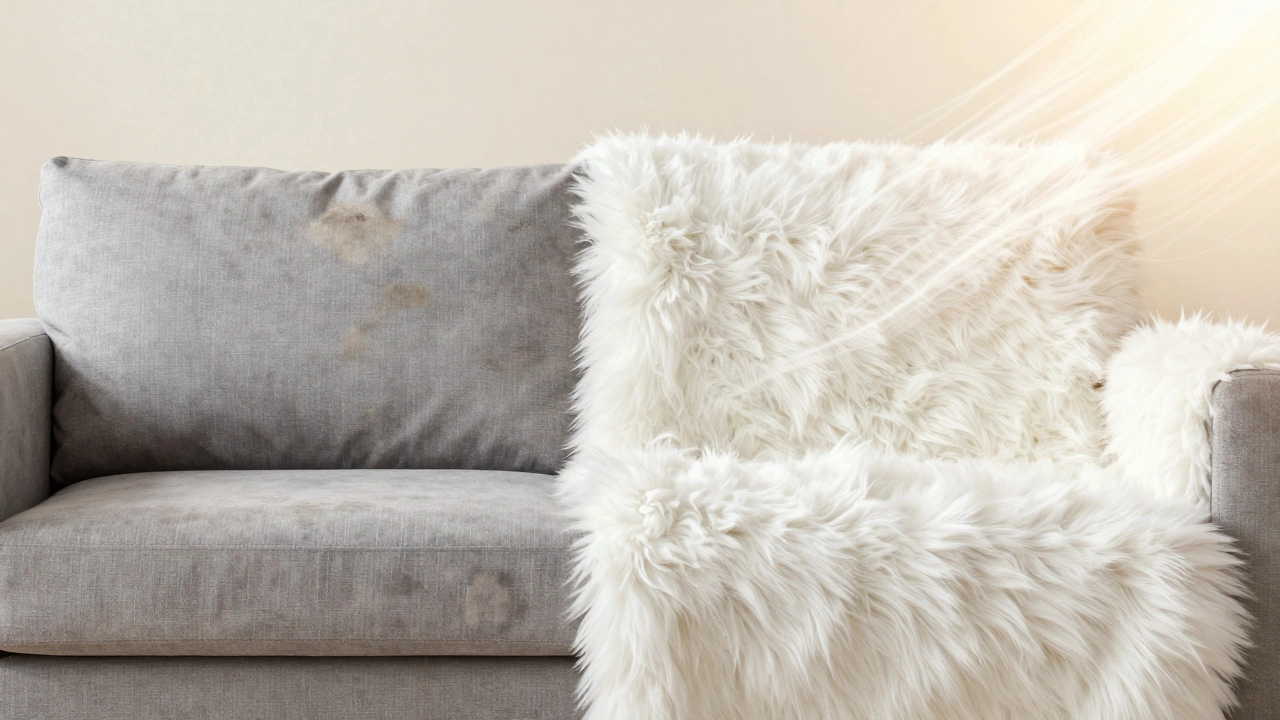
Wet upholstery is a breeding ground for mold and mildew. If you live in a humid climate like parts of the UK, drying can take longer than you expect. Never leave damp cushions stacked on top of each other. Prop them up against a wall or place them in a well-ventilated room with a fan running.
If possible, open windows to allow cross-breeze. Avoid direct sunlight for extended periods, as UV rays can fade fabric colors. Check the padding underneath the fabric to ensure it is dry too. If you smell a musty odor after cleaning, repeat the baking soda process and increase airflow.
When to Call a Professional
While DIY cleaning works for most situations, some problems are beyond home remedies. If your upholstery has extensive mold growth, deep-set biological stains, or if the fabric is antique and fragile, hire a professional. Professionals use hot water extraction machines that inject steam and suck out dirt simultaneously, reaching depths a handheld vacuum cannot. They also have access to industrial-grade solvents that are safe for delicate materials but unavailable to consumers.
Consider professional cleaning every 12 to 18 months for high-use furniture. This extends the life of your investment and keeps your home healthier by removing allergens trapped deep within the fibers.
Can I use a steam cleaner on all types of upholstery?
No, you should check the fabric code first. Steam cleaners use heat and water, which can damage 'S' (solvent-only) coded fabrics or cause shrinkage in certain natural fibers like wool. Always verify that your furniture is labeled 'W' or 'SW' before using a steam cleaner.
How often should I deep clean my upholstery?
For average households, deep cleaning once or twice a year is sufficient. If you have pets, children, or allergies, consider cleaning every six months. Regular vacuuming weekly helps reduce the frequency of deep cleans needed.
What is the best homemade cleaner for fabric sofas?
A mixture of warm water, a teaspoon of mild dish soap, and a splash of white vinegar is effective for most 'W' and 'SW' coded fabrics. The soap lifts dirt, while the vinegar disinfects and prevents residue buildup. Always test on a hidden area first.
Why does my sofa smell bad after cleaning?
A bad smell after cleaning usually indicates that the padding underneath did not dry properly, leading to mildew growth. Ensure you rinse soap residue thoroughly and use fans or dehumidifiers to speed up the drying process. If the smell persists, treat with an enzymatic cleaner or consult a professional.
Can I use bleach on white upholstery?
It is generally not recommended. Even on white fabrics, bleach can weaken fibers and cause yellowing over time. Instead, use oxygen-based bleaches or hydrogen peroxide solutions, which are gentler and less likely to damage the structural integrity of the fabric.