Sofa Cleaning & Stain Removal Assistant
Configuration
Ready to Clean
Select your fabric code and stain type to generate a step-by-step guide.
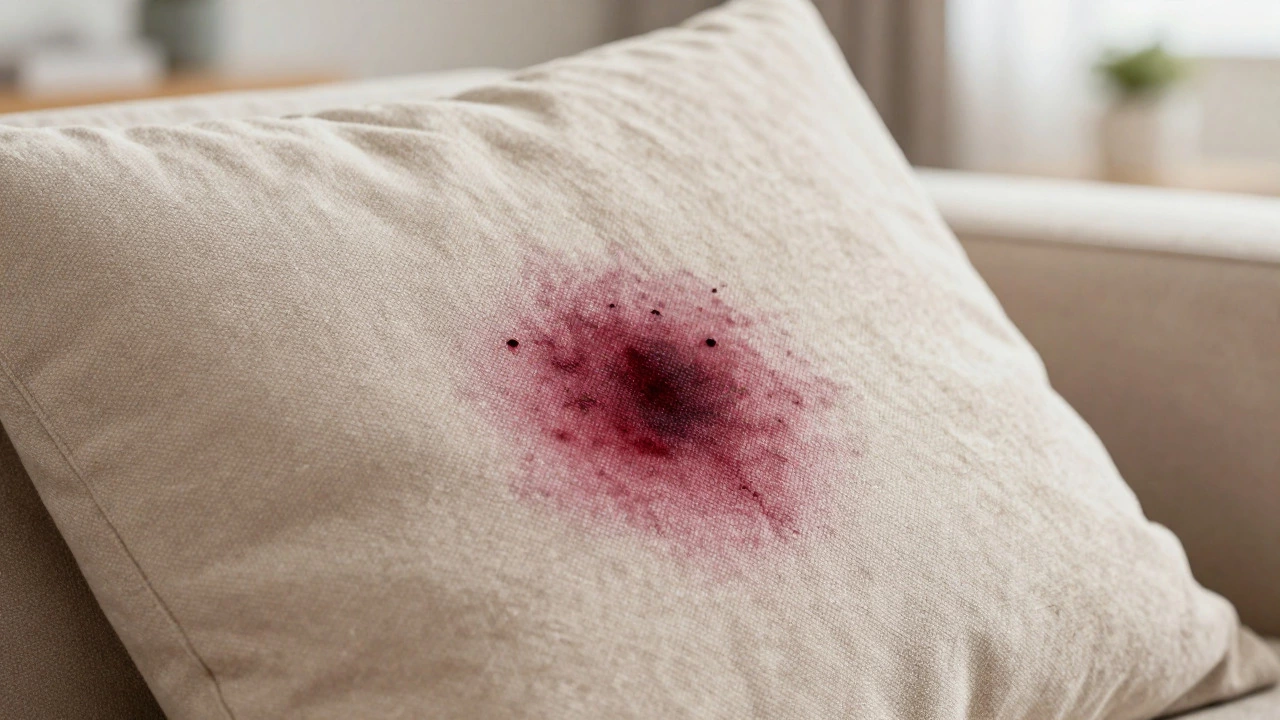
That one stain on your beige sofa is staring at you. It’s been there since last Tuesday, and now it looks like a permanent map of bad decisions. You’ve tried blotting it with a paper towel, but the ring only got bigger. Before you panic-buy an expensive chemical cleaner or call in a professional who charges by the hour, take a breath. Most fabric sofas can be revived without ruining them, provided you know exactly what you’re dealing with.
Cleaning a sofa isn’t just about making it look nice; it’s about preserving the fibers and removing allergens that build up over time. Dust mites, pet dander, and food particles don’t just sit on the surface-they embed themselves deep into the weave. If you use the wrong method, you risk shrinking the fabric, setting stains permanently, or voiding your warranty. The key lies in understanding the specific type of fabric you have and matching it with the right cleaning technique.
Decode the Fabric Care Label First
Before you touch a spray bottle, flip your cushions over. There should be a small tag sewn into the seam, usually near the bottom or back. This tag contains a letter code that dictates how you must clean the sofa fabric is the textile material covering your furniture, which requires specific care based on its fiber composition and finish. Ignoring this label is the fastest way to turn a cleanable mess into a ruined piece of furniture.
- Code W: Water-based cleaners are safe. You can use mild detergent mixed with water. This is common for cotton, linen, and some synthetics.
- Code S: Solvent-only cleaners required. Do not use water. Water will cause spotting or shrinkage. Look for dry-cleaning solvents specifically labeled for upholstery.
- Code SW: Both solvent and water-based cleaners are acceptable. You have flexibility here, but always test first.
- Code X: Vacuum only. No liquids. Use a soft brush attachment to remove dust and debris. If a spill happens, blot immediately and let it air dry.
If the tag is missing or illegible, assume the worst-case scenario: treat it as Code X (vacuum only) until you can test a hidden area, like the underside of a cushion or behind the armrest.
Gather the Right Tools
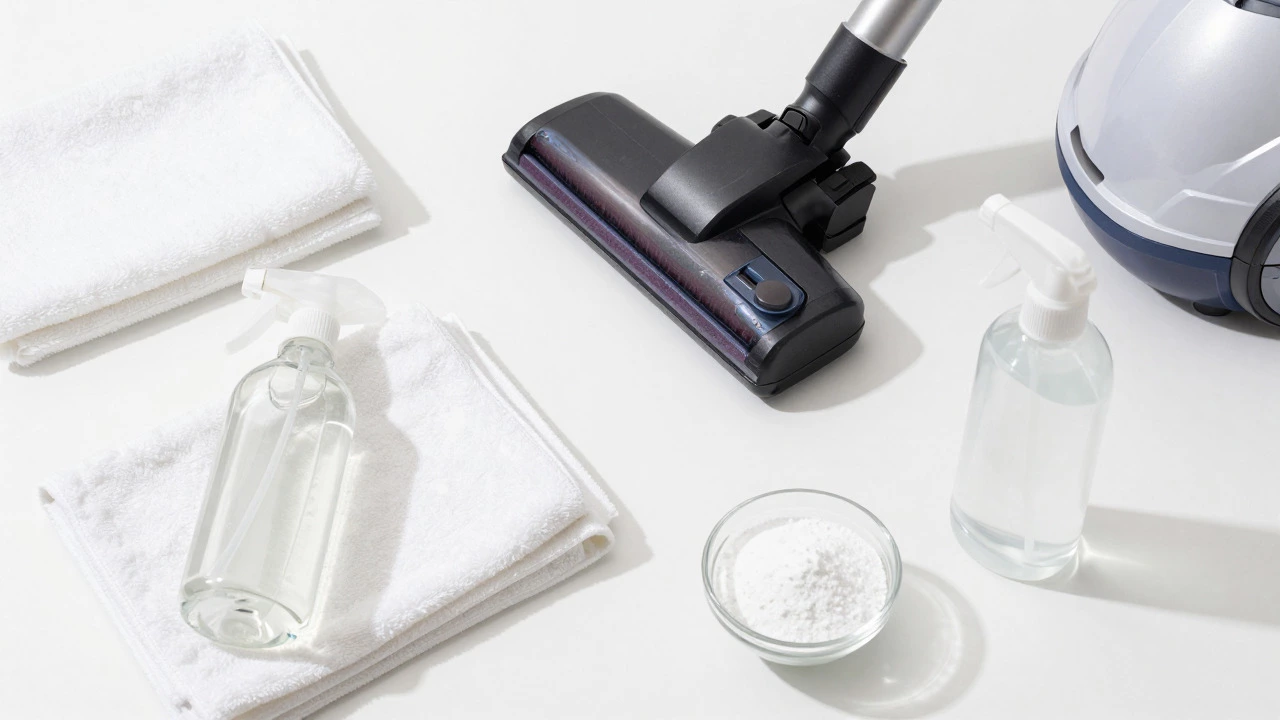
You don’t need a professional-grade truck-mounted extractor to get good results. However, using the wrong tools can scratch delicate fibers or push dirt deeper. Here is what you actually need for a thorough upholstery cleaning is the process of removing dirt, stains, and allergens from fabric-covered furniture using appropriate methods and chemicals.
- Vacuum cleaner: With an upholstery attachment and a soft brush tool. Avoid stiff bristles that might fray the fabric.
- Microfiber cloths: Several white ones. White helps you see if color is bleeding from the fabric onto the cloth.
- Mild dish soap: Clear, unscented liquid dish soap works well for most water-safe fabrics because it cuts grease without leaving heavy residues.
- Baking soda: For deodorizing and lifting light stains.
- White vinegar: Effective for neutralizing odors and breaking down certain organic stains.
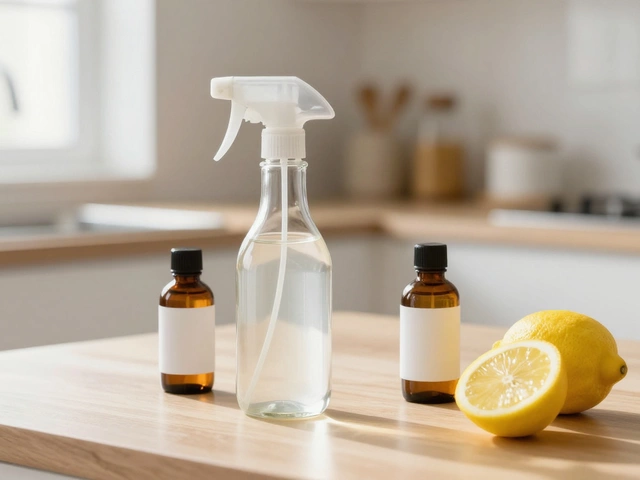
- Spray bottle: For applying cleaning solutions evenly.
Avoid using bleach unless you are absolutely sure the fabric is colorfast and bleach-safe, which is rare for modern upholstered furniture. Bleach weakens fibers and causes yellowing over time.
The Step-by-Step Deep Clean Process
Start by stripping the sofa of all removable cushions. Flip them over and vacuum both sides thoroughly. Don’t rush this step. Dirt acts like sandpaper on fabric fibers, causing them to break down faster when you rub them during cleaning. Remove loose crumbs, pet hair, and dust from every crevice. Pay special attention to the seams where debris loves to hide.
Once the sofa is vacuumed, address any visible stains before doing a general clean. Blot-never rub-fresh spills with a clean, dry microfiber cloth. Rubbing pushes the liquid deeper into the padding. For dried stains, apply a small amount of your chosen cleaning solution to the cloth, not directly onto the fabric. This prevents over-wetting, which can lead to mold growth inside the cushion foam.
For a general refresh, mix one teaspoon of mild dish soap with one cup of warm water. Lightly mist the fabric or dampen a sponge with the solution. Work in small sections, using circular motions to lift dirt. Rinse the sponge frequently in clean water and wipe the section again to remove soap residue. Soap left behind attracts more dirt, making your sofa dirty faster next time.
Allow the sofa to air dry completely before replacing cushions. Open windows or use a fan to speed up drying. If the fabric feels stiff after drying, it likely has too much soap residue. Go over it once more with a water-dampened cloth.
Tackling Specific Stains
Different stains require different approaches. Using the wrong remedy can set the stain permanently. Here is how to handle the most common culprits:
| Stain Type | Immediate Action | Cleaning Solution |
|---|---|---|
| Red Wine | Blot immediately with dry cloth | Mix equal parts white vinegar and water. Apply gently, then blot. |
| Pet Urine | Blot excess liquid | Enzyme-based cleaner is essential to break down proteins. Avoid ammonia-based products. |
| Grease/Oil | Sprinkle baking soda to absorb oil | Let sit for 15 minutes, vacuum, then use a small amount of dish soap diluted in water. |
| Ink | Do not rub | Apply rubbing alcohol with a cotton swab. Dab gently from the outside in. |
| Food Crumbs | Vacuum carefully | Use a sticky lint roller or tape to pull out embedded particles before wet cleaning. |
Always test any new cleaning solution on a hidden spot first. Wait ten minutes to ensure no discoloration occurs. If the fabric darkens or fades, stop immediately and rinse with water.
Natural vs. Chemical Cleaners
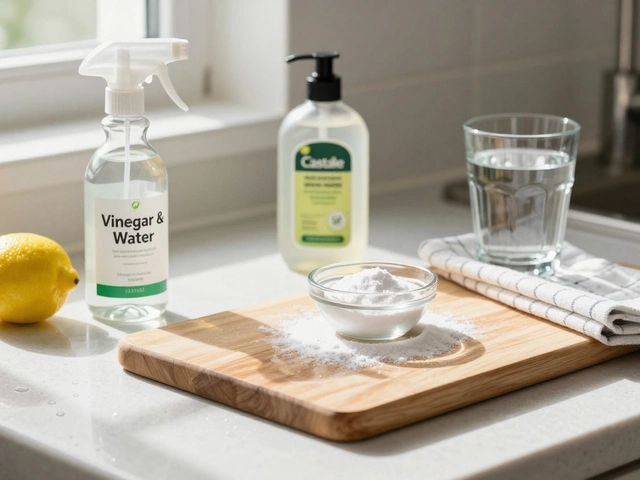
Many people prefer natural cleaners due to concerns about harsh chemicals, especially if they have pets or children. A mixture of white vinegar and water is effective for disinfecting and deodorizing without leaving toxic residues. Baking soda is excellent for absorbing odors; sprinkle it generously over the cushions, let it sit for an hour, then vacuum it up.
However, for tough, set-in stains, commercial upholstery cleaners often contain surfactants and enzymes that work faster and more effectively than household ingredients. Brands like Resolve or Folex are widely available and formulated specifically for fabric types. They tend to be safer for colored fabrics than DIY acid-based mixes. The trade-off is cost and potential sensitivity to synthetic fragrances.
If you choose a commercial product, check the ingredient list. Avoid anything with high levels of volatile organic compounds (VOCs) if you have respiratory issues. Ventilate the room well during and after application.
When to Call a Professional
DIY cleaning works for maintenance and minor accidents. But some situations demand expert intervention. If your sofa has extensive staining, persistent odors, or valuable antique fabric, hiring a professional professional upholstery cleaner is a trained technician who uses industrial equipment and specialized chemicals to restore furniture. is worth the investment.
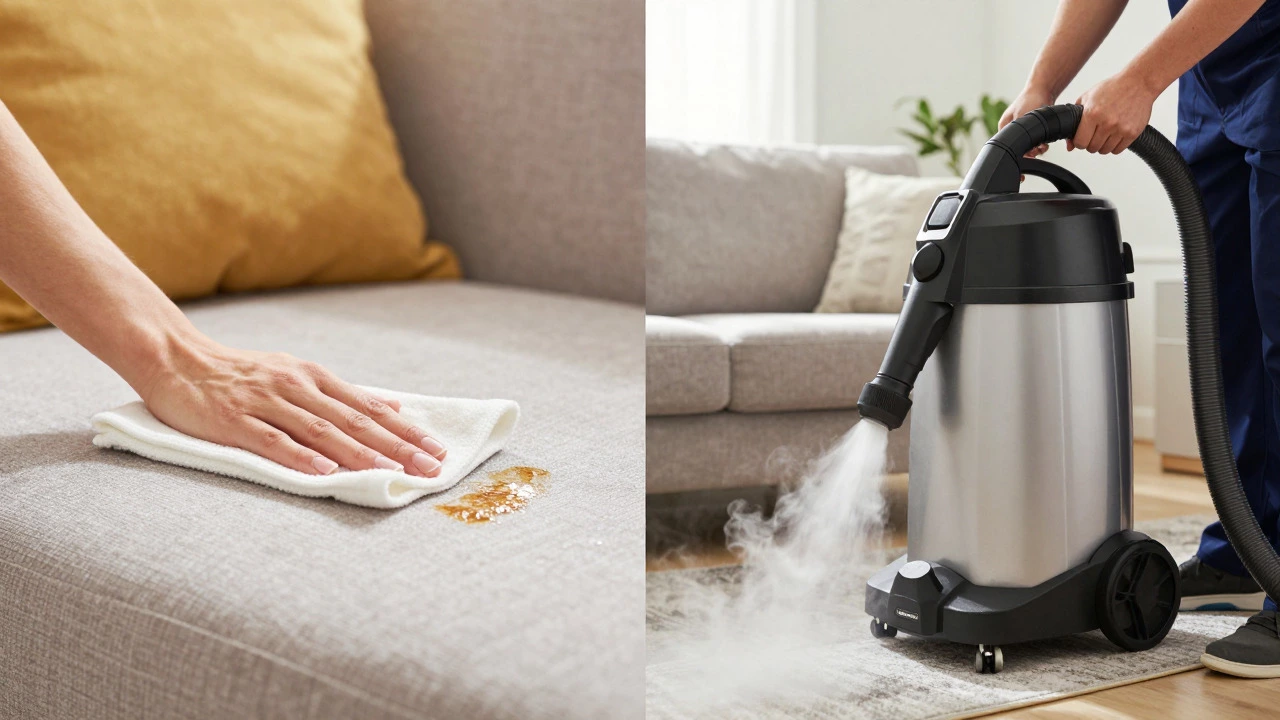
Professionals use hot water extraction machines that inject cleaning solution deep into the fibers and suck it back out along with dissolved dirt. This level of cleaning is hard to replicate at home. They also have access to stronger solvents and stain removers that aren’t sold to consumers. Look for technicians certified by the Institute of Inspection, Cleaning and Restoration Certification (IICRC). Ask about their insurance coverage in case of accidental damage.
Consider professional cleaning every 12 to 24 months, depending on usage. Homes with pets, smokers, or young children may need annual service. Regular professional cleaning extends the life of your sofa by preventing fiber degradation and allergen buildup.
Preventing Future Damage
The best cleaning strategy is prevention. Consider applying a fabric protector spray like Scotchgard or Teflon Fabric Protector. These create an invisible barrier that repels liquids and stains. Reapply every six months or after deep cleaning. Test the protector on a hidden area first to ensure it doesn’t alter the texture or color.
Establish house rules. No shoes on the sofa, no eating messy foods while seated, and regular vacuuming weekly. Rotate cushions periodically to ensure even wear. Direct sunlight can fade fabric over time, so use curtains or blinds to limit exposure.
Keep a small cleaning kit nearby for immediate response to spills. Quick action is the difference between a simple wipe-up and a major stain removal project. Train everyone in the household on the basic steps: blot, don’t rub, and act fast.
Can I use steam cleaning on my fabric sofa?
Steam cleaning can be effective for sanitizing and deep cleaning, but only if your fabric is water-safe (Code W or SW). High heat can shrink or damage sensitive fibers like wool or silk. Always check the care label first. If you own a handheld steamer, keep it moving to avoid overheating one spot. For best results, hire professionals who control temperature and moisture levels precisely.
How often should I deep clean my sofa?
For average households, deep cleaning every 12 to 18 months is sufficient. If you have pets, allergies, or frequent guests, aim for annual cleaning. Weekly vacuuming and immediate spot treatment of spills will maintain appearance between deep cleans. Over-cleaning can wear out fabric faster, so balance frequency with necessity.
Is baking soda safe for all sofa fabrics?
Baking soda is generally safe for most fabrics as it is non-abrasive and pH-neutral. However, always test on a hidden area first. Some delicate silks or dyed fabrics may react unpredictably. After sprinkling baking soda, vacuum thoroughly to remove all powder residue, as leftover particles can attract moisture and cause clumping.
What should I do if water spots appear after cleaning?
Water spots usually indicate uneven drying or soap residue. To fix, lightly mist the entire section with clean water to blend the spot, then blot gently with a dry microfiber cloth. Ensure the area dries evenly with airflow. If spots persist, there may be residual soap; rinse the area with plain water and blot again. Prevention involves using minimal soap and rinsing thoroughly during initial cleaning.
Can I wash sofa cushions in the washing machine?
Only if the care label explicitly states "machine washable." Many cushion covers are removable and washable, but the foam inserts inside should never go in the washer. Foam disintegrates in water and takes days to dry, leading to mold. If covers are washable, use cold water on a gentle cycle and air dry flat. Never tumble dry unless specified, as heat can shrink fabric or melt adhesives.