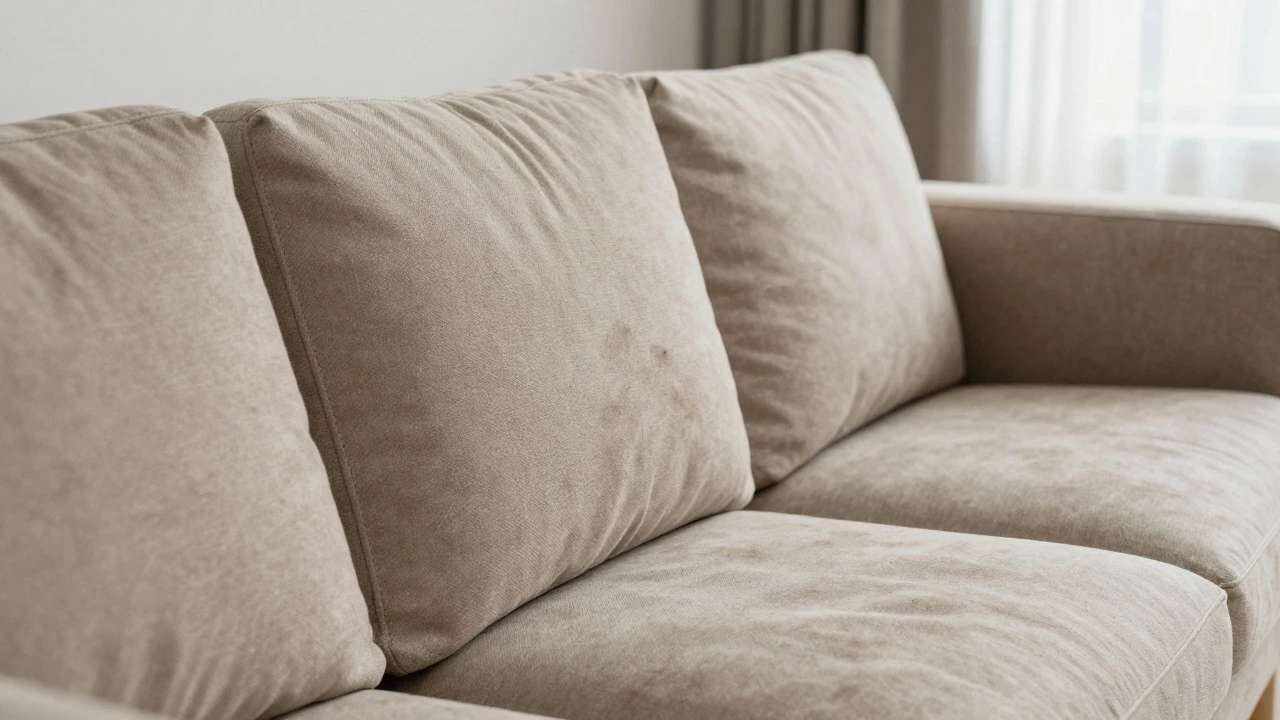
Sofa Cleaning & Odor Removal Guide
Recommended Approach:
Care Instructions:
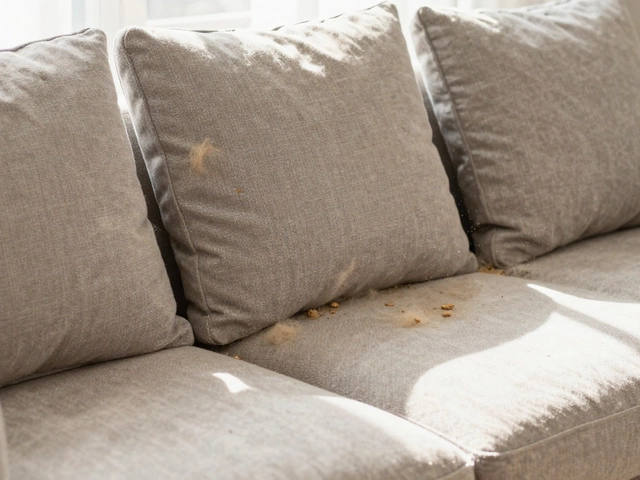
There is nothing quite as unpleasant as sinking into your favorite armchair only to be greeted by a wave of stale sweat, old coffee, or that distinct, earthy musk of a dog that has been sleeping there for three days. We all love our sofas. They are the heart of the living room, the spot where we binge-watch shows and host friends. But over time, fabric absorbs everything. It traps dust, skin cells, food crumbs, and yes, body odor. If you have tried spraying air freshener on a smelly couch, you know the truth: masking the smell never works. You just end up with a mix of lavender and funk that is somehow worse than before.
The good news? You do not need to call an expensive professional cleaner to fix this. With the right tools and a bit of elbow grease, you can deep clean your upholstery at home. Whether you are dealing with spilled wine, pet accidents, or just general grime buildup, this guide will walk you through exactly how to clean a stinky sofa effectively. We will cover everything from quick fixes for minor odors to heavy-duty methods for entrenched smells.
Identify the Source of the Smell
Before you start scrubbing, you need to figure out what is causing the odor. Different smells require different treatments. If you treat a urine stain with a vinegar solution meant for food spills, you might set the protein permanently. Take a moment to inspect your sofa.
- Pet Accidents: Look for yellowing or stiff spots in the fabric. Even if it looks dry, enzymes from urine break down over time and release ammonia-like smells when humid.
- Food and Drink Spills: Sugary drinks like soda or juice leave sticky residues that attract bacteria. These bacteria multiply and create sour, fermented odors.
- Mold and Mildew: Does the sofa smell musty, like wet socks or old books? This usually means moisture got trapped inside the cushions, possibly from a leaky window or a spill that wasn't dried properly.
- Bodily Fluids: Sweat and saliva accumulate in the crevices where you sit most often. This creates a general "stale" smell that is hard to pinpoint but very noticeable.
Once you identify the culprit, you can choose the right cleaning agent. For organic stains (urine, vomit, food), enzymatic cleaners are best. For general grime and body odor, a mixture of water, mild detergent, and vinegar works wonders. For mold, you need antifungal agents and thorough drying.
Gather Your Supplies
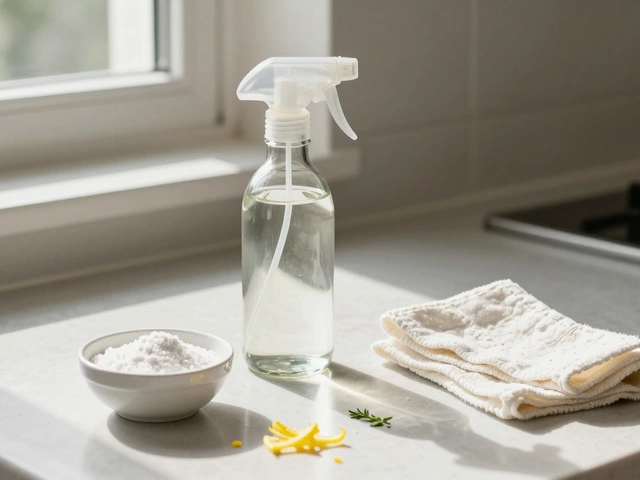
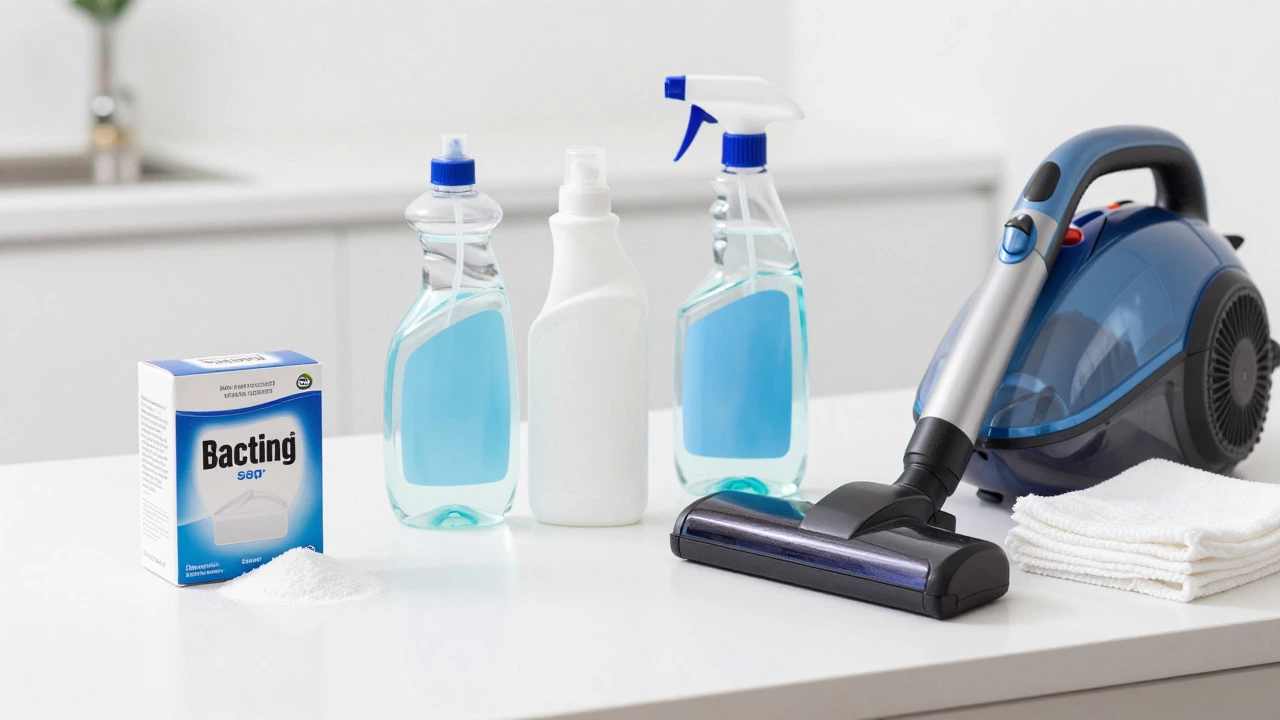
You probably already have most of these items in your kitchen or bathroom cabinet. No need to run to the store unless you want to buy a specialized enzyme cleaner for pets.
- Vacuum Cleaner: Preferably one with an upholstery attachment. A handheld vacuum works too.
- Baking Soda: The ultimate odor absorber. It neutralizes acidic and alkaline smells.
- White Vinegar: A natural disinfectant that kills bacteria and breaks down residue.
- Hydrogen Peroxide (3%): Great for lifting tough stains and killing mold spores. Use sparingly on colored fabrics.
- Mild Dish Soap: Avoid bleach or harsh detergents. Something gentle like Dawn or Fairy liquid is perfect.
- Clean White Cloths: Old white t-shirts work well. Colored cloths might bleed dye onto your sofa.
- Spray Bottle: For applying cleaning solutions evenly.
- Enzyme Cleaner: Essential if you have pets. Brands like Nature's Miracle or Rocco & Roxie are industry standards.
Step-by-Step Deep Cleaning Process
Now let's get to work. Follow these steps carefully to avoid damaging your fabric while ensuring every layer of dirt is removed.
1. Vacuum Thoroughly
This is the most skipped step, and it is also the most important. You cannot clean what you cannot reach. Dust mites, hair, and crumbs live deep in the fibers. If you spray water on top of dust, you create mud. Start by removing all cushions. Flip them over and vacuum both sides. Pay special attention to the seams and crevices. Use the brush attachment to loosen embedded debris. If your sofa has tufted buttons, go around each one slowly. Spend at least ten minutes on this step. Yes, it feels tedious, but it makes the rest of the process twice as effective.
2. Check the Care Label
Look for a tag on the underside or back of the sofa. It will have a code:
- W: Water-based cleaners are safe. You can use soap and water.
- S: Solvent-based cleaners only. Avoid water. Use dry-cleaning foam.
- WS: Either water or solvent is fine.
- X: Vacuum only. Do not use liquids. Consider hiring a pro for this type.
If you have a 'W' or 'WS' label, proceed with the wet cleaning method below. If it is 'S', skip to the section on dry cleaning foams. Most modern sofas are 'W' rated.
3. Apply the Cleaning Solution
Mix a solution of 1 cup warm water, 1 tablespoon mild dish soap, and 1 tablespoon white vinegar in a spray bottle. Shake gently. Do not soak the fabric. Lightly mist a small section of the sofa. Test this on an inconspicuous area first (like behind a cushion) to ensure no color bleeding occurs.
Using a clean white cloth, gently blot the area. Do not rub aggressively, as this pushes dirt deeper. Work in circular motions to lift the grime. Rinse the cloth frequently in clean water and wring it out well. You want to dampen the fabric, not drench it. Repeat this process across the entire sofa, working in sections to keep track of cleaned vs. uncleaned areas.
4. Treat Specific Stains
If you have visible stains, address them now.
- For Pet Urine: Spray with an enzyme cleaner. Let it sit for 10-15 minutes to break down the uric acid crystals. Blot dry.
- For Wine or Coffee: Mix 1 part hydrogen peroxide with 1 part dish soap. Apply directly to the stain, let it bubble for 5 minutes, then blot with a damp cloth.
- For Mold: Mix equal parts water and white vinegar. Spray generously on the affected area. Let it sit for an hour, then wipe clean. Ensure the area dries completely.
5. Deodorize with Baking Soda
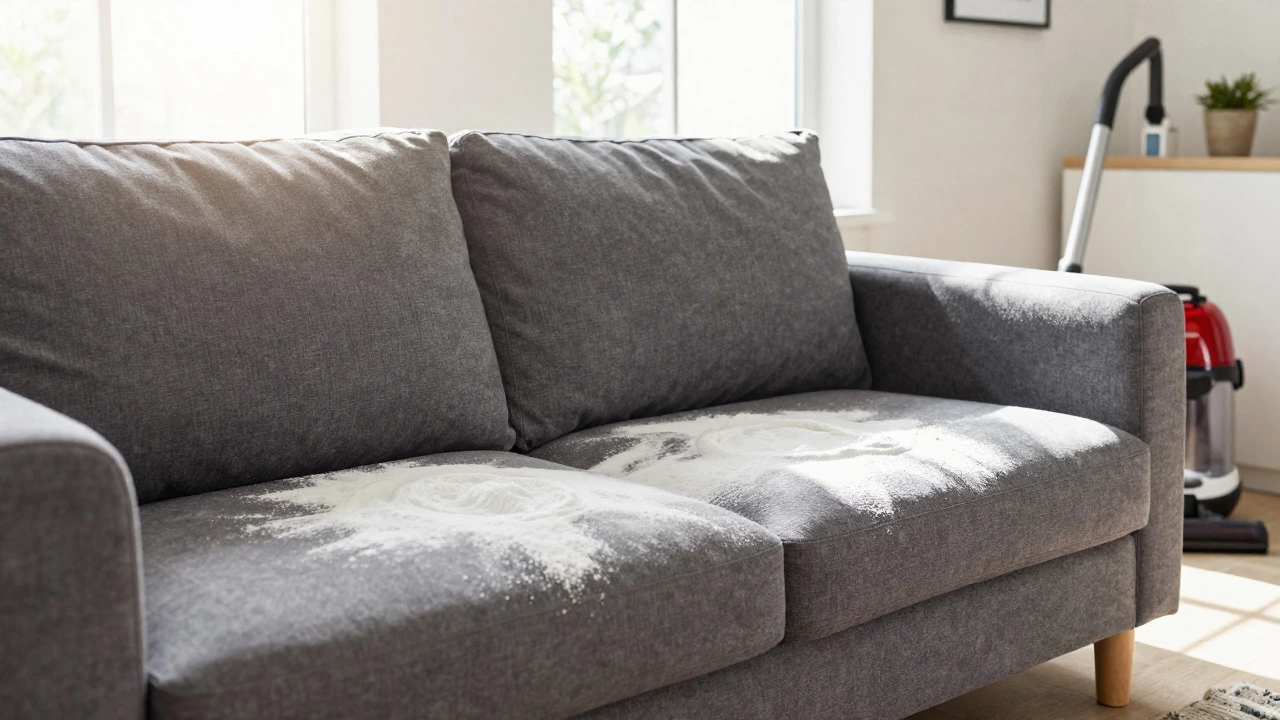
This is the secret weapon against lingering odors. Once the sofa is clean but still slightly damp, sprinkle a generous layer of baking soda over the entire surface. Get into the cracks and crevices. Let it sit for at least two hours, or ideally overnight. Baking soda works by absorbing moisture and neutralizing odor molecules rather than masking them. The longer it sits, the better it works. In the morning, vacuum up all the baking soda thoroughly. You will notice a significant difference in freshness immediately.
6. Dry Completely
Moisture is the enemy. If the sofa stays damp, mold will return within days. Open windows to increase airflow. Use fans to blow air directly onto the cushions. If you have a dehumidifier, run it in the room. Avoid using direct heat from hairdryers or radiators, as this can shrink or damage synthetic fibers. Ensure the sofa is bone dry before putting covers back on.
| Agent | Best For | Avoid On | Drying Time |
|---|---|---|---|
| Baking Soda | General odors, pet smells | None (safe for all) | N/A (vacuumed off) |
| White Vinegar | Bacteria, mildew, food stains | Silk, wool (can damage) | 1-2 hours |
| Hydrogen Peroxide | Organic stains, mold | Dark colors (bleaching risk) | 30-60 mins |
| Enzyme Cleaner | Urine, vomit, feces | None (specifically designed for bio-hazards) | Varies by product |
| Dry Cleaning Foam | S-only labels, delicate fabrics | Heavy soil (less effective) | 15-30 mins |
Preventing Future Odors
Cleaning a stinky sofa is a chore you want to avoid repeating. Prevention is much easier than cure. Here are some simple habits to keep your furniture fresh year-round.
- Use Washable Covers: Invest in slipcovers or throws that you can toss in the washing machine monthly. This acts as a barrier between your skin/hair and the sofa fabric.
- No Food Policy: Try to eat in the kitchen. Crumbs are magnets for pests and bacteria. If you must eat on the sofa, use a plate and wipe up spills immediately.
- Vacuum Weekly: Make it part of your weekly routine. Ten minutes of vacuuming prevents months of buildup.
- Air Out Regularly: Open windows on sunny days to let UV light kill bacteria and fresh air circulate.
- Pet Training: Keep pets off the sofa if they have accidents. Or, train them to use a designated bed nearby.
When to Call a Professional
Sometimes, DIY isn't enough. If the smell persists after two deep cleans, the odor may have soaked into the foam core or wooden frame. This happens with severe pet urine incidents or long-term neglect. Professional steam cleaners use high-temperature water extraction that penetrates deeper than household vacuums. They also have industrial-strength extractors that pull moisture out faster, reducing mold risk. If your sofa is antique or made of delicate materials like velvet or silk, a pro is safer. They know how to handle fragile fibers without causing shrinkage or discoloration.
Common Mistakes to Avoid
I see people make these errors all the time, and they often make the problem worse.
- Over-wetting: Soaking the sofa leads to mold growth inside the cushions. Always damp, never wet.
- Rubbing Instead of Blotting: Rubbing spreads stains and damages fiber structure. Blotting lifts dirt out.
- Ignoring the Back:** People forget to clean the backrest. That is where most sweat accumulates.
- Using Bleach: Bleach weakens fabric fibers and can cause yellowing. Stick to oxygen-based cleaners like hydrogen peroxide.
- Skiping the Test Spot: Always test any new cleaner on a hidden area first. Colorfastness varies wildly between manufacturers.
Keeping your sofa clean is not just about aesthetics. It is about health. Dust mites and mold spores can trigger allergies and asthma. By following this guide, you are not just removing a bad smell; you are creating a healthier living environment for your family. Start with the vacuum, move to the spot treatment, and finish with the baking soda. Your nose-and your lungs-will thank you.
How often should I deep clean my sofa?
For households with pets or children, deep clean every 3-6 months. For low-traffic homes, once a year is sufficient. Regular vacuuming should happen weekly regardless of deep cleaning frequency.
Can I use bleach to clean a stinky sofa?
Generally, no. Bleach can weaken fabric fibers, cause discoloration, and release harmful fumes. Use hydrogen peroxide or oxygen-based cleaners instead, which are safer for upholstery and equally effective at breaking down organic odors.
What is the best way to remove pet urine smell from a couch?
You must use an enzymatic cleaner. Standard cleaners mask the smell but leave uric acid crystals behind, which reactivate with humidity. Enzymes digest the proteins in urine, eliminating the source of the odor. Apply generously, let it dwell for 15 minutes, then blot dry.
Will baking soda damage my sofa fabric?
No, baking soda is safe for almost all fabric types, including cotton, polyester, and microfiber. It is non-abrasive and pH-neutral. Just ensure you vacuum it up completely afterward to prevent grit from settling into the fibers.
How long does it take for a sofa to dry after cleaning?
With proper ventilation and fans, a lightly dampened sofa should dry within 4-6 hours. If you used more water or live in a humid climate, it may take up to 24 hours. Never put covers back on until the fabric is completely dry to the touch to prevent mold.
Is steam cleaning better than chemical cleaning for sofas?
Steam cleaning uses high heat to kill bacteria and mites without chemicals, making it eco-friendly. However, it introduces more moisture, requiring longer drying times. Chemical cleaners (like enzyme solutions) are better for specific biological stains like urine. For general maintenance, steam is excellent; for targeted odor removal, enzymes are superior.
Can I wash sofa cushions in the washing machine?
Only if the care label says "Machine Washable." Many cushions contain foam inserts that can disintegrate or clump in the wash. If removable, check the inner core. If it is solid foam, hand wash or spot clean. If it is fiberfill, machine washing on gentle cycle is usually safe.
Why does my sofa smell worse after cleaning?
This usually indicates mold growth due to insufficient drying. If the fabric stayed damp for more than 24 hours, mildew spores likely developed inside the cushions. You may need to repeat the cleaning process with a stronger antifungal agent (like diluted vinegar) and ensure aggressive drying with fans and dehumidifiers.