Green Cleaning Agent Selector
Select your cleaning needs below to get a recommendation for the most effective and safe earth-friendly agent.
It’s easy to feel overwhelmed by the aisles of cleaning products promising to be “green,” “natural,” or “eco.” But if you’re looking for the single most earth-friendly cleansing agent, the answer might surprise you. It isn’t a fancy bottle with a leaf logo. It is likely something already in your kitchen cupboard: vinegar, baking soda, or even plain water.
The truth is, there is no one-size-fits-all magic bullet. The best choice depends on what you are cleaning and how you want to balance effectiveness with environmental impact. In this guide, we will cut through the marketing noise and look at the actual chemistry behind sustainable cleaning. We’ll explore which agents work best for specific jobs, where they fall short, and how to build a cleaning routine that protects both your health and the planet.
The Top Contenders for Earth-Friendly Cleaning
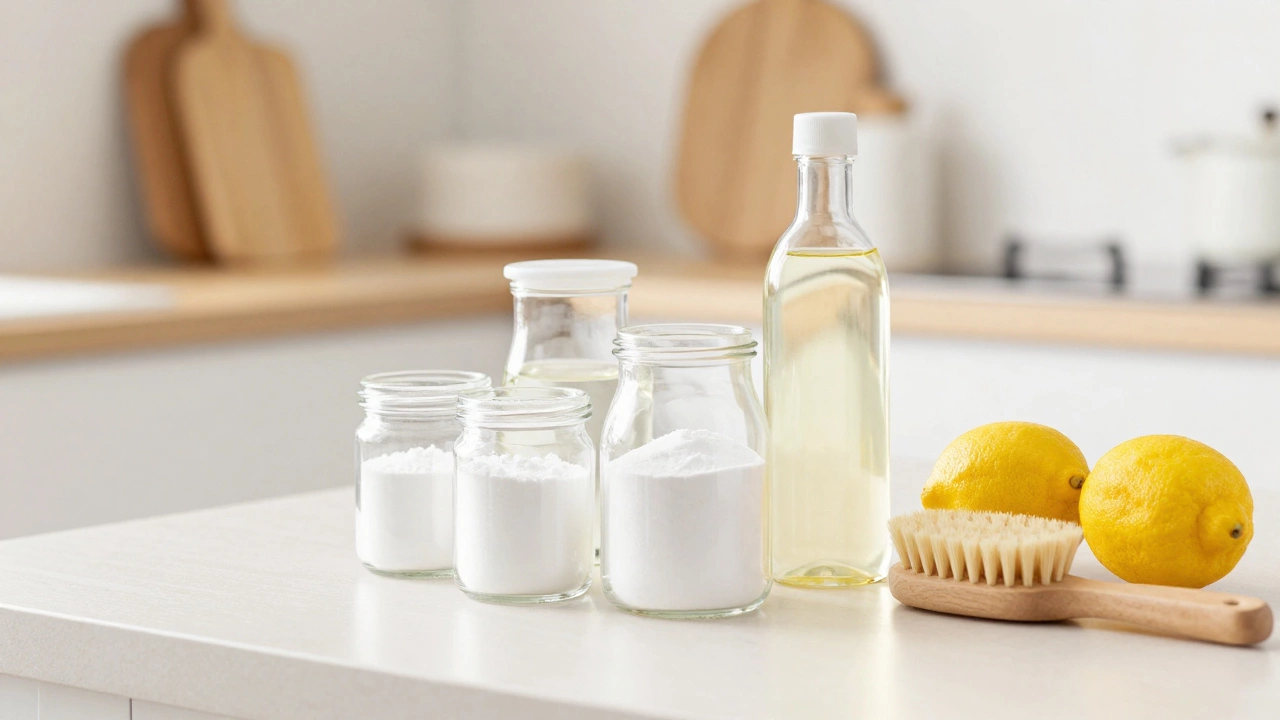
When we talk about earth-friendly agents, we mean substances that are non-toxic, biodegradable, renewable, and effective without harsh chemicals. Here are the heavy hitters that consistently rank highest in sustainability studies.
Vinegar (Acetic Acid) is perhaps the most versatile tool in the green cleaner’s arsenal. White distilled vinegar is acidic, which makes it excellent for breaking down mineral deposits, soap scum, and grease. It is naturally antimicrobial, though not as potent as bleach against serious pathogens. Because it is produced through fermentation, it is renewable and fully biodegradable. However, avoid using it on natural stone like marble or granite, as the acid can etch the surface.
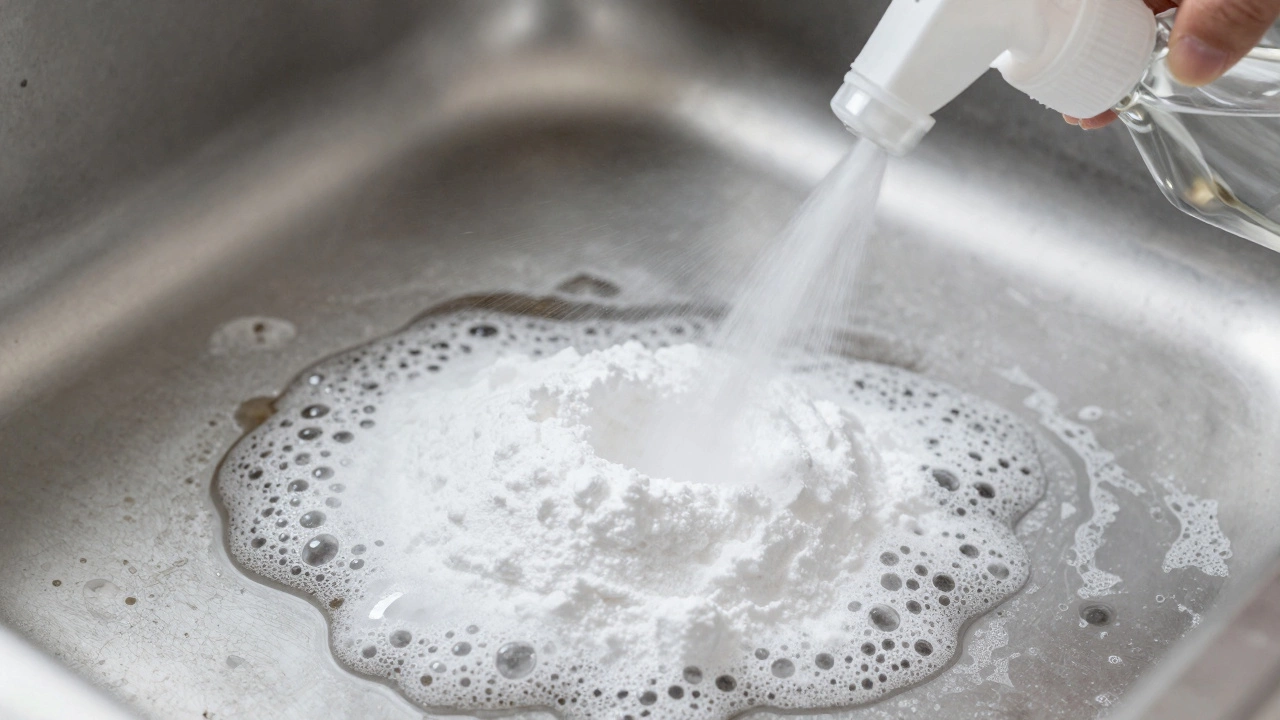
Baking Soda (Sodium Bicarbonate) works differently. It is a mild abrasive and an alkaline substance. This means it neutralizes acids and lifts dirt from surfaces without scratching them. It is fantastic for scrubbing sinks, removing odors from carpets, and degreasing ovens. Like vinegar, it is abundant, inexpensive, and breaks down harmlessly in the environment. The combination of vinegar and baking soda creates a fizzy reaction that helps lift grime, though chemically, they cancel each other out once the fizz stops-so use them sequentially rather than simultaneously for maximum effect.
Castile Soap is a vegetable-based soap originally made from olive oil. Modern versions often use hemp, coconut, or palm oil. It is highly concentrated, meaning a little goes a long way, reducing packaging waste. Castile soap is gentle on skin and effective at cutting through grease and dirt. It serves as a great base for all-purpose cleaners when diluted with water. Look for brands that use sustainably sourced palm oil or avoid it entirely to support better agricultural practices.
Hydrogen Peroxide is a powerful oxidizer that breaks down into water and oxygen. This makes it incredibly earth-friendly compared to chlorine bleach, which releases toxic byproducts. Hydrogen peroxide is excellent for disinfecting surfaces, whitening fabrics, and treating mold. It is less stable than bleach, so it needs to be stored in dark bottles to maintain potency, but its environmental footprint is minimal.
Understanding the Science Behind Natural Cleaners
To choose the right agent, you need to understand how they interact with dirt. Dirt is generally composed of organic matter, oils, and minerals. Traditional cleaners often use surfactants derived from petroleum to break these bonds. Earth-friendly alternatives use plant-based surfactants or physical abrasion.
Acidity and alkalinity are key concepts here. Vinegar is acidic (low pH), making it perfect for dissolving alkaline stains like hard water spots. Baking soda is alkaline (high pH), making it ideal for breaking down acidic residues like food spills or grease. Using the wrong pH can sometimes make a stain set deeper. For example, pouring vinegar on a protein-based stain like blood can coagulate the proteins, making them harder to remove. Always test a small area first.
Biodegradability is another critical factor. An earth-friendly agent must break down into harmless components after use. Many commercial “green” cleaners still contain synthetic fragrances or preservatives that persist in water systems. Ingredients like citric acid, derived from citrus fruits, offer a natural alternative that breaks down quickly and adds a fresh scent without volatile organic compounds (VOCs).
Comparing Common Earth-Friendly Agents
Not every job requires the same tool. Here is a breakdown of how these agents perform across different household tasks.
| Agent | Best For | Avoid On | Environmental Impact |
|---|---|---|---|
| Vinegar | Glass, tiles, bathrooms, descaling | Natural stone, waxed floors | Very Low |
| Baking Soda | Scrubbing, deodorizing, oven cleaning | Aluminum pots (can discolor) | Very Low |
| Castile Soap | Floors, dishes, laundry, general purpose | Hard water areas (may leave residue) | Low |
| Hydrogen Peroxide | Disinfecting, whitening, mold removal | Silk, wool, colored fabrics | Very Low |
| Lemon Juice | Cutting grease, brightening wood, deodorizing | Natural stone, delicate fabrics | Low |
The Hidden Environmental Costs of Packaging
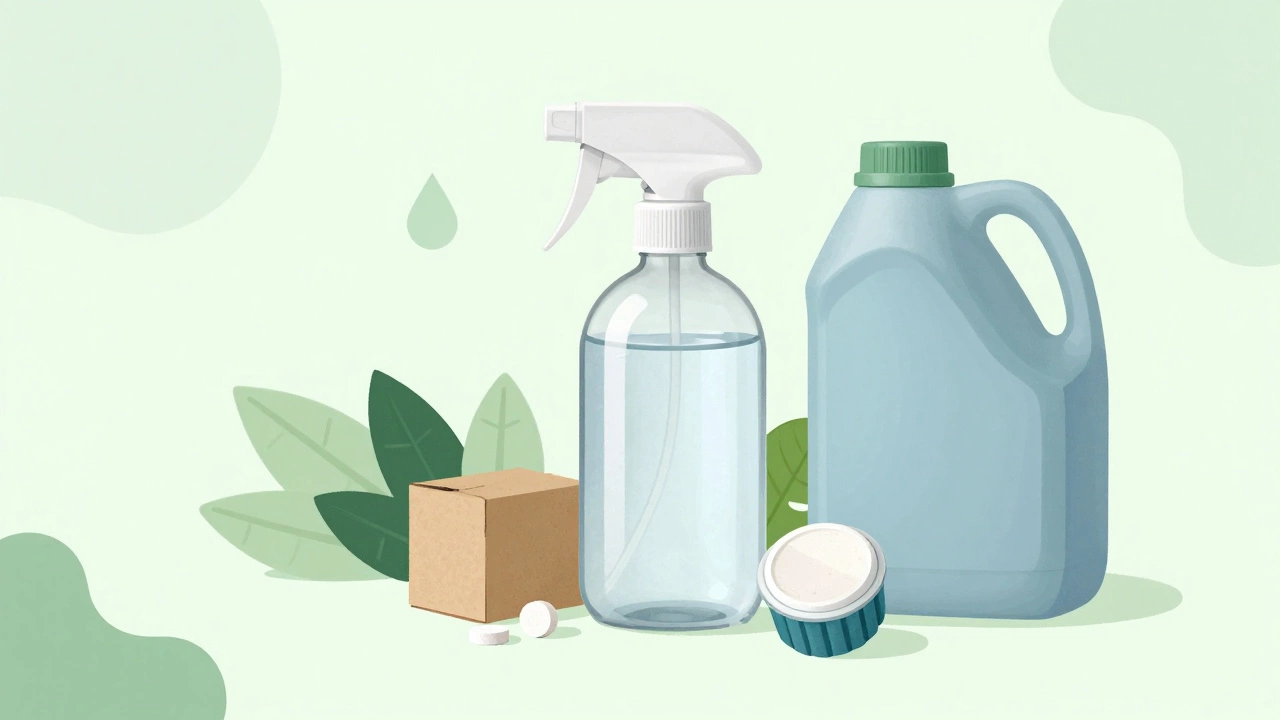
An ingredient might be earth-friendly, but if it comes in a single-use plastic bottle, the overall impact changes. The most sustainable cleaning product is often the one that uses no new packaging at all. Concentrates and tablets have gained popularity because they reduce shipping weight and eliminate plastic waste. You simply add water to a reusable bottle.
Refill stations are becoming more common in cities like Sheffield and London. These allow you to bring your own containers and fill them up with bulk detergents, shampoos, and cleaners. This model drastically reduces carbon emissions associated with transportation and manufacturing. If refill stations aren’t available near you, buying concentrates online is a good second option.
DIY Recipes for Everyday Cleaning
Making your own cleaners gives you full control over ingredients and reduces costs. Here are three reliable recipes that cover most household needs.
All-Purpose Cleaner: Mix equal parts white vinegar and water in a spray bottle. Add 10-15 drops of essential oil like lemon or tea tree for scent and extra antimicrobial properties. Shake well before use. This works great on countertops, tables, and glass.
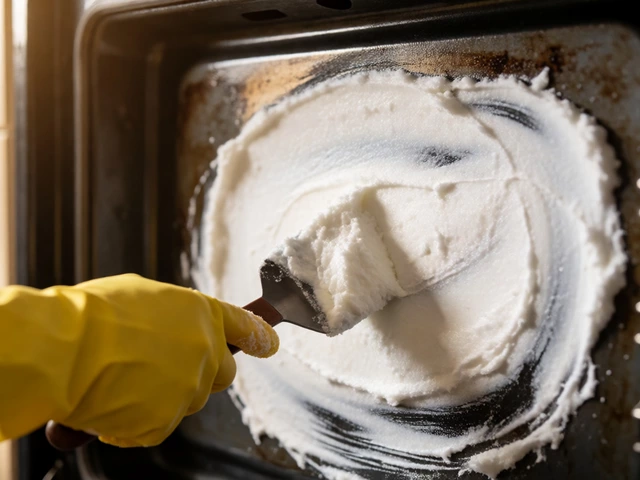
Heavy-Duty Scrub: Combine baking soda with a small amount of water to form a paste. Apply it to sinks, tubs, or stovetops. Let it sit for 10 minutes, then scrub with a sponge. Rinse thoroughly. For tougher grease, sprinkle baking soda directly on the surface, spray with vinegar, let it fizz, then scrub.
Floor Cleaner: Fill a bucket with warm water and add ¼ cup of castile soap. For hardwood floors, ensure the mop is damp, not soaking, to prevent water damage. For tile or vinyl, you can add a splash of vinegar for shine, but rinse well to avoid dulling the finish over time.
Common Misconceptions About Green Cleaning
One major myth is that natural cleaners are always safe for everyone. While they lack harsh toxins, some people may still be sensitive to strong smells like vinegar or certain essential oils. Ventilation is still important when cleaning, regardless of the product used.
Another misconception is that “natural” means equally effective. In reality, natural cleaners often require more elbow grease or longer dwell times. Vinegar won’t kill mold as effectively as bleach, so for severe mold issues, professional treatment or hydrogen peroxide may be necessary. Understanding the limits of each agent prevents frustration and ensures you don’t compromise on hygiene.
Also, beware of “greenwashing.” Some products label themselves as eco-friendly simply because they contain a small amount of plant extract, while the rest is synthetic. Look for certifications from reputable organizations like EWG Verified, EcoLogo, or Leaping Bunny (for cruelty-free). These labels verify that the entire lifecycle of the product meets strict environmental standards.
Choosing the Right Agent for Your Home
Your choice of cleansing agent should align with your lifestyle and home materials. If you have young children or pets, avoiding toxic residues is paramount. In this case, hydrogen peroxide and castile soap are safer bets than vinegar, which can irritate eyes and skin upon contact.
If you live in an area with hard water, vinegar becomes indispensable for maintaining fixtures and appliances. Conversely, if you have soft water, baking soda and castile soap may suffice for most tasks. Consider your local water quality when building your cleaning kit.
Finally, think about convenience. If you’re busy, pre-made concentrates might save time while still being eco-friendly. If you enjoy DIY projects, making your own cleaners can be therapeutic and cost-effective. There is no wrong choice as long as you prioritize transparency and sustainability.
Is vinegar really better than chemical cleaners?
Vinegar is better for the environment and human health because it is non-toxic and biodegradable. However, it is not as strong as chemical disinfectants like bleach against certain viruses and bacteria. For everyday cleaning, it is highly effective. For sanitizing during illness outbreaks, consider using hydrogen peroxide or EPA-registered disinfectants.
Can I mix vinegar and baking soda safely?
Yes, mixing them is safe, but it creates a neutralization reaction that cancels out their cleaning power. The fizzing action can help lift debris physically, but once the reaction stops, you’re left with salt water. For best results, use baking soda as a scrub first, then rinse and follow with vinegar for disinfection and shine.
What is the most eco-friendly way to clean windows?
A mixture of one part white vinegar to four parts water is ideal for windows. Use a microfiber cloth or squeegee to avoid streaks. Avoid paper towels, which create waste. Microfiber cloths are reusable and trap dust effectively without needing additional chemicals.
Are essential oils safe to use in cleaning products?
Essential oils are generally safe for humans but can be toxic to pets, especially cats and dogs. Tea tree, eucalyptus, and peppermint oils should be avoided if animals are present. Always research pet safety before adding essential oils to your homemade cleaners. Dilution is also key to prevent skin irritation.
How do I store homemade cleaning solutions?
Store vinegar-based solutions in glass or high-density polyethylene (HDPE) plastic bottles to prevent corrosion. Label everything clearly, including the date and ingredients. Keep them out of reach of children and pets. Hydrogen peroxide should be stored in opaque containers to protect it from light, which degrades its effectiveness.